
What Is a P&L Statement in a Restaurant?
A restaurant P&L statement reveals sales, expenses, and profits, helping owners manage costs, improve margins, and plan finances more effectively.
Accounting
Aug 26, 2026
A restaurant P&L statement reveals sales, expenses, and profits, helping owners manage costs, improve margins, and plan finances more effectively.
Aug 26, 2026
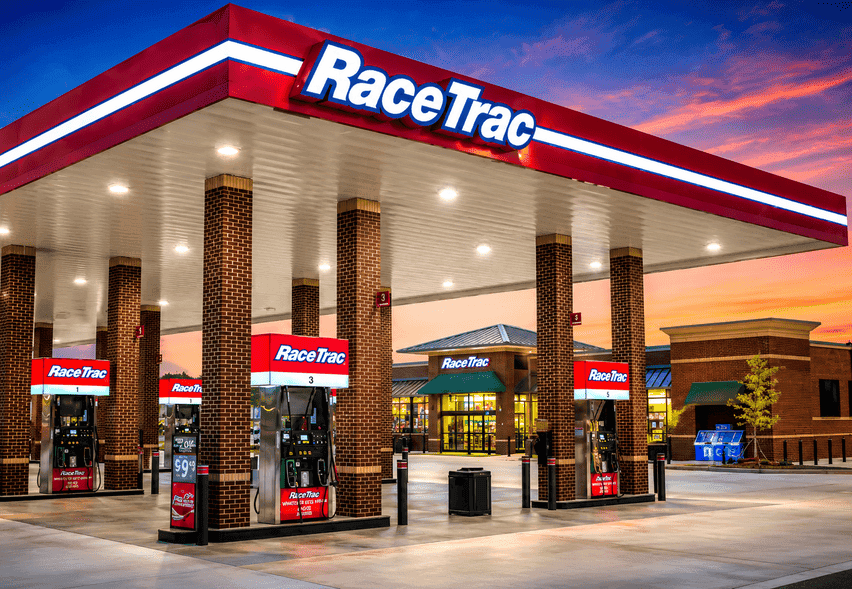
RaceTrac has appointed Jill Pemberton as chief financial officer, succeeding Karla Ahlert, who moves into the newly created role of chief administrative officer.
Aug 26, 2026
Learn practical ways to reduce labour costs through smarter scheduling, forecasting, productivity, cross-training, automation, overtime control, and performance monitoring strategies.
Aug 26, 2026

A payroll advance policy helps restaurant owners define eligibility, limits, repayment, documentation, approval procedures, and compliance requirements for employee advances.
Aug 24, 2026

Create a practical restaurant marketing plan by setting goals, targeting customers, choosing channels, budgeting wisely, scheduling campaigns, and measuring results.
Aug 24, 2026
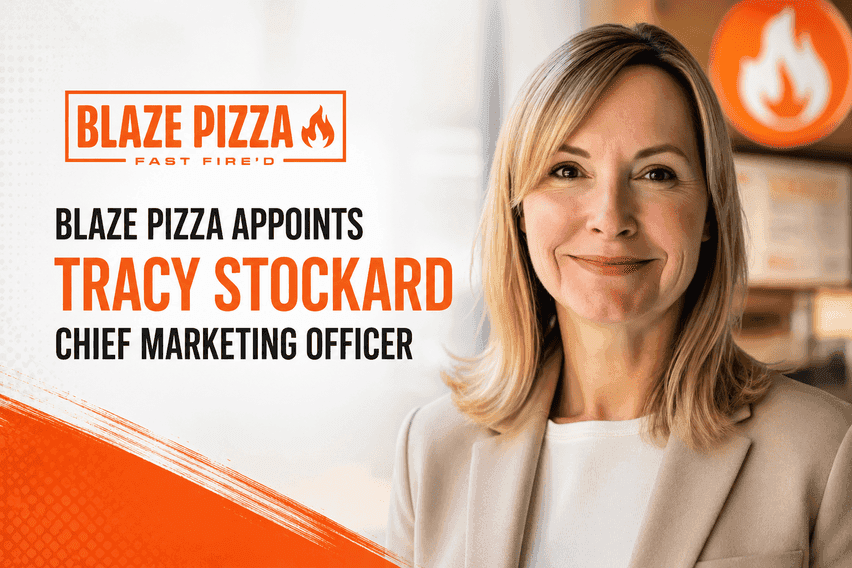
Blaze Pizza welcomes Tracy Stockard as Chief Marketing Officer, bringing decades of brand and franchise experience to drive strategic growth and guest engagement.
Aug 25, 2026

Levain Bakery appoints Lorna Sommerville and Taya Stenson as co-CEOs, blending operational and marketing expertise to power national expansion and innovation while staying rooted in its brand values.
Aug 25, 2026
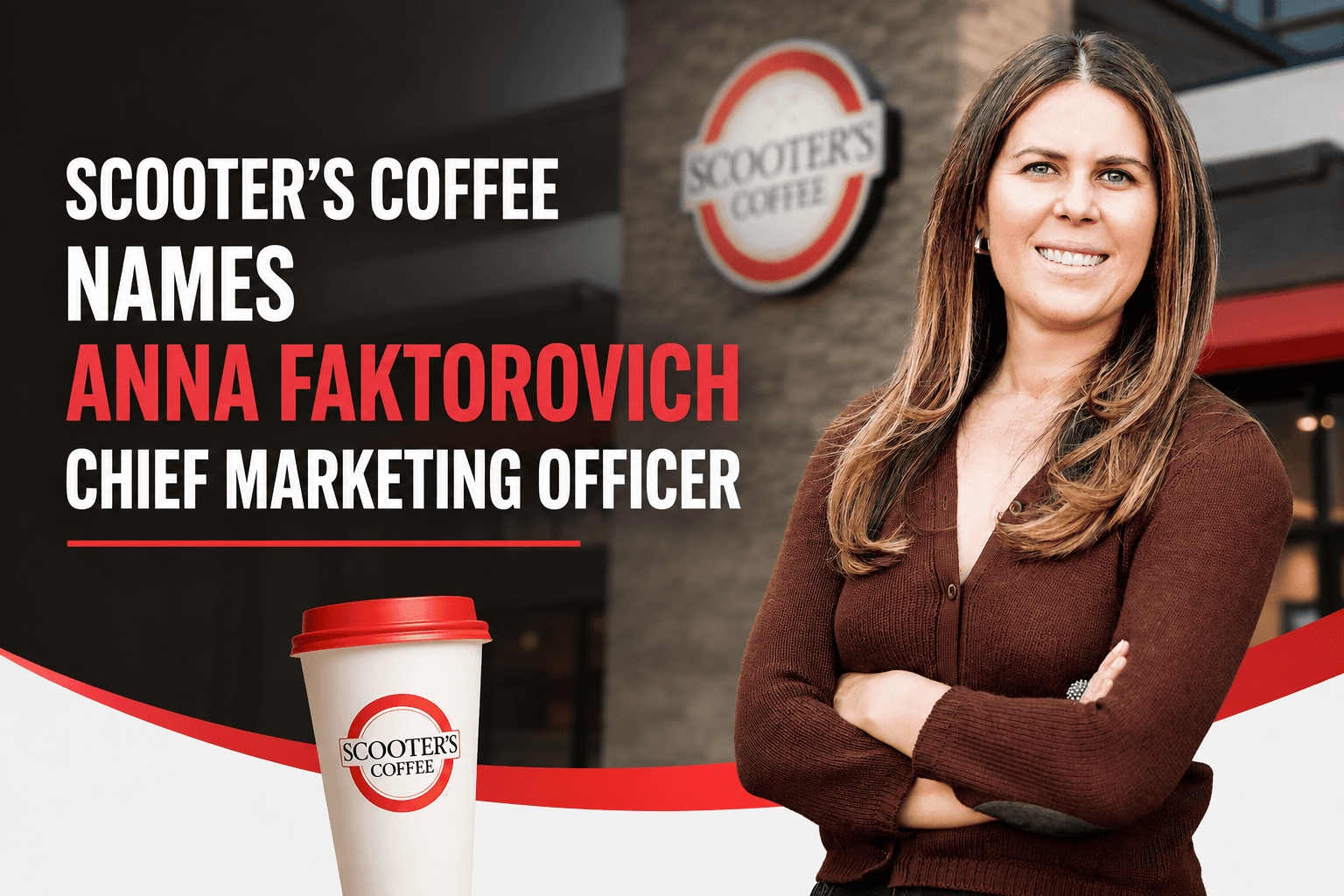
Anna Faktorovich, a seasoned marketing executive, has been named Chief Marketing Officer at Scooter’s Coffee, bringing decades of multi-brand experience to fuel the franchise’s next growth stage.
Aug 25, 2026
Dave & Buster's refreshes its executive lineup with seasoned leaders in operations, marketing, tech, and finance - signaling a growth-driven future for restaurant operators to watch.
Aug 24, 2026
Wendy’s announces Tariq Hassan as Chief Marketing and Customer Growth Officer, charting a new course for brand and digital innovation. What restaurant owners can learn.
Aug 24, 2026

Unlock Exclusive Access To Webinars, Events, And The Latest News For Free!
Australian chain Guzman y Gomez closed all eight Chicago-area restaurants on May 22, 2026, citing stagnant sales and high capital needs in an ASX filing.

Photo by Jeswin Thomas
On May 22, 2026, Australian-born fast-casual chain Guzman y Gomez closed all eight of its Chicago-area restaurants, ending a nearly six-year U.S. run. Founder and CEO Steven Marks cited “stagnant sales momentum and higher-than-expected capital requirements” in an Australian Securities Exchange statement, concluding the network was unlikely to generate the performance needed to justify further investment of shareholder capital. The company’s website posted, “All GYG USA restaurants permanently closed. Effective from May 22nd, GYG USA restaurants will cease trading,” and its Instagram thanked locals for “six years of burritos and big dreams in Chicagoland.”
The brand’s American story began in January 2020 with a debut in Naperville, Illinois, then spread to Bucktown, Schaumburg, Evanston, Crystal Lake, Deerfield, Buffalo Grove and Des Plaines. Founded in 2006 in Newtown, Sydney, Guzman y Gomez arrived with big ambitions. In 2023, Marks said the company aimed to become the number one fast-food company in the world and acknowledged that success in the U.S. was essential to compete with established global brands. The team worked to align with American preferences, removing artificial colours and additives as part of a cleaner-ingredients strategy it hoped would carry the brand to sustainable growth.

The results never quite reached internal targets. After the January 2020 debut, the network grew to eight locations but fell short of the sales trajectories the company wanted to see. Marks spent the last three months in the U.S. reviewing operations, supply chains and marketing effectiveness, then concluded the effort would require significantly more time and capital than anticipated.
He and the board determined that projected unit economics fell short of performance thresholds and that continuing to invest shareholder capital did not align with the group’s financial discipline. The formal decision came in an ASX announcement on May 22, 2026, and the board confirmed that no additional U.S. investment would be sanctioned, closing the chapter on the Chicago expansion.
Across Chicagoland, guests met printed door signs that read “PERMANENTLY CLOSED,” while social channels filled with farewells. NBC Chicago reported an Instagram post that spoke directly to the community: “To every guest who came through our doors – you chose us, and we never took that for granted. To our team – thank you. Your passion and your purpose built something special. If you’re ever in Australia, Singapore or Japan, come find us – we’ll have your favs waiting for you.”
On the financial side, Guzman y Gomez anticipates recording a one-off exit charge between US$30 million and US$40 million in its full-year 2026 results, covering lease terminations, inventory write-downs and employee severance costs. On the day of the announcement, the company’s shares jumped about 20 percent, as analysts and investors recognized the capital redeployment benefits for the stronger Australian and Asia-Pacific operations.

The exit lands in a category that is growing, but only carefully. Fast-casual traffic in the U.S. rose 3 percent year over year according to Circana, while visit counts ticked up just 1.9 percent per Placer.ai, a sign of selective demand and fierce competition. Consumer Edge’s 2026 Restaurant Outlook points to rising price points straining appetite for premium QSR and rewarding brands that build value into the core proposition rather than rely on promotions. Commentators have long labeled the U.S. a “graveyard” for Australian fast-food brands, and this retreat highlights how hard it can be to replicate Australian unit economics where competition and real estate costs differ substantially.
Several details remain unsettled. The company has not said whether it might revisit the U.S. through a franchise model or re-enter when economic conditions shift. It has not disclosed information on employee transitions, lease obligations under Illinois law, or any potential WARN Act filings. The south Naperville site that had been slated for fall 2026 is also an open question. Elsewhere, the brand’s footing looks solid: it continues operating about 240 locations across Australia and roughly 30 in Singapore and Japan, markets where unit economics and sales growth remain robust. Leadership has reaffirmed confidence in the brand’s global appeal and will refocus resources on these core regions. For Chicago regulars who made GYG part of their routine, the invitation has already been extended to find the familiar flavors in Australia, Singapore or Japan.