
First Watch Bets on Data and Discipline
A journal of how First Watch blends data-guided engagement and price discipline to sustain visits amid inflation, while expanding through franchising.
Franchising
Apr 27, 2026
A journal of how First Watch blends data-guided engagement and price discipline to sustain visits amid inflation, while expanding through franchising.
Apr 27, 2026
Photo by Hybrid Storytellers on Unsplash
Chipotle leans on operations and automation to lift margins and scale to 7,000 restaurants, with Chipotlane and expo upgrades leading the charge.
Apr 27, 2026
Photo by Jason Leung on Unsplash
Inflation narrows the gap between grocery and restaurant prices, nudging households toward home-prep and value-driven menus.
Apr 27, 2026

Photo by Deepak Surya on Unsplash
Zaxby’s consolidates loyalty and e-commerce under a Chief Digital Officer to deepen guest relationships and accelerate omnichannel growth.
Apr 27, 2026

Photo by Fatma Gallery on Unsplash
A refined look at how daily industry briefs distill leadership moves, partnerships, and chef-led concepts shaping modern foodservice.
Apr 27, 2026
A look at how FSTEC 2024 reveals a shift toward hybrid vendor and in-house tech, real-time orchestration, and autonomous delivery shaping the future of hospitality.
Apr 27, 2026
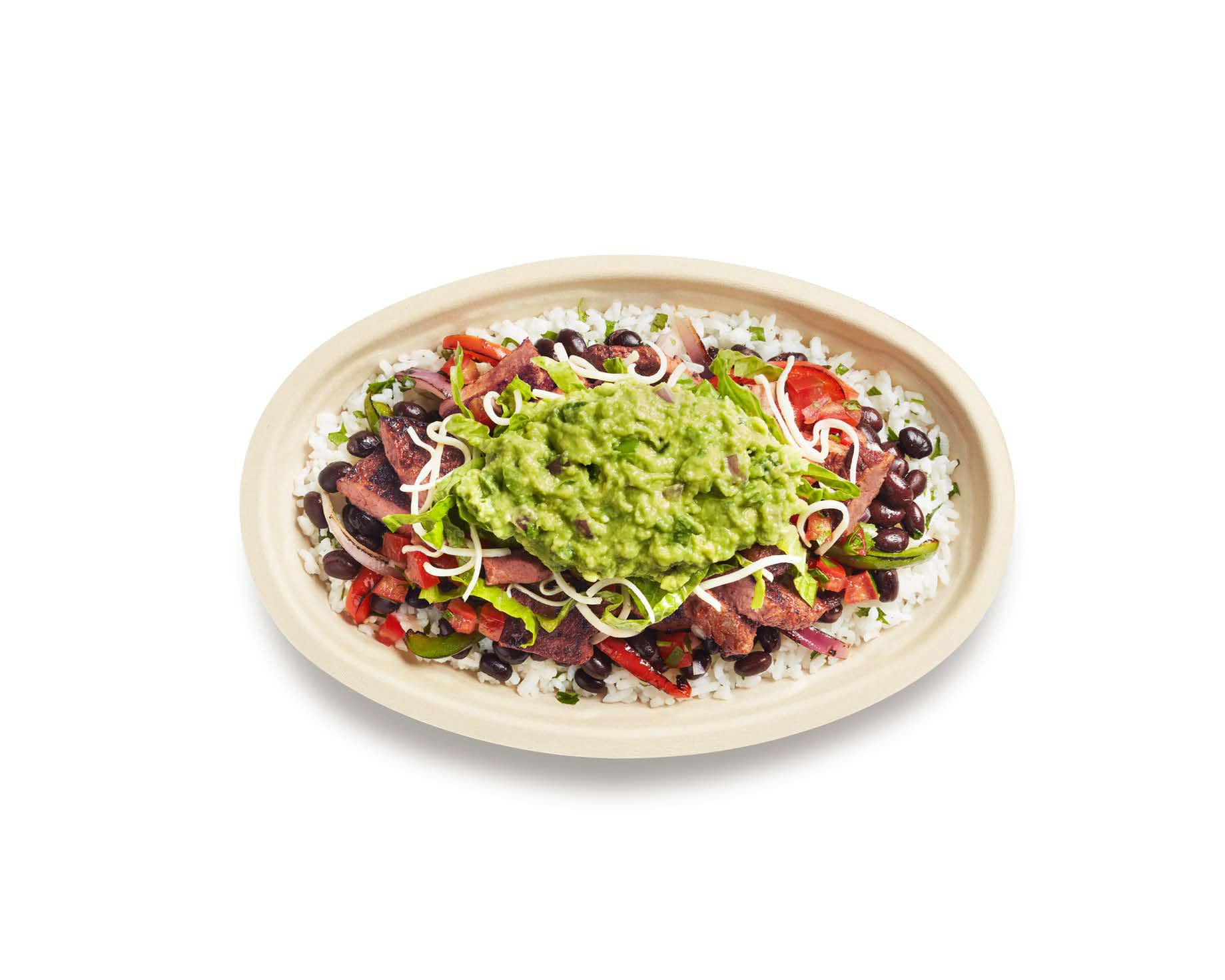
Chipotle tests robotic makelines and avocado cobots to boost throughput while preserving safety and brand standards.
Apr 27, 2026
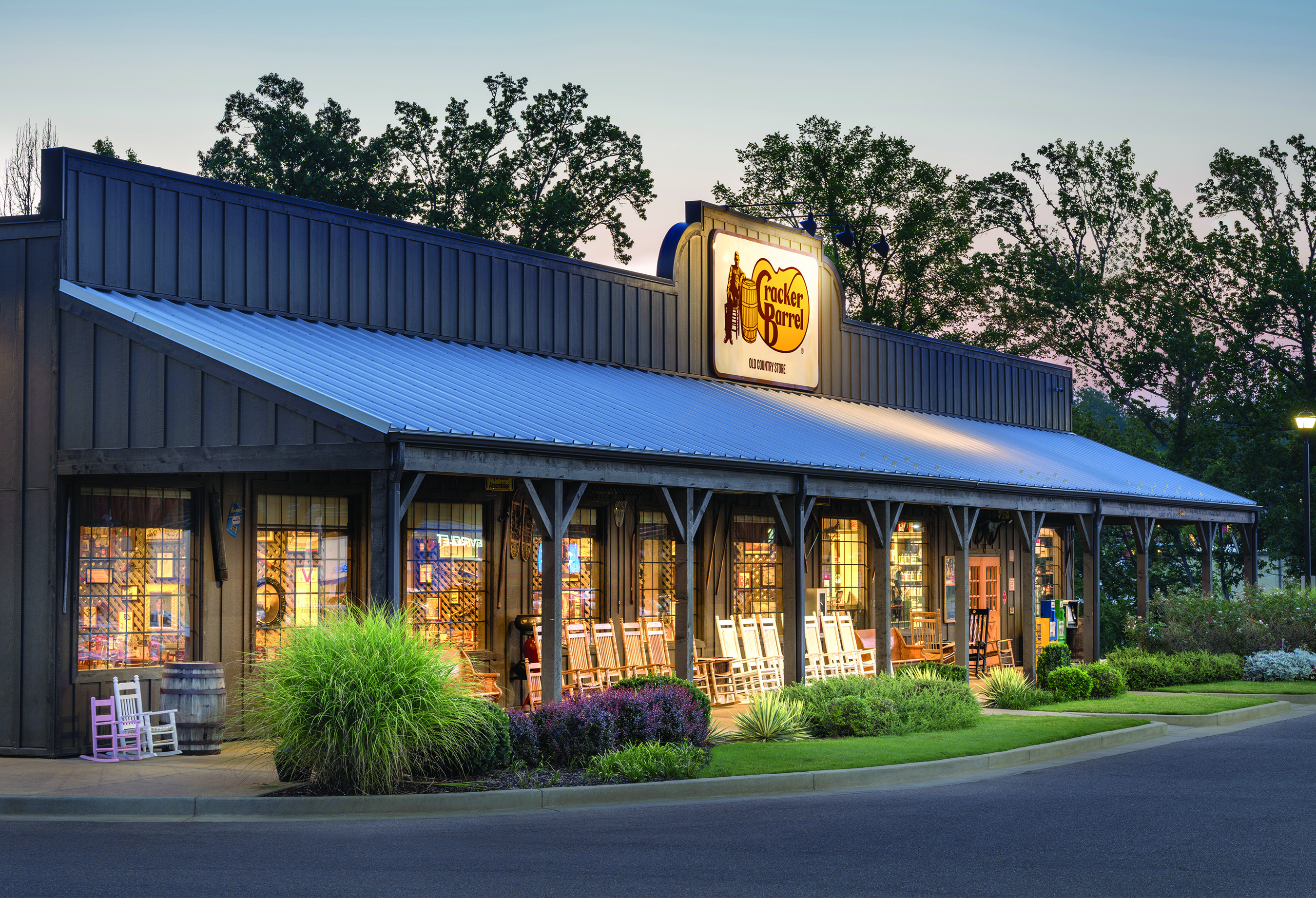
Cracker Barrel faces an activist proxy contest as it advances a multi-year transformation, defending its board and plan against Sardar Biglari's slate.
Apr 27, 2026
Taco Bell scales its proprietary Voice AI across U.S. drive-thrus, aiming for faster service, better accuracy, and a warmer guest experience.
Apr 26, 2026
Photo by Jafetbyrne Photos on Unsplash
Nostalgia-driven promotions, digital ordering, and flavor experiments reshape growth strategies for fast-casual brands in 2026.
Apr 26, 2026
Via 313 names Kip Welsch president to drive multi-market growth with Savory Fund backing.

Photo by Jacob Skowronek on Unsplash
Via 313 is not just growing its footprint; it's changing the leadership dynamic that powers the plan. Kiplan Welsch has been elevated to president, a shift the Detroit-style pizza brand presents as a formal handoff designed to accelerate a national push. At present, Via 313 operates 21 locations across five metro areas in Texas, Utah, and Colorado. Co-founders Brandon and Zane Hunt frame the move as momentum with purpose, tying culture, hospitality, and scalable growth into a clear future story. This is the big win that comes from steady, strategic leadership.
What changes with a president at the helm – a sharper expansion cadence, a formal playbook, and a curator for culture and technology. Kiplan Welsch steps in with a mandate to preserve Via 313’s heart while pressing into new markets. "I am honored for the opportunity to lead Via 313 as its president and am eager to maintain the incredible momentum we have built as a brand," he said, signaling a clear path to growth through service, innovation, and hospitality. Founders and investors describe the move as a deliberate, culture-first acceleration.
Three decades in restaurant ops shape Kiplan Welsch's profile. He began at Chili’s in 2002, then ran as an operating partner at P.F. Chang’s, spent about ten years at BJ's Restaurant & Brewhouse as an area vice president, and led Bluestone Hospitality with 34 restaurants and five area directors. At Via 313, he refined growth strategy and leadership development as the brand entered its fifth major metro. NRN profiles credit this background with a scalable playbook that protects culture while expanding reach.
“He understands both operations and the heart of Via 313,” a common thread in coverage of the promotion. The reporting notes that his track record helped catalyze broader national momentum and the loyalty program’s expansion, delivering a smoother path from local love to multi-market growth.

Growth engine for Via 313 rests on a collaboration with Savory Fund, the restaurant-focused private equity firm that first invested in 2020. The partnership is pitched as a force multiplier—providing growth capital, strategic guidance, and a broad network to speed openings in new markets. “We’ve watched Kip lead Via 313 with undeniable strength and care,” said Andrew K. Smith, managing director at Savory Fund, underscoring a shared belief that the Detroit-style pizza concept can scale without losing its soul. The tie-up is framed as the engine behind national reach.
“Via 313 is leading the Detroit-style pizza casual dining revolution,” the release adds, tying leadership to capital in a way that preserves brand integrity while accelerating scale. The message positions the partnership as a deliberate, balanced approach to growth that blends culture with multi-market ambitions.
Founders’ confidence framed the appointment as a deliberate next step to safeguard Via 313’s culture while pursuing a more aggressive growth cadence. Brandon and Zane Hunt said they have “the utmost trust and respect for Kip” and that he “understands not only operations but the heart of Via 313.” The messages echo a shared belief that leadership and culture remain aligned with ambitious expansion.
Savory Fund’s Andrew K. Smith reinforced the sentiment, noting the partnership aims to balance brand integrity with scalable growth. The chorus from investors and founders frames the move as a coordinated bet on growth that stays true to the brand’s Detroit roots.
Footprint growth tracks a real trajectory. By 2024 Via 313 had reached 21 locations in Texas, Utah, and Colorado, and leadership changes were timed to sustain that pace. The model leans on external capital to expand into new markets and to deploy technology-driven hospitality initiatives that streamline operations. In 2025, the chain announced two Houston-area openings—Pearland and Cypress— slated for Spring and Summer, bringing Houston’s total to five stores and signaling deeper Texas momentum.
The public record also notes that capital commitments are designed to support multi-market openings and a broader loyalty program rollout. While pace and geography will hinge on real estate and labor realities, the core message is clear: the Detroit-rooted concept is building a national footprint without losing its soul.