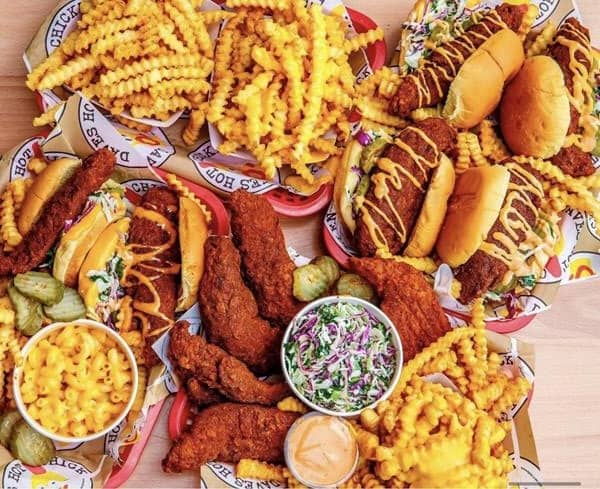
Dave's Hot Chicken Franchisee Files Chapter 11
TIG Reaper LLC, a multi-unit Dave's Hot Chicken franchisee, filed Chapter 11 amid a bitter dispute with lender Bank Midwest over alleged defaults.
Legal
Sep 28, 2026
TIG Reaper LLC, a multi-unit Dave's Hot Chicken franchisee, filed Chapter 11 amid a bitter dispute with lender Bank Midwest over alleged defaults.
Sep 28, 2026
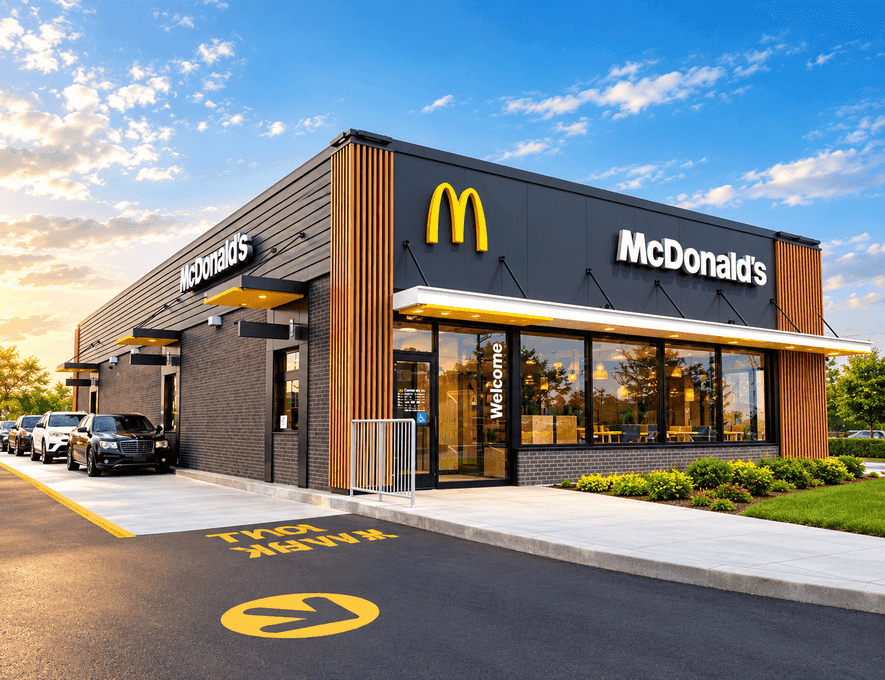
McDonald's ArchIQ platform blends voice AI, automation, and predictive data to reshape drive-thrus and kitchens. Here's how it works and what's next.
Sep 28, 2026
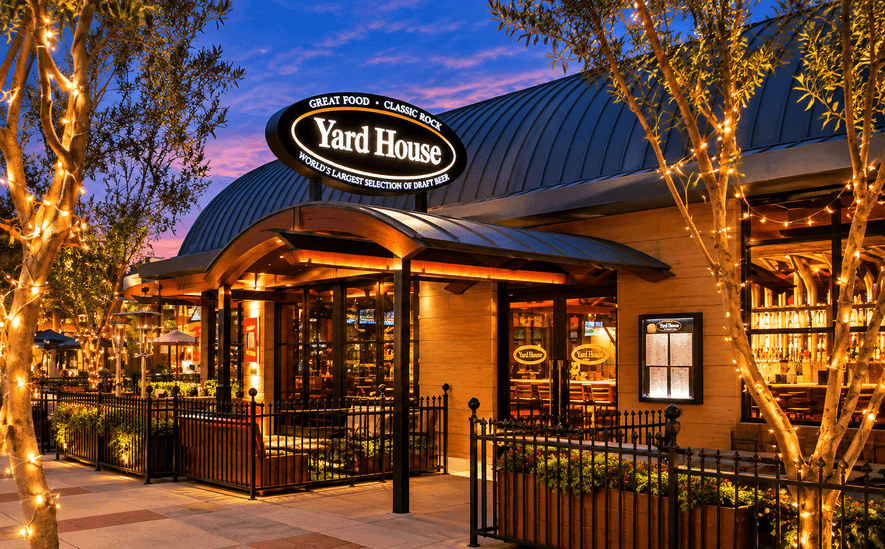
The full-service concept, which posted 10% growth in same-store sales during fiscal Q1 2027, plans to open 13 new stores during the ongoing fiscal year.
Sep 28, 2026

Learn how average inventory is calculated and use inventory data to identify purchasing trends, manage stock levels, and reduce waste.
Sep 25, 2026

Understand employee scheduling principles for restaurants, including workforce planning, shift assignments, availability management, compliance considerations, and scheduling technology.
Sep 25, 2026
Starbucks is closing 250 North America stores even as sales climb, revealing a strategic push to trim weak locations and fund renovations.
Sep 25, 2026

A restaurant chart of accounts separates sales, costs, and labor, uses logical numbering, and stays maintained, producing clearer financial reports.
Sep 23, 2026
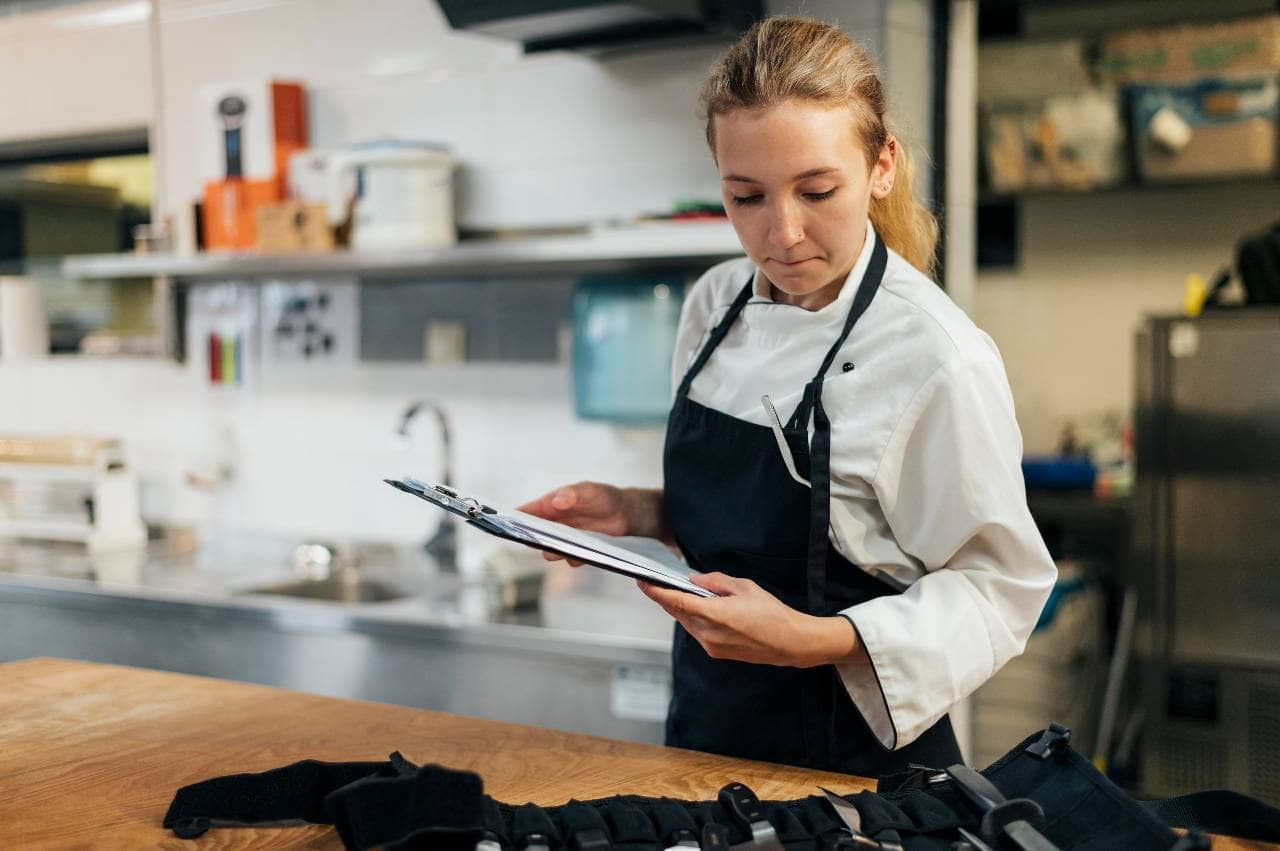
This restaurant inventory count checklist helps owners track food, beverages, packaging, and supplies, cutting waste, controlling costs, improving purchasing decisions.
Sep 23, 2026
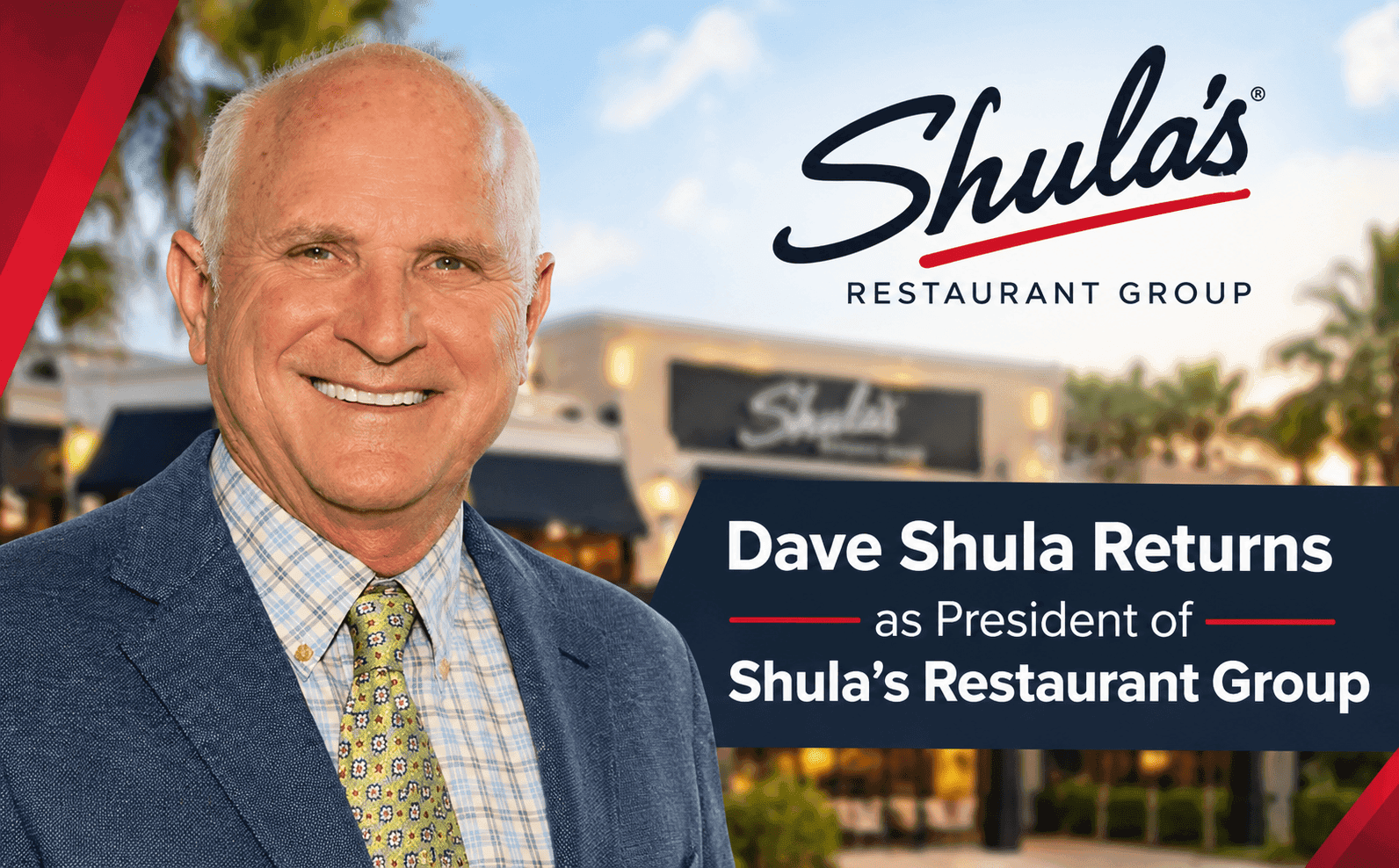
Dave Shula rejoins Shula's Restaurant Group as president, leading growth into Palm Beach Gardens and a 2027 Thomasville, Georgia expansion.
Sep 23, 2026
McDonald's commits $8.5 billion through 2036 to modernize restaurants, boost cash flow by $100,000 per store, and grow chicken and beverage sales.
Sep 23, 2026

Unlock Exclusive Access To Webinars, Events, And The Latest News For Free!
There are various organizations that have their own food safety guidelines. The one we will focus on today is the SQF food safety guidelines and what you need to know about them.
SQF stands for Safe Quality Food. The SQF food safety is a food safety certification recognized by Global Food Safety Initiative (GFSI) which covers all stages of food supply chain from primary production to food manufacturing, distribution, food packaging and retail. SQF food safety standard certification is based on Hazard Analysis Critical Control Points or HACCP points. The SQF standard of food safety was first developed in 1994 in Australia. It is now owned and managed by the Food Marketing Institute (FMI) since 2003. SQF is recognized worldwide by major retailers and food service providers for a rigorous and credible food safety management system. Many retailers and food manufacturers require SQF certification to purchase the product. Apart from food safety program, product quality is also covered with SQF quality code. SQF certification confirms that the product's organization produces, processes, preparation and food handling is of high standard as per global benchmark. NSF International Food Safety Certification, LLC is also accredited to certify to the SQF.
In the initial phase of food safety programs by the GFSI approved food safety standards, there were significant differences. However with developing times, the GFSI standards have been developed further to maintain a greater consistency between different food safety standards. They are more or less similar but there are some differences between SQF and other food safety standards. These are- - The SQF standards are broad and modular in nature. SQF standards for certification includes different parts of the food supply chain. - SQF standards certification is less specific in its requirements which allows greater flexibility for the company. - SQF implements certification through its 'Technical Advisory Committees' comprising of members of food industry, certification bodies and training organizations.
The SQF certification takes between 6 months to 2 years or more and varies from company to company depending on the requirements. There are several factors involved in the SQF certification. These are- - Existing certification- The work needed for full SQF certification is reduced significantly if the company is having an established HACCP program. - Proper training- Proper training to understand the requirements and reduce implementation errors. - Dedicated resources- SQF certification should be a team effort. There are chances of errors if the responsibility is fixed on one or two members. - Assistance-Getting assistance outsourced for certification may help the companies applying for the certificate.
The SQF certification program reduces supply chain issues such as the risk of recall and financial impacts associated with it. Purchasing from SQF certified site means a high standard of food safety and quality programs have been maintained along with meeting the customer requirements for the product. A study by University of Arkansas was published in the Journal of Food Protection from 406 food facilities proved that sites implementing GFSI certificate saw a 34% reduction in recalls over the period of 4 years. There are a few benefits associated with the SQF certification for the companies. These are- - Its robust food safety programs reduces risk factor for your company. - Its certification reduces the number of customer audits on-site, because buyers rely on GFSI audit results. - Many customers prefer purchasing from a company having SQF certification. - SQF certification gives your company competitive advantage over other uncertified companies.
Major food retailers worldwide are increasingly requiring certification to GFSI-approved food safety standards. SQF provides certification throughout all the stages of the food supply chain to assure food safety and quality. The SQF food safety code provides a HACCP approach for products to meet all requirements. The scope of the SQF code sets it apart from others as it covers from farm to table. Here are a few standards of the SQF certification- - Ensure proper training for the SQF practitioner - A certified 2-day HACCP course and auditor training are required - Ensure proper training for team members including staff and management - Pre-requisite programs and effective HACCP - An HACCP audit to identify any gaps before applying for the certification - SQF self-audit tool helps you identify and conduct a gap assessment - Gaps need to be worked upon, the team should meet regularly to discuss progress
Food safety is an essential requirement of the foodservice industry. Serving safe food to your customers is your responsibility. It builds the reputation of your organization and makes loyal customers come back to you for your service. However, with other certifications, food handlers are responsible for proper cooking and storage of the food. Apart from the food safety program, product quality is also covered by the SQF quality code. SQF certification confirms that the product's organization production, processes, preparation, and food handling is of a high standard as per the global benchmark. With emerging markets and technologies and an increasingly complex supply chain, the need for quality certification of food products is more than ever now. With changing demands, tastes, and expectations of the customers, it is challenging for the food industry to meet up with their demands. Moreover, the customers are not ready to compromise on the quality. In fact, they want to know specific requirements of the product like where it was produced and how it has been handled. In such a complex and demanding situation, programs like SQF certification help the companies as well as the customers. With increasing technology, it is evident that these certification programs will gain more relevance in the food industry.
Food is the basic necessity of humans. Therefore, it should be safe and hygienic for consumers which must not cause health problems. That's why food safety rules are in place. The primary objective of food safety is to protect the consumers. There are modern techniques to screen adulteration in food and protect consumers. But times have changed a lot. Food safety is no more limited to food handling and preparation. The consumers are more concerned about the quality standards that are followed by the companies. That's where role of certification for products comes into play. SQF certification covers the products from farm to fork in supply chain. With developing technology, SQF certifications will gain more relevance among the customers and will be a standard for purchasing products.