
How to Start a Restaurant With No Experience
Learn how to open a restaurant with no experience by planning your concept, budget, location, team, operations, and successful launch.
Business Management
Aug 19, 2026
Learn how to open a restaurant with no experience by planning your concept, budget, location, team, operations, and successful launch.
Aug 19, 2026

Panera Bread welcomes Andrew Rebhun as Chief Marketing Officer, succeeding Mark Shambura. Learn about his background at CAVA, El Pollo Loco, and McDonald's.
Aug 20, 2026

Payroll advances help restaurant owners give hourly employees earlier access to earned wages while maintaining accurate records, policies, and compliance.
Aug 19, 2026

Taco Bell’s Taylor Montgomery has been appointed as President of Jack in the Box, positioning him to take over as CEO within a year - signaling major shifts for the QSR brand's future.
Aug 20, 2026
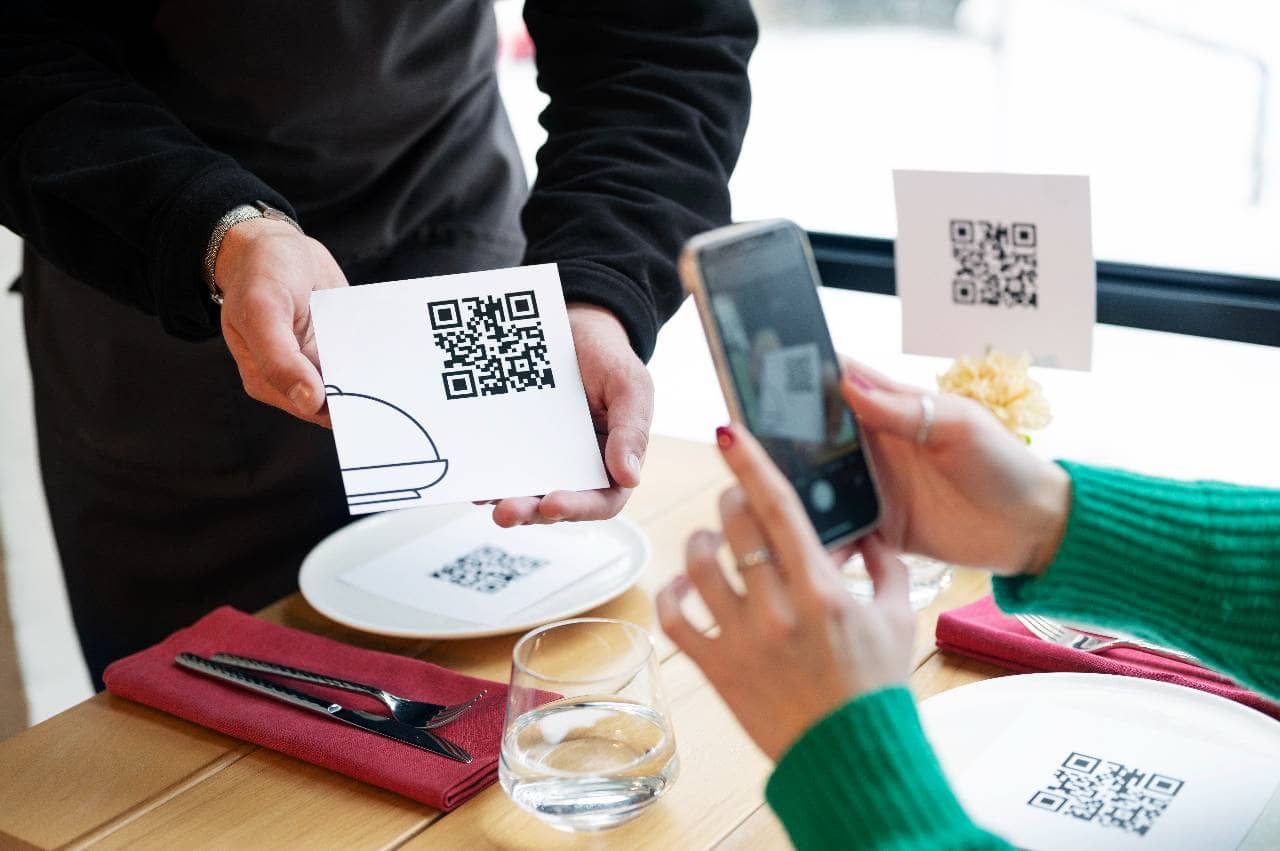
Explore the main types of ordering technology restaurants use to improve accuracy, speed, payments, customer convenience, and operational efficiency daily.
Aug 17, 2026

Learn the eight essential steps of the restaurant payroll process, from tracking hours and calculating wages to payments and recordkeeping.
Aug 17, 2026

Discover how restaurant SMS marketing works, from building subscriber lists and creating campaigns to improving engagement and measuring marketing performance.
Aug 14, 2026
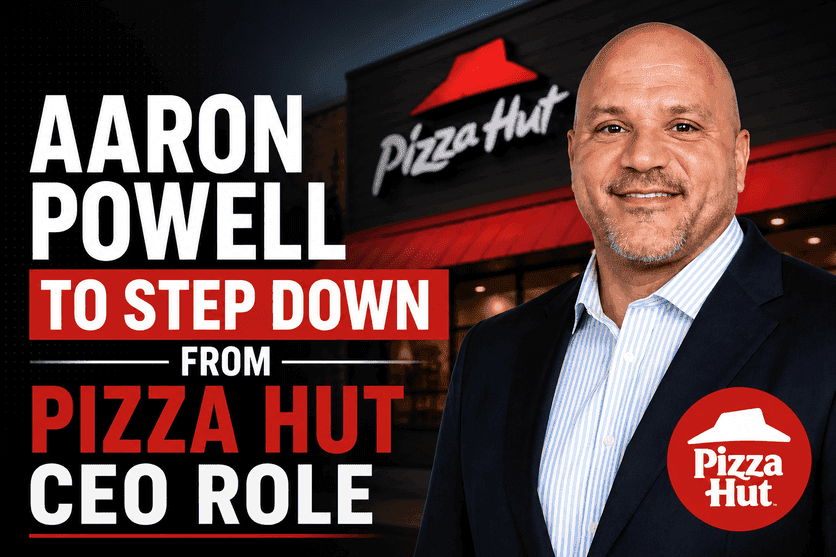
The transition of Pizza Hut's CEO, Aaron Powell, marks a pivotal moment for the chain and offers valuable leadership lessons for restaurant owners. Here’s what this executive change could mean for your business.
Aug 17, 2026
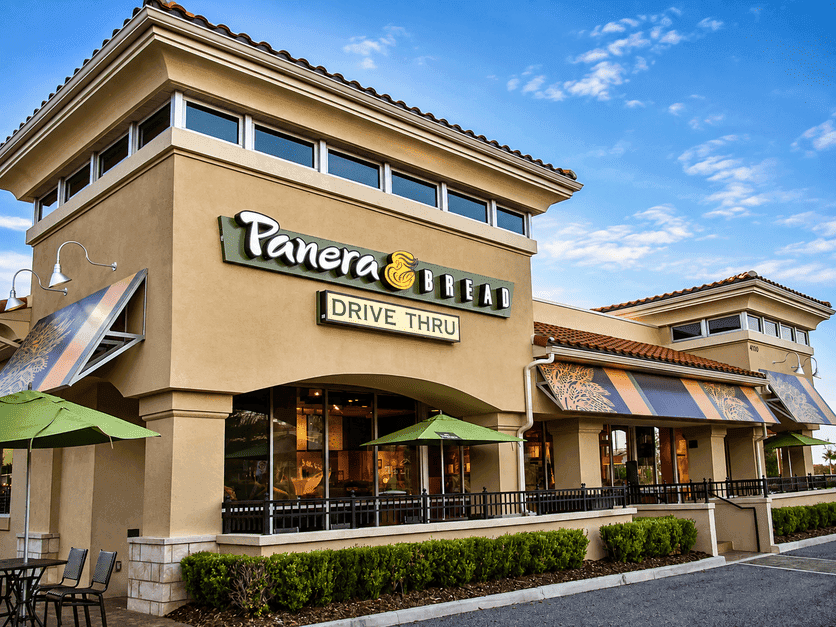
Panera Bread welcomes Andrew Rebhun as its new CMO to spearhead strategic brand growth and transformation, bolstering its vision for 2028.
Aug 17, 2026

Learn how to manage cash flow in your restaurant by tracking finances, controlling costs, forecasting needs, and building cash reserves.
Aug 14, 2026

Unlock Exclusive Access To Webinars, Events, And The Latest News For Free!
One way you can help ensure that the food you prepare is safe and sanitary is by using food handling gloves. Here are five ways that these gloves can be used in a kitchen.
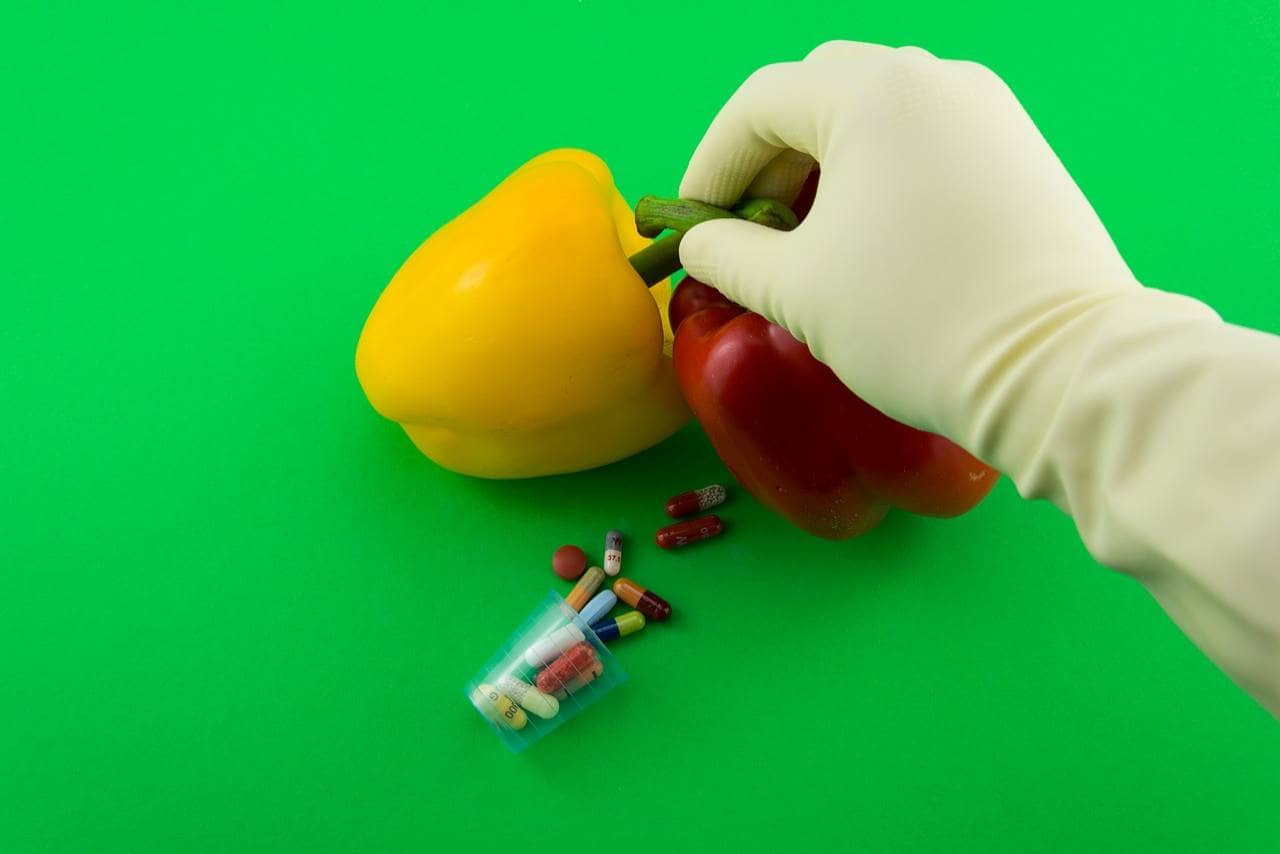
Put the Gloves On', usually refers to about between the two boxers, that's exactly what food handling gloves do, it helps food service providers fight germs attacking your food and prevents contamination. Gloves provide an extra layer of protection to your food and prevent consumers from foodborne diseases if used correctly. The use of food handling gloves has become a common requirement of the food prep process in kitchens. But gloves are effective only when they are used incorrect manners. Hands must be thoroughly washed and rinsed before donning gloves. Change of gloves is a must between two tasks to avoid cross-contamination. For example, employees can't make a dish, take the money and then make another dish donning the same service gloves. Here are a few advantages of using food handling gloves in the kitchen- - Prevents pathogenic organisms coming in contact with bare hands - Provides extra layer of protection when food handler cuts his finger - Provides protection for sensitive hands - Improves hand grip in some food prep processes While there are many advantages of using food prep gloves in the kitchen, there are several concerns as well associated with donning the prep gloves- - Gloves increase perspiration process of the wearer making their hands warm and clammy - Warm and clammy skin is the ideal breeding ground for the bacteria - It may also cause sweat dripping out of the gloves to the exterior - Prep gloves in contact with contaminated surfaces may pick up bacteria just like hands which may not keep your food safe - The requisite frequent changing of disposable gloves incurs an enhanced operational expense
Gloves are frequently used in the food industry especially in the food prep process. The National Advisory Committee on Microbiological Criteria for Foods in its report concluded that if the food comes into contact with bare hand, it contributes greatly to the transmission of foodborne illness. The FDA also suggests that washing hands alone is not sufficient to prevent transmitting the pathogens. That's why use of gloves is so important in the kitchen. Here are the five best uses of food handling gloves in a kitchen- - Prevent cross contamination - Protect your hands from chemicals - Keep your hands clean - Maintain safety for your family members - Serve food with order and sanitation Now let's deal with each of these uses in detail.
Gloves vs no gloves debate has been in existence for a long time now in the food industry. However, it is evident that food handling gloves can play a major role in prevention of cross-contamination in the food prep process. It is also evident that gloves may not prevent pathogens from spreading if not used correctly. But use of gloves certainly provides a barrier and an extra layer for hands to prevent contamination with pathogenic organisms. It is also useful if someone recovering from a virus returns to work. A food handler has many choices of gloves like disposable gloves, service gloves, nitrile gloves, poly gloves, latex gloves, vinyl gloves etc available to choose gloves best suited as per requirement.
Wearing food handling gloves can prevent most hand injuries, skin diseases, and exposures. But, it is important to choose gloves to suit two needs in the kitchen, dexterity and personal protection. Different types of work safety gloves offer different types of hand protection. Choosing the right one is the key to personal and food safety. There are many options of gloves to protect against chemical hazards, the most common include- - Latex gloves - Nitrile gloves - Poly gloves - Vinyl gloves - Butyl gloves Hazard AnalysisSafe Food
Food prep professionals catering food industry get their hands dirty frequently as they handle the food. These food items include raw meat, vegetables such as beets or blueberries, messy items such as flour, as well as handling onions and garlic that can easily stain their hands. Working in this industry on a daily basis requires essential measures to keep your hands clean. So, it is clear that the right choice is covering the hands along with washing them frequently. Use of powder-free nitrile gloves, instead of latex gloves or vinyl gloves, should be a priority for the food prep professional's strategy to keep their hands clean and protected. Nitrile gloves are available in 8 to 15 mils thick option and are the best choice because of their great tactile sensitivity for easy handling of food items. Food SafeFood Safety
Use of food handling gloves also helps in maintaining safety for your family members. Gloves prevent cross-contamination during the food prep process. It keeps the hands of food handler clean and resists strongly against the pathogens causing foodborne illness in the consumers. Safe FoodHealth Safety
Sanitation is one of the most important part of the food industry. With donning hand gloves food prep professional can make sure that the food safety measures are taken care of. It helps in serving the food with order and meeting the sanitation needs to avoid foodborne illnesses in the consumer. Management SystemHealth Safety
Food handling gloves are vital in foodservice operations. However, there are basic DO's and DON'Ts about donning gloves to remember. Here are the DO's when donning gloves- - Wear gloves for handling ready-to-eat or disposable food - Wash hands before putting on gloves - Change gloves between two different tasks - Select the proper size and type of gloves - Wear gloves over bandages, finger cots, or finger stalls Here are the DONT's when using gloves - Blow into gloves to make them easier to put on - Handle gloves except by the cuff - Put gloves back into the box if extras come out - Use gloves that have dropped onto the countertop or floor - Place glove boxes so that they can easily fall Food Safe