






Pizza Hut CEO Changes - Leadership Lessons
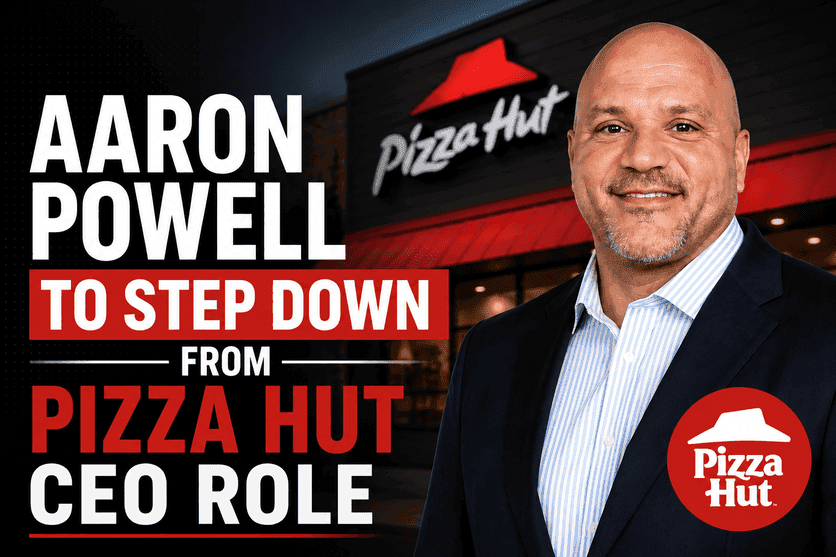
The transition of Pizza Hut's CEO, Aaron Powell, marks a pivotal moment for the chain and offers valuable leadership lessons for restaurant owners. Here’s what this executive change could mean for your business.

Navigating Major Leadership Shifts in the Restaurant Industry
When nationally recognized brands undergo leadership changes, it sends ripples throughout the entire restaurant industry. Pizza Hut, one of the world's most prominent quick-service pizza chains, is experiencing such a pivotal moment as CEO Aaron Powell steps down amid its sale to private equity firm LongRange Capital. Powell, who assumed the CEO role in 2021, played an instrumental part in revitalizing the brand’s global vision and spearheading growth strategies - even taking on U.S. operations in 2024 after internal executive shifts. His departure comes as the brand forges ahead into a new chapter, emphasizing the continued importance of strong executive leadership for restaurant businesses of all sizes. Transitions like these offer a rare window into how legacy brands adapt to industry changes, and what lessons up-and-coming restaurateurs can glean from strategic pivots at the top.
Key Takeaways from Aaron Powell’s Tenure and Pizza Hut’s Next Steps
Powell’s leadership at Pizza Hut is a study in navigating operational, reputational, and market pressures - something restaurant owners face every day. His legacy includes overseeing historic unit growth, steering the chain through international expansion, and stabilizing U.S. operations during a time of franchise transition and competition. When offered the opportunity to stay on by LongRange Capital, Powell declined, noting his commitment to leaving the business stronger than he found it. For restaurant leaders, this signals the value in building strong teams, fostering brand culture, and preparing the entire organization to thrive after executive transitions. The key lessons -
- Ensure your business is resilient during periods of change.
- Invest in future-ready leadership and succession planning.
- Emphasize a growth mindset for rapid industry shifts.
How Strategic Sales and Ownership Changes Reshape Popular Brands
This CEO transition isn’t happening in isolation - it follows a formal strategic review and a $2.7 billion sale of Pizza Hut’s assets to LongRange Capital and Yum China. Facing declining sales and increased market competition, Yum Brands initiated the sale as a strategy to unlock more value for Pizza Hut franchisees, customers, and shareholders. These moves highlight how restaurant groups - large and small - must occasionally reorient their approach to ownership and operations to address evolving industry challenges. For every operator, this is a reminder that agility, a willingness to explore new growth avenues, and ongoing marketplace assessment are essential to future success. Beyond the headlines, think about how your own restaurant can bolster franchise support, enhance customer experience, and pursue smart partnerships for sustained growth.
Leadership Changes as a Springboard for Innovation and Renewal
As restaurant owners and managers, witnessing a high-profile executive departure offers a blueprint for stewardship and foresight. Powell’s emphasis on heritage, team culture, and international momentum points to the lasting impact of leadership on operational priorities and innovation. With new ownership at the helm, expect Pizza Hut to renew its focus on capturing market share and meeting changing consumer tastes - just as independent operators must continually reevaluate their menu, service, and technology strategies. Take this moment to review your own growth strategy. Are you fostering a team that can thrive amid industry transformation? Are your processes ready for today’s challenges and tomorrow’s opportunities?
Staying Ahead - Lessons for Restaurant Leaders in Times of Change
Major brand leadership changes signal opportunity for learning and growth across the restaurant landscape. Whether you’re overseeing a single-unit eatery or an expanding chain, prioritize proactive planning, adaptive team development, and open communication during transitions. The story of Pizza Hut’s CEO change underlines the enduring need for flexibility, vision, and the ability to turn disruption into progress. If you’re strategizing for succession or guiding your team through uncertainty, remember that deliberate groundwork today can set your business up for long-term success and resilience in a competitive market.
Preparing for the Future - Connect Your Restaurant Operations
As the restaurant world evolves, make sure your technology and operational strategy evolve too. Stay attuned to industry news - whether it’s a CEO transition at a major pizza chain, or regulatory updates in your city. Use every transition as a chance to strengthen internal systems and lay the groundwork for continued innovation. Let industry shifts inspire you to build a smarter, more connected operation that’s ready for what’s next. Stay informed, stay nimble, and keep leading the way in hospitality excellence.