
California Penalizes Dickey's for Franchise Disclosure Violations
California shifts to public enforcement strategy against Dickey's for deceptive franchise disclosures, signaling stricter state-level franchise oversight.
Franchising
Sep 10, 2026
California shifts to public enforcement strategy against Dickey's for deceptive franchise disclosures, signaling stricter state-level franchise oversight.
Sep 10, 2026
Paul Brown temporarily steps away from Inspire Brands as Scott Murphy assumes interim CEO role during confidential IPO filing process targeting late 2026.
Sep 10, 2026
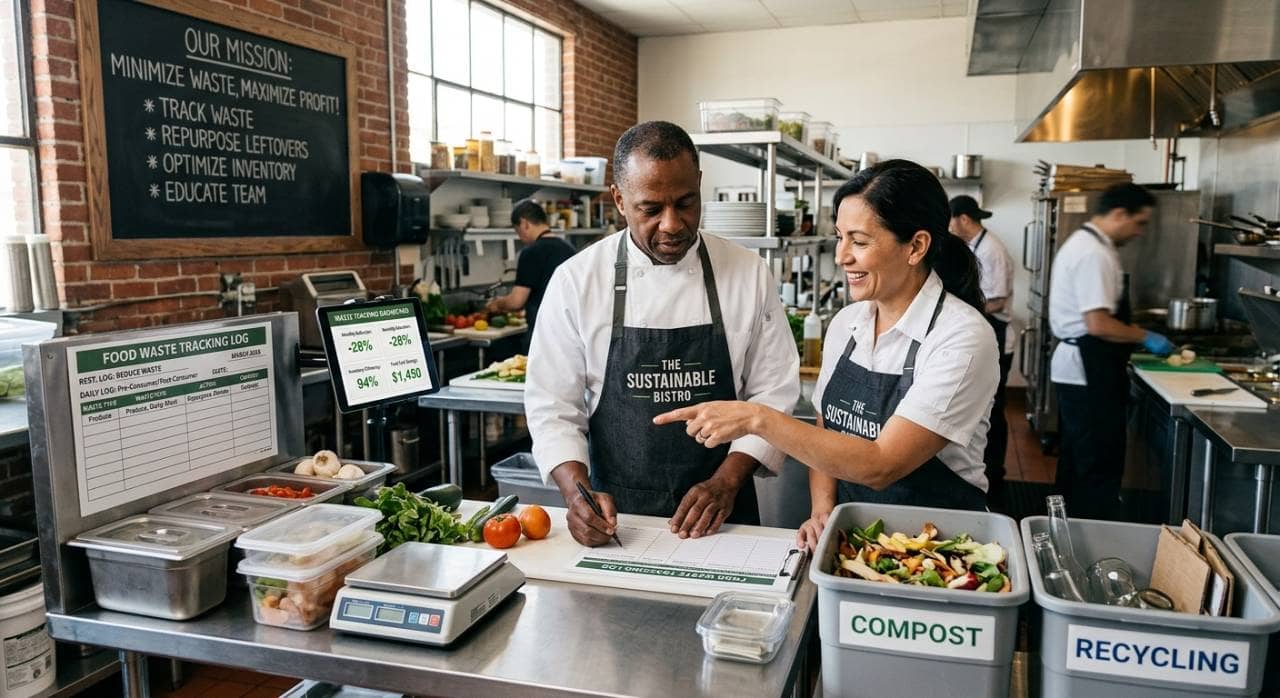
Learn how to reduce food waste in restaurants through smarter purchasing, storage, preparation, and service strategies that cut costs.
Sep 9, 2026
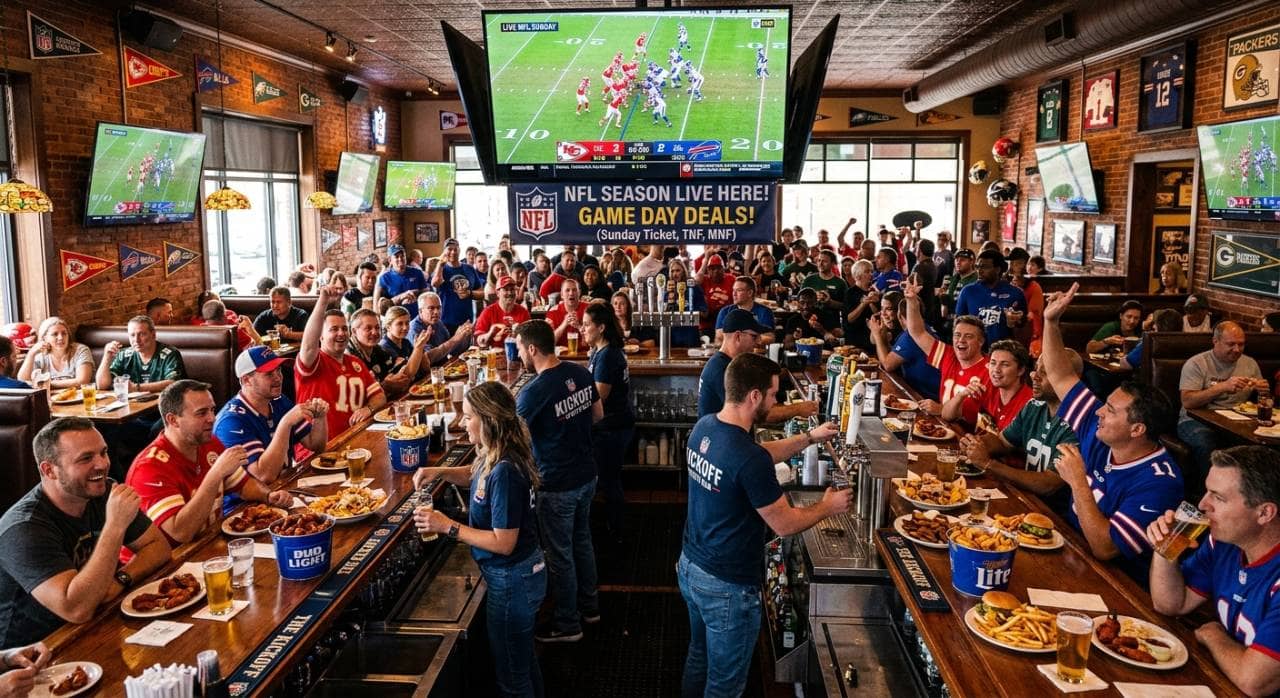
Prepare your restaurant for NFL season with smart menu planning, staffing, marketing, technology, and atmosphere strategies that boost season-long revenue.
Sep 9, 2026
Swig signs franchise agreement for 11 South Denver locations, marking Colorado entry and validating its national expansion strategy.
Sep 8, 2026
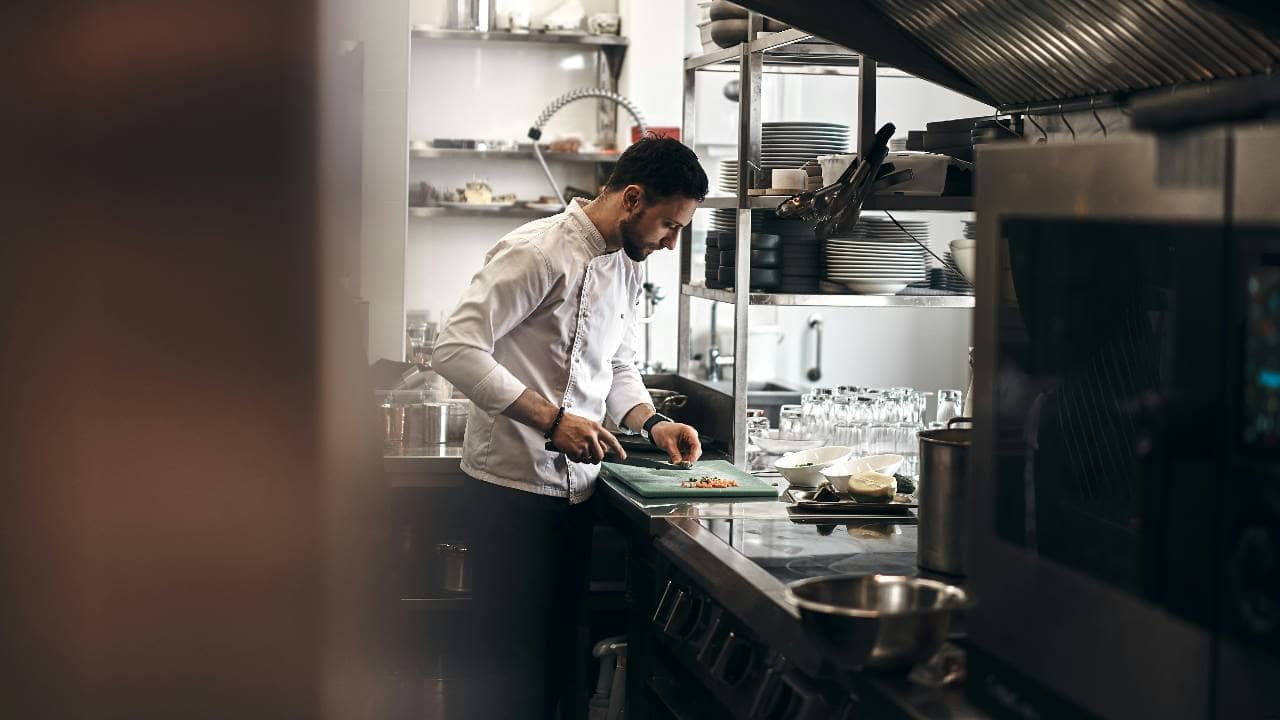
Complete guide helping restaurant owners choose essential kitchen equipment - covering cooking, refrigeration, prep, sanitation, ventilation, safety, and long-term maintenance planning.
Sep 7, 2026
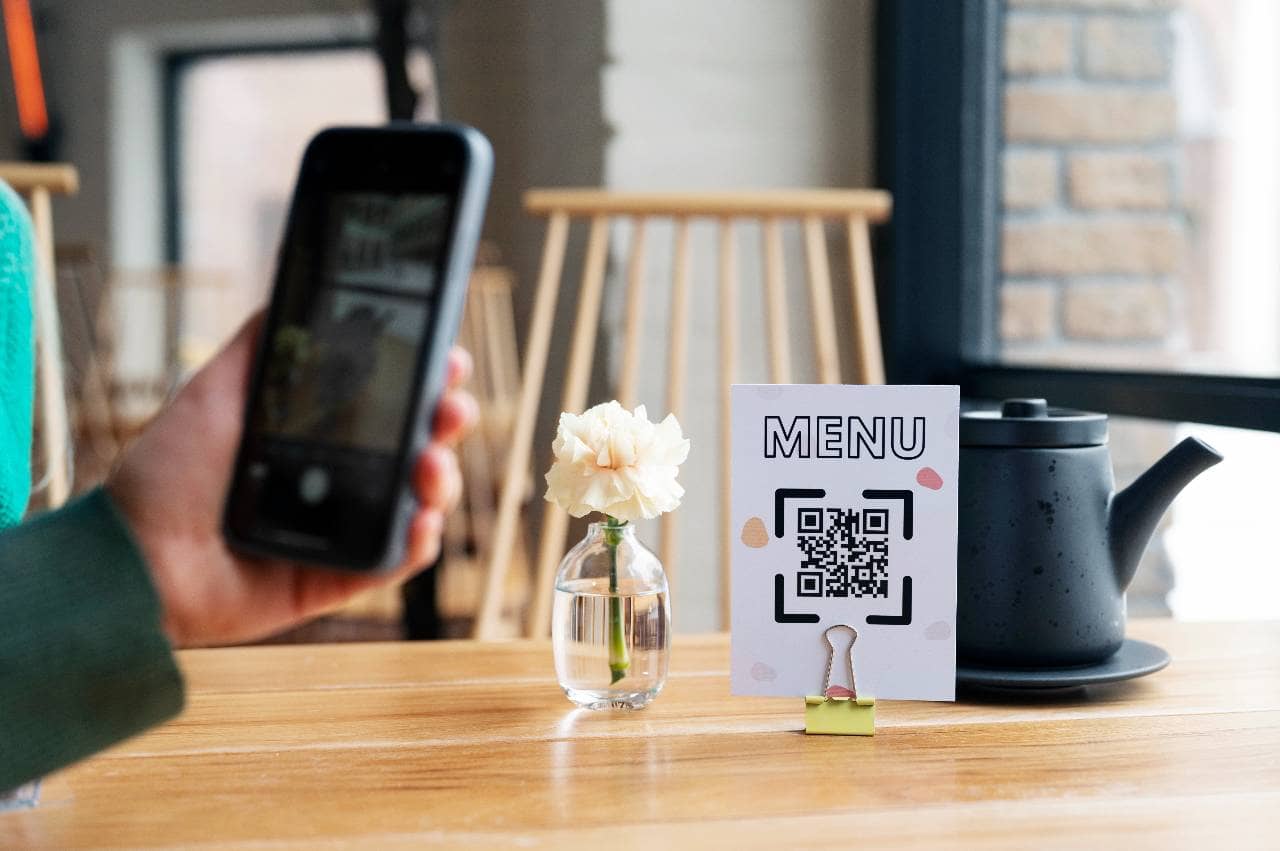
QR code menus let restaurants replace paper menus digitally, enabling instant updates, contactless browsing, ordering, and payment through simple smartphone scanning.
Sep 7, 2026

Avoiding common restaurant payroll mistakes - misclassification, tip credit errors, overtime miscalculations - protects businesses from costly penalties, back pay, and compliance risks.
Sep 4, 2026
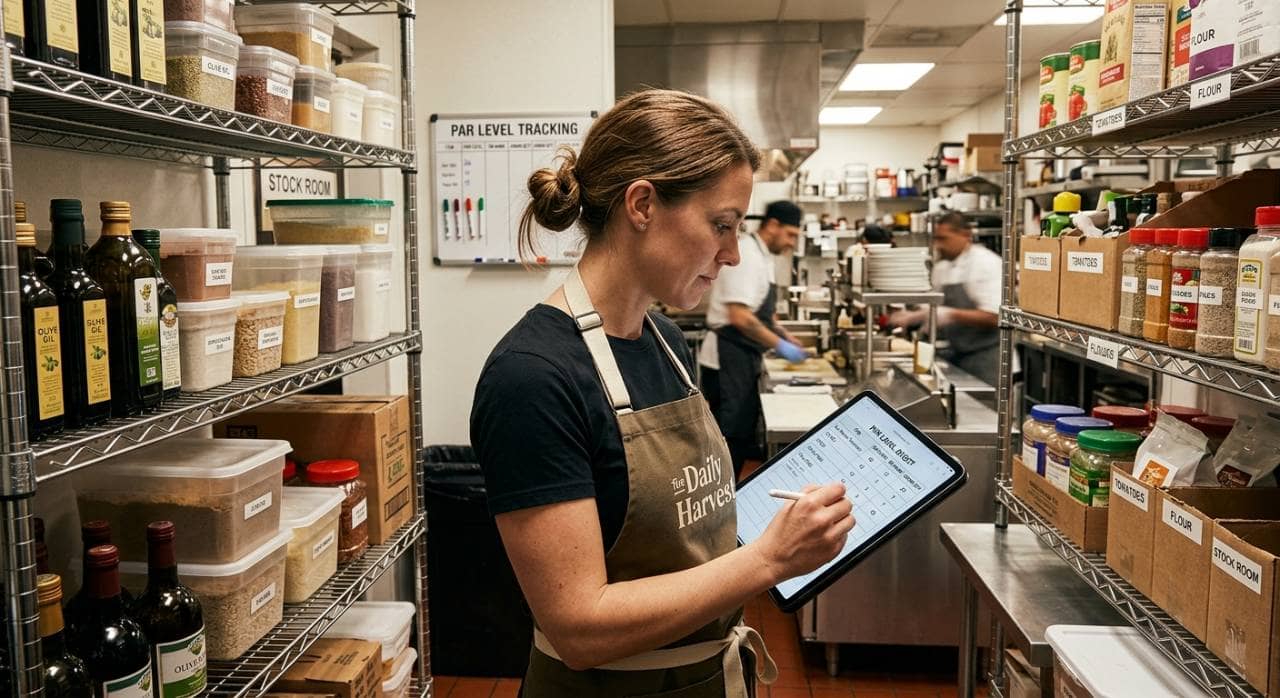
Learn to calculate par levels for restaurant food, beverages, and packaging inventory, preventing stockouts and waste through proper formulas.
Sep 4, 2026
Caribou Coffee appoints Zane Thomas-Rogers as Chief Operations Officer to strengthen execution across its expanding coffeehouse network.
Sep 4, 2026

Unlock Exclusive Access To Webinars, Events, And The Latest News For Free!
A refined look at how Angry Crab Shack builds a franchise engine around memorable dining, expanding from Mesa to London while keeping discipline.

Photo by Sarda Bamberg
In the dining room where steam rises like punctuation, Angry Crab Shack does more than feed; it stages moments that stay with guests long after the last shell crack has sounded. Memorability is not a gimmick but a discipline: a dinner that leaves a memory without the sting of violence, a resonance guests carry into the next visit.
Andy Diamond, the brand’s president, speaks of delivering intensity that lingers, a refined proposition that dances on the palate and on memory. The result is a culinary theatre where experience serves as the entrée, guiding guests toward a lasting impression rather than a fleeting one.
From Mesa to a multi-market footprint, the arithmetic of growth reads as a careful choreography rather than a sprint. Nation's Restaurant News notes that in 2024 the brand posted approximately $60.7 million in sales and expanded to 23 locations, with the current trajectory placing the total at 26 locations across the United States and the United Kingdom as of April 2026. The path from a single restaurant to a scaled concept rests on a persistent emphasis on memorable experiences and disciplined growth, a strategy that has invited both followers and partners into the conversation.
The Angry Crab Shack genesis traces to 2013, in Mesa, Arizona, where Ron Lou, a former NFL player, imagined a concept that fused Asian-Cajun flavors with a boisterous, family-friendly atmosphere. This blend, tender on the palate, loud in its energy, was designed to cut through crowded markets.
Franchising began in 2017, first in Arizona before widening to Georgia, Florida, Alabama, and Texas by late 2019. The brand’s commitments to community, including charitable fundraisers and partnerships with Phoenix Children’s Hospital, helped sculpt a purpose-driven franchise identity.
London’s debut in 2024 signaled international ambition and a disciplined, partner-centric growth model. The company’s leadership has kept growth in check while expanding the footprint, insisting on alignment with operators who share the brand’s values. The narrative of Angry Crab Shack remains anchored in a robust training infrastructure and clearly defined operating standards, designed to protect the guest experience at scale. This approach, a careful balance of hands-on leadership and scalable systems, has become the backbone of its multi-market strategy.
At the heart of the expansion is an operating engine that blends company-owned locations with operating partners who run restaurants under the brand’s system. The architecture rests on balanced leadership, rigorous training, and standardized operations crafted to protect the guest experience as the network grows. In recent years, leadership added roles to bolster field support for business partners, including the appointment of Brian Herskovets as director of franchise operations. The model invites operators to share in the upside while maintaining the discipline that keeps service consistent and memorable.
Diamond has spoken of franchising as requiring substantial human capital alongside capital investments to sustain discipline and consistency. The formula is not merely financial; it is relational, built on training, mentorship, and alignment with a shared vision. Within this framework, the engine gains reliability as more partners join, and the boundary between corporate oversight and local execution becomes a well-tuned instrument.
Franchise momentum is reinforced by voices from the field, where athletes-turned-owners illuminate a practical path to growth. Lincoln Kennedy, a former NFL offensive tackle, now owns two Angry Crab Shack restaurants and has described the franchise opportunity as a way to extend his career. He notes that the brand’s growth stems from a team-centered approach and the value of franchisees who can execute consistently across markets. His retelling, “Let’s do this, let’s take a chance,”, captures the spirit fueling the pipeline from sports to entrepreneurship.
Kennedy’s example points to a broader narrative: the NFL-to-franchise pipeline is a conduit for leadership, networks, and credibility. The brand leans on this energy to attract operators who can translate a shared playbook into consistent performance across markets. It is a reminder that in franchising, talent flourishes when there is a pathway that respects craft, pace, and the memory the brand promises.

From its first Phoenix-area outset to a growing international footprint, Angry Crab Shack charts a deliberate course. Founded in 2013, franchising began in 2017, and the first non-Arizona location, Orange Beach, Alabama, opened in early 2020. By the end of 2024, the company counted 23 locations with international expansion already under way, including London entry in 2024. As of April 2026, NRN reports 26 locations across the United States and United Kingdom, with a long-term aspiration to approach 100 locations by 2030.
Yet the horizon is not without uncertainties. Questions linger about pace, integration of operating partners across diverse markets, and the capacity to sustain quality as the network grows. Industry observers describe an experience-driven differentiator, but the real test will be maintaining guest delight while expanding the footprint. The near-term targets, Seattle, Atlanta, and expanded international opportunities, require disciplined site selection, scalable training, and a defensible unit economics profile. For investors and operators, the narrative is compelling, but it demands vigilance and a steady hand at the helm.
