Inspire Brands CEO Steps Back as IPO Push Enters Critical Phase
Paul Brown temporarily steps away from Inspire Brands as Scott Murphy assumes interim CEO role during confidential IPO filing process targeting late 2026.
News
Sep 10, 2026
Paul Brown temporarily steps away from Inspire Brands as Scott Murphy assumes interim CEO role during confidential IPO filing process targeting late 2026.
Sep 10, 2026
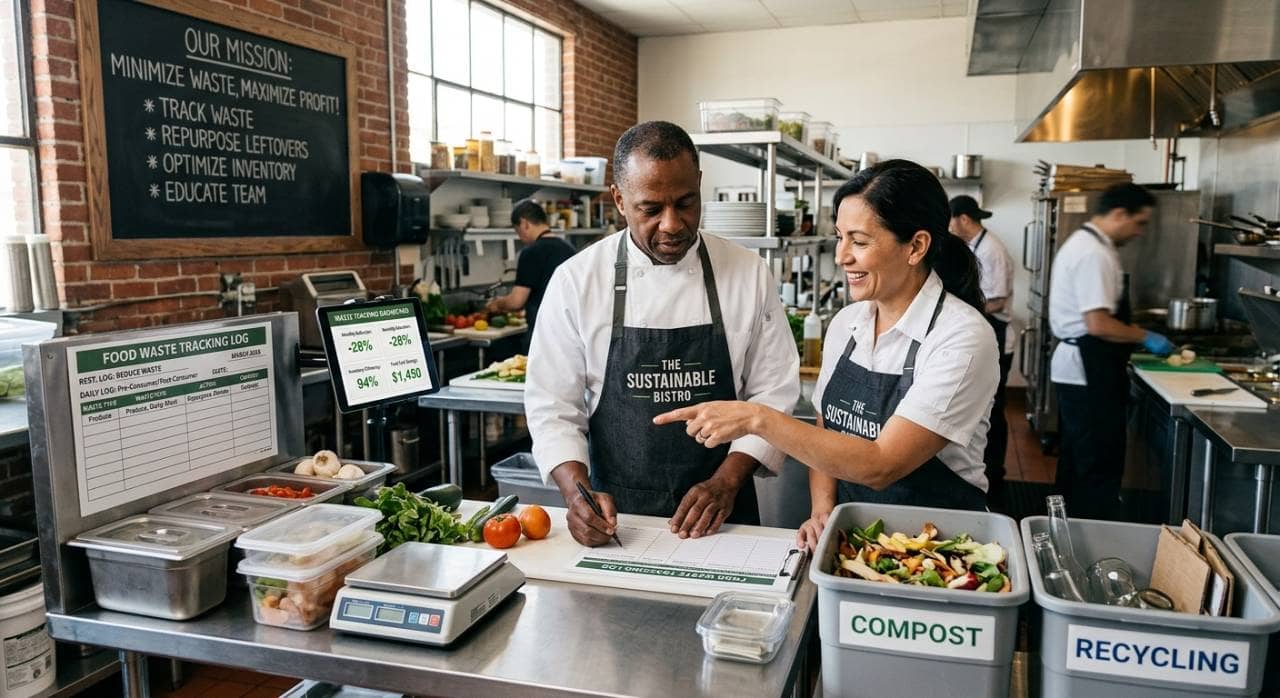
Learn how to reduce food waste in restaurants through smarter purchasing, storage, preparation, and service strategies that cut costs.
Sep 9, 2026
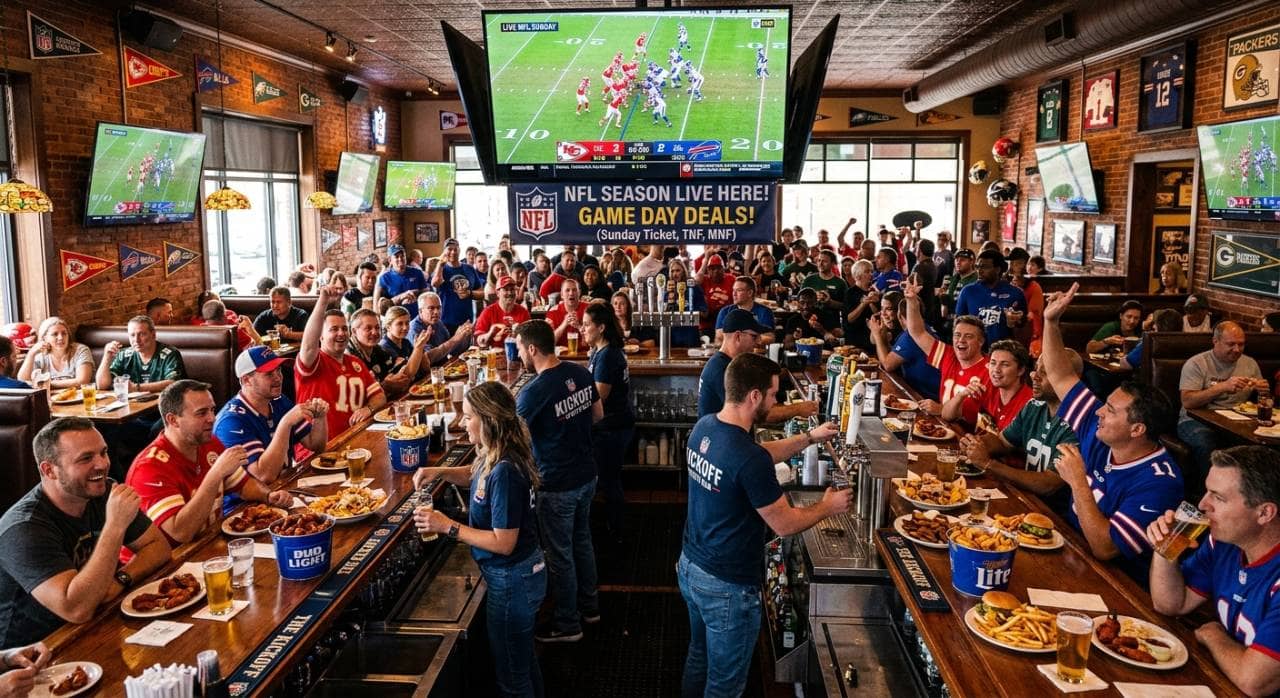
Prepare your restaurant for NFL season with smart menu planning, staffing, marketing, technology, and atmosphere strategies that boost season-long revenue.
Sep 9, 2026
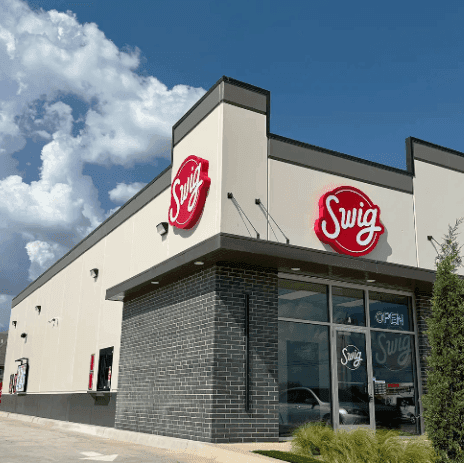
Swig signs franchise agreement for 11 South Denver locations, marking Colorado entry and validating its national expansion strategy.
Sep 8, 2026
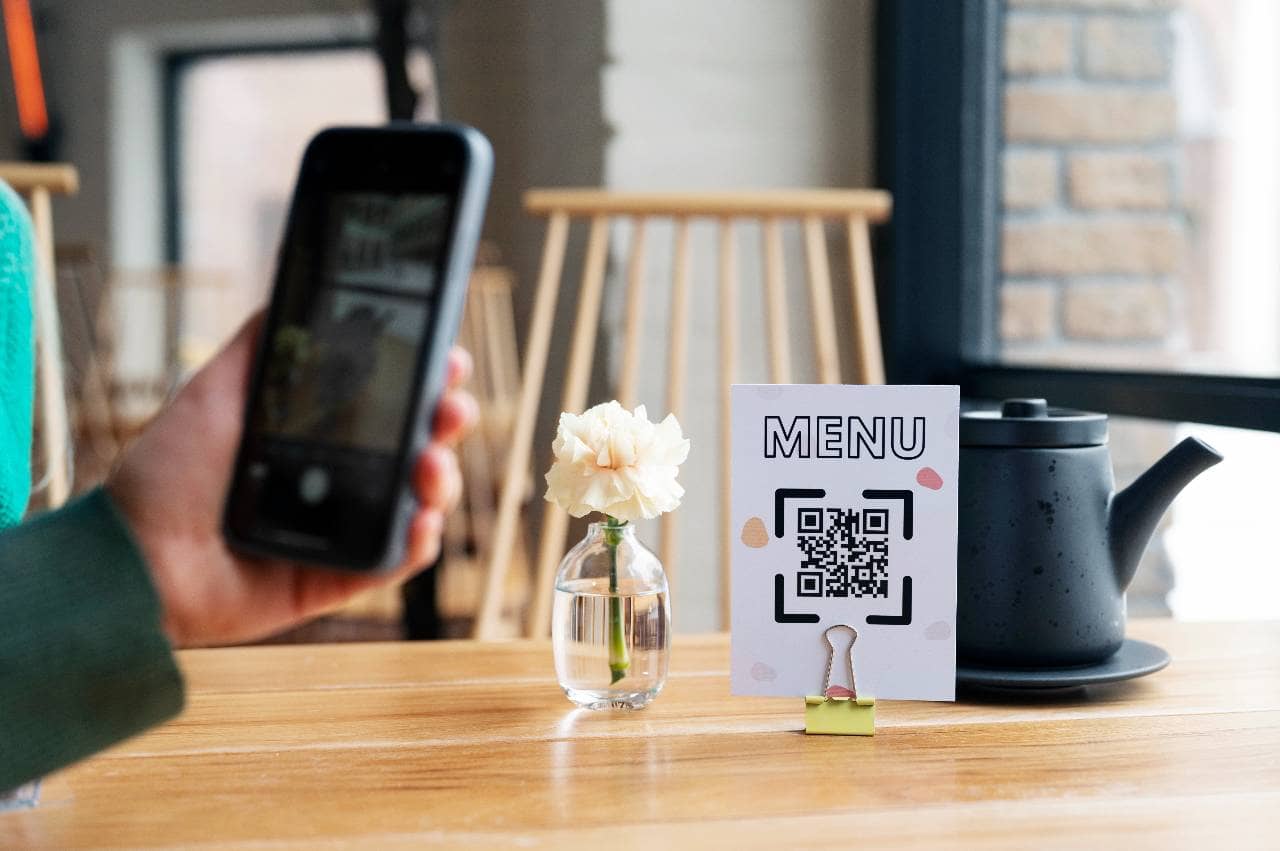
QR code menus let restaurants replace paper menus digitally, enabling instant updates, contactless browsing, ordering, and payment through simple smartphone scanning.
Sep 7, 2026
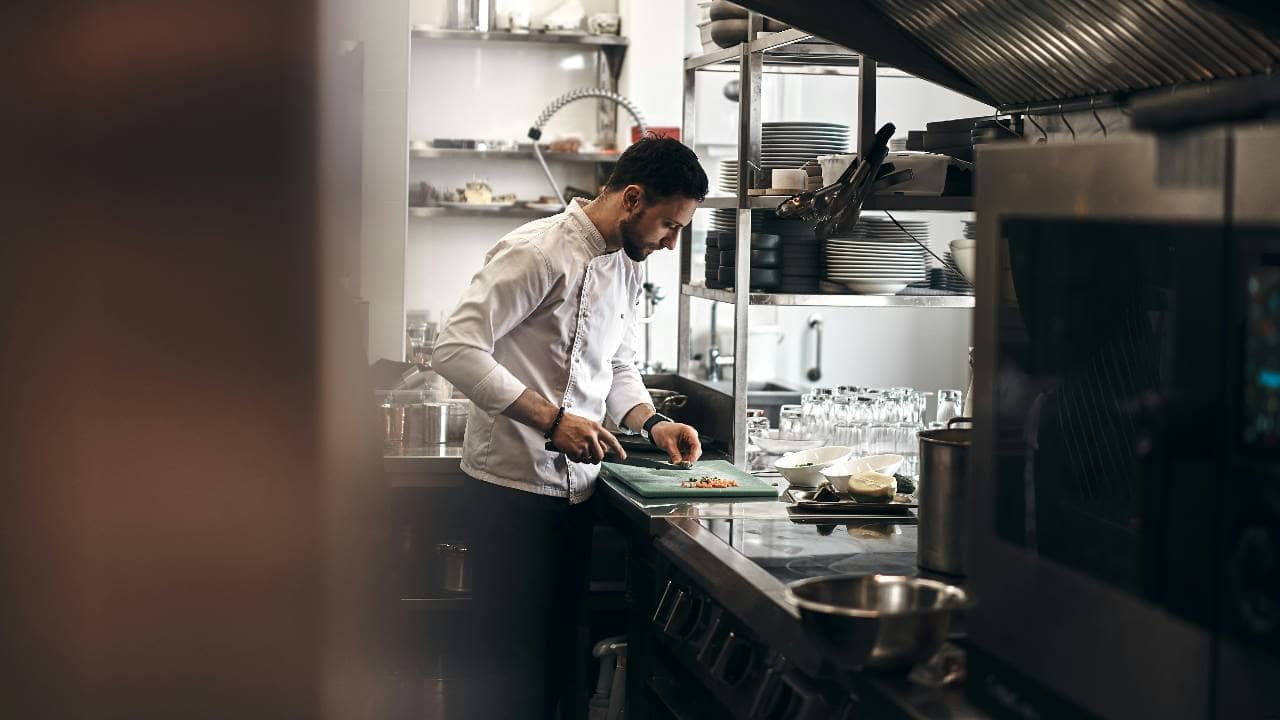
Complete guide helping restaurant owners choose essential kitchen equipment - covering cooking, refrigeration, prep, sanitation, ventilation, safety, and long-term maintenance planning.
Sep 7, 2026

Avoiding common restaurant payroll mistakes - misclassification, tip credit errors, overtime miscalculations - protects businesses from costly penalties, back pay, and compliance risks.
Sep 4, 2026
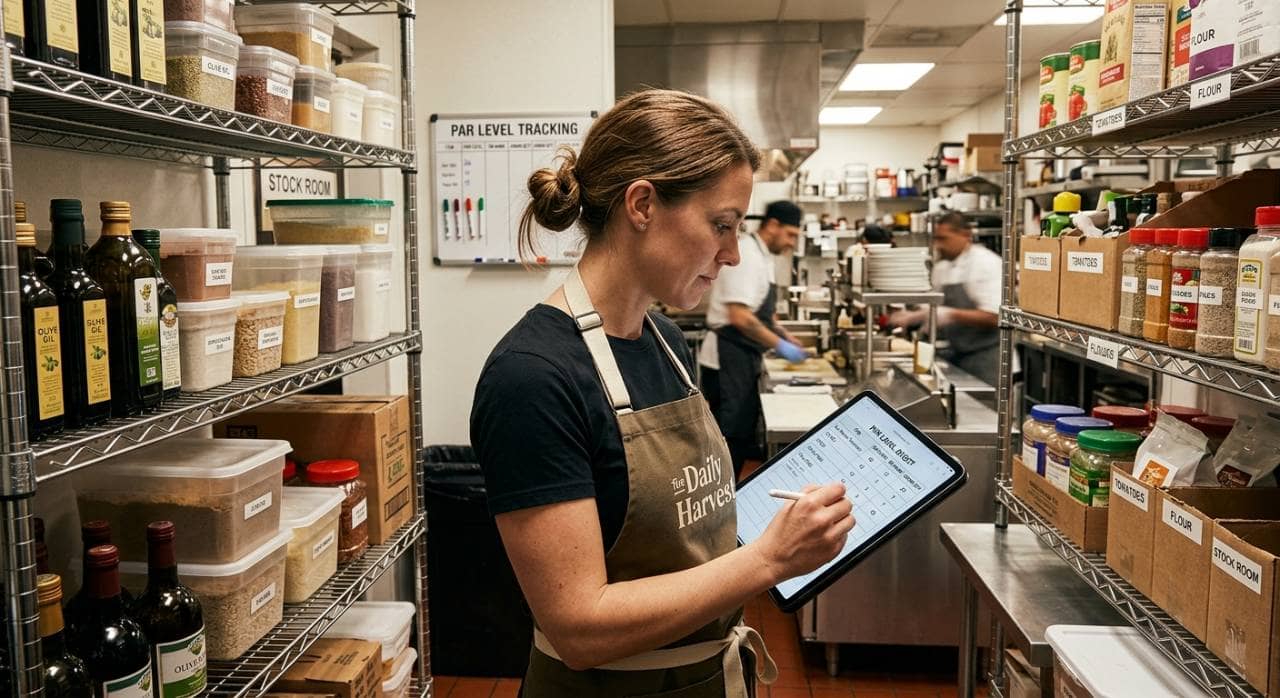
Learn to calculate par levels for restaurant food, beverages, and packaging inventory, preventing stockouts and waste through proper formulas.
Sep 4, 2026
Caribou Coffee appoints Zane Thomas-Rogers as Chief Operations Officer to strengthen execution across its expanding coffeehouse network.
Sep 4, 2026
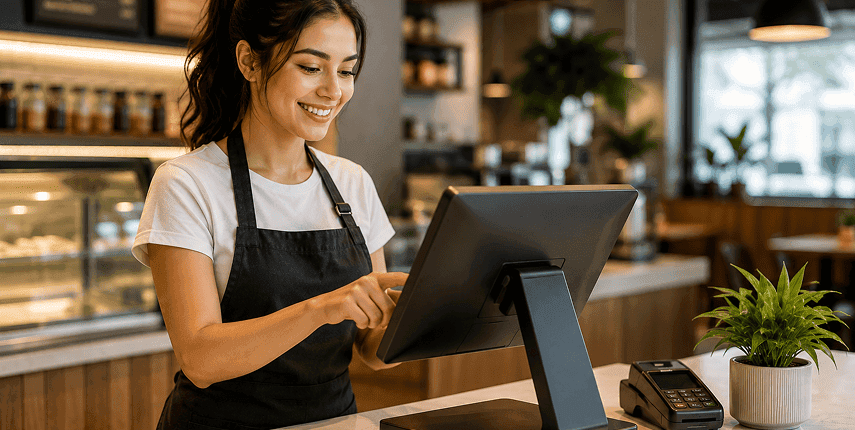
Compare the top 10 restaurant POS systems in the USA for 2026. Explore features, pricing, pros, cons, and the best POS options for every restaurant type.
Jul 1, 2026

Unlock Exclusive Access To Webinars, Events, And The Latest News For Free!
Explores how c-stores win loyalty through trust, segmentation, and timely personalization, backed by Paytronix data.

Photo by Christiann Koepke
Within the soft glow of a neighborhood storefront, loyalty feels less like a program and more like a familiar rhythm. In the convenience channel, a quiet revolution is unfolding: c-stores are pulling ahead in loyalty retention by offering value that feels personal and dependable. Paytronix data shows that even average-performing loyalty programs in the convenience aisle outpace most restaurant programs when it comes to keeping members engaged. This edge rests not on dramatic discounts but on steady, gentle promise, that a shopper will be seen, valued, and welcomed back again and again. It’s a mood as comforting as a favorite coffee, inviting us to look a little closer at how trust becomes traffic.
"It’s very hard to make a one-time sale but it’s very easy to make a recurring sale to people that trust you and go to you." said Jeffry Harrison, co-founder and president of Rovertown. This is the simple, human truth behind numbers: loyalty grows where trust is built day after day. Paytronix data backs the claim, showing consistency and reliability as the primary drivers of repeat visits across the ecosystem. Industry practitioners who design mobile apps for the channel echo that dependable service, predictable rewards, and well-timed messaging turn casual shoppers into regulars, making loyalty feel like a welcoming habit rather than a trickle of promotions.
Conventional wisdom in loyalty strategy is being codified in the numbers: about 76% of c-stores adopt segmentation when tailoring offers and rewards, surpassing their restaurant peers. This targeted approach helps ensure promotions reach the right audience, enhancing both perceived and actual value of each offer. Yet relevance remains a live challenge: 44% of consumers feel the offers they receive are relevant, signaling an unmet need for personalization. The importance of relevance is amplified by the finding that 83% of consumers are open to personalized messages and almost half are ready to switch brands for more pertinent offers. Still, AI filters are used in campaigns by only about 6% of operators, a gap with sizable upside for those who lean into data-driven nudges.
This gap is not a verdict but an invitation. Invest in data-driven nudges and automated tailoring, and you can lift both engagement and value without raising prices. The numbers sketch a clear path: reach the right people with the right messages, and offers feel less like tactics and more like a thoughtful conversation that recognizes shopping as a moment of ease rather than a hurdle to clear.
Voices from the Field remind us that theory needs hands-on proof. Paytronix-backed analytics span more than 1,800 retailers and 35,000 stores, a scale where segmentation principles are tested and refined. Break Time, a multi-unit concept cited in industry summaries, has leveraged tiered loyalty strategies and targeted email communication to sustain engagement among top-tier customers, illustrating how a well-structured program translates into predictable foot traffic. These anecdotes, rooted in broad data, show segmentation and timely messaging delivering measurable benefits for c-stores.
Break Time’s approach, tiered rewards and selective emails, keeps top customers returning and buys more frequently. In the wider landscape, the examples echo a common truth: well-timed, well-targeted messages multiply the value of every interaction, turning data into daily habit rather than distant strategy. Grounded in Paytronix analytics, these stories become a practical handbook for operators seeking steadier foot traffic and more predictable revenue.

Regulars as Revenue: The Bottom Line presents a clear picture. For c-stores that rank above the industry midpoint in loyalty transactions, member spending averages about $13 in-store and nearly $40 at the pump with each visit. These engaged members return frequently, on average, more than six times in the month prior to the survey. This contrasts with QSRs, where loyalty members visited about 2.5 times in the same window. The pattern points to a steadier revenue stream and less volatility from one-off purchases, even as online ordering grows to roughly 27% of orders in 2023.
Online ordering isn’t a side note; it’s part of the broader shift toward integrated, digitally enabled loyalty experiences. As customers expect seamless earning and redeeming across channels, operators gain a steadier, more predictable revenue base. The takeaway for leaders is not to chase bells and whistles but to design loyalty that fits naturally into everyday shopping, so trust becomes traffic, and every visit feels like coming home.

Broader Industry Context for Loyalty points toward a future where loyalty is a cross-channel discipline. Looking ahead, the 2025 Paytronix Loyalty Report reinforces momentum behind loyalty as an AI-enabled practice, with emphasis on omnichannel campaigns and practical playbooks aimed at lifting 90-day active rates and driving repeat orders. The report frames loyalty as a competitive necessity for both restaurant concepts and c-stores, with evolving expectations around personalization, data insights, and seamless digital interactions. As Paytronix data continues to accumulate, observers expect more brands to connect loyalty with ordering, payments, and mobile apps to deliver consistent, contextually relevant value.
These trends reflect a broader shift toward data-driven, customer-centric loyalty ecosystems across the food-and-grocery landscape. When programs weave together ordering, payment, and mobile experiences, loyalty becomes less a separate initiative and more a seamless part of everyday decision-making, a gentle, constant presence in a shopper’s routine.
Gaps, Uncertainties, and Opportunities sit side by side with advantages. Acquisition of new loyalty members lags behind retention gains, a pattern that gives c-stores an edge in loyalty efficiency but signals ongoing competition for new-market share. The underutilization of AI-powered personalization, now less than 6% of campaigns, suggests a sizable opportunity to deepen relevance without sacrificing operational efficiency. Data quality and timeliness behind segmentation remain critical to translating effort into sustained results.
The alignment challenge lies in weaving loyalty with ordering, curbside pickup, and other convenience-enabled channels. When strategies lag behind the real-world flow of customers, who orders, when they pick up, and how they want to be reached, the retention edge can fade. The opportunity is practical: connect the dots among data, channels, and moments of need so that loyalty delivers context, not confusion.

Implications for Operators are both clear and hopeful: invest in data-driven segmentation, test personalized messaging at scale, and tie loyalty rewards to seamless ordering and pickup experiences. The Paytronix findings imply that relevance fuels engagement, and that even small improvements in personalization can unlock meaningful increases in frequency and basket size. As AI adoption remains modest today, brands that pilot AI-assisted segmentation and real-time offers stand to gain a competitive edge, provided they balance sophistication with privacy and user trust.
In short, loyalty programs that consistently deliver meaningful, timely value will be the differentiator as c-stores compete not just on price, but on trusted relationships and convenient, personalized experiences. The quieter, kinder rhythm of a well-crafted program becomes the background music of everyday shopping, inviting customers to linger and return with ease.
