Pei Wei Wins Best Fast-Casual Chain Award
Pei Wei Asian Kitchen named Best Fast-Casual Chain in Reviewed 2026 Awards, reflecting shift from price competition to quality and transparency.
News
Sep 11, 2026
Pei Wei Asian Kitchen named Best Fast-Casual Chain in Reviewed 2026 Awards, reflecting shift from price competition to quality and transparency.
Sep 11, 2026

O'Charley's shuttered all corporate restaurants nationwide on September 9, 2026, ending its 55-year legacy as a casual-dining regional powerhouse.
Sep 11, 2026
Authentic Restaurant Brands lands $325M investment from Trimontium to fuel disciplined regional expansion across five established restaurant concepts.
Sep 11, 2026

Walmart expands restaurant delivery beyond Subway and Dunkin', taking on DoorDash, Uber Eats, and Grubhub with Papa Johns nationwide rollout.
Sep 11, 2026

Complete NFL season restaurant checklist covering licensing, AV setup, menu prep, inventory, staffing, and marketing before kickoff arrives.
Sep 11, 2026

California shifts to public enforcement strategy against Dickey's for deceptive franchise disclosures, signaling stricter state-level franchise oversight.
Sep 10, 2026
Paul Brown temporarily steps away from Inspire Brands as Scott Murphy assumes interim CEO role during confidential IPO filing process targeting late 2026.
Sep 10, 2026
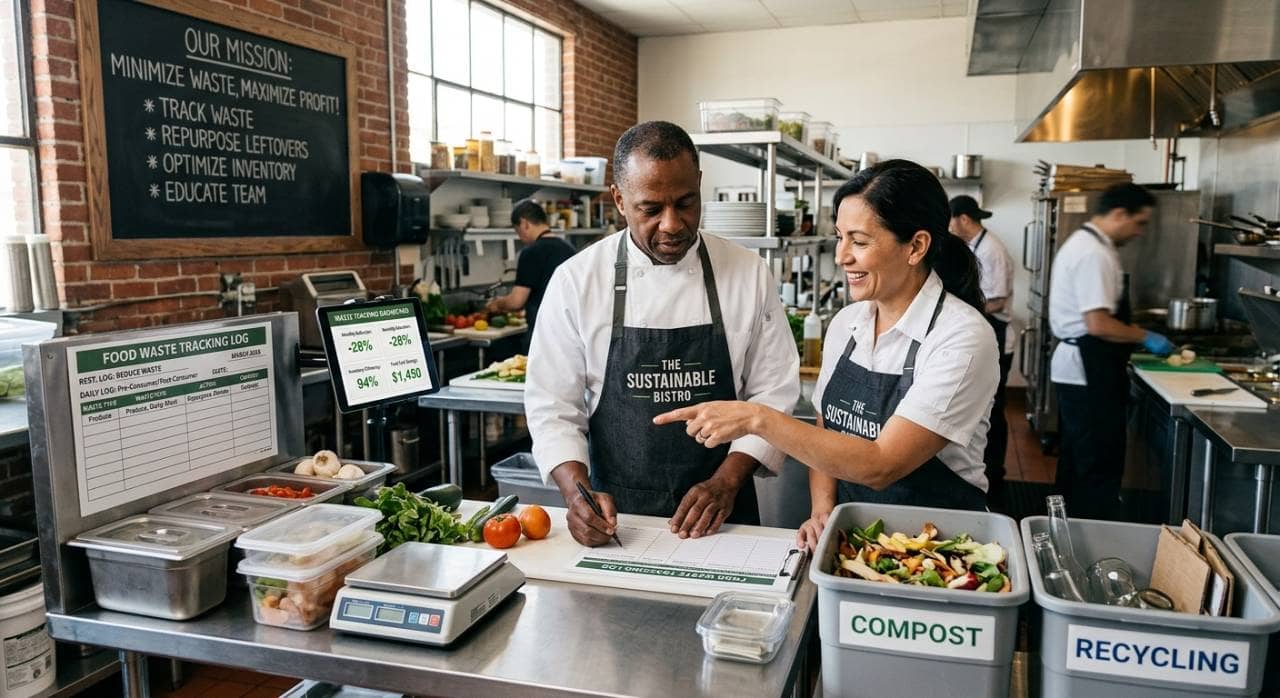
Learn how to reduce food waste in restaurants through smarter purchasing, storage, preparation, and service strategies that cut costs.
Sep 9, 2026
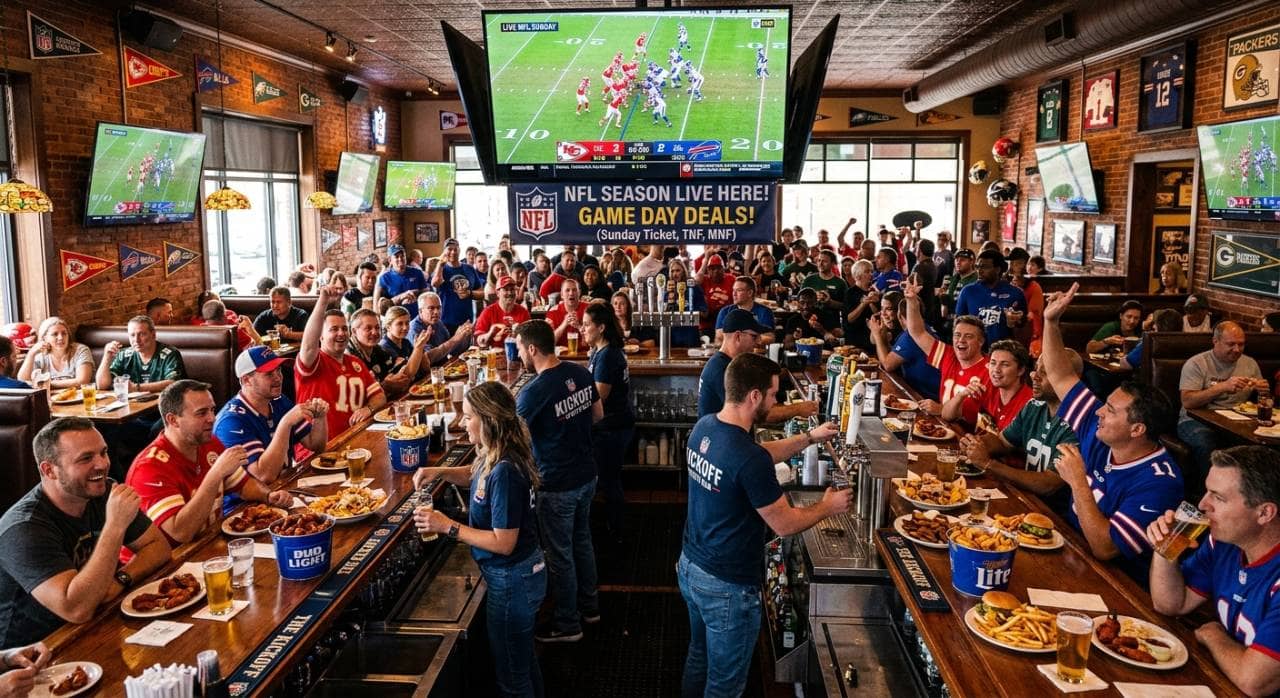
Prepare your restaurant for NFL season with smart menu planning, staffing, marketing, technology, and atmosphere strategies that boost season-long revenue.
Sep 9, 2026
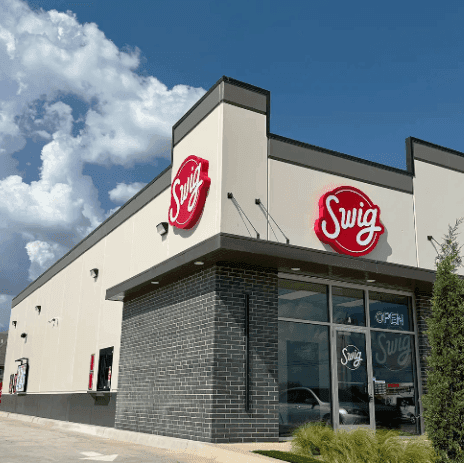
Swig signs franchise agreement for 11 South Denver locations, marking Colorado entry and validating its national expansion strategy.
Sep 8, 2026

Unlock Exclusive Access To Webinars, Events, And The Latest News For Free!
Explore how leading restaurant brands like McDonald’s, Wingstop, and Chipotle appeal to Gen Z consumers through innovative marketing strategies and brand engagement.

Photo by Erik Mclean

Photo by Erik Mclean
Gen Z consumers are known for their lack of brand loyalty, which presents both a challenge and an opportunity for restaurant brands. While this demographic is not devoted to specific brands, they still engage with various establishments. The recent report on the most magnetic brands for Gen Z sheds light on the preferences of this influential consumer group. With Gen Z projected to hold significant spending power by 2030, understanding their behavior and catering to their preferences is crucial for restaurant success.

Photo by Erik Mclean
McDonald's continues to resonate with Gen Z consumers by tapping into popular culture through strategic collaborations and innovative marketing campaigns. By engaging with well-known brands like Genshin Impact and Crocs, McDonald's stays relevant and appealing to younger audiences. The chain's ability to create viral challenges, such as the Grimace Shake on TikTok, showcases its understanding of digital trends and consumer engagement.
Wingstop's rise in the Gen Z rankings is a result of its adaptation to younger consumers' preferences and digital habits. The introduction of chicken sandwiches, a popular choice for mobility and convenience, has significantly boosted Wingstop's appeal among the demographic. Emphasizing digital channels and strategic partnerships, such as the NBA collaboration, has further enhanced the brand's visibility and attracted new customers.
Photo by Erik Mclean
Raising Cane’s success in appealing to Gen Z lies in its straightforward menu and strategic expansion efforts. By focusing on a popular item like chicken tenders and expanding into iconic locations, Raising Cane’s has captured the attention of younger consumers. Collaborations with celebrities like Post Malone and Snoop Dogg have also helped elevate the brand's recognition and appeal.
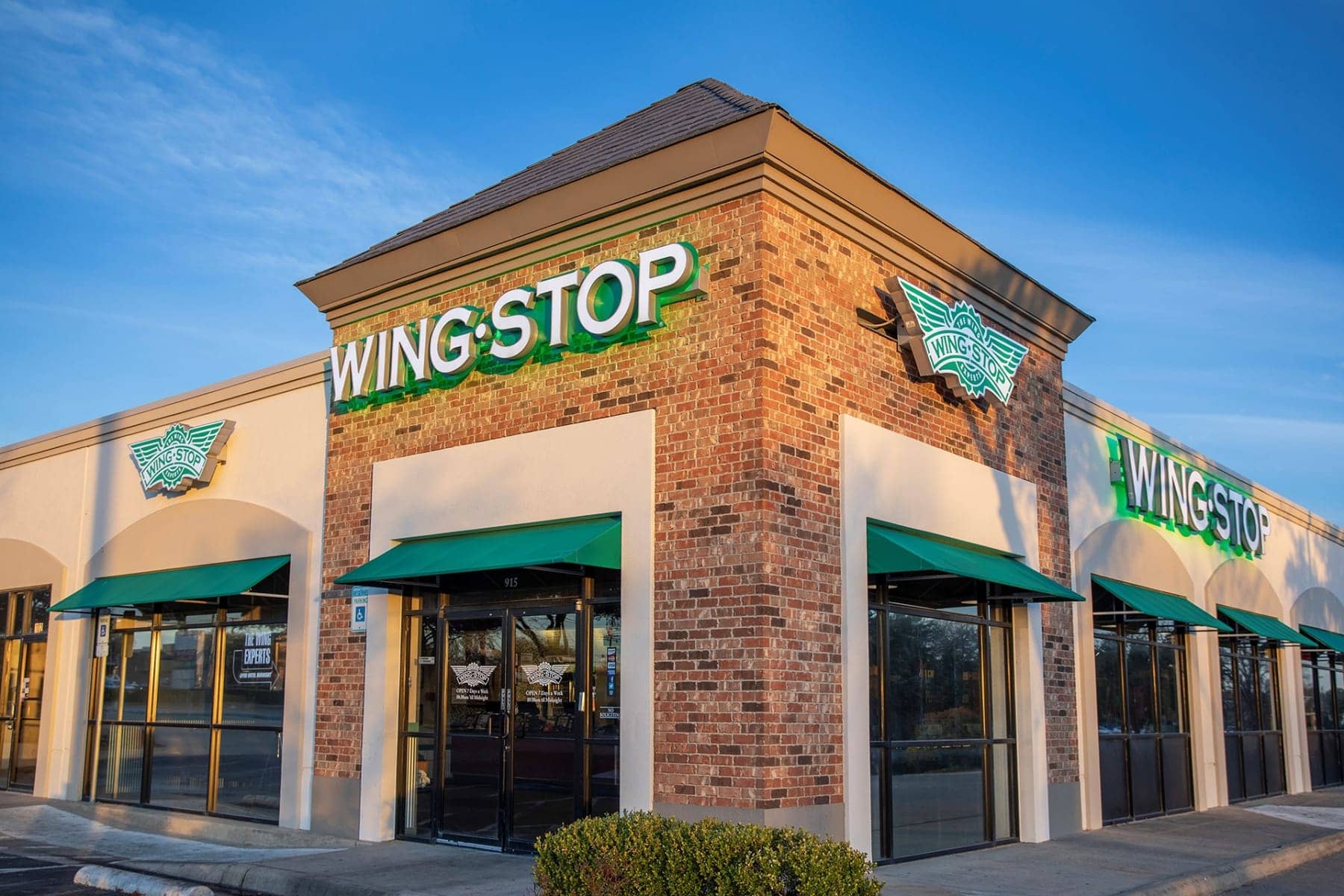
Photo by Erik Mclean
The emergence of Wingstop and Raising Cane’s in the Gen Z magnetism report highlights the growing competition within the chicken category for this demographic. As Gen Z accelerates chicken consumption trends, other brands like McDonald’s and Taco Bell are adjusting their menu offerings to prioritize chicken options. Chicken-centric brands align well with social gatherings, making them ideal choices for communal eating occasions among Gen Z consumers.

Photo by Erik Mclean
Chipotle's rise in the Gen Z rankings can be attributed to its strategic investments in gaming partnerships, social media collaborations, and promotional events. By engaging with influencers and leveraging popular trends like fantasy football, Chipotle maintains a strong connection with younger consumers. The brand's innovation in menu offerings, such as the Smoked Brisket comeback, demonstrates its ability to stay relevant and appealing to Gen Z.
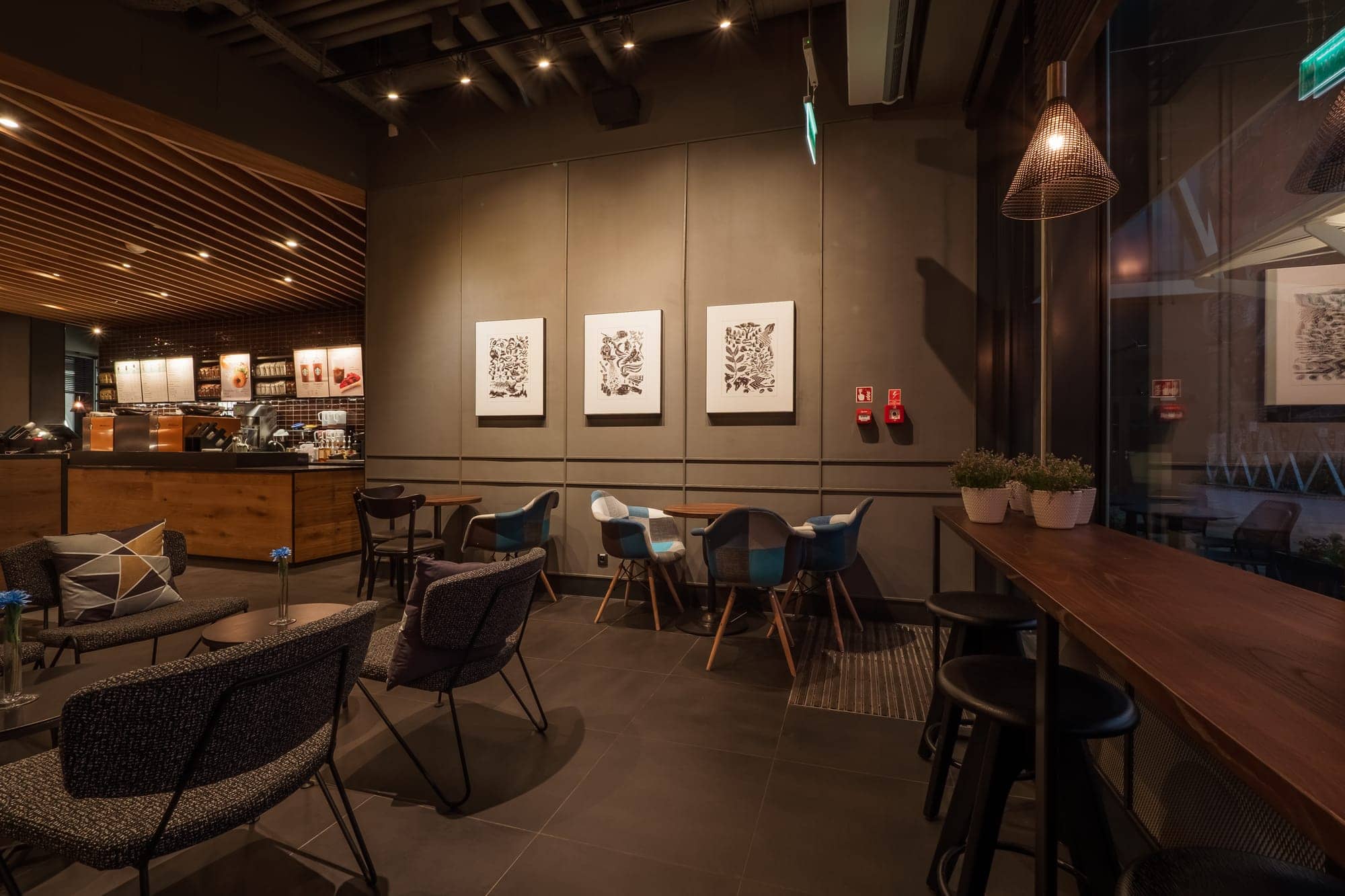
Photo by Erik Mclean
Starbucks' decline in the Gen Z rankings reflects the challenges faced by the brand in engaging younger consumers. To address this, Starbucks is focusing on revamping its marketing approach and simplifying its offerings to emphasize the overall brand experience. By repositioning itself as a welcoming coffeehouse environment, Starbucks aims to regain the favor of Gen Z customers and overcome recent sales obstacles.
The importance of user-generated content (UGC) in influencing Gen Z cannot be understated. Brands that resonate with this demographic prioritize authentic and genuine content over traditional influencer posts. By analyzing UGC themes and leveraging platforms like TikTok, brands can enhance their magnetism and appeal to Gen Z consumers effectively.
As Gen Z continues to shape consumer trends and spending habits, restaurant brands must adapt their strategies to resonate with this influential demographic. Utilizing digital channels, cultivating authentic brand experiences, and prioritizing simplicity and convenience in offerings are key factors for success. By understanding Gen Z preferences and behaviors, restaurant brands can position themselves as magnetic choices for this growing consumer segment.