California Penalizes Dickey's for Franchise Disclosure Violations
California shifts to public enforcement strategy against Dickey's for deceptive franchise disclosures, signaling stricter state-level franchise oversight.
Franchising
Sep 10, 2026
California shifts to public enforcement strategy against Dickey's for deceptive franchise disclosures, signaling stricter state-level franchise oversight.
Sep 10, 2026
Paul Brown temporarily steps away from Inspire Brands as Scott Murphy assumes interim CEO role during confidential IPO filing process targeting late 2026.
Sep 10, 2026
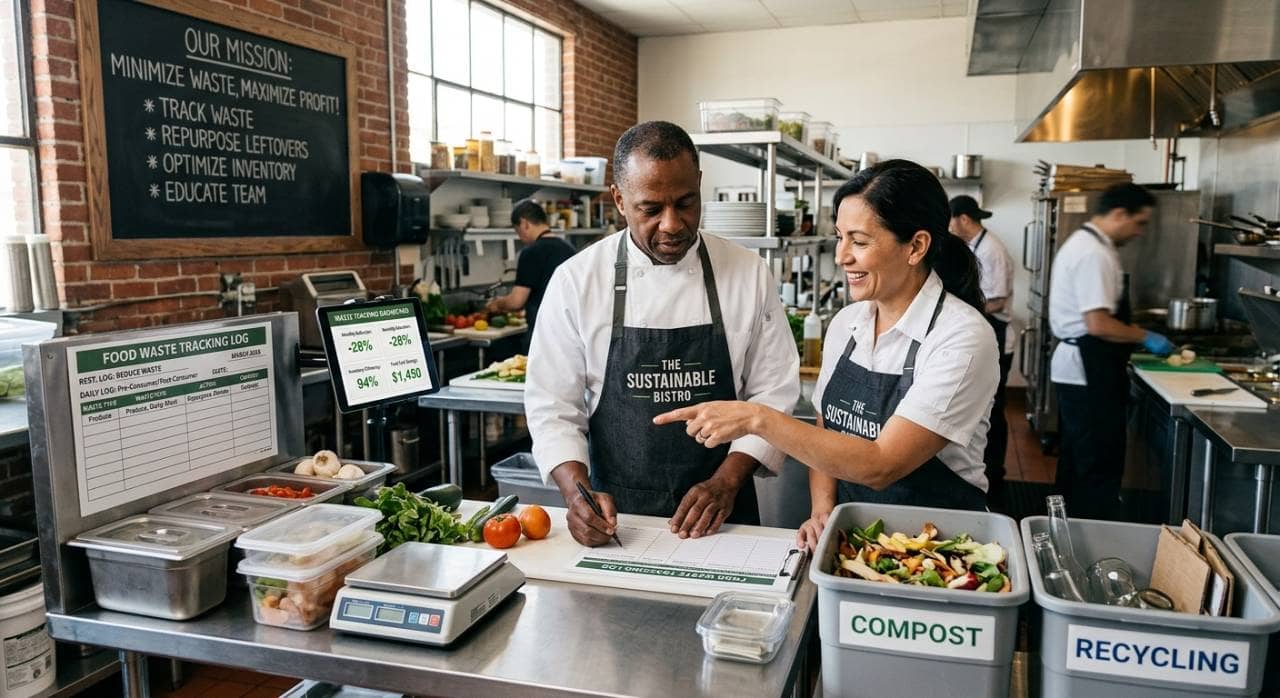
Learn how to reduce food waste in restaurants through smarter purchasing, storage, preparation, and service strategies that cut costs.
Sep 9, 2026
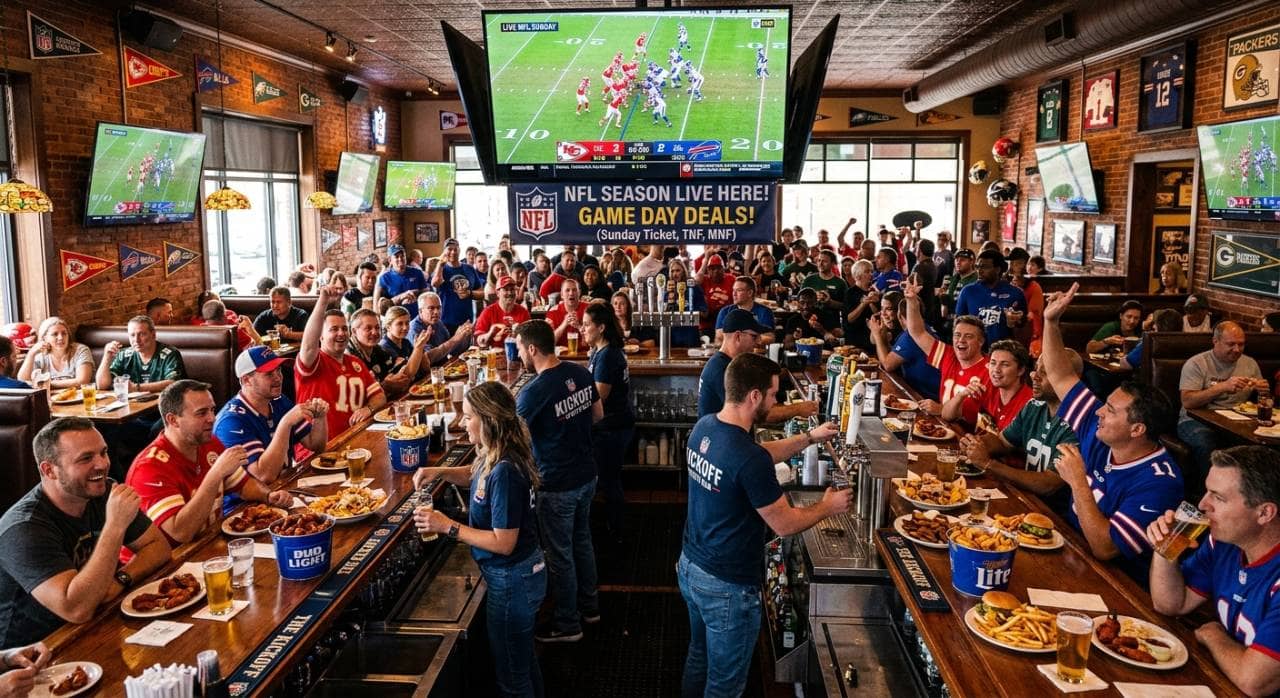
Prepare your restaurant for NFL season with smart menu planning, staffing, marketing, technology, and atmosphere strategies that boost season-long revenue.
Sep 9, 2026
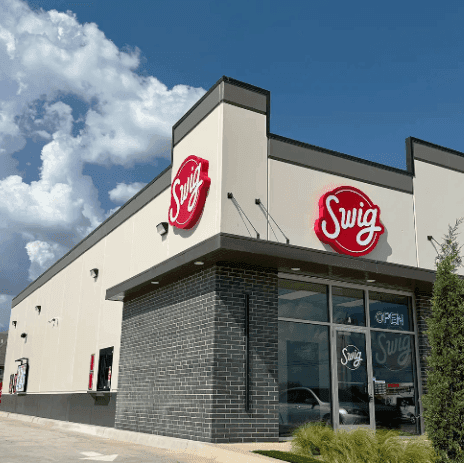
Swig signs franchise agreement for 11 South Denver locations, marking Colorado entry and validating its national expansion strategy.
Sep 8, 2026

Complete guide helping restaurant owners choose essential kitchen equipment - covering cooking, refrigeration, prep, sanitation, ventilation, safety, and long-term maintenance planning.
Sep 7, 2026
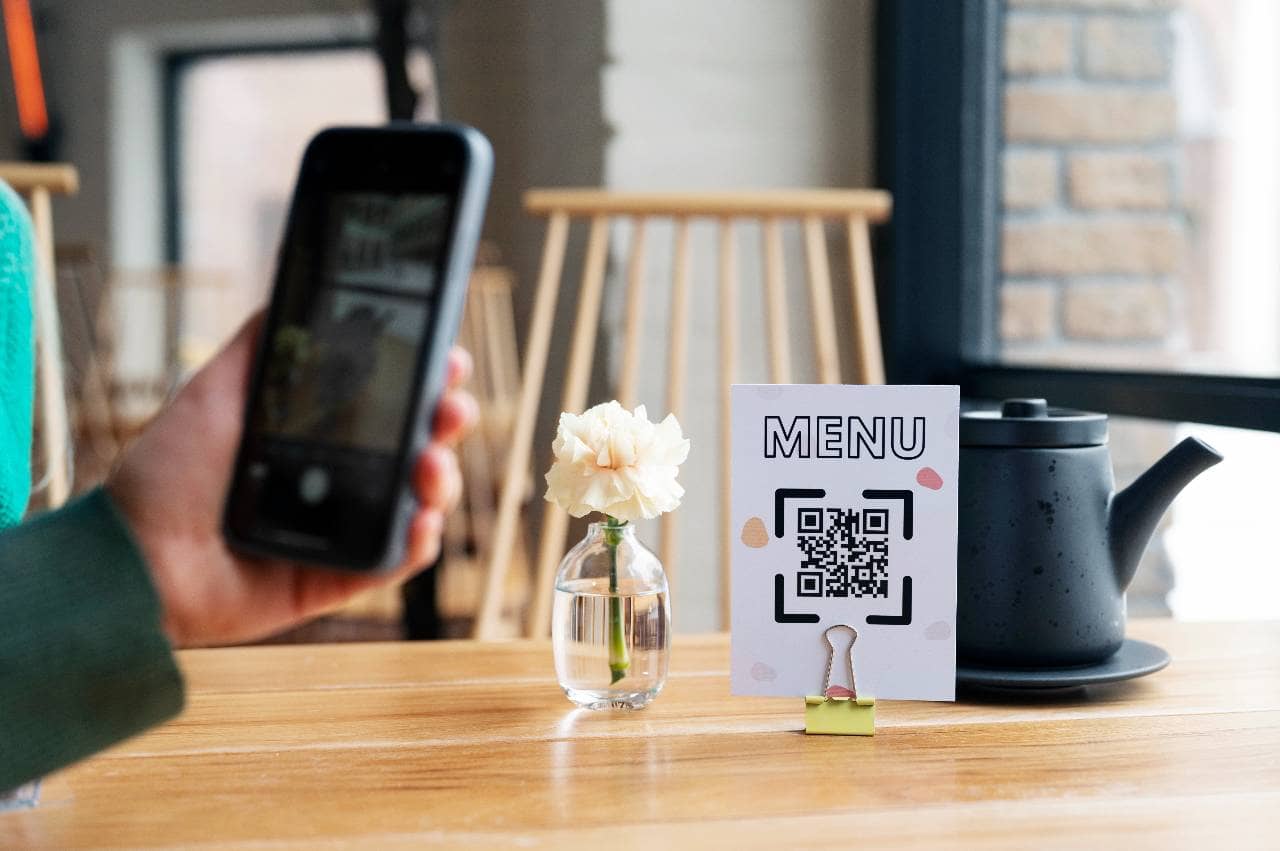
QR code menus let restaurants replace paper menus digitally, enabling instant updates, contactless browsing, ordering, and payment through simple smartphone scanning.
Sep 7, 2026

Avoiding common restaurant payroll mistakes - misclassification, tip credit errors, overtime miscalculations - protects businesses from costly penalties, back pay, and compliance risks.
Sep 4, 2026
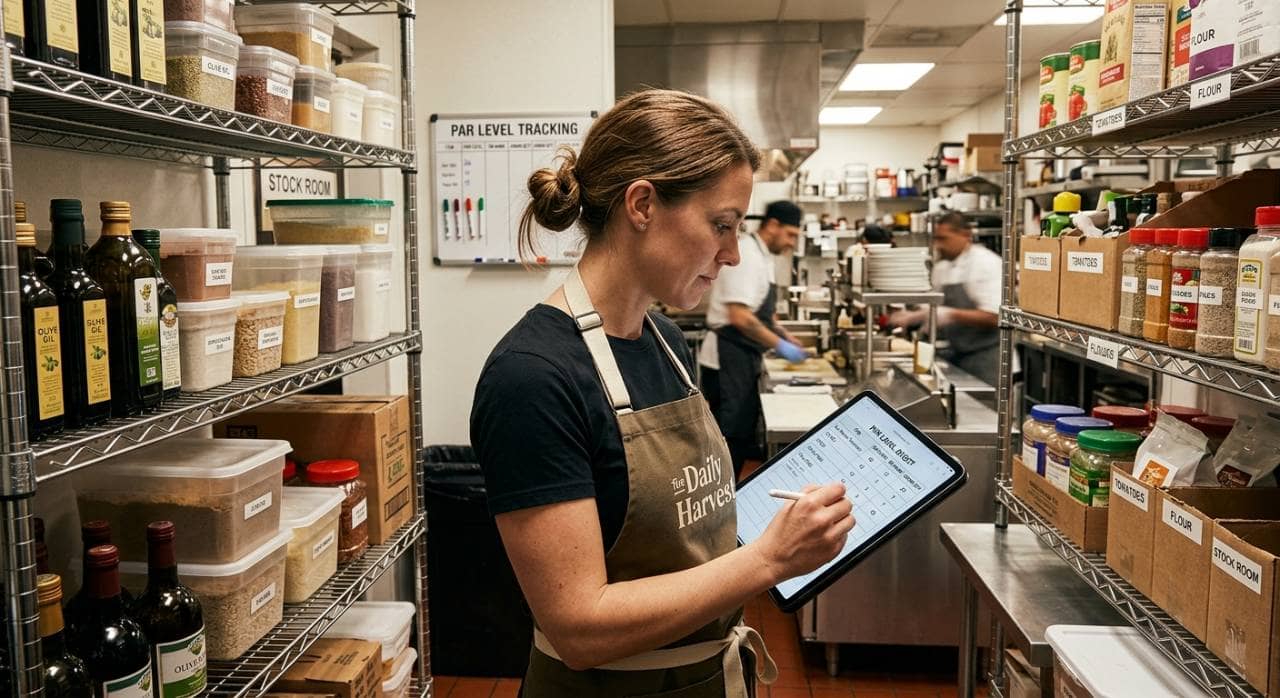
Learn to calculate par levels for restaurant food, beverages, and packaging inventory, preventing stockouts and waste through proper formulas.
Sep 4, 2026
Caribou Coffee appoints Zane Thomas-Rogers as Chief Operations Officer to strengthen execution across its expanding coffeehouse network.
Sep 4, 2026

Unlock Exclusive Access To Webinars, Events, And The Latest News For Free!
A wave of Chapter 11 cases—EYM Pizza L.P., One Table, and Red Lobster—redefines vendor ties, franchising terms, and competition in mid-market casual dining.
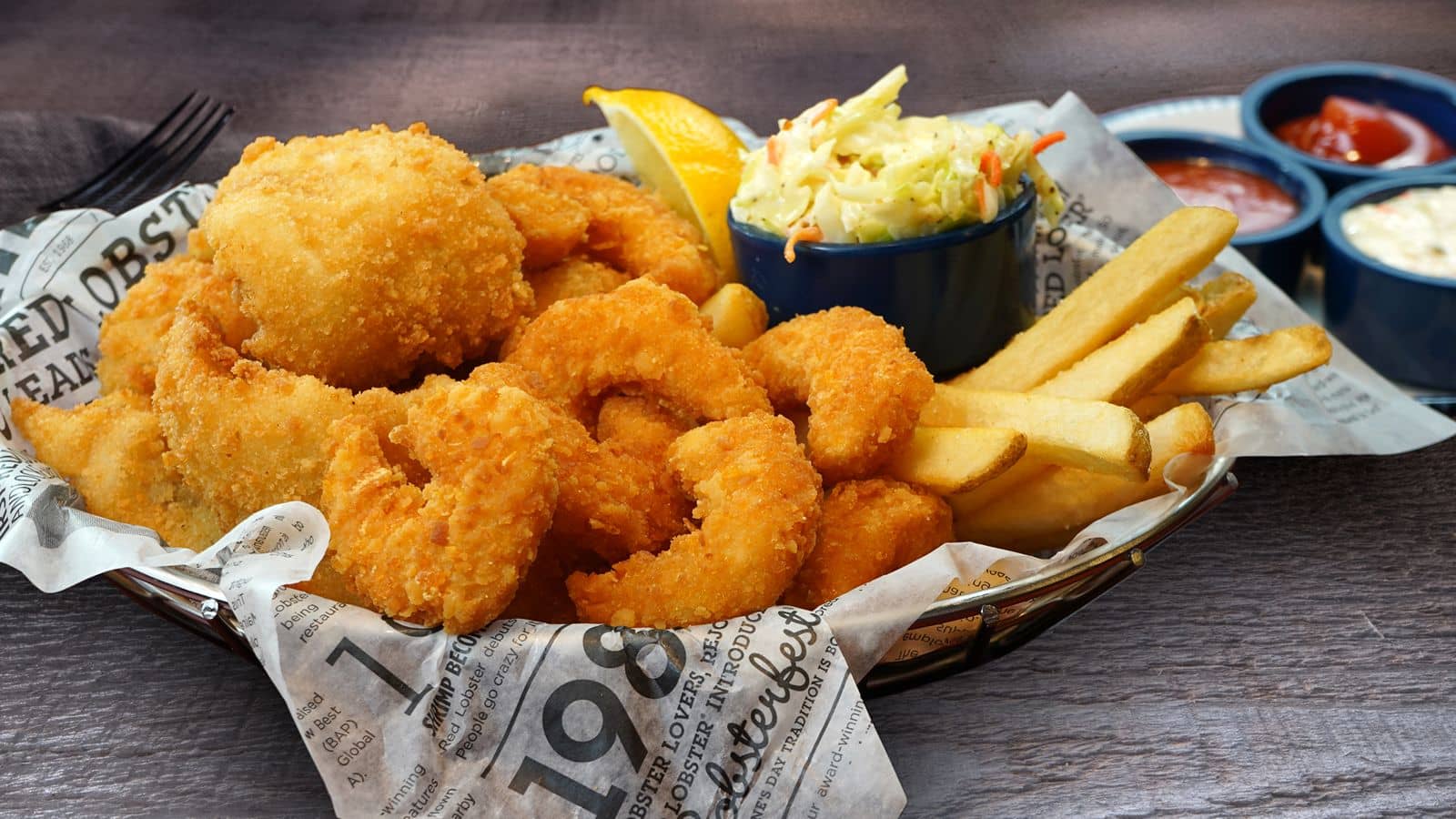
On a quiet morning, the dining room of the industry feels lit, listening for the next note in a familiar tune. A wave sits at the threshold of a table: EYM Pizza L.P., the Pizza Hut franchisee, has filed for Chapter 11 in the Eastern District of Texas, pulling Wisconsin and Indiana affiliates into its orbit. The mood is less panic than a gentle rearrangement of chairs and menus, a reminder that change can invite resilience. Across the coast, One Table Restaurant Brands LLC, the Los Angeles–based parent of Tender Greens and Tocaya Modern Mexican, has also stepped into Chapter 11. These names are more than labels; they’re places where guests gather, and where a season’s shift begins to shape tomorrow’s table:
These shifts aren’t merely numbers; they’re meals being rewritten. Debts, plans, and vendor terms will set the table for what the brands become, not merely what they were. The quiet conversations in board rooms may decide which doors stay open and which doors open anew.
From the filings, the debt reads like a map. Manufacturers Bank is owed more than $21 million by EYM Pizza L.P., while the company carries a franchise royalty claim from Pizza Hut itself totaling just under $2.25 million. In contrast, One Table Restaurant Brands LLC carries a debt load broadly cited at $10 million to $50 million against assets under $50,000, a pairing that invites liquidation or restructuring as a path to value. On the horizon, Red Lobster has been navigating its own restructuring since May, with Fortress Investment Group and its affiliate among principal creditors and potential acquirers in the wings. The stories are different in tone, yet they share the same kitchen: the art of reorganization with a careful palate for timing and relationships.
These shifts aren’t merely numbers; they’re meals being rewritten. Debts, plans, and vendor terms will set the table for what the brands become, not merely what they were. The quiet conversations in board rooms may decide which doors stay open and which doors open anew.
The landscape is a study in contrasts: California‑heavy footprints for Tender Greens and Tocaya bring regional resilience concerns, while the very idea of a 363 sale hints at how lenders want to reclaim value through disciplined asset dispositions. The context remains crowded by post‑pandemic margin pressure, rising labor costs, and ongoing supply‑chain volatility, all shaping what a recovery could look like for mid‑sized concepts.
Analysts emphasize that One Table’s path may hinge on a court‑supervised sale that preserves brand value while enabling liquidation or reconstruction. Industry reports note that a Breakwater Management affiliate emerged as a potential buyer through a 363‑sale framework, a sign of lenders aiming to recapture value through strategic asset dispositions. The backdrop remains steep: post‑pandemic margin pressure, higher labor costs, and ongoing supply‑chain volatility; together, these pressures frame how a mid‑sized operator can reemerge or reconfigure for a different market.