RaceTrac Names Jill Pemberton as New CFO
RaceTrac has appointed Jill Pemberton as chief financial officer, succeeding Karla Ahlert, who moves into the newly created role of chief administrative officer.
News
Aug 26, 2026
RaceTrac has appointed Jill Pemberton as chief financial officer, succeeding Karla Ahlert, who moves into the newly created role of chief administrative officer.
Aug 26, 2026

Learn practical ways to reduce labour costs through smarter scheduling, forecasting, productivity, cross-training, automation, overtime control, and performance monitoring strategies.
Aug 26, 2026

A restaurant P&L statement reveals sales, expenses, and profits, helping owners manage costs, improve margins, and plan finances more effectively.
Aug 26, 2026

A payroll advance policy helps restaurant owners define eligibility, limits, repayment, documentation, approval procedures, and compliance requirements for employee advances.
Aug 24, 2026
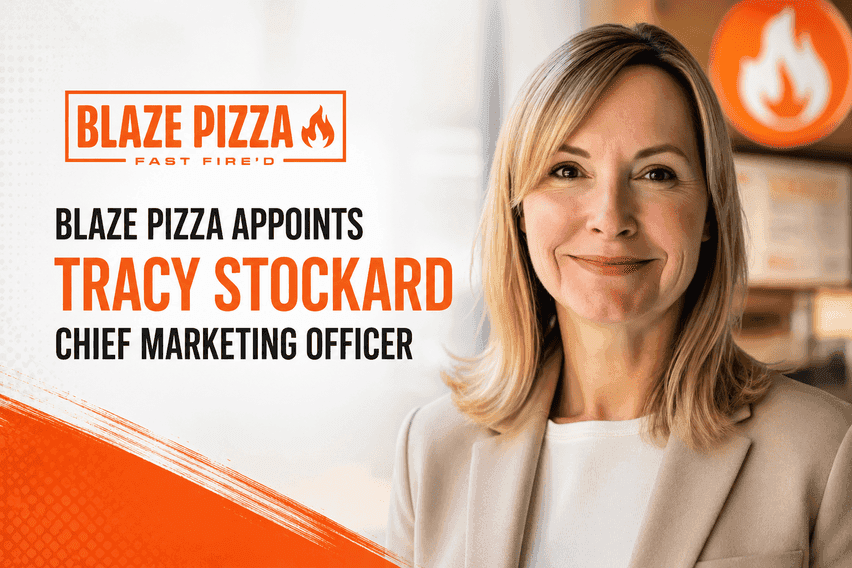
Blaze Pizza welcomes Tracy Stockard as Chief Marketing Officer, bringing decades of brand and franchise experience to drive strategic growth and guest engagement.
Aug 25, 2026

Levain Bakery appoints Lorna Sommerville and Taya Stenson as co-CEOs, blending operational and marketing expertise to power national expansion and innovation while staying rooted in its brand values.
Aug 25, 2026

Create a practical restaurant marketing plan by setting goals, targeting customers, choosing channels, budgeting wisely, scheduling campaigns, and measuring results.
Aug 24, 2026
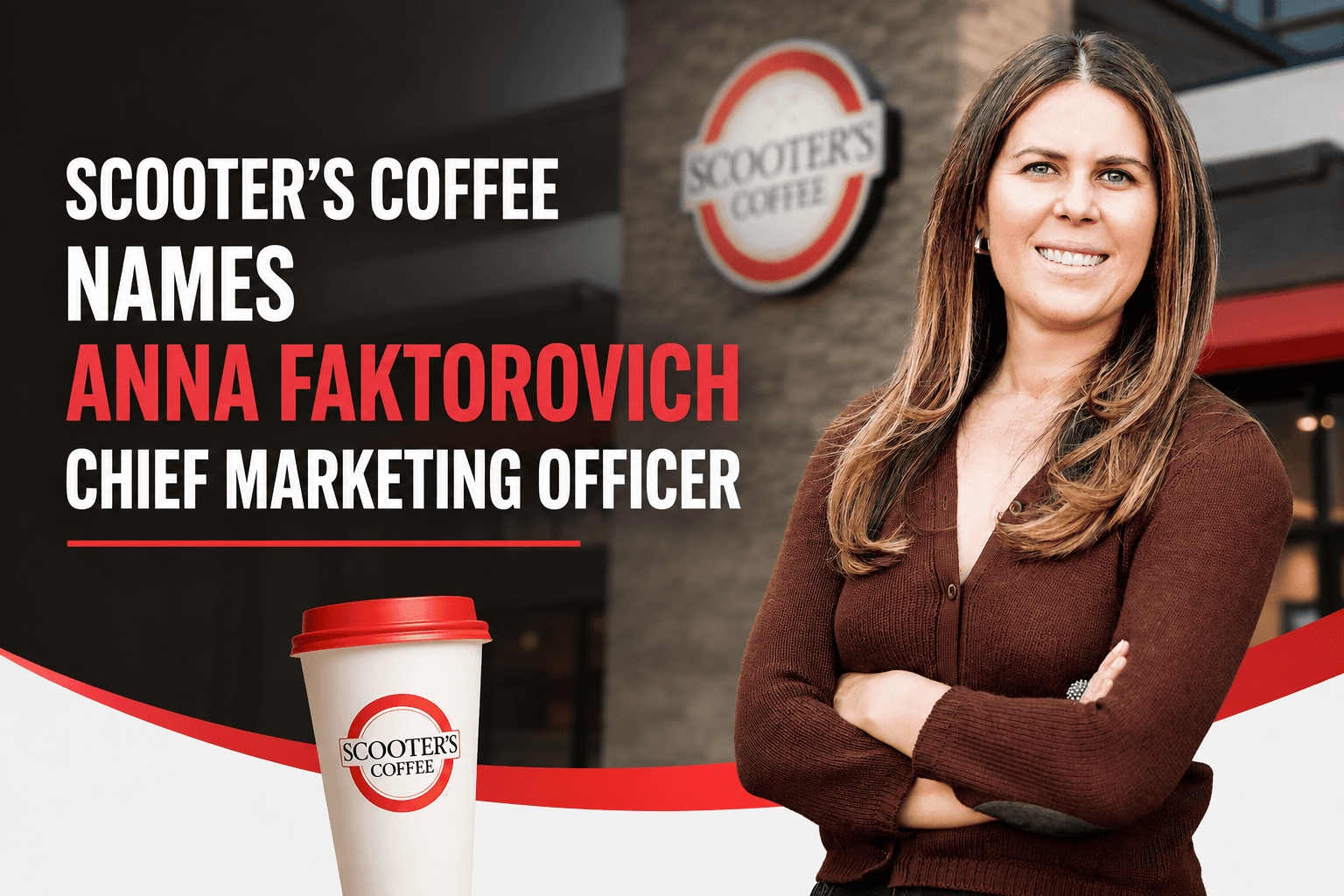
Anna Faktorovich, a seasoned marketing executive, has been named Chief Marketing Officer at Scooter’s Coffee, bringing decades of multi-brand experience to fuel the franchise’s next growth stage.
Aug 25, 2026
Dave & Buster's refreshes its executive lineup with seasoned leaders in operations, marketing, tech, and finance - signaling a growth-driven future for restaurant operators to watch.
Aug 24, 2026
Wendy’s announces Tariq Hassan as Chief Marketing and Customer Growth Officer, charting a new course for brand and digital innovation. What restaurant owners can learn.
Aug 24, 2026

Unlock Exclusive Access To Webinars, Events, And The Latest News For Free!
The CDC has long been the leading voice in science and medicine. It also has an important voice in food safety as well. Read on as we talk about the CDC food safety regulations.
Centers For Disease Control And Prevention (CDC), on its website, describes itself as a unique agency with a unique mission.One of the major official operating bodies among the Department of Health and Human Services in the United States of America, CDC's mission is to protect the safety, health, and security of the state from threats around the world. Working for more than 70 years, Centers For Disease Control is a science-based, data-driven, national center in the USA. The organization's purpose is control and prevention of any health calamity, eliminating diseases, and ending epidemics to protect the public health, prepare the state and local territories for any such situation. In particular, it focuses on infectious disease, food borne pathogens,environmental health, occupational safety and health, health promotion, injury prevention and educational activities designed to improve the health of citizens of theUnited States.
The conversation around foodborne illness outbreaks and Food Safety issues have assumed greater importance in the last few decades. And it's not surprising when continuous research by health officials have found certain food to be the major cause of many illness outbreaks. In 2006, an outbreak linked to spinach contaminated with shiga toxin-producing E. coli resulted in 199 illnesses in 26 states. It affected the lives of more than 100 people in the US, three died as well. More recently, in 2016, Salmonella Muenchen and Salmonella Kentucky from alfalfa sprouts infected 32 people in 13 states in the US. While food researchers believe that foodborne illnesses go back in time, one of the first documented cases of a known foodborne illness dates back to 323 B.C. Doctors at the University of Maryland, who studied historical accounts of Alexander the Great's symptoms and death, concluded that he would have died from typhoid fever, which was caused by Salmonella typhi. Centers For Disease Control, earlier known as Communicable Disease Center (founded in 1946), however took up the reins from the Public Health Service in 1961. The Public Health Service was researching and studying foodborne illness for almost four decades then. In the years 1961 to 1965, CDC provided outbreak statistics and accounts of individual outbreaks in the Morbidity and Mortality Weekly Report (MMWR). It took a brief pause, but with the interest in foodborne illness only growing at the time and considering public health and disease prevention, CDC resumed publishing of the annual summaries of foodborne disease outbreaks in 1966. This initiated effective record keeping of food borne illness that could be used to control and prevent similar outbreaks in the future. One of the first major food recalls in the US was reportedly canned mushrooms in 1973. From 1966 to 1982, the CDC published outbreak data as stand-alone booklets and returned to publishing reports in MMWR from 1982 to 2010. Post that, and with the rise of digital technology, CDC has been researching and posting annual summaries online.
The Centers for Disease Control (CDC) estimates one in six Americans get sick from contaminated food or beverages annually. As per its assessment, around 3,000 die from foodborne illness. Foodborne illness is common and costly, but preventable too. And thus, one of the major roles of CDC is to create a link between foodborne illness and the food safety systems of government agencies and food producers. The Foodborne Disease Outbreak Surveillance System (FDOSS) is CDC's program for collecting and reporting data about foodborne disease outbreaks in the United States. Foodborne Disease Outbreak Surveillance System is a part of the National Outbreak Reporting System (NORS), which also includes data on illnesses resulting from contact with animals, environmental contamination, spread by person-to-person, waterborne transmission, and other enteric illness outbreaks. When collecting information, FDOSS takes the below mentioned into consideration-
CDC's Food Safety guidelines are simple to comprehend, and easy to follow. CDC recommend Food Handlers to follow the principle of- Clean, Separate, Cook, Chill.
Throughout the coronavirus pandemic, the Centers For Disease Control has been under the scanner for being politically motivated, rather than scientifically motivated by health officials outside the government bodies. The New York Times, in one of its opinion pieces in March 2022, suggested that the organization requires active work to earn trust and retain credibility. To ensure that this kind of separation between politics and health can happen regardless of the presidential administration, new measures may need to be enacted. For example, Congress could move agencies like the C.D.C. and the Food and Drug Administration outside of the Department of Health and Human Services to allow for more independence, NYT said. When it comes to the food safety guidelines suggested by the CDC, the criticism has been few and far between. But the US government, on its own admission, realizes some of the flaws it needs to fix. For instance, in one of the reports by the state, it mentions that CDC has 18 surveillance systems that include information on foodborne diseases used to detect cases or outbreaks of foodborne disease, pinpoint their cause, recognize trends, and develop effective prevention and control measures. While CDC's systems have contributed to food safety, the usefulness of several of these surveillance systems is impaired both by CDC's untimely release of surveillance data and by gaps in the data collection, the report notes.

The Centers for Disease Control and Prevention (CDC) is the national public health agency of the United States. A US federal agency, under the Department of Health and Human Services,CDC has been working with state, local, and territorial public health departments on foodborne illness investigations since the late 1960s. The agency, while focusing on food safety and disease control and prevention, realizes that some of the most loved foods that people love and rely on for good health, sometimes contain bacteria and other germs that can cause sickness and can even be deadly at times. To avoid that, CDC conducts studies and investigations so that more prevention efforts could be made to reduce foodborne illness in the United States. The organization, however, notes that the challenges to food safety will continue to arise because of-