California Penalizes Dickey's for Franchise Disclosure Violations
California shifts to public enforcement strategy against Dickey's for deceptive franchise disclosures, signaling stricter state-level franchise oversight.
Franchising
Sep 10, 2026
California shifts to public enforcement strategy against Dickey's for deceptive franchise disclosures, signaling stricter state-level franchise oversight.
Sep 10, 2026
Paul Brown temporarily steps away from Inspire Brands as Scott Murphy assumes interim CEO role during confidential IPO filing process targeting late 2026.
Sep 10, 2026
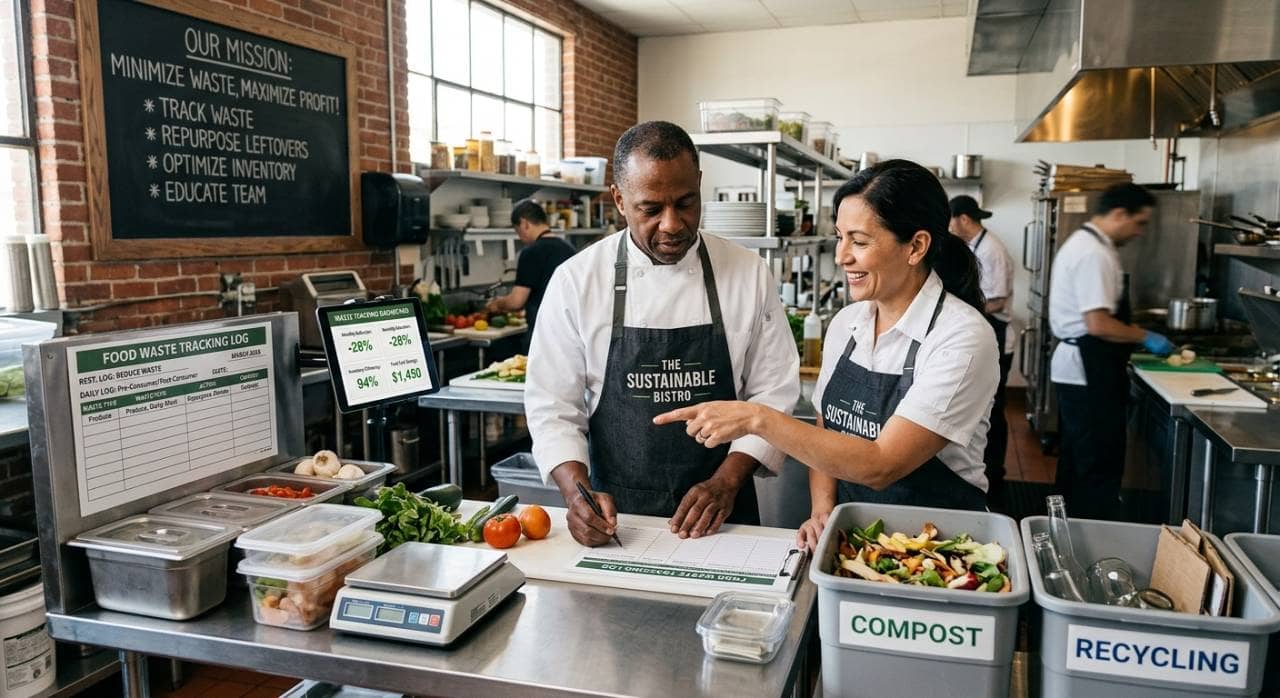
Learn how to reduce food waste in restaurants through smarter purchasing, storage, preparation, and service strategies that cut costs.
Sep 9, 2026
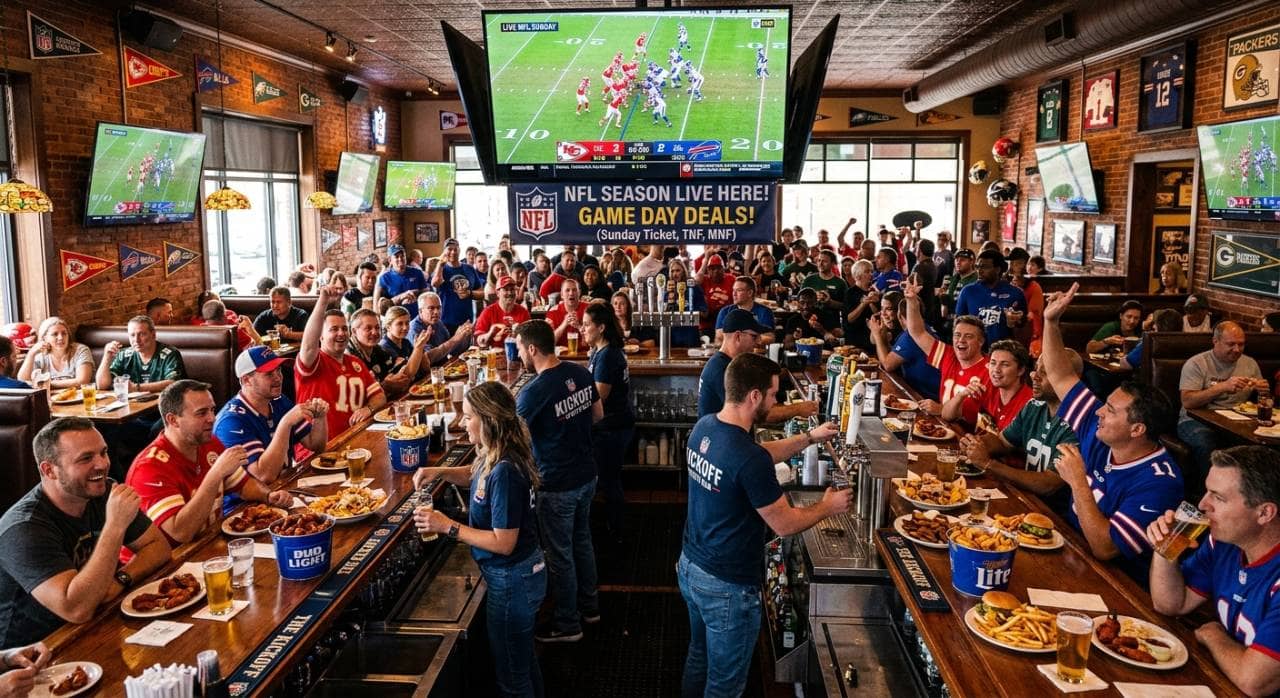
Prepare your restaurant for NFL season with smart menu planning, staffing, marketing, technology, and atmosphere strategies that boost season-long revenue.
Sep 9, 2026
Swig signs franchise agreement for 11 South Denver locations, marking Colorado entry and validating its national expansion strategy.
Sep 8, 2026
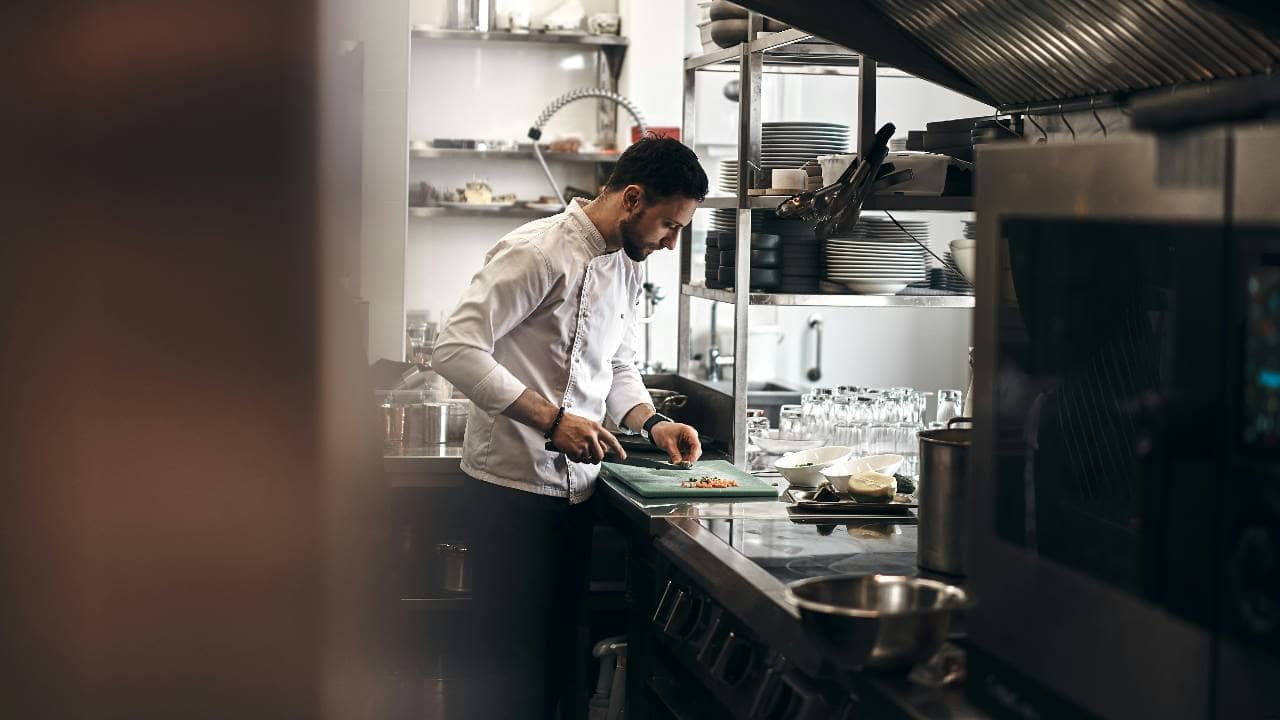
Complete guide helping restaurant owners choose essential kitchen equipment - covering cooking, refrigeration, prep, sanitation, ventilation, safety, and long-term maintenance planning.
Sep 7, 2026
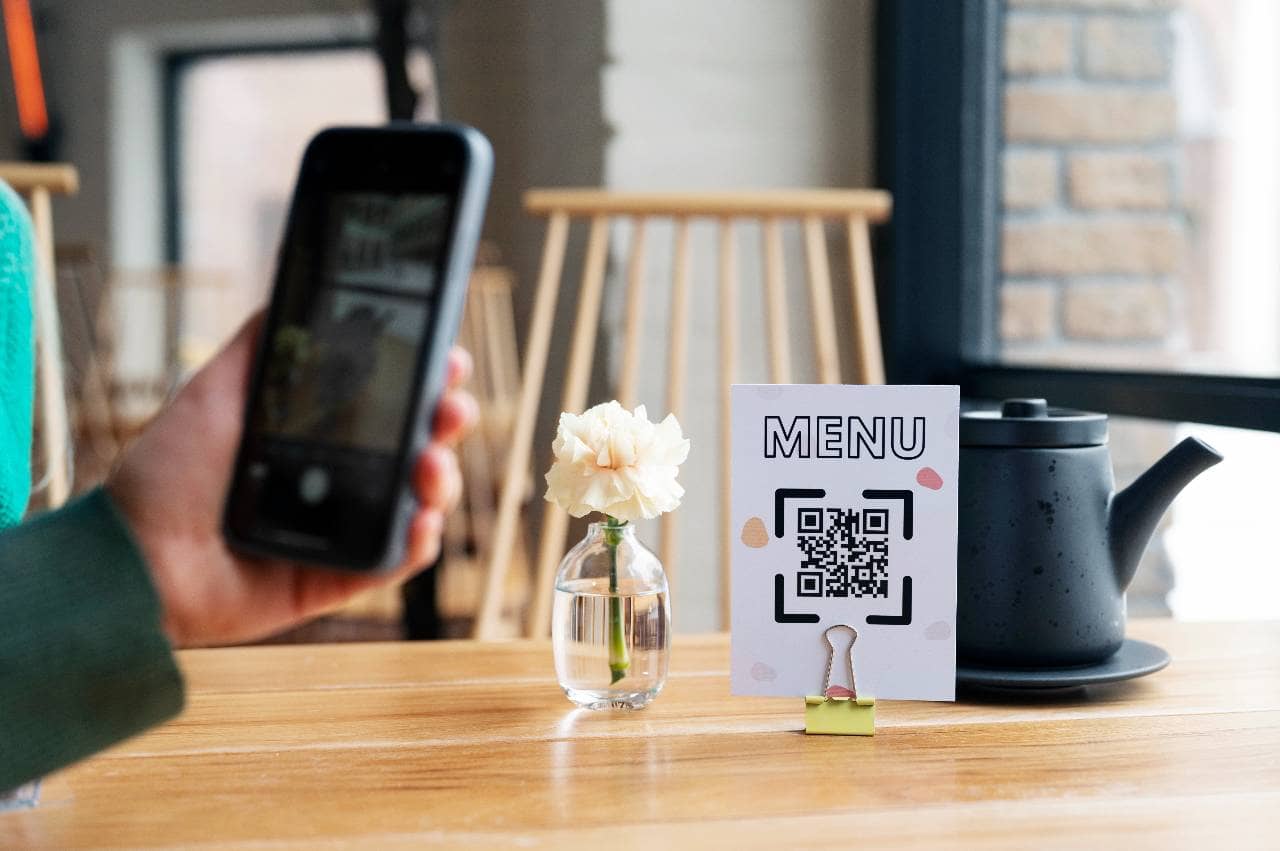
QR code menus let restaurants replace paper menus digitally, enabling instant updates, contactless browsing, ordering, and payment through simple smartphone scanning.
Sep 7, 2026

Avoiding common restaurant payroll mistakes - misclassification, tip credit errors, overtime miscalculations - protects businesses from costly penalties, back pay, and compliance risks.
Sep 4, 2026
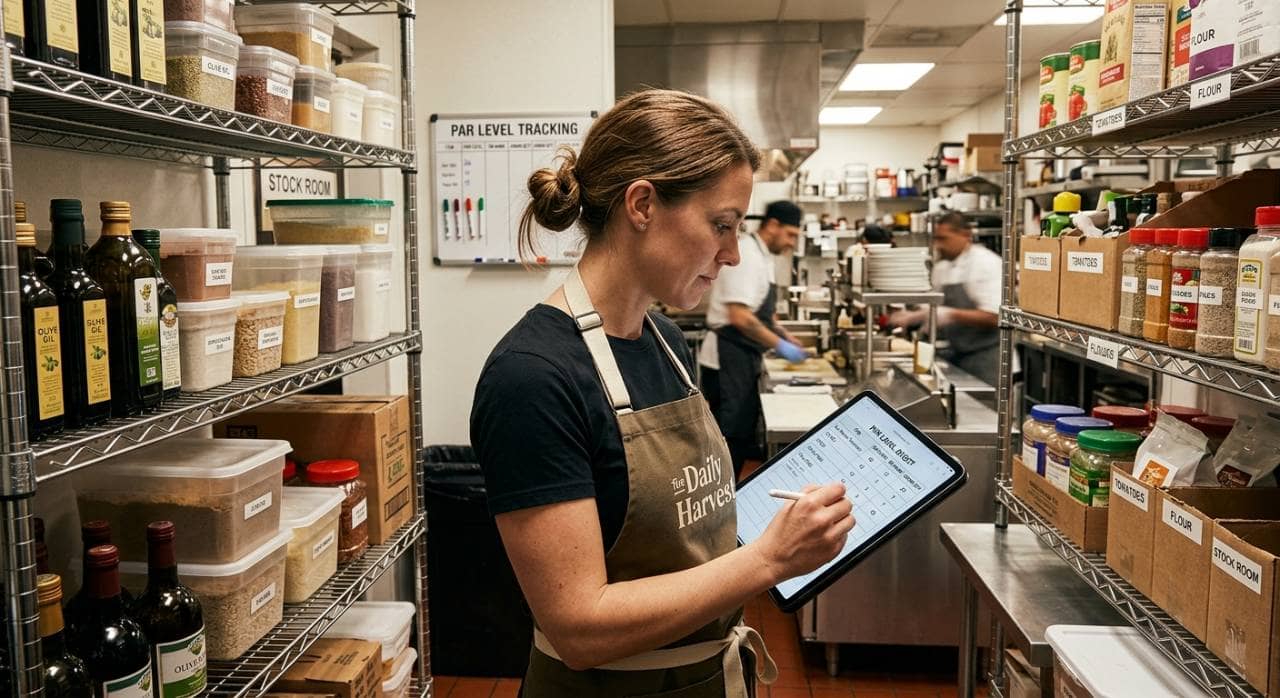
Learn to calculate par levels for restaurant food, beverages, and packaging inventory, preventing stockouts and waste through proper formulas.
Sep 4, 2026
Caribou Coffee appoints Zane Thomas-Rogers as Chief Operations Officer to strengthen execution across its expanding coffeehouse network.
Sep 4, 2026

Unlock Exclusive Access To Webinars, Events, And The Latest News For Free!
Charlotte flagship operates as HQ, training center, and test kitchen, signaling Bobby’s Burgers’ franchising push.

Photo by Giorgi Iremadze
Charlotte is no ordinary opening. The new flagship in the SouthPark district is pitched as more than a restaurant. It functions as headquarters, a training center, and a test kitchen all in one, designed to accelerate the brand’s franchising ambitions. The soft launch gave way to a formal grand opening in July 2024, signaling a shift from the brand’s portable venues in casinos, stadiums, and airports toward neighborhood-based operations that can be replicated. Charlotte is meant to demonstrate what a Bobby’s Burgers unit could look like and how it should operate across the country, with this location serving as the living blueprint.
Physically, the Charlotte unit blends a street-friendly footprint with the precision of a backstage operation. It’s designed as a working HQ for R&D and a live showroom for franchise recruitment, all backed by scalable back-of-house systems. The kitchen leans on programmable stovetops and equipment built to ensure every burger hits the brand’s standard doneness. As Patric Knapp, the brand’s VP of operations, puts it: “We’re fast casual but we cook everything to order. The equipment cooks to our prescribed method every single time.” In short, this isn’t just a restaurant. It’s a blueprint you can copy, scale, and trust to perform under pressure.
Charlotte’s debut is more than a restaurant opening; it’s a strategic pivot toward scaling Bobby’s Burgers through franchising. The flagship is positioned to anchor growth, offering a concrete example of how the brand will partner with franchisees while protecting quality and consistency. National coverage at the time highlighted that Charlotte would function as a training hub and a demonstration of neighborhood-based operations, aligning with the aim of expanding beyond corporate-owned units. In this framing, Charlotte becomes the command center for the expansion push and for developing the systems that scale.
Axios identified the location as a test kitchen and noted Flay’s plan to leverage Charlotte as the hub for franchising activity, while NRN and local outlets describe the flagship as a living model for how a neighborhood Bobby’s Burgers operates. The message is simple: franchising is the central priority moving forward, and Charlotte is the proving ground that will translate flavor, training, and recipe methods into scalable systems.

From the street, Charlotte reads as a neighborhood-friendly, streetside Bobby’s Burgers, but inside it operates as a fully equipped laboratory for operations. The concept blends a high-quality, order-to-cook experience with scalable back-of-house systems. The plan is to standardize output across units with tech-forward equipment and recipes that translate from kitchen to kitchen.
The flagship doubles as a real-world blueprint for training, equipment configuration, and menu execution that franchise partners can emulate in new markets. The kitchen stance remains simple: cook to order at scale, with technology designed to keep every burger aligned with the same method.
Franchise momentum sits at the core: Flay has been explicit about moving fast toward franchising. The Charlotte project is the spearhead for that push. Leadership frames franchising as the next phase, balancing flavor and operational excellence with scale. A defining line: “We’re full steam ahead for franchising. That’s been our focus.” The kitchen confidence is tempered by the reality that maintaining consistency as the network grows is challenging.
Charlotte is not a single restaurant but a proving ground to protect the brand’s signature culinary identity as it grows. The leadership openly acknowledges the tension between ambition and quality control, which means the plan must stay disciplined while expanding. The outcome should be a scalable system that preserves taste, texture, and service across markets while still allowing room for regional adaptation.
These are all my things, my burgers, my recipes, my shakes, from start to finish. There’s no one creating these foods except me.
Seven distinct burgers, a chicken sandwich, a veggie burger, and a range of sides, shakes, and breakfast offerings anchor the menu. The bacon Crunchburger is Flay’s favorite, a recipe born at Bobby’s Burger Palace in 2008 and sharpened by topping burgers with thin, crispy potato chips for texture. The branding edge, crunchify, protects that texture. Expect seasonal and regional variations as the chain grows.

Cadence, timeline, and scope remain unsettled as the Charlotte model informs all future moves. The flagship is a model, but specifics about nationwide expansion and the pace of new flags are not fully disclosed. Franchise commitments exist in Colorado and the Chicagoland area, signaling a path to multi-unit growth. The project sits at the nexus of culinary leadership, operational discipline, and expansion strategy.
Translating Charlotte’s playbook into scalable operations will determine long-term vitality. The flagship is meant to preserve taste, texture, and service across markets while allowing regional adaptation. In the end, Bobby’s Burgers’ Charlotte strategy embodies a broader industry move toward experiential flagship centers that double as franchising accelerants, blending culinary leadership with disciplined training and technology-enabled consistency.