Chef Tyson Revamps The Gilded Fork, Balancing Legacy With Change
James Tyson acquires The Gilded Fork, infusing global flair while keeping its trusted roots. Portsville’s culinary landscape braces for a bold new chapter.

A New Face at the Table
Portsville’s dining scene doesn’t see many shockwaves, but the news landed hard: James Tyson, a chef with Paris and Tokyo credentials, has acquired downtown’s The Gilded Fork. Tyson’s move is calculated, not flashy. He’s inheriting a 70-seat institution that’s been a consistent draw for a decade, riding on founder Karen Mason’s reputation and steady execution. Tyson’s statement hits the right note—respect for what’s built, but intent to leave his own mark. The message is clear: he’s not scrapping the blueprint, just aiming to sharpen it.
Mason isn’t disappearing. She’s staying as consulting chef, a transition strategy meant to broadcast continuity. Her tenure isn’t just a face on the wall—she’ll be on the line, side by side with Tyson, guiding the handoff. Their partnership sets up a blend of old reliability with new ambition.
What Drove the Handoff?
Deals like this aren’t made overnight. Three months of negotiation led to Mason stepping back, wanting to chase family priorities after a ten-year run. An arrangement keeps her tied in for six months as consultant, a smart tactic to avoid whiplash for guests and staff. Tyson comes in heavy with investment—$600,000 earmarked for the kitchen, front-of-house, and the bar. This isn’t superficial touch-up. It’s the kind of money that signals genuine commitment, not cosmetic change. Whether you measure by dollars or intent, that’s a real ante for a restaurant of this size.
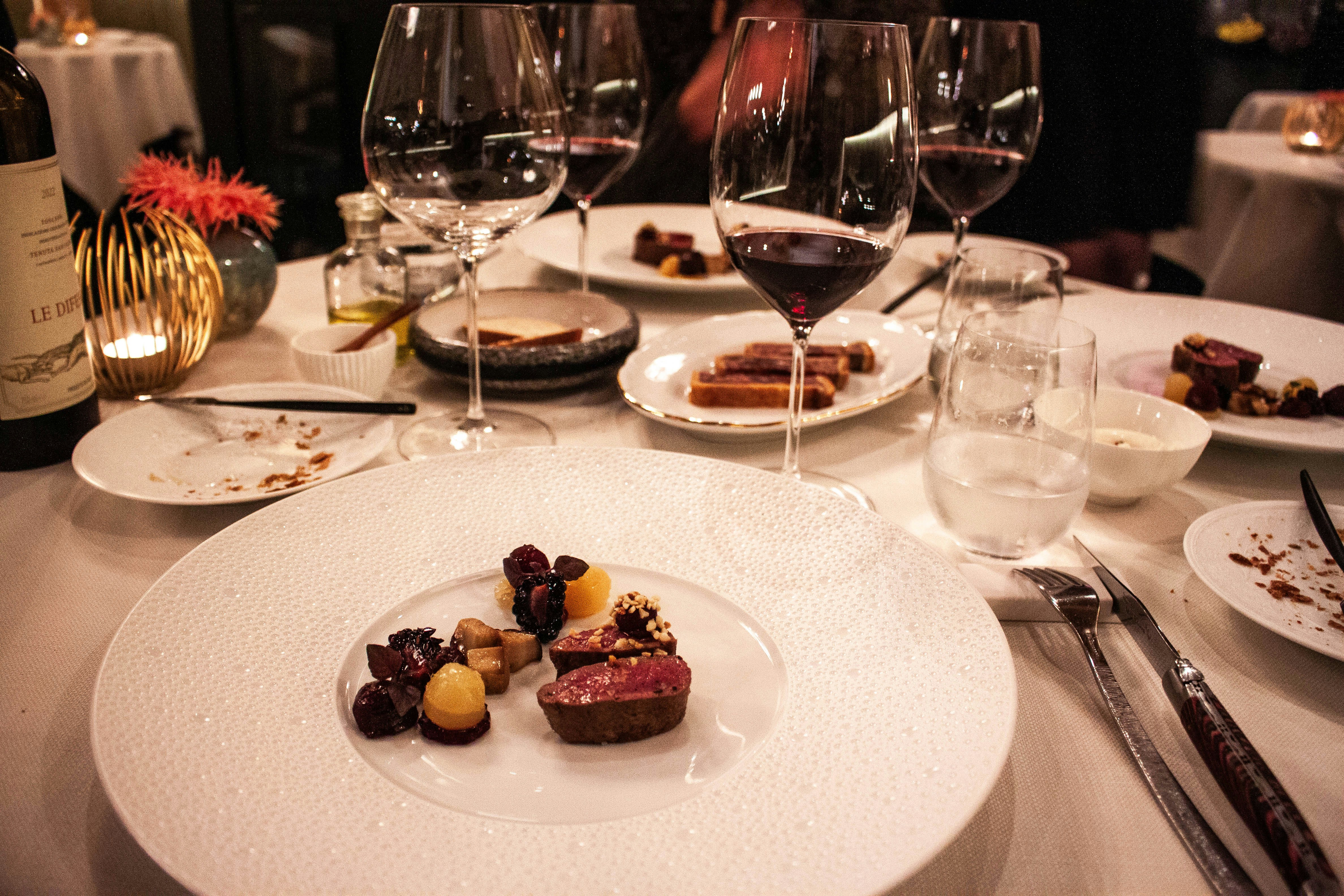
Tyson doesn’t plan to wipe the slate. The menu will get a globally inspired five-course tasting set, but Mason’s signature dishes remain intact. Suppliers like Bernard Family Farms and Blue Coast Fisheries stay on the ledger, and core staff don’t face a pink slip parade. It’s a play for stability in the middle of change.
Preservation Meets Progress
Executing a handover in a well-loved kitchen is a balancing act. Tyson’s renovation chart stretches across six weeks, aiming for a July 2024 reopening. Mason’s collaboration is boots-on-the-ground—she’s not just consulting remotely, but working side by side, training staff, documenting recipes, and overseeing sourcing. The narrative Tyson pushes is no-nonsense: “Continuity is crucial for guest trust and consistent excellence.” It’s a rare stance in an industry where new owners like to make a splash. He’s choosing the steady route: upgrade hardware, keep the software familiar.
Physical updates happen fast—new kitchen gear, fresh bar layout, dining room overhaul. Behind the drywall, the core recipes and rhythm won’t get bulldozed. This is restoration with intent, not gutting for the sake of change. Staff and regulars get stability, not whiplash.
Portsville Waits, Watches, Wonders
News like this doesn’t just ripple; it stirs things up. Local blogs light up, Urban Palate tagging the reopening as a must-try for any serious eater in town. Patrons wear nostalgia on their sleeves—Mason’s name still means something. But there’s also appetite for what Tyson’s going to do. Community leaders—people like Trina Howard—voice cautious optimism. Reliable doesn’t get abandoned here; fresh has to earn its place.
The Downtown Merchants Association expects foot traffic uptick and spillover business for neighbors. Competitor restaurants watch for signals—is Tyson’s playbook going to nudge up pricing for everyone, force faster innovation, or inspire copycats in chef-led PR? Local groups take notes on how Tyson times renovation and how he keeps staff steady during a shakeup. Everyone’s looking to see if this hybrid formula—global firepower with local soul—will stick.
Deal Details on the Line
The ink on the contract dried May 13, 2024. Legal and financial structures below the surface are tight-lipped—just what you expect for notable local transactions. Mason doesn’t step into the shadows but remains on the ground floor for six months. The headline numbers are unmistakable: $600,000 set aside, with visible scope—kitchen to front-of-house, all scheduled to finish ahead of the grand July relaunch. There’s a multi-year arrangement between Mason and Tyson, particulars confidential, but with clear commitments and a defined arc from old to new.
This isn’t just about a buyout—it’s a turning point. The capital isn’t window dressing. It tells staff and customers: we’re not coasting on nostalgia. We’re building something designed to last.
A Blueprint for Next-Gen Transitions
What’s happening at The Gilded Fork isn’t unique, but it is instructive. Nationally, chef-operator acquisitions are brewing new stories for legacy brands. The narrative is familiar: keep the essence, invite new blood, and put capital into what actually matters—tools, people, story. Chef branding and transition management are picking up steam. Stakeholders from neighboring restaurants to large groups keep tabs on this playbook. Is it the formula that finally balances innovation press releases with honest-to-goodness follow-through?
Tyson’s approach is as much about managing perception as managing plates. Bringing Mason along post-sale, spending up front, and keeping the core team—these moves check the right boxes for trust and momentum. If it all lands, Portsville’s restaurateurs may have a case study for how to pull off their own handovers.
Key Questions Remain
Transitions read well on paper, but kitchens live and die on intangibles. The details of the multi-year deal are locked up tight—who profits, who calls the shots, what triggers exits. Staff reactions and customer feedback can’t be forecasted with a contract. The only test that counts is six months out: does the dining room fill, do receipts climb, and does the new staff-culture glue hold?
All the planning in the world doesn’t guarantee that the blend of tradition and new ambition lands right. A chef’s vision lives or dies beyond the press release, where regulars and critics draw the line between refreshing and reckless.
What the Future Holds
The stage is set, money’s been spent, and both legacy and fresh thinking are front and center. Tyson’s path reads bold, but not brash. He respects where the institution has been while staking out something new—a bet that Portsville might be ready for a refreshed standard. That’s the play: honor the past, but don’t get stuck there.
As July’s reopening looms, it’s Tyson’s time on the block. There’s no hiding behind past trophies now. Diners, staff, and peers will grade every plate, every move. If The Gilded Fork keeps its seat on top, it’ll be because Tyson’s blend of respect and risk hit the right balance—not just for the menu, but for the entire experience.