
How Much Does It Cost to Open an Ice Cream Shop?
Learn the startup costs of opening an ice cream shop, including rent, equipment, renovations, permits, inventory, labor, marketing, and reserves.
Business Management
Aug 28, 2026
Learn the startup costs of opening an ice cream shop, including rent, equipment, renovations, permits, inventory, labor, marketing, and reserves.
Aug 28, 2026
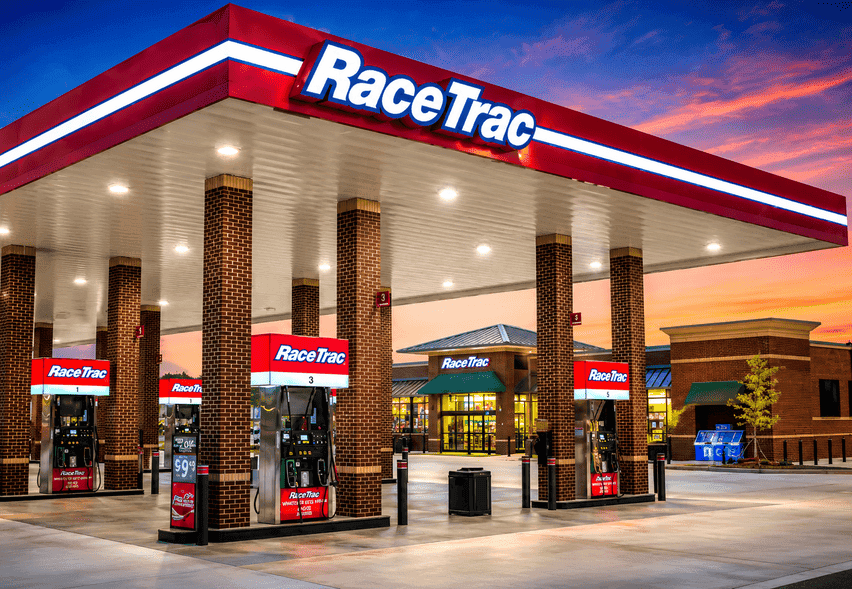
RaceTrac has appointed Jill Pemberton as chief financial officer, succeeding Karla Ahlert, who moves into the newly created role of chief administrative officer.
Aug 26, 2026

A restaurant P&L statement reveals sales, expenses, and profits, helping owners manage costs, improve margins, and plan finances more effectively.
Aug 26, 2026

Learn practical ways to reduce labour costs through smarter scheduling, forecasting, productivity, cross-training, automation, overtime control, and performance monitoring strategies.
Aug 26, 2026
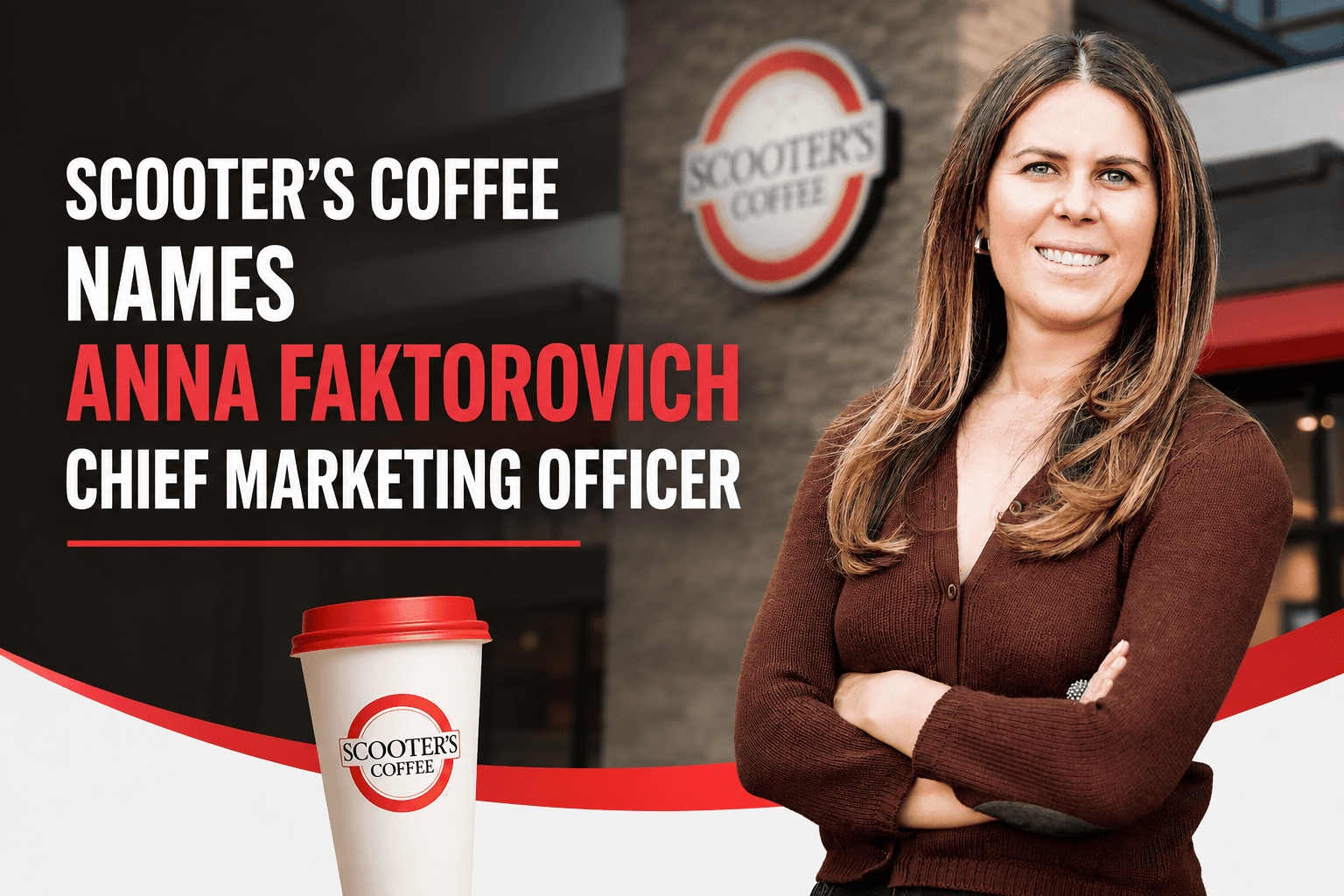
Anna Faktorovich, a seasoned marketing executive, has been named Chief Marketing Officer at Scooter’s Coffee, bringing decades of multi-brand experience to fuel the franchise’s next growth stage.
Aug 25, 2026

A payroll advance policy helps restaurant owners define eligibility, limits, repayment, documentation, approval procedures, and compliance requirements for employee advances.
Aug 24, 2026

Levain Bakery appoints Lorna Sommerville and Taya Stenson as co-CEOs, blending operational and marketing expertise to power national expansion and innovation while staying rooted in its brand values.
Aug 25, 2026

Create a practical restaurant marketing plan by setting goals, targeting customers, choosing channels, budgeting wisely, scheduling campaigns, and measuring results.
Aug 24, 2026

Blaze Pizza welcomes Tracy Stockard as Chief Marketing Officer, bringing decades of brand and franchise experience to drive strategic growth and guest engagement.
Aug 25, 2026
Dave & Buster's refreshes its executive lineup with seasoned leaders in operations, marketing, tech, and finance - signaling a growth-driven future for restaurant operators to watch.
Aug 24, 2026

Unlock Exclusive Access To Webinars, Events, And The Latest News For Free!
Chipotle is quietly testing a new Crispy Chicken protein option in select California restaurants, marking a potential shift in the chain's menu strategy as it looks to accelerate innovation and tap into one of the fastest-growing food categories in the restaurant industry.
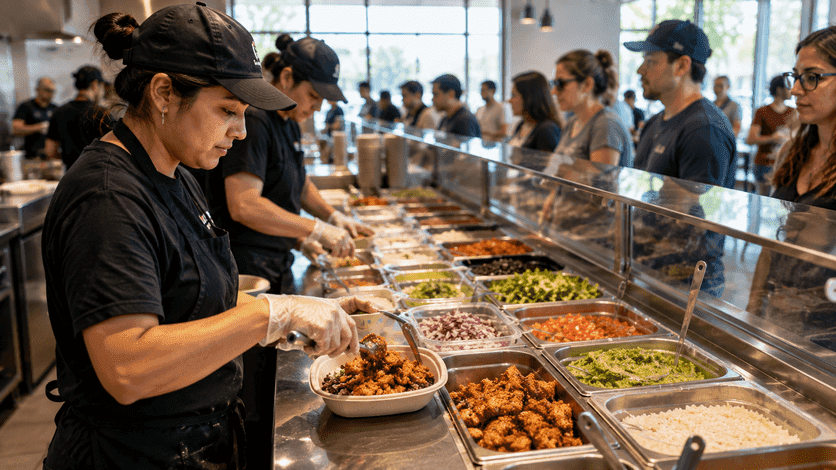
Chipotle is testing crispy chicken as a new protein option at select locations in California, the company confirmed after the test was spotted by a social media user and picked up by food-focused outlets over the weekend. The chain described it as a limited-time test in select restaurants, with guest and operational feedback to be used in determining whether to move forward with a broader market trial through its stage-gate process. According to marketing materials seen in one of the test markets, the crispy chicken is free of preservatives, gluten, and artificial ingredients language consistent with Chipotle's longstanding positioning around food quality and transparency. The item is available across the chain's standard formats - burritos, tacos, salads, and bowls.
The crispy chicken trial fits into a broader shift in how Chipotle is approaching menu development. CEO Scott Boatwright recently told analysts that customers are actively looking for more innovation from the chain not just protein rotations, but expansion into new categories including entrées, dips, sauces, beverages, and sides. That's a notably wider aperture than Chipotle has historically operated with, and it suggests the company is responding to competitive pressure by being more willing to experiment. For a brand that has built its identity around a tight, consistent menu with few rotating items, adding a new protein format is a meaningful step. Crispy chicken isn't just a flavor tweak it's a different texture, a different preparation method, and a different operational profile than the grilled and braised proteins Chipotle already serves. Whether it can be executed consistently at scale while meeting the chain's food quality standards is exactly what this test is designed to find out.
Chipotle isn't testing crispy chicken in a vacuum. The category has been one of the most consistently strong performers in the restaurant industry for several years, with brands built around it Chick-fil-A and Raising Cane's in particular driving much of the chicken segment's outsized growth. Consumers across age groups and income levels have demonstrated a clear and durable appetite for crispy chicken, and that demand has pulled virtually every major QSR and fast-casual brand into the conversation at some point. The data from Taco Bell is perhaps the most compelling recent illustration of the category's pull. The chain reported that crispy chicken items spanning nuggets, tacos, and burritos drove nearly a quarter of all new customers to the brand in 2025. Its Crispy Chicken Nuggets sold out in under a week after their initial launch in late 2024 and have been brought back multiple times since. Taco Bell has explicitly committed to making crispy chicken a permanent menu platform in 2026, describing the category as having built a loyal fanbase faster than the company anticipated.
Not everyone is convinced Chipotle's crispy chicken test is the right move for the brand. Social media reaction has been divided. Some Reddit users raised practical concerns about whether the chicken can maintain its texture after being chopped and incorporated into a burrito or bowl a legitimate operational question for any chain attempting to serve crispy items in a build-your-own format. Others questioned whether the addition fits Chipotle's brand identity, suggesting the chain should stay focused on its core rotating proteins like Honey Chicken and Chicken al Pastor rather than chasing a trend that's already crowded. On the other side, at least one store employee involved in the test described the item as super popular with customers early anecdotal feedback that aligns with what the broader category data would predict. Consumer enthusiasm for crispy chicken has been consistent enough across the industry that skepticism about demand seems misplaced, even if questions about execution are fair.
Chipotle has historically competed on the strength of its core menu, its sourcing standards, and its throughput efficiency rather than on menu variety or trend responsiveness. That approach has served the chain well, but the competitive landscape is shifting. Fast-casual and QSR brands are becoming more aggressive about menu innovation, and consumers who have multiple strong options are increasingly influenced by novelty and variety alongside quality and value. Adding crispy chicken if the test progresses would give Chipotle a response to one of the most frequently cited reasons consumers choose other chains over it - the absence of a crispy or fried protein option. It would also expand the brand's appeal at lunch and dinner without requiring a fundamental change to its operating model, since the item slots into the same customizable format the chain already runs.
Chipotle's stage-gate process is deliberate by design. The chain doesn't rush items to national rollout it tests operationally, gathers consumer data, and makes decisions based on evidence rather than trend pressure. The California test represents an early stage in that process, and there are multiple outcomes still possible - broader market testing, a modified version of the item, incorporation as a limited-time offering, or a quiet discontinuation if the operational complexity doesn't justify the demand. Whatever the outcome, the test itself is a signal worth paying attention to. Chipotle entering the crispy chicken conversation even tentatively reflects the category's extraordinary pull across the industry. When one of the most disciplined and brand-consistent chains in fast casual decides it's worth testing, it says something meaningful about where consumer preferences are and where the competitive pressure is coming from.