Cracker Barrel Restores ‘Old Timer’ As Backlash And Activist Pressure Hit Traffic
A logo change on August 19 spiraled into a culture-war storm, an investor campaign, and an 8% traffic slide. Cracker Barrel reverts to heritage, tempers 2026 guidance, and braces for a governance fight.

A Single Date, A Spark
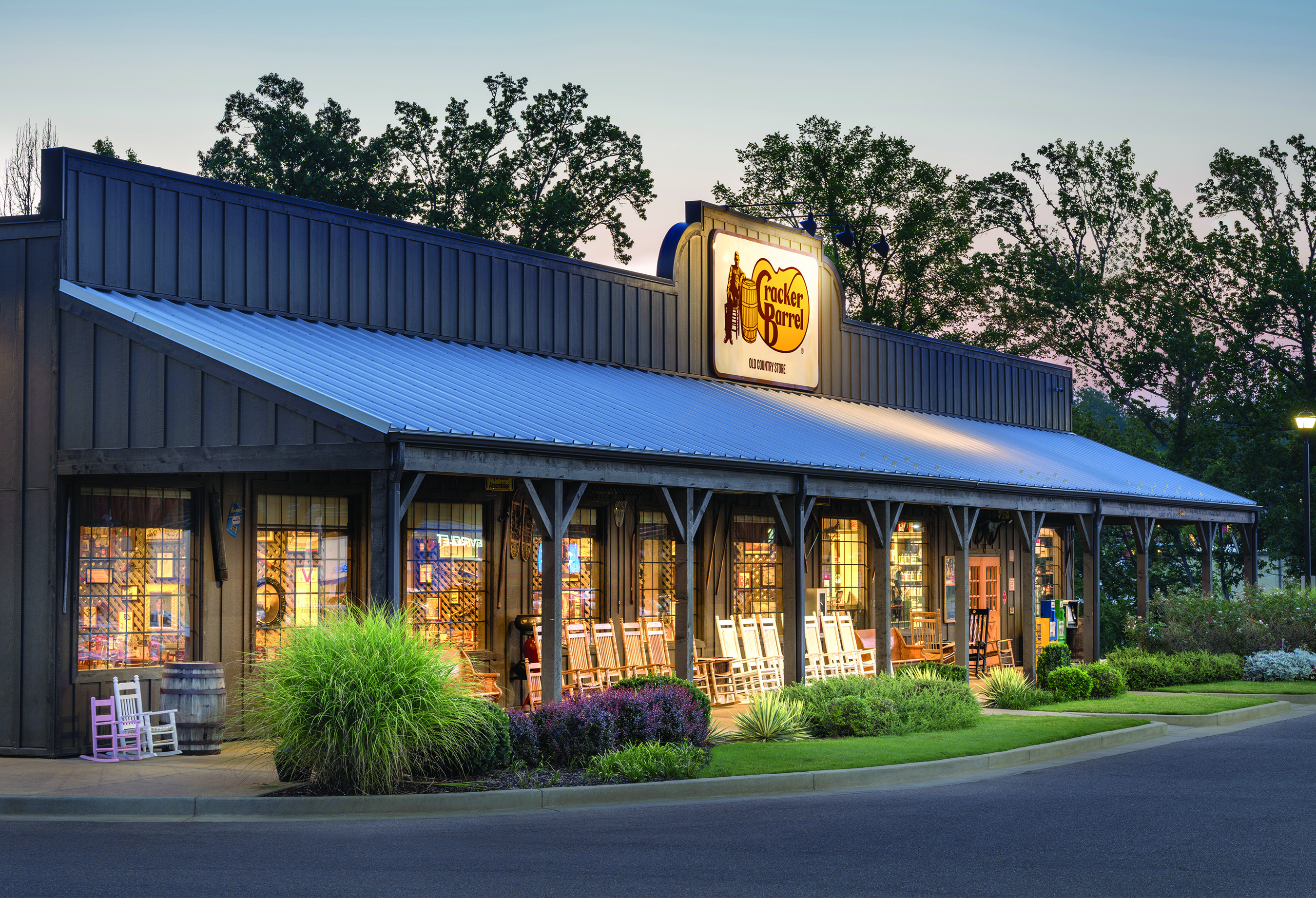
On “August 19,” a subtle switch tripped a live wire. Cracker Barrel Old Country Store removed its iconic “Uncle Herschel” figure from the logo, expecting a modernized silhouette to carry familiar warmth. Instead, consumers decried the move as “woke” and tantamount to erasing heritage, and a design decision crossed the threshold into identity politics. When conservative figures such as President Donald Trump and Donald Trump Jr. weighed in, the story leapt from dining rooms to newsrooms, gathering the momentum of a storm. The symbolism mattered. For a legacy brand that trades in Americana’s tactile comforts, the absence of a familiar emblem read less like refinement and more like erasure to a vocal subset of guests. What might have been a minor refresh became a referendum on belonging, with the logo cast as a stand-in for memory itself. A small visual revision, suddenly freighted with meaning, set the company on a defensive footing. Analysis: The context situates the logo removal on “August 19” as the clear catalyst, with the “woke” label and high-profile commentary transforming a design tweak into a reputational crisis.
How A Tweak Became A Trial
From the first posts, social media framed the redesign as a test of cultural allegiance. The shorthand “woke” supplied a ready-made critique, compressing suspicion of corporate modernization into a single charged term. It is the kind of allspice that overwhelms a dish—one pinch too many and nuance vanishes. With public figures fanning discourse, the reaction escaped the bounds of a marketing conversation and took on a life of its own. What emerged was not a debate over kerning but a referendum on authenticity. The brand’s heartland mystique—rocking chairs, peg games, a pantry of preserves—became the mise en scène for a national quarrel. That escalation was swift and unforgiving: the logo’s absence did not invite curiosity; it invited doubt, repeated hourly by the news cycle. Analysis: The narrative shows how politicized language and high-profile amplification converted a routine branding exercise into a culture-war flashpoint that imperiled trust and attention.
An Activist Finds His Moment
Into this turbulence stepped Sardar Biglari—chief of Steak ’n Shake, Western Sizzlin’, and Maxim magazine—who seized the moment to indict the company’s direction. He labeled the rebrand a “disastrous ‘brand refresh’,” then escalated to a campaign to oust CEO Julie Felss Masino. The message traveled from boardroom whispers to roadside declaration with a West Nashville billboard urging “Fire the CEO,” the reworked logo pressed into service as Exhibit A. Cracker Barrel did not duck. The company denounced his tactics as “self‑serving stunts” and underscored “fourteen prior failed campaigns,” arguing the posture lacked the gravity expected of serious investors. In that riposte, a marketing backlash morphed into a governance confrontation—one that tethered perception, performance, and leadership legitimacy to a single, combustible episode. Analysis: Biglari’s intervention transformed brand controversy into a board-level battle, while the company’s rebuttal framed him as opportunistic, citing “fourteen prior failed campaigns” to weaken his case.
When Optics Hit Footfall
The operational cost arrived with unnerving speed. After the “August 19” logo switch, foot traffic “tumbled around 8%.” The arithmetic of outrage is not linear; still, the correlation was stark. As the uproar spread, the shorthand critiques—“woke,” heritage erased—coalesced into a narrative that dampened appetite. Social channels kept the topic simmering, and headlines did the rest, nudging would‑be guests toward pause. Think of an empty two‑top that should have turned twice by noon: small gaps across a system add up to a sizeable dent. In restaurants, perception can be as perishable as buttermilk. Here, the chain felt the chill of fewer arrivals, a measurable echo of a brand signal many found dissonant. Analysis: The reported “around 8%” decline tied to the logo change illustrates how reputational shocks can rapidly depress guest counts as controversy sustains pressure on demand.
Resilience In The Weeds, A Miss On The Line
Despite the storm clouds, fiscal Q4 2025—ended “August 1”—showed sturdy execution in the fundamentals. Comparable restaurant sales rose “5.4%,” evidence that menu composition and service cadence were doing their part. Same‑store retail sales dipped “0.8%,” a modest softness in the adjacent emporium trade. Total revenue was “$868.0 million—down 2.9% year-over-year—but up 4.4%” after adjusting for the prior year’s 53rd week, a reminder that calendars can mislead the eye. Under the hood, adjusted EBITDA rose “8%,” attributed to favorable menu mix, strategic pricing, and improved labor productivity, even with a heavier spend on advertising and general expenses. Yet earnings per share of “$0.74” missed analyst expectations of “$0.80,” and the stock slid “roughly 3%.” In the market’s palate, an operative kitchen can still be overshadowed when guidance or profit trails the forecast. Analysis: The figures depict operational gains offset by a profit shortfall and negative sentiment, confirming that execution alone could not neutralize the reputational and expectations headwinds.
Reversion As Remedy
The company reached for the familiar. It restored the “Old Timer” logo, paused modern farmhouse remodels, and recommitted to in‑kitchen execution and guest‑experience enhancements. CEO Julie Masino framed the pivot as listening to guest voices and reconnecting with the brand’s heritage and storytelling tradition. It read as contrition without theatrics—an acknowledgment that the room had spoken and the house would adjust. Caution informed the ledger. Fiscal 2026 revenue was set at “$3.35 billion to $3.45 billion” against prior expectations of around “$3.52 billion,” with same‑store traffic projected to decline “4–7%.” Capital expenditures were pegged at “$135 million to $150 million,” devoted entirely to maintenance, with no remodeling. Footprint moves include two new Cracker Barrel locations and the closure of “14” underperforming Maple Street Biscuit Company stores as part of restructuring. The cadence is pragmatic: mend the net before casting for new waters. Analysis: Management’s reset blends humility and focus—restoring identity, shelving remodels, trimming guidance, and concentrating spend on upkeep to stabilize the core while preparing for lower near‑term traffic.
When Debate Becomes Demand
Conservative media attention and posts from public figures reframed a restaurant‑brand story as a national debate, turning the logo into a proxy for belonging and tradition. In that glare, Sardar Biglari’s billboard and campaign layered a governance dimension atop reputational strain, placing CEO Julie Felss Masino in the crosshairs. The company’s answer—invoking “self‑serving stunts” and “fourteen prior failed campaigns”—sought to delegitimize the activist’s pressure while signaling resolve to other shareholders. The interplay was volatile. Public rhetoric influenced customer sentiment; investor agitation amplified the stakes; operations felt the consequence in guest counts and market reaction. A house known for maple syrup and porch chairs discovered that symbolism can be as potent as seasoning: just enough, and it’s comforting; too much, and it overwhelms the dish. Analysis: The episode demonstrates how politicized critique and activist tactics can compound, affecting operations, leadership stability, and perception simultaneously, with the company attempting to separate constructive input from opportunism.
The Cautionary Case Study
Observers have labeled the episode a “Cracker Barrel moment”—shorthand for what happens when modernization misreads the cultural mood. For nostalgic legacy brands, even “simplistic” design switches can erode emotional equity accumulated over decades. The speed of amplification, accelerated by social media dynamics, means the distance between a style guide and a sales report is now a single day’s outrage cycle. The lesson is culinary in its elegance: restraint. Heritage is not a shackle; it is a seasoning. Tinker with it, but calibrate. Measure twice with rigorous stakeholder testing; taste repeatedly for cultural saltiness before plating any visual change. The saga underscores that brand–consumer trust is fragile in a politicized environment, where reaction is instantaneous and echoing. Analysis: The “Cracker Barrel moment” encapsulates the need for cultural calibration and stakeholder diligence, warning heritage brands that small visual shifts can trigger outsized operational and governance consequences.
What Still Hangs In The Air?
Uncertainties remain, and the company acknowledges them. Its outlook—same‑store traffic down “4–7%” and revenue trimmed to “$3.35 billion to $3.45 billion”—signals caution about the pace of recovery. Whether the restored “Old Timer” and an intensified focus on execution can reverse the “around 8%” traffic slide linked to “August 19” is still to be seen. Brand healing is seldom immediate; guests may wait to be convinced, one hospitable touch at a time. On governance, the clash has the texture of a formal and sensitive contest. Cracker Barrel’s terse pushback and absence of detailed proxy commentary underline the stakes without adding theatrics. The result is a quiet tension: a boardroom preparing for a test even as the dining room asks for reassurance. Analysis: The key unknowns are durability of traffic declines and the trajectory of the activist campaign; the company’s tempered guidance and identity reversion indicate a prioritization of trust repair over rapid acceleration.
Can Familiarity Refill Seats?
Cracker Barrel’s path forward rests on a simple, demanding proposition: reconnect with its heritage while proving that kitchen execution and guest‑experience improvements can convert sentiment into visits and earnings. The capital plan—“$135 million to $150 million” for maintenance only—and the measured footprint moves, including two new Cracker Barrel locations and “14” closures at Maple Street Biscuit Company, reflect prudence rather than bravado. The brand is choosing to polish its silver before inviting more guests. If the reinstated identity and service upgrades begin to reverse the “around 8%” traffic hit associated with “August 19,” the company could stabilize within the lower fiscal 2026 targets of “$3.35 billion to $3.45 billion.” It is a credibility test, one played out at the table: hot food on time, staff in rhythm, a logo that feels like home. In fine dining, the best dishes whisper rather than shout; the same may be true for a heritage brand rediscovering its voice. Analysis: The turnaround hinges on sustained guest response to the restored identity and consistent operations; meeting conservative guidance could ease governance pressures if the traffic trend improves.