Cracker Barrel’s Leadership Reset Puts Food Quality and Guests First
On "October 2, 2025," Cracker Barrel streamlined leadership to tighten food quality and guest experience, elevating field execution, unifying store operations, and aligning menu, retail, and supply chain ahead of a crucial holiday test.

A Reset With Purpose
Cracker Barrel Old Country Store drew a sharp line in the sand on "October 2, 2025," announcing a leadership and organizational realignment designed to keep the focus tight on food quality and hospitality. CEO and President Julie Masino framed the move with a service-first pledge: "Every plate served and every interaction with our guests reflects the care and quality we stand for." That’s not just a tagline—it’s the thesis for why structure matters in a restaurant company built on consistency and warmth. The redesign trims layers to speed decisions that touch the plate and the dining room. The company removed the senior vice president and chief restaurant and retail operations role previously held by Cammie Spillyards‑Schaefer, concentrating oversight so that operational calls can move faster and land cleaner at store level. It’s a big swing, but the target is simple: re-center the brand on the moments that make guests return—hot food, friendly service, and dependable value. This isn’t corporate theater. It’s a practical reset that links org chart choices to frontline execution. When leadership simplifies pathways, cooks and servers feel it—fewer mixed messages, tighter playbooks, more confidence. In a year where brand clarity wobbled, going back to basics is not just safe; it’s smart. Analysis: The announcement creates a direct line from leadership to guest experience by removing a high-level role and emphasizing service consistency, signaling a pivot from broad strategy to in-store execution.
Why Now, Plain and Straight
Masino underscored that the simplification is meant to boost support where it counts: in the field. Reporting from PR Newswire and Investing.com puts a fine point on the intent, describing the realignment as "not simply as cost-cutting or headcount trimming" but a design choice for clarity and responsiveness. The message to stores: fewer layers, better backup, faster fixes. The stakes are right in the dining room. The company wants to fortify execution at the restaurant level and reinforce operational precision, while keeping the brand’s country hospitality as the north star across both restaurant and retail. That means cleaner handoffs between leadership and line cooks, managers and merchandisers, hosts and the folks stocking the country store. When a brand says it’s reorganizing to make the guest experience smoother, the only way that promise shows up is in service rhythm—seat times, order accuracy, and faces that feel less rushed. Get that flow right and guests notice. That’s the quiet upgrade that builds momentum, plate by plate. Analysis: Positioning the shift as a design-led simplification sets expectations around speed and quality in daily operations, aiming to close gaps between corporate decisions and store-level outcomes.
One Leader Over the Floor
The centerpiece: a unified command for store operations led by Doug Hisel. Elevated from vice president of field operations to senior vice president of store operations, Hisel now oversees both field operations and operations services. The company highlights him as an "18-year" veteran who started as an associate manager in "2007" in Indianapolis—experience that reads as a steady hand during change and a big win for continuity. His elevation pairs with the elimination of Cammie Spillyards‑Schaefer’s former position, dialing down hierarchy and aligning authority where the guest feels it. A single point of accountability over guest-facing execution and the systems behind it tightens feedback loops. If the ticket times slip or a process breaks, the call gets made faster—and the fix lands quicker. That kind of structure rewards discipline. Field teams know who sets the standard, and support teams understand the urgency. Pull the silos down, and you often pull the rework down, too. In a chain where trust is built on reliable comfort food and friendly pace, that clarity can feel like fresh air. Analysis: Advancing a long-tenured operator with deep process knowledge reduces transition risk and concentrates accountability, improving speed and alignment in operational decisions.
Syncing the Plate and the Store
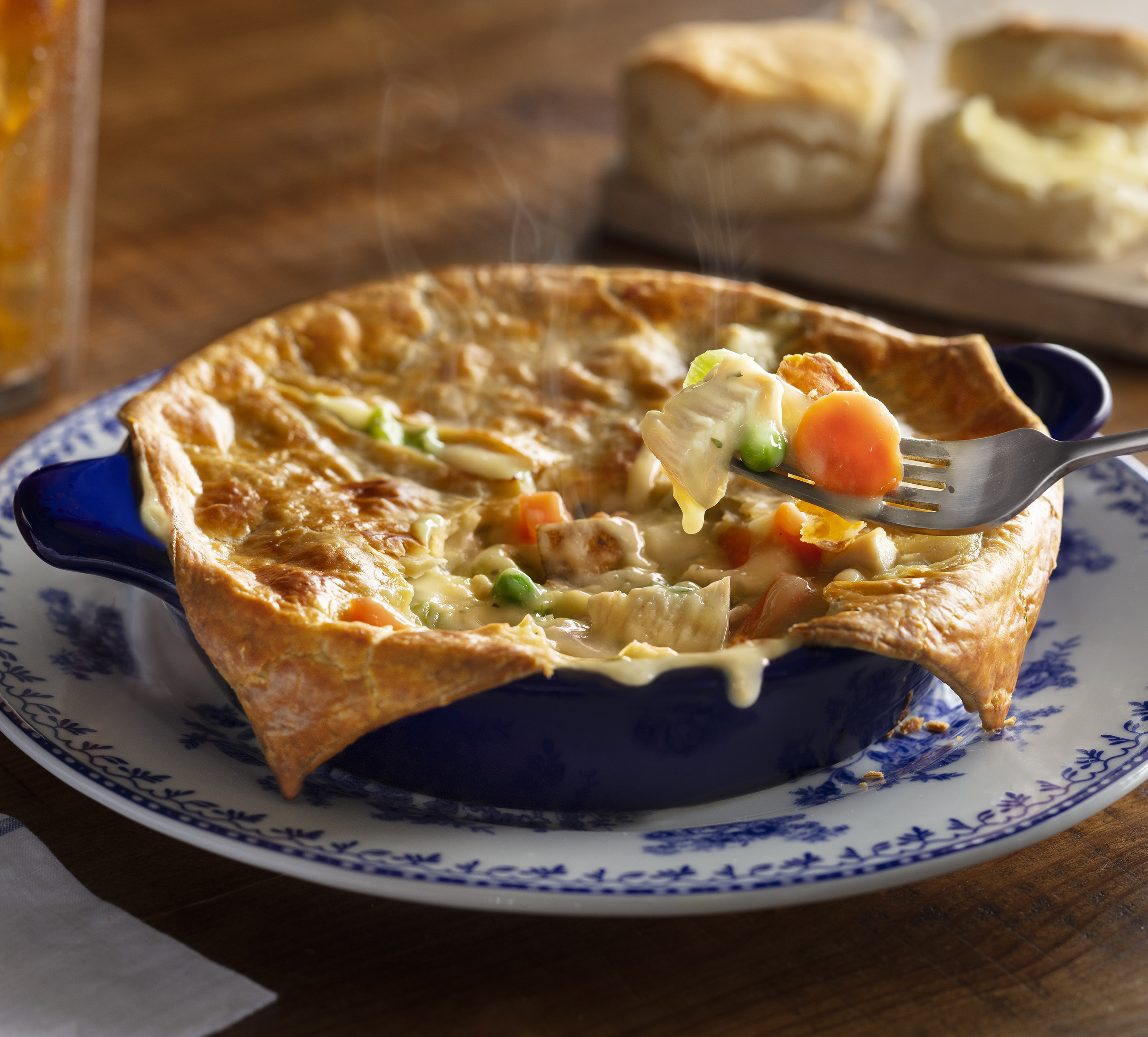
This reset isn’t just about who runs the floor. It also pulls menu strategy, retail design, and supply chain into coordinated lanes. Thomas Yun returns as vice president of menu strategy and innovation, replacing Matthew Banton. Yun held the role from "2022 to 2024" and was credited with successful introductions like Chicken and Rice and Pot Roast—approachable, craveable moves that fit the brand’s wheelhouse. On the retail side, Heather Hager (vice president, retail and design) and Heather Gammon (vice president, demand planning) step into expanded responsibilities following the retirement of Laura Daily, who served as senior vice president, chief merchant and retail supply chain. The integrated model links merchandising, design, and inventory operations so what you see, want, and can buy are finally on the same page. Smooth, right? Masino points to process improvements and an intent to deliver a "memorable holiday season"—a near-term target that matters given seasonal traffic and gift sales in the country store. Get the assortment aligned, keep back-of-house tight, and the guest gets a better meal—and maybe a stocking stuffer on the way out. That’s classic Cracker Barrel if they hit the timing. Analysis: Pairing a proven menu leader with consolidated retail and supply chain oversight ties concept and logistics together, positioning the brand to execute cleanly during a peak seasonal window.
A Branding Bet Reversed
Context matters. Earlier this year, the brand tested redesigned interiors at "four" of its "660" locations and introduced an updated logo that removed the iconic Old Timer figure. The response landed with a thud. Cracker Barrel suspended further remodeling and restored its traditional branding, ending its engagement with consulting firm Prophet. Sometimes the smartest move is to stop digging. The numbers show the bruise. Guest traffic fell approximately "8%" following the "August" logo change, and revenue for the quarter dropped around "2.9%". In the same stretch, "14" units of the Maple Street Biscuit Company were closed, stoking investor concern and criticism, including from rival Steak 'n Shake and proxy activist groups. When you’re a heritage brand, the line between fresh and familiar is thin—and easy to cross. That’s the backdrop for today’s simplification: a confidence rebuild measured in meals served right and stores that feel like home, not experiments. Pulling back to core identity isn’t retreat. It’s a recalibration to meet guests where they live. Analysis: The retreat from the brand refresh—and the quantified declines—frame the reorganization as corrective, with execution and dependability cast as the path to regain guest trust.
Money, Metrics, and the Message
Markets have been keeping score. The company’s stock declined nearly "17%" year‑to‑date, and analysts pulled quarterly earnings expectations down. Questions about the scale and pace of capital investment surfaced as earlier plans to spend up to "$700 million" on store renovations, menu updates, and operational enhancements ran into mixed results. Portfolio cleanup added to the signal. The closure of "14" Maple Street Biscuit Company locations underscored underperformance beyond the core brand. Governance followed suit with a financial tilt: Steve Bramlage, CFO of Casey’s General Stores, joined the board in "May 2025"—a move that points directly at discipline and retail acumen. When numbers wobble, boards look for levers that deliver quickly: cost clarity, operational reliability, and near-term wins guests can feel. Simplification under operators who know the playbook tends to fit that bill. If the plate gets better and the store runs tighter, the scoreboard usually catches up. Analysis: Underwhelming metrics and a financially oriented board addition increase accountability for returns, making the leadership reset a performance signal to shareholders as much as an operational plan.
The Known Unknowns
The company has been clear on who’s in, who’s out, and where authority sits. But disclosures leave gaps in the full reporting structure and the sequencing of changes beyond the near-term push for a "memorable holiday season." The statement that this is "not simply as cost-cutting or headcount trimming" draws a boundary, yet the materials don’t quantify cost impacts, headcount changes beyond the eliminated role, or the operational KPIs tied to the new structure. There’s also no set of targets or timelines offered to measure the rebound. We have quantified declines—traffic down "8%" following the "August" logo change and a revenue dip around "2.9%"—but not the thresholds the company aims to hit under the reorganized leadership. That puts the focus squarely on what guests feel in stores over the next few months. Sometimes that’s the right bet. When sentiment and repeat visits are the problem, the fix is rarely a press release. It’s a better breakfast, a warmer welcome, and a checkout line that moves. The scoreboard will tell the story later. Analysis: Without concrete KPIs or cost details, near-term success will be judged by observable service and sales momentum during a critical seasonal window.
Execution Is the Strategy
The plan lines up neatly: a simpler chain of command, an experienced operator over stores, a proven menu hand back at the helm, and retail-supply leaders connected to the dining room mission. Masino’s core statement—"Every plate served and every interaction with our guests reflects the care and quality we stand for"—anchors it. It’s a back-to-basics play with a seasonal deadline. If the move works, the holiday stretch becomes a turning point. A synced menu and retail plan can lift check averages and gift sales, while unified operations can shrink friction guests notice instantly. That’s how brands quiet critics: with hot, hearty plates and service that feels like a neighbor’s wave. No flash—just execution that makes the visit worth the trip. There’s a lesson here: when identity gets fuzzy, don’t add more noise. Strip it down, back the leaders who know the floor, and align the product with the promise. Cracker Barrel’s heritage leans on comfort and care. If the team delivers that consistently, the rest follows. Analysis: The holiday period will test whether aligned leadership and simplified operations can convert heritage and process fixes into real traffic and revenue gains after a turbulent year.