Denny’s Chooses a Private Table With 52% Premium as Board Cites Market Test
Denny’s agreed to an all-cash sale at $6.25 per share to a TriArtisan-led group, a 52% premium, after a formal market test that contacted over 40 potential buyers. Closing is expected in Q1 2026.
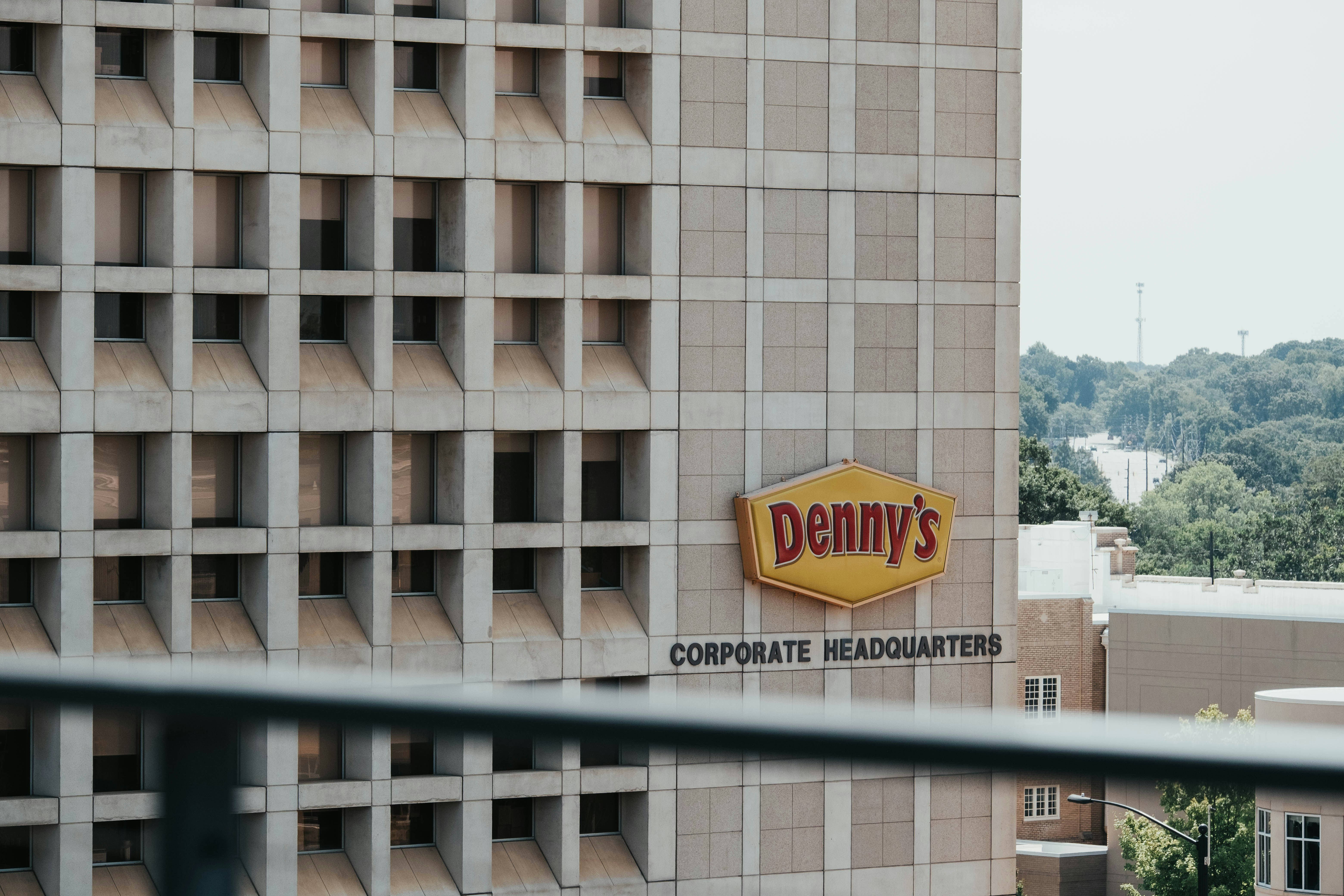
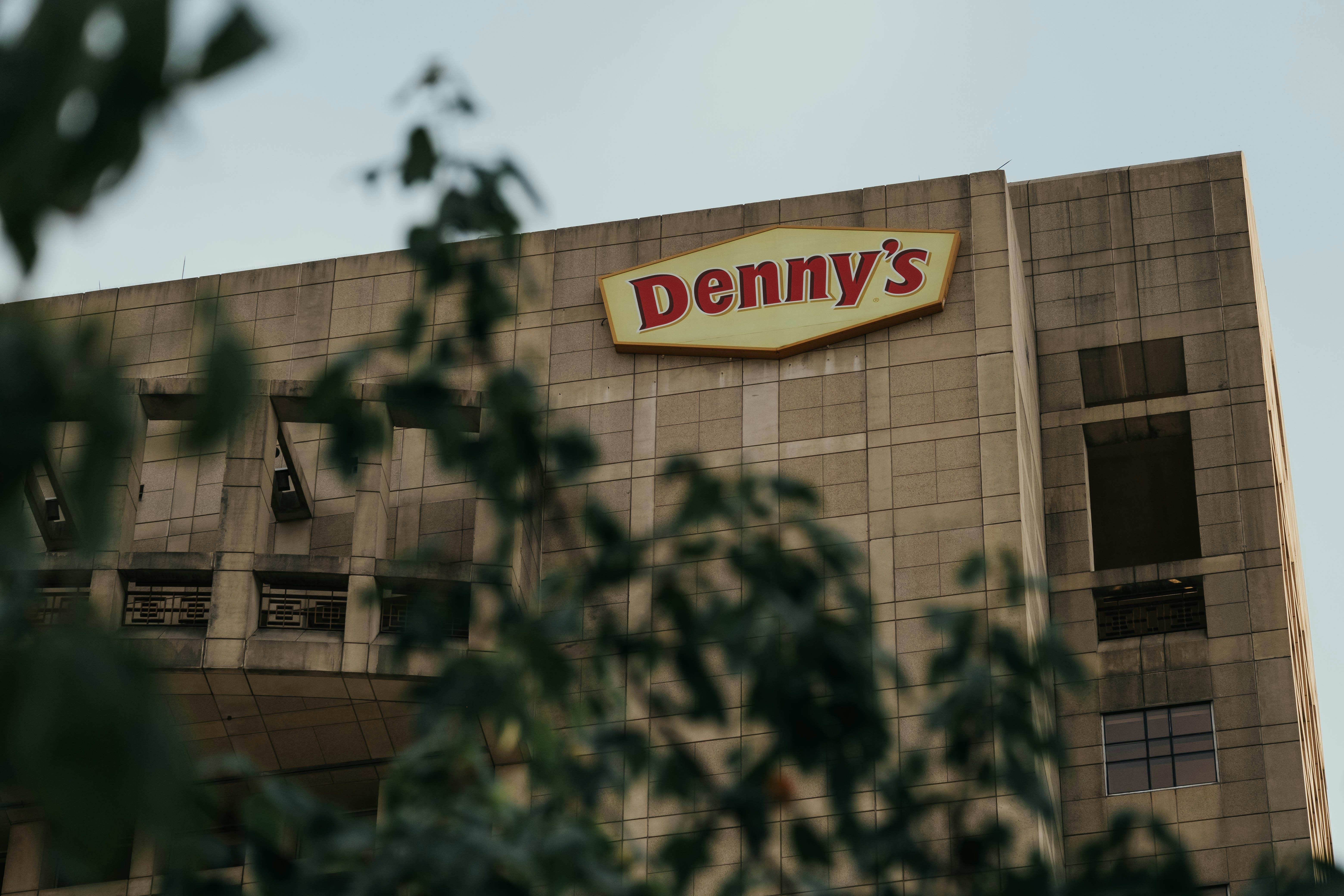
Photo by Zac Gudakov on Unsplash
A Premium For Certainty
The lights at Denny’s are set to dim from public to private, a gentle shift that comes with a clear promise to shareholders: “$6.25 per share,” an all-cash valuation that implies roughly $620 million including debt and a comforting 52% premium over the prior close. The board backed the agreement unanimously after a comprehensive review, and the market’s first response—an almost 50% after-hours surge—felt like a warm nod that the price met the moment. This decision followed outreach from TriArtisan Capital Advisors and culminated in a consortium bid that includes Treville Capital Group and Yadav Enterprises. The closing is expected in the first quarter of 2026, pending approvals. According to Denny’s press materials, the outcome reflects not simply a bid accepted, but a deliberate and competitive process designed to test what the brand could command beyond the trading day’s fluctuations. It is the sort of choice diners make when seeking steadiness: a booth near the window, a familiar menu, and time to focus. For Denny’s, the go-private path offers space to work on remodels and value plays without the draft of quarterly scrutiny, while shareholders receive a premium that the board concluded exceeded near-term standalone prospects. Analysis: The premium, unanimous approval, and immediate price reaction underscore confidence that the take-private valuation eclipsed what Denny’s could achieve soon as a standalone public company.
Signals That Shaped The Call
When TriArtisan first reached out, Denny’s didn’t simply take a seat; it set the table for a formal market test. Kelli Valade said the company contacted “over 40 potential buyers,” received multiple offers, and stacked each proposal against the brand’s standalone plan and a range of external alternatives. The board concluded that the chosen transaction “maximizes value,” is “fair to and in the best interests of stockholders,” and represents the right path ahead. The calendar mattered. Same-store sales had been mixed and franchise-level challenges showed through unit closures and targeted rehabilitation efforts. An activist investor, JCP Investment Management, increased its stake in September and signaled plans to discuss value-creation strategies with the board. Meanwhile, management leaned into remodels and value-forward promotions to coax traffic and stabilize comps. It was a delicate balance of testing short-term tactics while keeping a long view: how to preserve comfort in a brand built on it. Those dynamics create a mood akin to a late-night service where the kitchen is retooling the special while guests keep arriving. In that setting, a well-priced, well-tested offer provides calm—something reliable in hand—while operations push through their next iteration. Analysis: The mix of buyer interest, activist attention, and uneven comps made a premium take-private route a credible, near-term avenue for shareholder upside.
How The Bidding Unfolded
After TriArtisan expressed interest, Denny’s launched a structured review of strategic alternatives—built on outreach to “over 40 potential buyers,” with multiple offers in hand. In its communications, the board emphasized that any winning bid had to “maximize value” and be “fair to and in the best interests of stockholders.” The framing was straightforward and fiduciary: weigh each offer against standalone execution and other strategic options, then choose the path with the most certain and attractive outcome. The chosen buyer group matters. Alongside TriArtisan Capital Advisors and Treville Capital Group is Yadav Enterprises, one of Denny’s largest franchisees. That alignment brings the practical knowledge of an operator who already lives the rhythms of the brand—how a remodel changes a dining room’s feel, how a value promotion lands in a breakfast rush, how closures and openings shift local demand. In private hands, such alignment can shorten the distance between decision and implementation. In this telling, the process reads like a competitive tasting flight: multiple pours, careful comparison, a deliberate choice. The 52% premium is the board’s way of saying the selected glass was the right temperature, flavor, and finish for this stage. Analysis: Competitive interest gave the company leverage to secure a premium, and including a major franchisee hints at smoother operational execution once private.
Capital, Craft, And Familiarity
The buyer consortium threads together investment acumen and restaurant fluency. TriArtisan has deep experience in dining, including its acquisition of P.F. Chang’s in 2019, and maintains a broader portfolio in casual concepts. Treville adds private capital expertise. Yadav Enterprises brings the grounded cadence of an operator that is already one of Denny’s largest franchisees and is actively acquiring and running brands such as Del Taco (purchased for $115 million), Taco Cabana, and Nick the Greek. This is a profile suited to a brand with a to-do list: remodels to complete, value menus to tune, concept management that includes Keke’s Breakfast Cafe and virtual-brand testing. Against an active restaurant M&A backdrop, the mix suggests a comfort with both the mathematics of a turnaround and the soft skills of hospitality—how to make a refreshed unit feel welcoming after construction, how to nurture off-premises growth without losing the table’s warmth. Such a group can be comforting to stakeholders who prize continuity: the sense that diners will still find a hot plate and friendly service while the back-of-house strategy evolves. It is a gentle promise that the new owners understand the difference between a brand and a balance sheet. Analysis: The investors combine capital with operational know-how and franchisee alignment, positioning Denny’s for the practical work of remodels, value engineering, and portfolio stewardship.
Remodels, Closures, And Value Plays
Operationally, the recent chapters are written in measured strokes. In Q2 2025, Denny’s remodeled 14 restaurants (five company-operated), bringing the remodel rate to nearly 55% for company restaurants and over 10% across the franchise system. The company opened three restaurants and closed 10 low-volume franchised units with average unit volumes around $1 million. A focused rehabilitation program and proactive closures helped lift franchise AUVs by approximately 5%. There were bright spots in testing and channel mix. Virtual brand work with Franklin Junction’s Nathan’s hot dogs contributed about 50 basis points to company same-restaurant sales. Off-premises represented roughly 21% of total sales and added about 150 basis points to system-wide comps. Value promotions showed up with a meaningful presence—over a 20% incident rate—helping draw traffic even amid discounts. Keke’s Breakfast Cafe stayed resilient with 4% same-store sales gains and eight new cafes. The pace of closures accelerated: 88 units in 2024, with 70–90 more planned in 2025, often tied to low volume or lease expirations. Remodels under the “Diner 2.0” banner totaled 23 in 2024 (including seven company locations) and typically delivered a 6–6.5% lift in sales and traffic. Capital expenditures surged—up 65% year-to-date by Q2—while system-wide comps improved sequentially (1.3% in Q2), even as the core brand faced ongoing headwinds. Keke’s expansion into Nashville and Dallas brought higher-than-average volumes and strong guest satisfaction. Analysis: The data suggest targeted wins from remodels, off-premises, and value marketing, plus relative strength at Keke’s, yet a full core-brand turnaround remains unfinished.
Terms That Set The Pace
The sale terms read as a clear, comforting line item: an all-cash acquisition at “$6.25 per share,” valuing the company at approximately $620 million including debt. That price equates to a 52% premium to the prior close and, upon announcement, the stock climbed nearly 50% after hours. The board’s unanimous approval signals a cohesive internal view on both price and fit. Closing is anticipated in the first quarter of 2026, pending approvals. The extended window provides space for closing mechanics while the company continues its operational work—remodels, selective openings, and an emphasis on value and off-premises to maintain guest momentum. The consortium’s structure—TriArtisan Capital Advisors, Treville Capital Group, and Yadav Enterprises—sets up a private-market approach that, in the words of analysis provided, could help the company “pivot its capital structure and operational model.” For a brand mid-remodel, time can be a friend. The runway to 2026 allows initiatives already in motion to ripen, with private ownership ready to meet them on the other side of the transaction. Analysis: The premium and timeline create a bridge from public-market pressures to focused private stewardship, with enough time to keep operational initiatives moving toward handoff.
Execution In A Quieter Room
Some pieces remain gently out of view. The transaction is “expected to close in the first quarter of 2026, pending approvals,” and the context does not detail the specific conditions. Operationally, the company continues through a transitional period: accelerated closures, sustained capital spending under “Diner 2.0,” and persistent attention to value promotions, virtual brands, and off-premises sales to support comps. The buyer mix hints at how private ownership may proceed: franchisee alignment via Yadav Enterprises, dining experience from TriArtisan, and capital from Treville. That combination could influence the pace and scale of remodels, the role of Keke’s Breakfast Cafe within the concept portfolio, and the testing of virtual offerings. The board’s benchmark—choose a deal that “maximizes value” and is “fair to and in the best interests of stockholders”—now turns into a measuring stick for post-close execution. There is a quiet lesson here. When a well-known diner turns down the volume of the market to focus on its kitchen, it signals faith that steady hands and patient capital can nurture a turnaround. Shareholders have their premium in hand; operators and new owners will carry the work forward—one remodel, one value platform, one breakfast crowd at a time. Analysis: Key unknowns are timing and approvals, plus how aggressively private owners scale proven initiatives; the competitive process and franchisee alignment position the brand for practical follow-through.