
California Penalizes Dickey's for Franchise Disclosure Violations
California shifts to public enforcement strategy against Dickey's for deceptive franchise disclosures, signaling stricter state-level franchise oversight.
Franchising
Sep 10, 2026
California shifts to public enforcement strategy against Dickey's for deceptive franchise disclosures, signaling stricter state-level franchise oversight.
Sep 10, 2026
Paul Brown temporarily steps away from Inspire Brands as Scott Murphy assumes interim CEO role during confidential IPO filing process targeting late 2026.
Sep 10, 2026
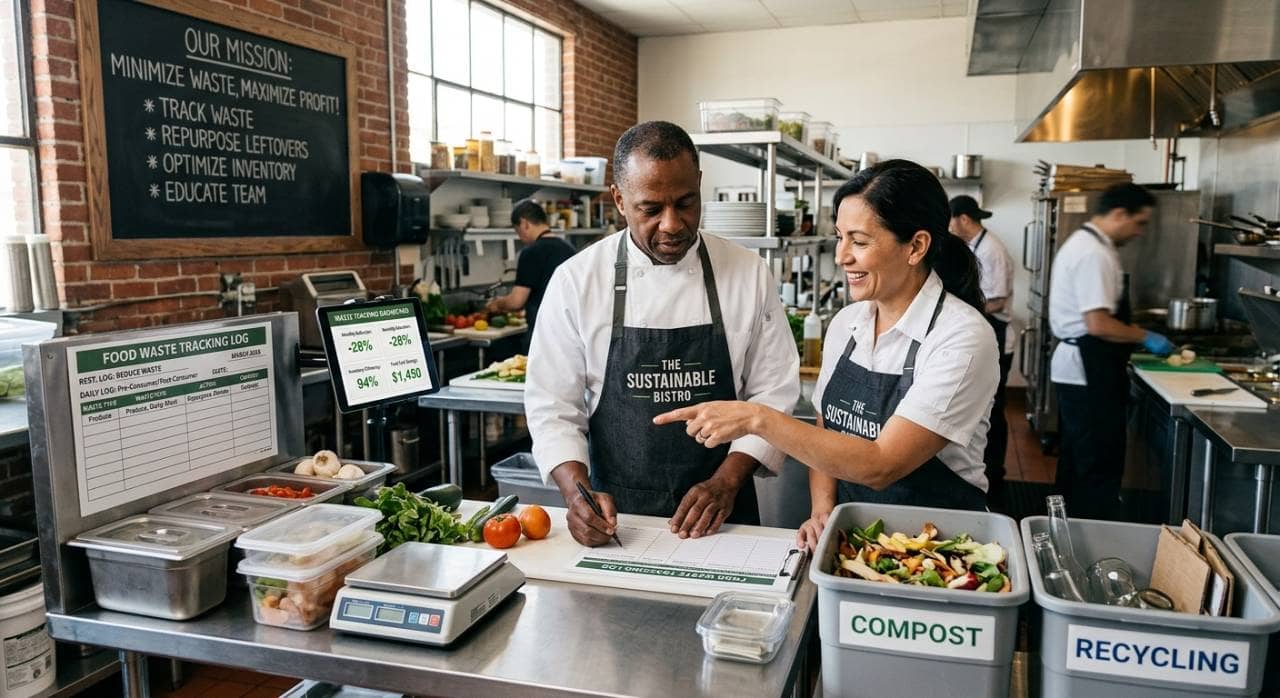
Learn how to reduce food waste in restaurants through smarter purchasing, storage, preparation, and service strategies that cut costs.
Sep 9, 2026
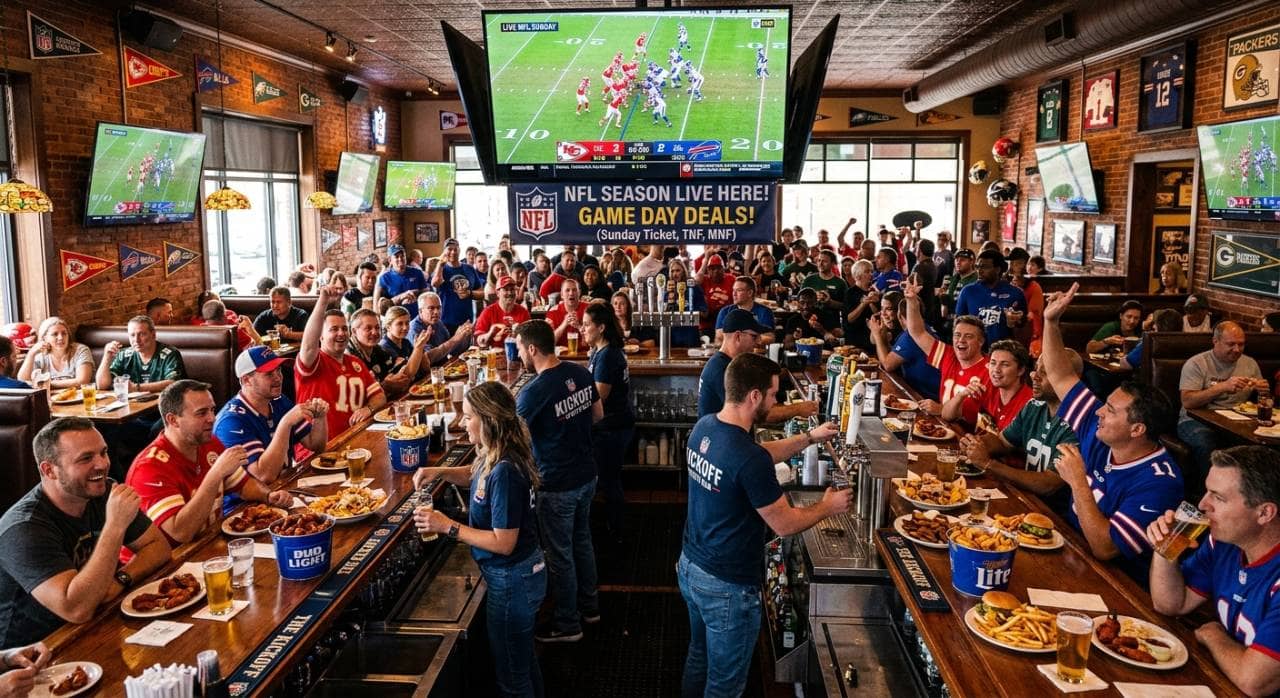
Prepare your restaurant for NFL season with smart menu planning, staffing, marketing, technology, and atmosphere strategies that boost season-long revenue.
Sep 9, 2026
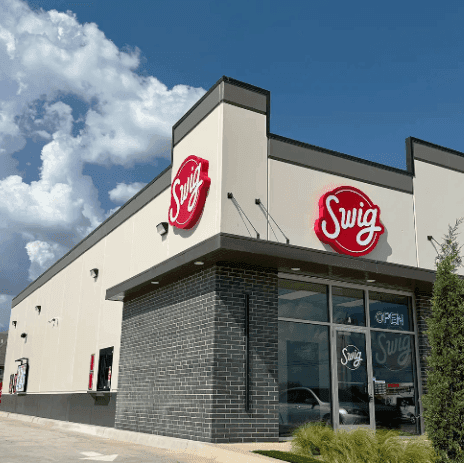
Swig signs franchise agreement for 11 South Denver locations, marking Colorado entry and validating its national expansion strategy.
Sep 8, 2026
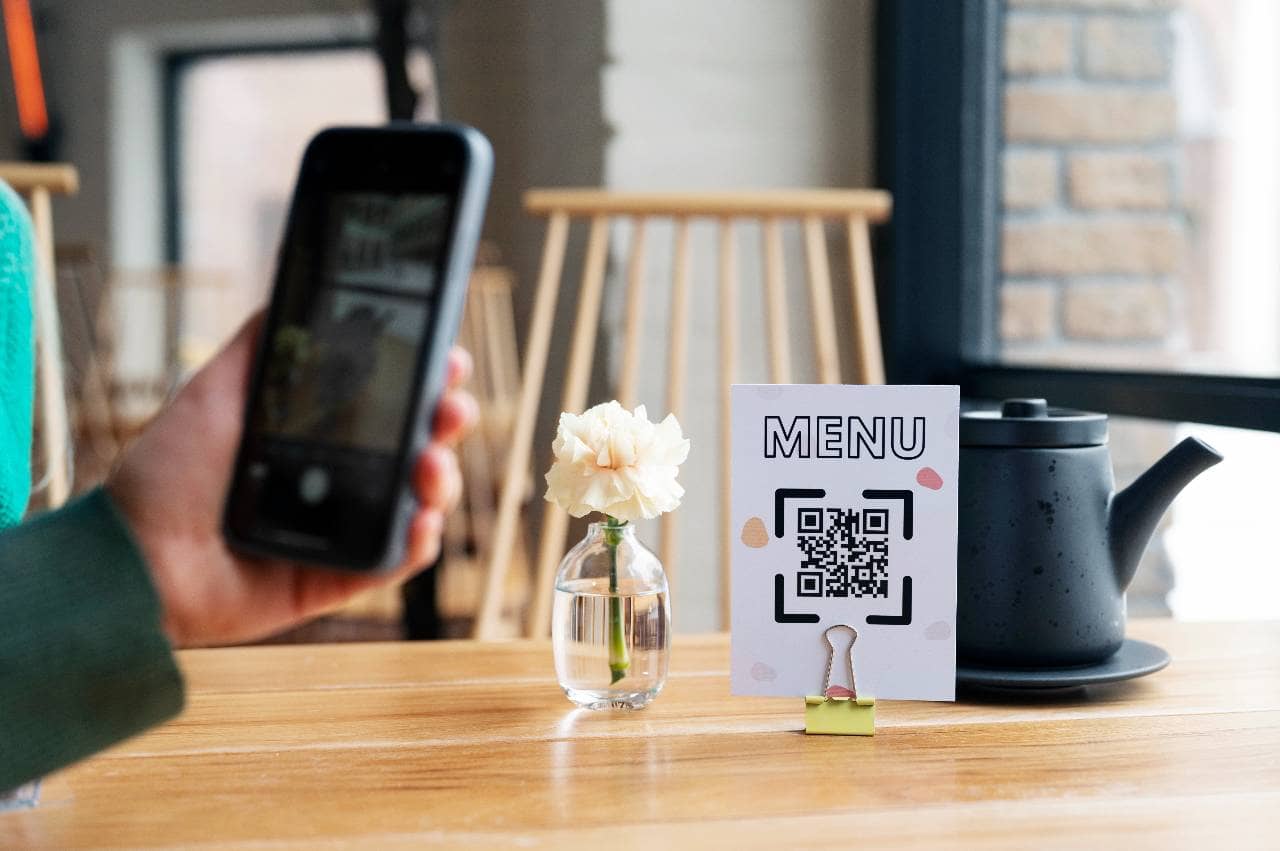
QR code menus let restaurants replace paper menus digitally, enabling instant updates, contactless browsing, ordering, and payment through simple smartphone scanning.
Sep 7, 2026
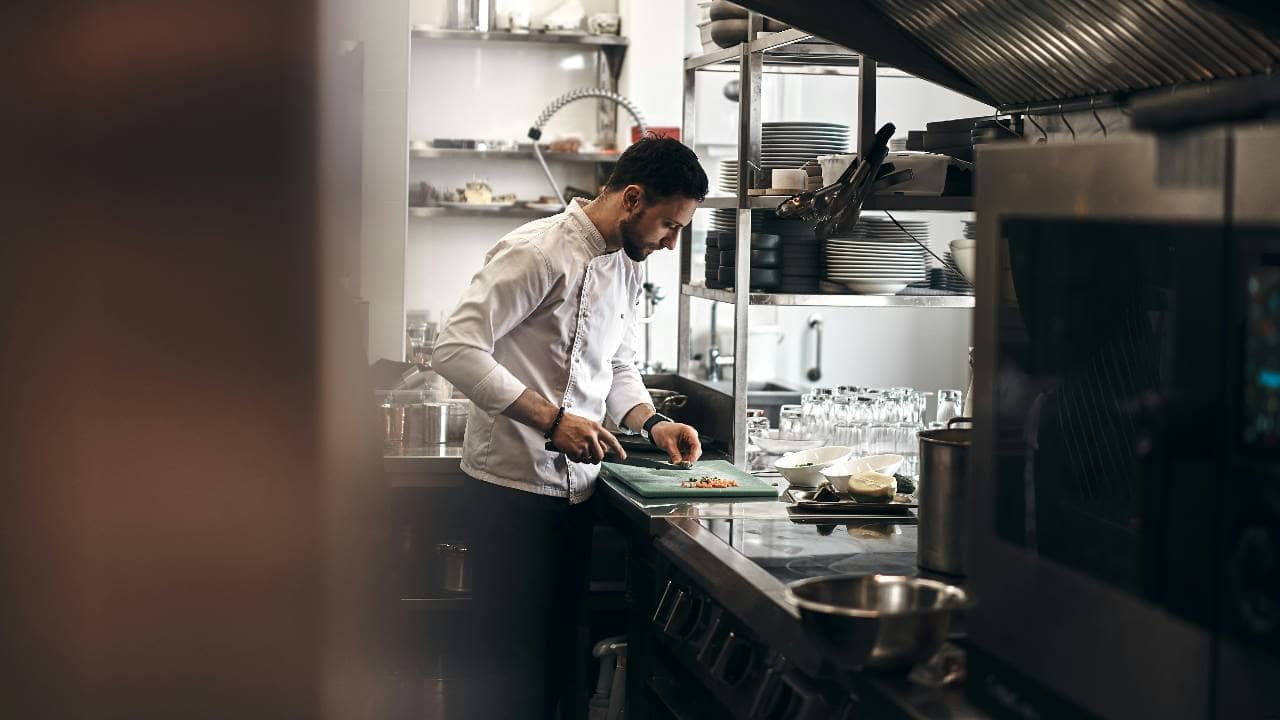
Complete guide helping restaurant owners choose essential kitchen equipment - covering cooking, refrigeration, prep, sanitation, ventilation, safety, and long-term maintenance planning.
Sep 7, 2026

Avoiding common restaurant payroll mistakes - misclassification, tip credit errors, overtime miscalculations - protects businesses from costly penalties, back pay, and compliance risks.
Sep 4, 2026
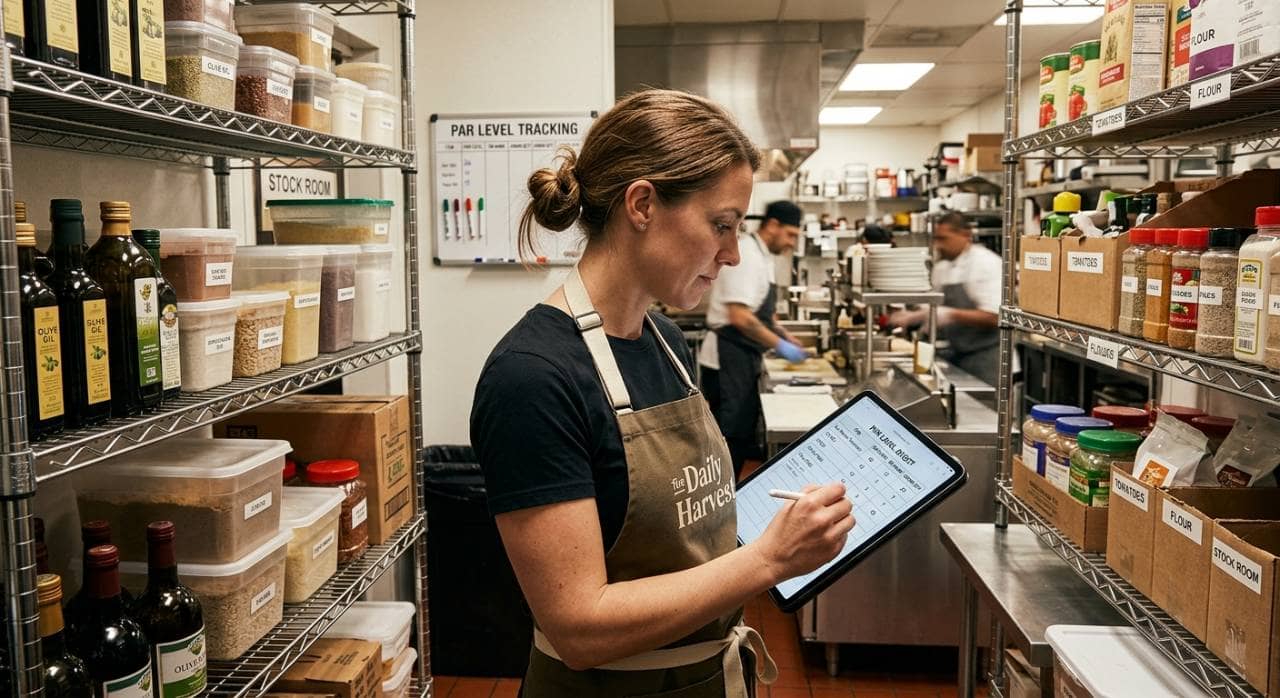
Learn to calculate par levels for restaurant food, beverages, and packaging inventory, preventing stockouts and waste through proper formulas.
Sep 4, 2026
Caribou Coffee appoints Zane Thomas-Rogers as Chief Operations Officer to strengthen execution across its expanding coffeehouse network.
Sep 4, 2026

Unlock Exclusive Access To Webinars, Events, And The Latest News For Free!
Kwame Onwuachi unveils Dōgon in Salamander DC, weaving Afro-Caribbean heritage with design-forward dining in a two-city vision.

Photo by Roger Darnell
Returning to Washington, D.C., Kwame Onwuachi unfurls a narrative as carefully as a chef seasons a dish. Dōgon, named for the West African Dogon, opens within the Salamander Washington DC as a centerpiece of the hotel's renewed dining landscape. The story is not merely about cuisine but about place, memory, and conversation, the open kitchen at the heart of the room letting cooks and guests share a breath across the wooden counter. The room seats roughly 140, yet it feels intimate, a theater of scent and light where blues and lilacs hush the room and the night begins to speak. The date is September 9, 2024, and the performance has begun.
From the outset, the Salamander project has reshaped the dining landscape, and Dōgon stands as its signature destination, anchored by an open kitchen that breathes in front of guests and a dining room that expands into a lounge, a bar, and a private dining area with seasonal patio seating. The design, by Modellus Novus, the same firm behind Tatiana, favors calming blues and lilacs, while three recessed ceiling domes imitate a moonlit sky, and candle-like lights conjure a starry night. In this space, warmth is the medium and storytelling is the language, a dining room that invites listeners as much as diners. The space listens as the menu begins to speak.
The Salamander project has reshaped the dining landscape, and Dōgon stands as its signature destination, anchored by an open kitchen that breathes in front of guests and a dining room that expands into a lounge, a bar, and a private dining area with seasonal patio seating. The design, by Modellus Novus, the same firm behind Tatiana, favors calming blues and lilacs, while three recessed ceiling domes imitate a moonlit sky, and candle-like lights conjure a starry night. In this space, warmth is the medium and storytelling is the language, a dining room that invites listeners as much as diners. The stage is set for a narrative that travels beyond the plate.
The room’s layout, with its lounge, bar, and private dining alcoves, is designed to nurture intimate gatherings while remaining inclusive. The open kitchen becomes a live theatre, a perpetual conversation between cooks and guests, a visual companion to a menu built around Afro-Caribbean storytelling. This is hospitality as dialogue, not a rigid ceremony, and it aligns with a broader aim to invite curiosity as eagerly as appetite.
At the heart of Dōgon lies Afro-Caribbean sensibility, rendered through a shared-plate approach that invites conversation and collective savor. The kitchen, led by Martel Stone, presents a sequence of dishes that honor heritage while embracing contemporary technique. Expect carrot tigua with pickled onions, peanut crustacean stew, and burnt carrots, alongside a piri piri salad of cucumber, toasted almonds, and avocado. Bread service frames the meal with coco bread and malted sorghum butter, while desserts, shaved ice and rum cake, signal a Caribbean whisper at the end of the table.
Onwuachi builds a menu from a tapestry of roots, Nigerian, Jamaican, Trinidadian, and New Orleans Creole, rendering diaspora cuisine into a discourse rather than a collection of plates. The shared configuration elevates conversation as a dining principle, turning a meal into an occasion for storytelling around the table. The kitchen as a partner, the room as a stage, and the flavors as a language that travels with the guest from dining room to patio. This is cuisine as culture, not merely sustenance, and the aim is to provoke dialogue as gracefully as it satisfies hunger.
Dōgon is named for the West African Dogon tribe, and its concept draws significant inspiration from Benjamin Banneker, the Black mathematician, astronomer, and inventor whose work helped establish Washington, D.C.’s original boundaries. The Dogon lineage, via Banneker’s ancestry, provides a historical frame for the menu and service, anchoring the restaurant in a broader conversation about Black history, science, and culture. This lineage becomes a narrative engine, not a museum, guiding how hospitality and dining can become a living thread through time.
Salamander materials and Salamander-driven coverage place Dōgon within a continuum of storytelling-driven dining. External profiles, including The World’s 50 Best Discovery, map the concept alongside Onwuachi’s broader career. The Dogon-Banneker frame grounds the experience in a history that invites guests to read a menu as a page of heritage. The design and narrative strategy turn the room into a forum where food becomes conversation and history becomes appetite.

Tatiana in New York and Dōgon in Washington, DC articulate Onwuachi’s two-city stance: home in the Big Apple, second home in the seat of power by the Potomac. The arrangement relies on a cohesive team, Martel Stone in the kitchen and Derek Brown overseeing beverages, to sustain a standard of excellence across venues. The strategy signals a broader industry arc: cultural storytelling at the highest tier demands not only talent but quiet, durable collaboration.
Forbes and Washington Post dominate the landscape, with Axios and Eater DC weighing timelines and design choices. The two-city model is framed as both promise and test. If the approach endures, it could spur other chefs to pursue multi-market concepts where diaspora cuisine is elevated by craft, hospitality, and a shared cultural vocabulary. The result could be a more nuanced, confident conversation about what fine dining can become when heritage becomes a premium, cross-city subject.

Early reviews frame the opening with warmth and curiosity, yet warn that sustained success will hinge on consistency, evolving menu execution, and the ability to scale storytelling without diluting hospitality. The Washington Post praised the welcome and concept while signaling that momentum will depend on seasonality, staffing, and ongoing refinement across venues. The two-city model, though promising, requires ongoing collaboration and measurement to avoid the hollow echo of initial buzz.
Ultimately, Onwuachi invites diners to listen as much as they taste: when it has a story, it has a soul. If Dōgon and Tatiana prove resilient, the model could become a template for diaspora cuisines in premium spaces, two cities, one voice, many tables. The fusion of culture, design, and craft remains the chef’s bravura: hospitality as a living dialogue that travels with guests, from dusk to the next plate.
