Inspire Brands CEO Steps Back as IPO Push Enters Critical Phase
Paul Brown temporarily steps away from Inspire Brands as Scott Murphy assumes interim CEO role during confidential IPO filing process targeting late 2026.
News
Sep 10, 2026
Paul Brown temporarily steps away from Inspire Brands as Scott Murphy assumes interim CEO role during confidential IPO filing process targeting late 2026.
Sep 10, 2026
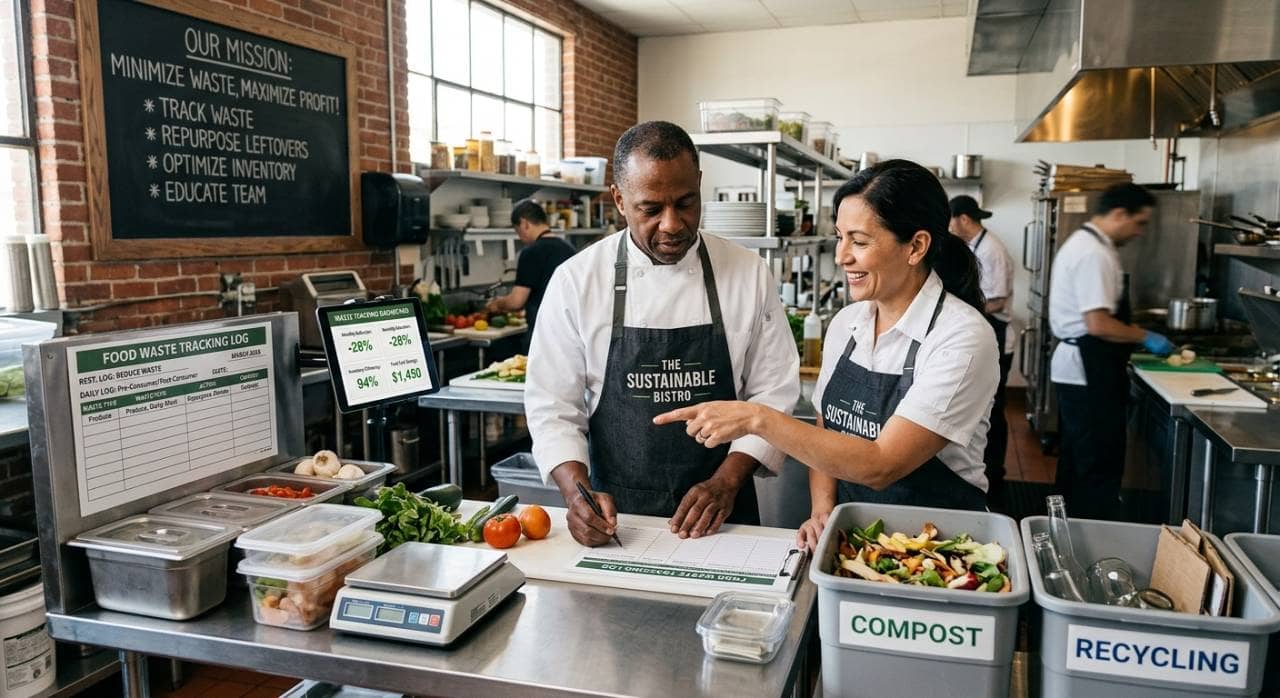
Learn how to reduce food waste in restaurants through smarter purchasing, storage, preparation, and service strategies that cut costs.
Sep 9, 2026
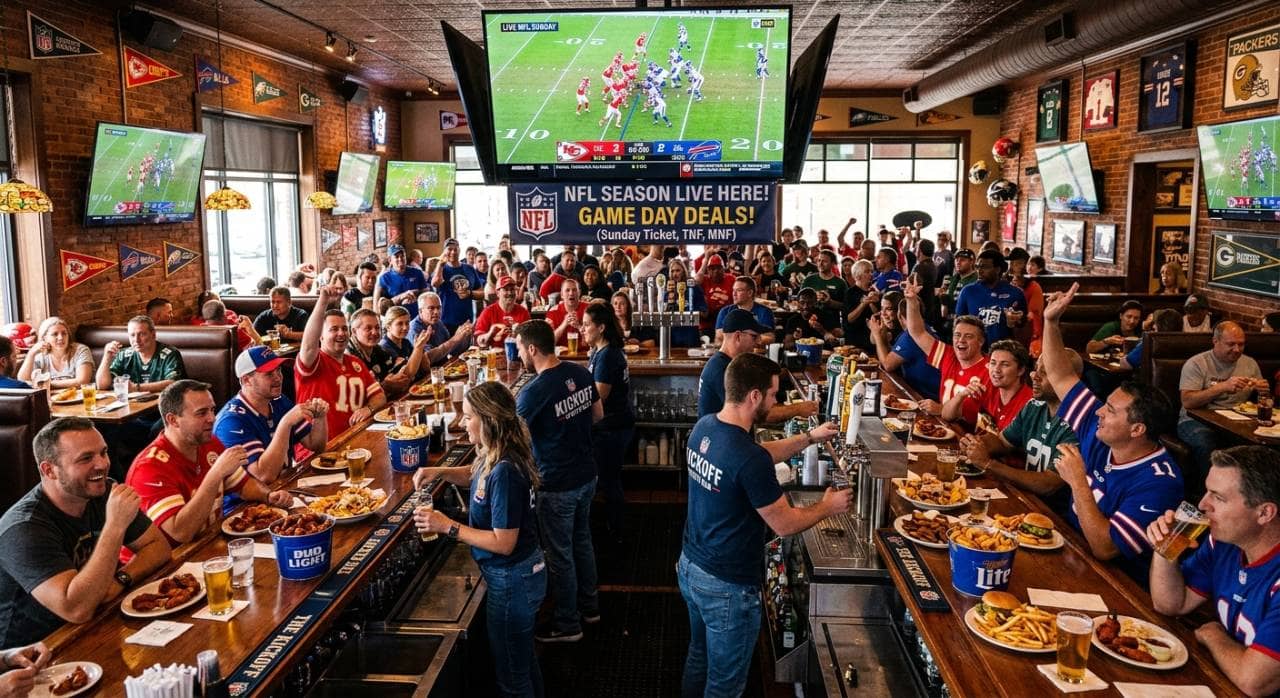
Prepare your restaurant for NFL season with smart menu planning, staffing, marketing, technology, and atmosphere strategies that boost season-long revenue.
Sep 9, 2026
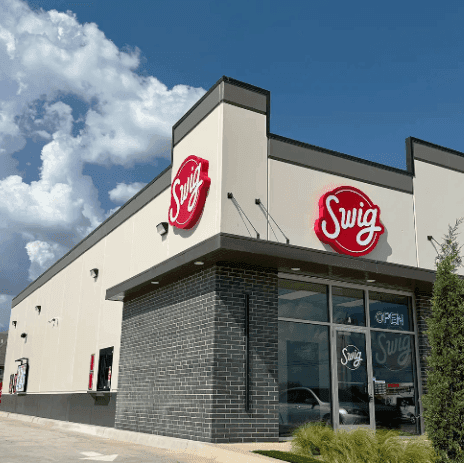
Swig signs franchise agreement for 11 South Denver locations, marking Colorado entry and validating its national expansion strategy.
Sep 8, 2026
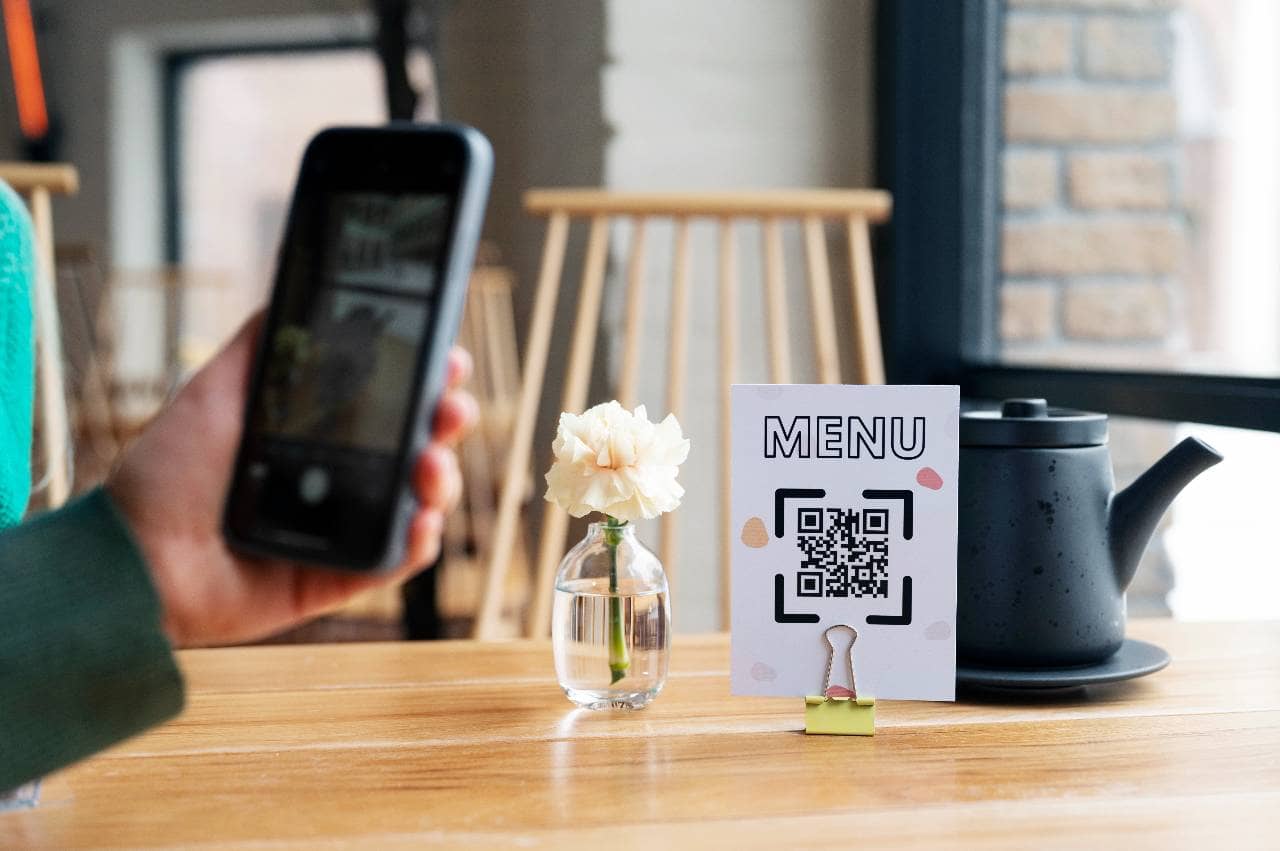
QR code menus let restaurants replace paper menus digitally, enabling instant updates, contactless browsing, ordering, and payment through simple smartphone scanning.
Sep 7, 2026

Complete guide helping restaurant owners choose essential kitchen equipment - covering cooking, refrigeration, prep, sanitation, ventilation, safety, and long-term maintenance planning.
Sep 7, 2026

Avoiding common restaurant payroll mistakes - misclassification, tip credit errors, overtime miscalculations - protects businesses from costly penalties, back pay, and compliance risks.
Sep 4, 2026
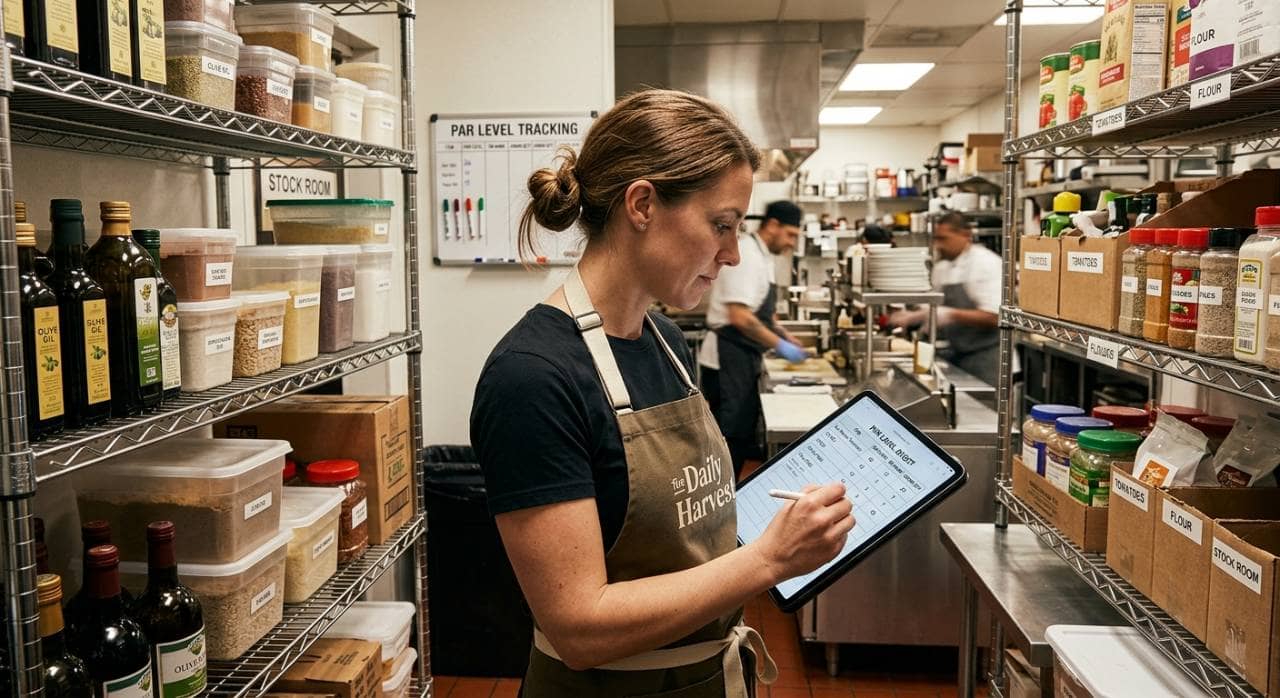
Learn to calculate par levels for restaurant food, beverages, and packaging inventory, preventing stockouts and waste through proper formulas.
Sep 4, 2026
Caribou Coffee appoints Zane Thomas-Rogers as Chief Operations Officer to strengthen execution across its expanding coffeehouse network.
Sep 4, 2026

Compare the top 10 restaurant POS systems in the USA for 2026. Explore features, pricing, pros, cons, and the best POS options for every restaurant type.
Jul 1, 2026

Unlock Exclusive Access To Webinars, Events, And The Latest News For Free!
Dickey’s completes a three-year backend overhaul, shifting to horizontal microservices to boost store autonomy and efficiency.

Photo by SJ 📸
Three years in the making, Dickey’s NextGen quietly rewired its internal engine. The Dallas-based chain finished a backend overhaul that moved away from the consumer-facing tweaks of the pandemic era. This was a deliberate shift to a horizontal, microservices-based architecture, not a collection of shiny add-ons. The goal is simple: smoother internal connectivity, fewer outages, and real-time agility for front-line teams. Customers won’t notice the transition on day one, but franchisees will feel the change in how quickly they can adjust menus and labor plans without triggering a system-wide ripple.
Let’s talk specifics. The NextGen move didn’t just install new tools; it rebuilt the stack around a single hub. Data flows were cleaned up, a unified programming codebase emerged, and the architecture was redesigned to connect menu, pricing, inventory, and scheduling across stores. Data flows and a unified codebase reduce friction. Managers can now schedule, price, and update menus from mobile devices without disrupting others. Dickey’s also rolled out a cloud analytics layer, Smoke Stack, hosted on AWS, designed to give cross-store insights on sales, labor, and KPIs. The aim: faster, more actionable information at the point of decision.

Two phases marked the journey. The first phase brushed up customer-facing touchpoints, website and mobile ordering, so the brand’s public face stayed crisp. The second phase tackled the core programming: standardizing code, tightening data flows, and moving toward a horizontal backbone that links every component. The result is a system where changes at the store level, pricing, promotions, or menu tweaks, don’t force a cascade through third‑party vendors or the public site.
Franchisees can tune store-level features without rattling the wider system. Exclusive in-store promos, localized pricing, and menu variants can be rolled out without downtime for the user experience elsewhere. It’s all accessible on mobile, so managers schedule, track inventory, adjust prices, and update menus from the palm of their hand. The cloud data layer ties these actions to broader analytics, letting operators compare performance across stores and respond quickly to trends.
Leadership frames the shift as enabling rather than flashy. The CEO likens the new system to a train line: components run independently but stay connected to a central hub, delivering speed with precision. "the system is now more elegant, like a train line, with components operating independently but connected from a central hub." This metaphor captures the goal: modular, interoperable parts that can be updated without destabilizing the whole. Smoke Stack provides an easy, cost-effective way to integrate, analyze, and act on valuable business data, translating into dollars saved and earned by relying on a more accessible, timely, and actionable data environment. said Dickey’s CIO, signaling the leadership’s push to empower store teams and cut down on centralized tech bottlenecks.
In short, the leadership narrative centers on functionality over flash: faster decisions, fewer outages, and a data environment people can actually use at the store level.
The enterprise has faced headwinds. Smokin’ Dutchman Holdings, which runs four Dickey’s locations in Michigan, filed for Chapter 11 in September 2024 with about $2.1 million in debt, citing extreme and unreasonable demands from the parent company as a root cause of its challenges. This case shows the pressures on individual units even as the brand pursues a tech-enabled uplift. Dickey’s overall performance has been mixed but improving: $322 million in U.S. sales in 2023 across 469 units, with average unit volumes near $675,000.
Momentum picked up in 2025, with 46 new openings through the first three quarters and a pace to surpass 60 by year-end, pushing Dickey’s store count past 400 locations. These figures anchor a narrative of gradual, disciplined growth set against ongoing macro headwinds in the sector.

Dickey’s tech overhaul happened as the restaurant sector faced broad pressures, from franchisee stress to restructuring across national brands. The industry’s pace of change has accelerated as operators rebalance growth with core concepts. Dickey’s has signaled a shift away from non-core virtual brands toward core barbecue offerings, while chasing growth through ghost kitchens and international opportunities. The move fits a wider industry push toward modular software and data-driven operations in quick-service dining.
That broader context matters because a tech backbone like NextGen isn’t just about efficiency; it’s about resilience. By shifting to a connected, flexible architecture, Dickey’s is aiming to support faster store-level decision making as the brand expands, ghost kitchens, international sites, and a stronger franchise ecosystem all rely on a foundation that can scale without cracking.

Dickey’s NextGen rollout stands as a disciplined, back-end-first modernization. Shifting from a vertically layered stack to a connected, horizontal architecture reduces bottlenecks, accelerates local decision-making, and lights the path for scalable growth in a crowded field. The combination of cloud analytics, standardized code, and mobile tools aligns with a broader industry move toward modular software and data-driven operations. As the brand presses ahead with ghost kitchens and international opportunities, the tech backbone is designed to keep pace with demand, supply dynamics, and competition.
