California Penalizes Dickey's for Franchise Disclosure Violations
California shifts to public enforcement strategy against Dickey's for deceptive franchise disclosures, signaling stricter state-level franchise oversight.
Franchising
Sep 10, 2026
California shifts to public enforcement strategy against Dickey's for deceptive franchise disclosures, signaling stricter state-level franchise oversight.
Sep 10, 2026
Paul Brown temporarily steps away from Inspire Brands as Scott Murphy assumes interim CEO role during confidential IPO filing process targeting late 2026.
Sep 10, 2026
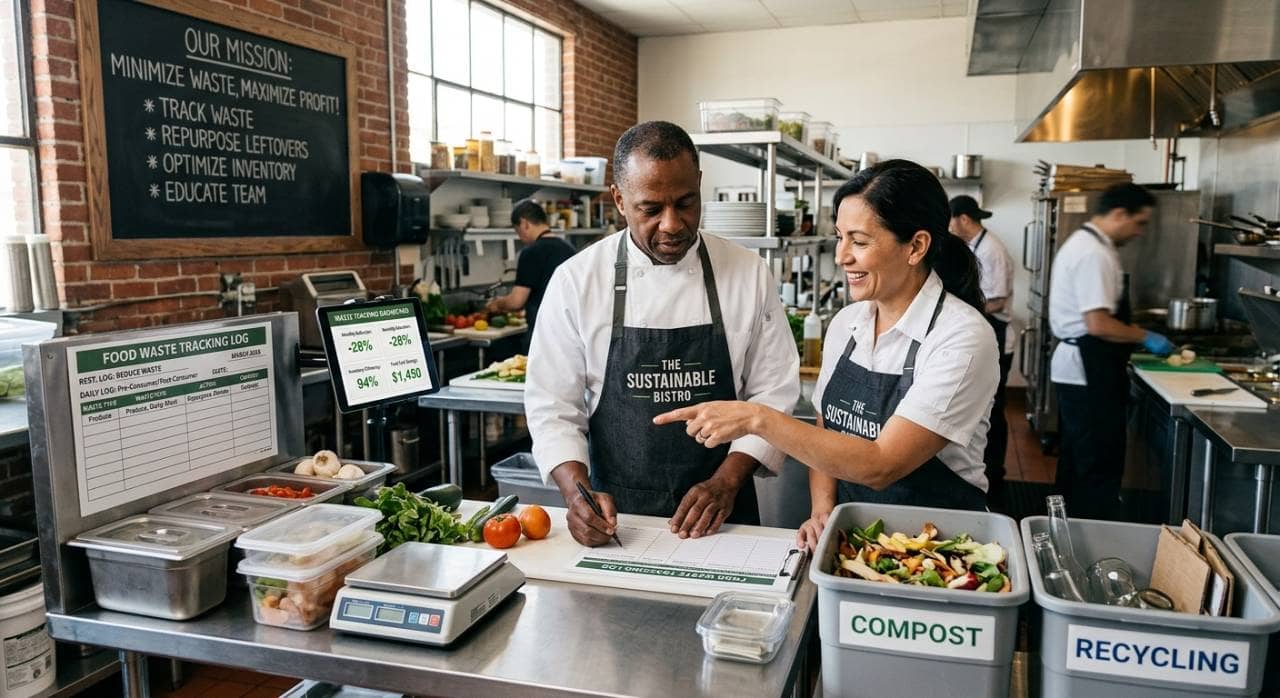
Learn how to reduce food waste in restaurants through smarter purchasing, storage, preparation, and service strategies that cut costs.
Sep 9, 2026
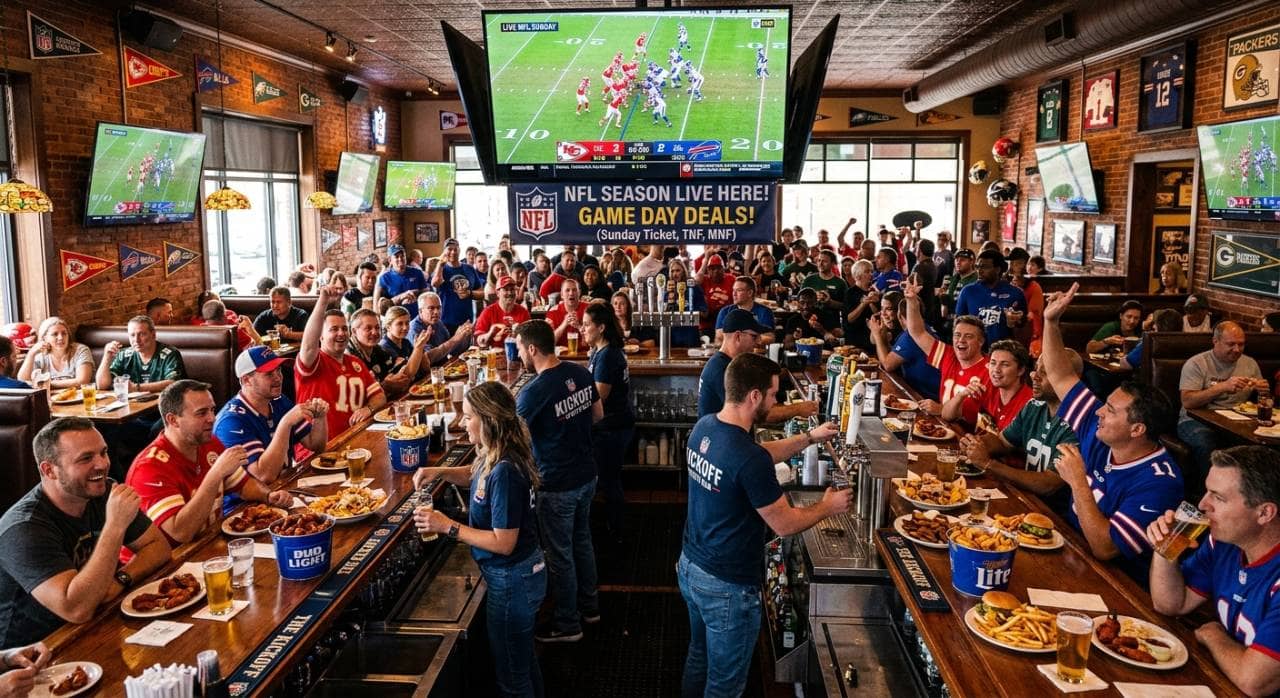
Prepare your restaurant for NFL season with smart menu planning, staffing, marketing, technology, and atmosphere strategies that boost season-long revenue.
Sep 9, 2026
Swig signs franchise agreement for 11 South Denver locations, marking Colorado entry and validating its national expansion strategy.
Sep 8, 2026
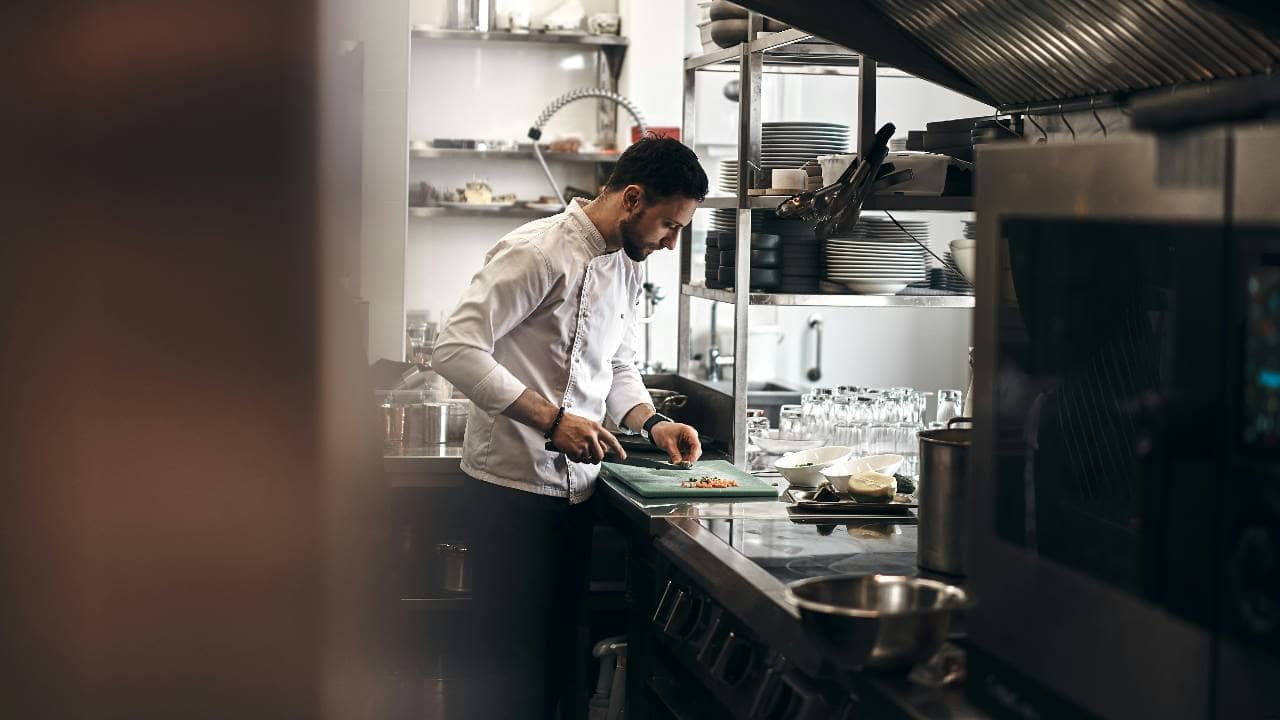
Complete guide helping restaurant owners choose essential kitchen equipment - covering cooking, refrigeration, prep, sanitation, ventilation, safety, and long-term maintenance planning.
Sep 7, 2026
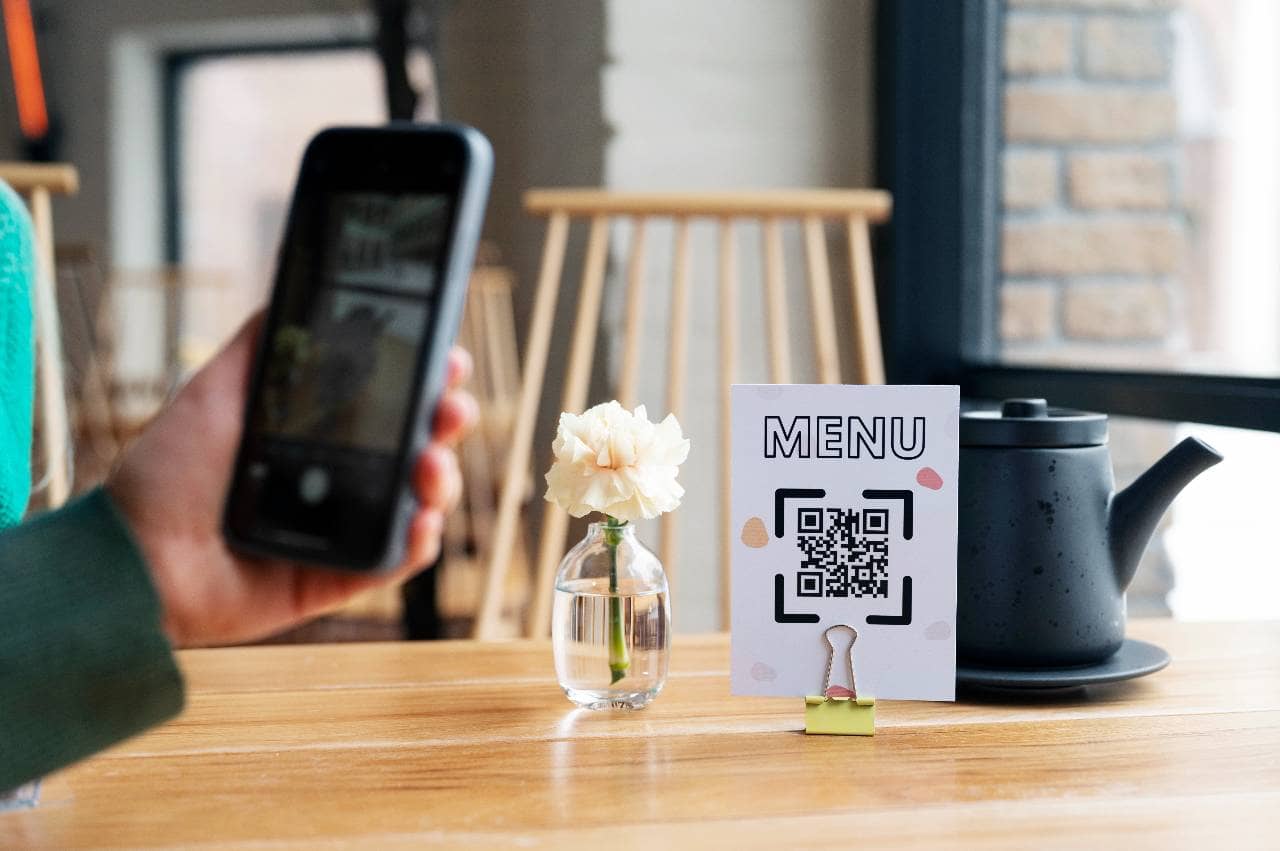
QR code menus let restaurants replace paper menus digitally, enabling instant updates, contactless browsing, ordering, and payment through simple smartphone scanning.
Sep 7, 2026

Avoiding common restaurant payroll mistakes - misclassification, tip credit errors, overtime miscalculations - protects businesses from costly penalties, back pay, and compliance risks.
Sep 4, 2026
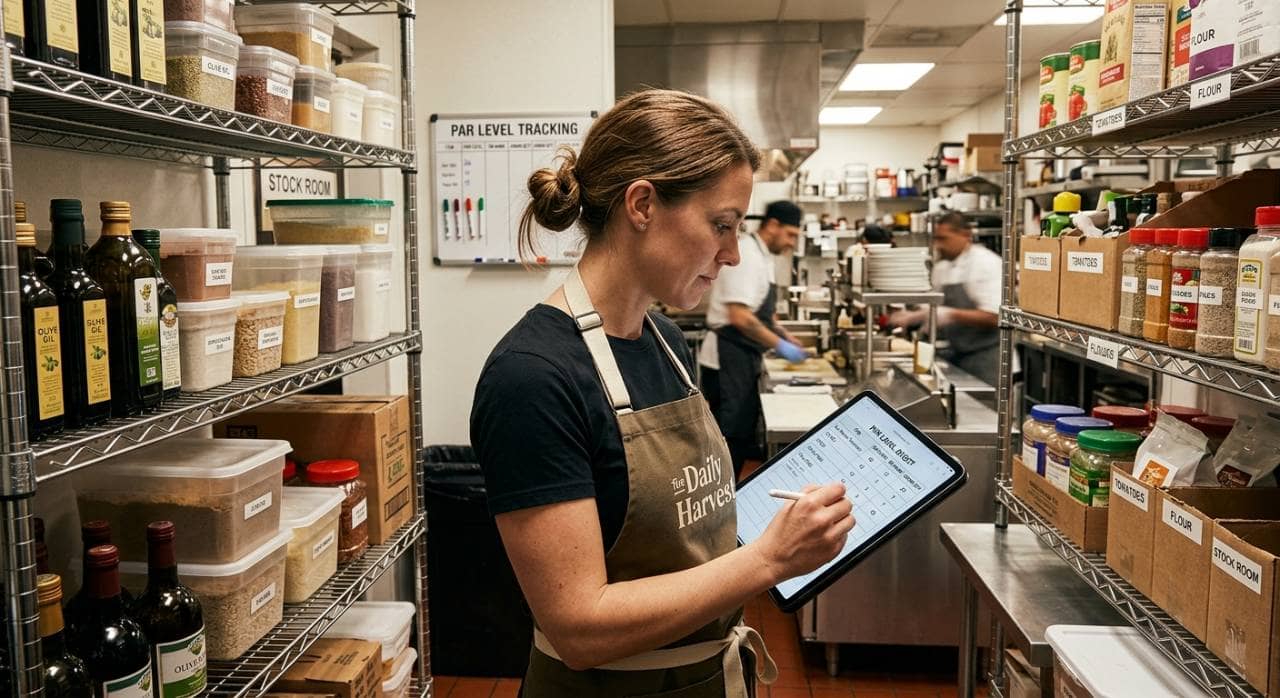
Learn to calculate par levels for restaurant food, beverages, and packaging inventory, preventing stockouts and waste through proper formulas.
Sep 4, 2026
Caribou Coffee appoints Zane Thomas-Rogers as Chief Operations Officer to strengthen execution across its expanding coffeehouse network.
Sep 4, 2026

Unlock Exclusive Access To Webinars, Events, And The Latest News For Free!
A portrait of a family brand rebuilding its voice after a buyout, fueling growth with community and purpose across traditional and non-traditional spaces.
From the Columbus Porch to a National Promise The Donatos story begins with a sign and a front porch that welcomed neighbors as readily as orders. Donatos, born from a Latin name meaning to give a good thing, carried a vow as tangible as a warm slice: hospitality woven into every crust. It was not a ledger but a living room, where the line between family, guests, and community blurred into one shared aroma. This intention would guide a lifetime of growth: rooted, generous, enduring. And it begs a question: can a brand remain intimate while reaching outward? It could, if the method stays faithful to its origins: colonizing neighborhoods with warmth and purpose.
Today, the scale has been defined in ground-level terms: Donatos operates hundreds of restaurants across 29 states, including 178 traditional Donatos restaurants, with a footprint that remains tethered to its original intent. According to the franchise press center, the brand serves in over 460 locations, a statistic that encodes both breadth and a recognizable thread of hospitality. Growth, for the Grotes, was never about a store-count target or an exit strategy; it was about expanding with integrity and purpose, letting relationships, neighbors, teammates, and vendors, become a business asset as reliable as a well-timed delivery.
Jane Grote Abell carried the family’s hospitality into the highest rooms of leadership. Her ascent, from training manager to chief people officer to president, was guided by a conviction that leadership should serve others as much as profits. The culture is stitched by long-tenured teammates, some who have given fifty years to the brand, a quiet testament to a service-driven organization. In every decision, the Donatos ethos returns to people first: growth as a means to strengthen community bonds rather than widen the ledger, a principle that keeps the house centered.
That heritage translates into a workplace where long-tenured teammates anchor a culture that prizes relationship as a business asset. Growth, in this frame, is not a sprint but a careful cadence: every new partnership, every menu change, every neighborhood engagement must reinforce the same thread, the brand is most meaningful when it remains connected to the people who first welcomed it. The mission and the identity converge in a quiet, persistent way, anchoring Donatos in its neighborhoods while enabling scalable, responsible expansion.
Deal-making in this story has tested the balance between opportunity and essence. The occasional, high-dollar franchise pursuit collided with core values, signaling that not every door deserves to be opened. In 1999, a notable moment rang when McDonald’s offered to purchase Donatos, a prospect that promised scale but carried a cost in voice and mission. The aftermath exposed a cultural drift: meetings where the family’s tone felt diminished, and the hard-won claim of being a soul-driven organization approaching its limits.
The risk extended beyond leadership, McDonald’s planned to sell off or close Donatos, threatening nearly 5,000 jobs. Motivated to reclaim the family’s vision, Jane led a campaign to buy back Donatos in 2003, successfully separating from McDonald’s and restoring the company’s independence and soul.
With the buyback completed, a new cadence settled on the leadership table. Jane stepped into the roles of executive chairwoman and chief purpose officer, reasserting a governance that treats profit as a lever for community good, soul purpose rather than mere margin. The revival found a human face in the story of store associate Kanisha Dumas, whose pursuit of higher education amid personal tragedy moved Jane to act: a $50,000 tuition gift and the founding of the Promise Family Fund, magnified by a company match of staff contributions. The episode, first aired on a popular reality format, became a touchstone for a broader culture shift toward employee well-being and communal investing.
This narrative helped crystallize a broader culture shift toward employee well-being and community investing, foreshadowing the philanthropic cadence that would come to define Donatos beyond the dining room.

Love Our Neighbor Foundation and the broader family philanthropy began to take shape as a deliberate extension of the restaurant model. Donatos Family Foundation: Love Our Neighbor targets housing, hunger, and health challenges across markets, built in partnership with nearly a dozen agencies and nonprofits. A standout initiative reopened a 67,000-square-foot former school building in Columbus to serve vulnerable residents, translating mission into concrete action.
The buyback itself is described by Jane as her proudest achievement, a tangible demonstration that authenticity and a service-driven mission can undergird sustainable growth. As the brand expands, that tone remains a compass, guiding partnerships, hiring, and community engagement while staying faithful to the values of the brand’s early years.

Growth in non-traditional spaces and markets has become a defining feature of Donatos’ strategy. Partnerships with Red Robin and REEF Kitchens extend the brand beyond standalone restaurants and into new formats, while preserving a core network of traditional shops. The resulting footprint remains dynamic: close to a third or more of locations now sit in non-traditional settings, a deliberate balance that supports guest experience and social impact.
Industry coverage notes momentum in multi-unit development and new markets, with Houston positioned as a forward-looking entry. Openings were anticipated in mid-2026 after late-2025 discussions, signaling a sustained cadence of growth in parallel with a commitment to neighbor-focused giving and workforce development.
A Purpose-Driven Industry Model The Donatos arc offers a blueprint for family-owned brands seeking scale without sacrificing culture. By embedding a robust people-first approach into governance, philanthropy, and growth strategy, the brand demonstrates that social impact can accompany aggressive expansion. The Houston market entry underscores a forward-looking posture: sustain momentum by building both non-traditional and traditional formats in parallel, with an emphasis on neighbor-focused giving and workforce development.
As observers note, Donatos’ model, rooted in hospitality, accountability, and community, resonates in a landscape where talent retention and brand trust matter as much as menu quality and unit economics. The proof lies not only in the counts but in the quiet confidence that a family’s soul can steer growth without surrendering its humanity.