How to Build Your Restaurant Back Office Software Stack
Learn how to build a restaurant back office software stack that improves efficiency, integrations, reporting, cost control, and scalability overall.
Back Office
Aug 21, 2026
Learn how to build a restaurant back office software stack that improves efficiency, integrations, reporting, cost control, and scalability overall.
Aug 21, 2026
Clear operating procedures help restaurants manage opening, closing, food preparation, sanitation, guest service, inventory, staffing, and routine operational reviews effectively.
Aug 21, 2026
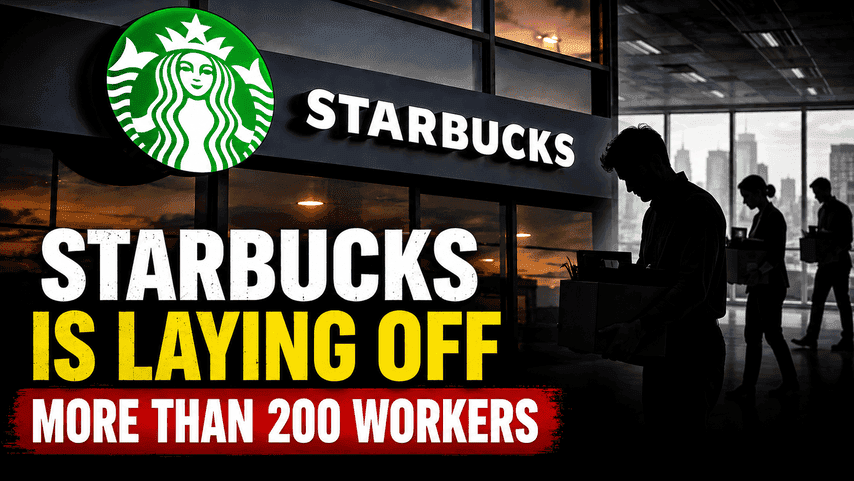
Starbucks is making strategic staffing changes, laying off 200+ workers as it restructures operations and prepares for future growth in southern and eastern regions.
Aug 21, 2026
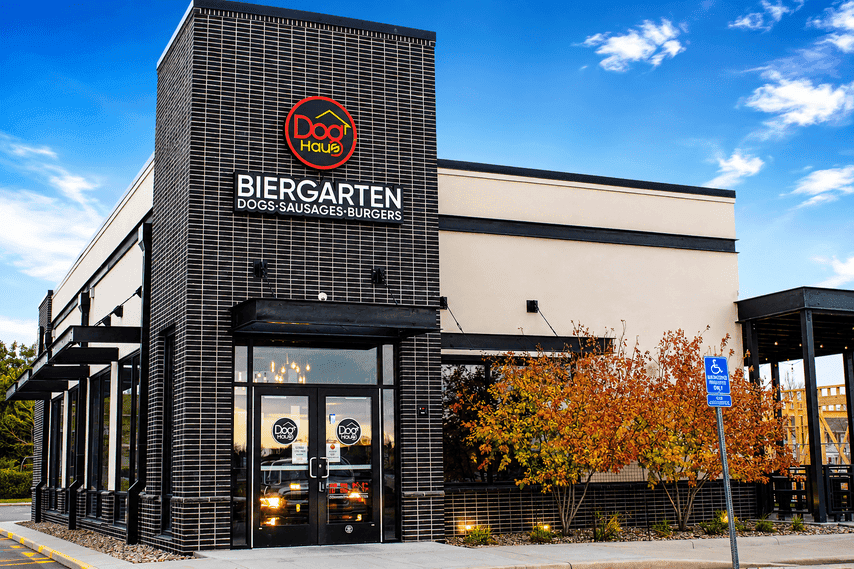
Dog Haus appoints James Field as chief marketing officer and promotes CJ Ramirez to chief experience officer, setting the stage for innovative brand growth and franchisee success in the national restaurant scene.
Aug 21, 2026

Payroll advances help restaurant owners give hourly employees earlier access to earned wages while maintaining accurate records, policies, and compliance.
Aug 19, 2026
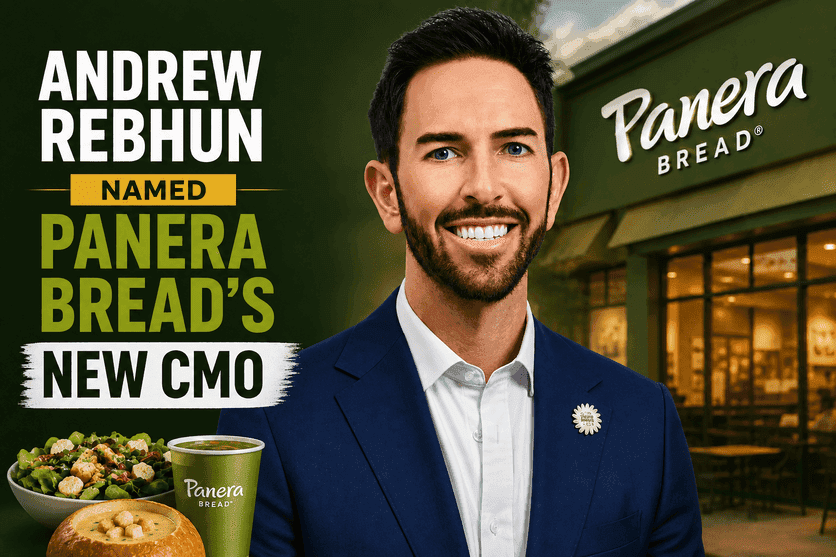
Panera Bread welcomes Andrew Rebhun as Chief Marketing Officer, succeeding Mark Shambura. Learn about his background at CAVA, El Pollo Loco, and McDonald's.
Aug 20, 2026

Learn how to open a restaurant with no experience by planning your concept, budget, location, team, operations, and successful launch.
Aug 19, 2026
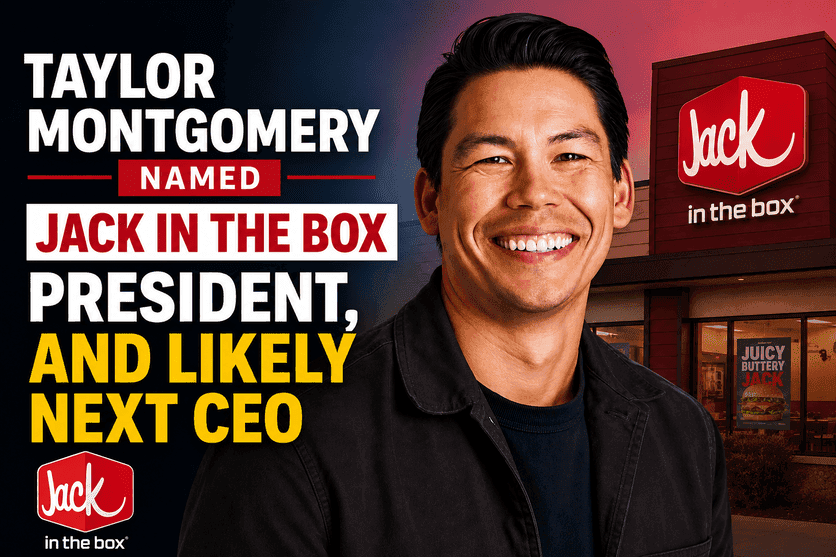
Taco Bell’s Taylor Montgomery has been appointed as President of Jack in the Box, positioning him to take over as CEO within a year - signaling major shifts for the QSR brand's future.
Aug 20, 2026
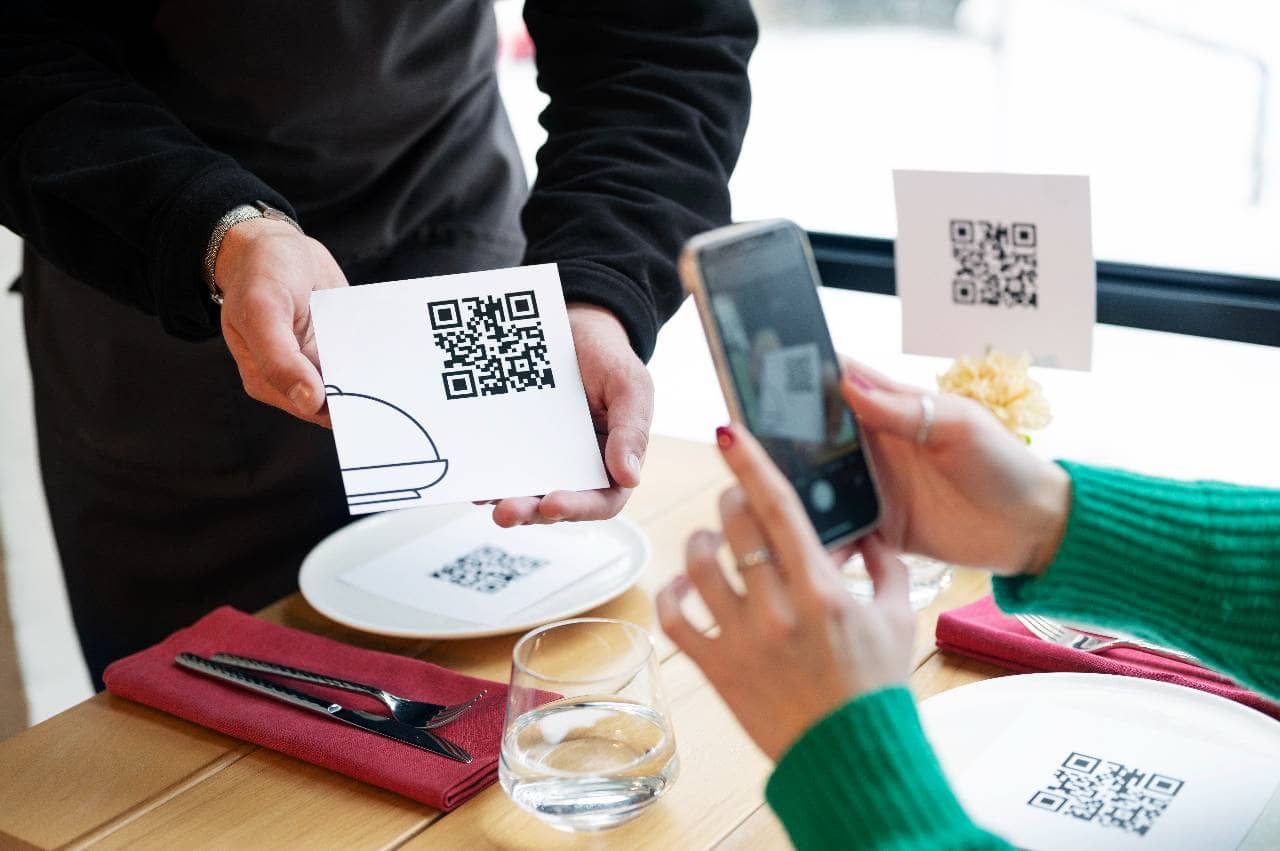
Explore the main types of ordering technology restaurants use to improve accuracy, speed, payments, customer convenience, and operational efficiency daily.
Aug 17, 2026

Learn the eight essential steps of the restaurant payroll process, from tracking hours and calculating wages to payments and recordkeeping.
Aug 17, 2026

Unlock Exclusive Access To Webinars, Events, And The Latest News For Free!
DoorDash unveils AI recommendations, smart menu tags, short-form video, and a Yelp partnership to create a cohesive “discover, decide and act” experience for delivery and dine-in.

Photo by Marques Thomas
DoorDash is stitching together artificial intelligence, short-form video, smart menu tags, and a partnership with Yelp so that choosing what to eat feels less like a chore and more like a guided experience. Debuted at the Dash Forward event in San Francisco “this week,” the effort places a “consumer-first” lens on every step, complemented by a new Going Out tab that adds rewards and deals for dine-in guests alongside delivery features. As Austin Haugen, vice president of consumer products, put it: “It really comes down to one question: how do we make life just a little bit easier for our consumers?” That question frames a system designed to move smoothly from inspiration to action. The idea is simple yet thoughtful: personalize suggestions, give visual clarity where it matters, and keep every pathway, delivery or dine-in, consistent and easy to follow. In practice, the tools work together so a diner can discover, decide, and act without hopping between apps. It’s a balanced, nourishing approach to decision-making, the kind that leaves room for preference and budget while streamlining the moments that tend to create friction.
The unifying idea is a “discover, decide and act” loop. DoorDash is building for the small dining decisions that accumulate across a day, what to eat, where to get it, how to balance budget and preferences, and resolving them with timely, context-aware nudges. Options surface according to time of day, budget, and dietary preferences, then pair that context with structured menu metadata and visual cues to make the next step feel natural. This loop can begin inside DoorDash or off-app where diners already explore food, and still land in a simple and intuitive path to order or dine out. By shortening the space between seeing a tempting dish and taking action, the platform deliberately addresses decision fatigue. The intention reads as mindful rather than hurried, encouraging choices that feel considered, balanced, and true to individual preferences, without adding complexity at the moment of choice.
Artificial intelligence now powers recommendations by reading signals like past orders, budget preference, dietary preferences, and time of day to suggest concrete dishes and restaurants. Lunch ideas can shift from a general craving into specific options, falafel, fish tacos, or bagel sandwiches, so the question “what sounds good?” becomes an actionable, nourishing shortlist. These AI-backed recommendations are available in “San Francisco and Manhattan,” with more cities to follow “later this year,” a gradual expansion tied to local depth of data and inventory. Alongside suggestions, AI-driven smart tags add structure to sprawling menus. Using customer reviews, merchant descriptions, or even a photo of an item, these tags can infer attributes like vegetarian, gluten-free, spicy, or high in protein. They appear on individual items and can filter a menu to match particular needs, so, for instance, vegetarians can quickly narrow options to fit their preferences. Labels are available across the U.S., Canada, Australia, and New Zealand, extending this organized, thoughtful metadata so diners can filter in the same intuitive way across regions. The result is a balanced pairing of personalization and clarity that helps turn browsing into confident decisions.
Discoverability is expanding off-app through an integration with Yelp that adds direct access to third-party delivery from Yelp’s restaurant pages. In a press release “Tuesday,” Yelp underscored that the partnership connects its users to DoorDash ordering for “over 500,000 merchants.” As Brian Hale, chief growth officer at DoorDash, put it: “Partnering with Yelp brings together two leading platforms in local commerce, making it easier than ever for diners to discover, decide, and ultimately get their meals delivered.” The collaboration turns many browsing moments into ready-to-checkout flows. DoorDash becomes the default pathway for eligible listings, while Yelp maintains existing delivery partnerships for restaurants that are not on DoorDash’s platform, an important guardrail preserving choice for merchants and consumers. For diners, this alignment reduces the number of steps between research and fulfillment, keeping the experience consistent and gently guided. It’s a thoughtful bridge between curiosity and action that respects different starting points while delivering a consistent, balanced end-to-end path.
Inside the DoorDash app, merchants in Atlanta, San Francisco, Miami, and Austin can use short-form video to showcase dishes and answer the everyday questions that slow decisions: how does it look, how is it prepared, how big is the portion? “Personally, I found this really fun,” Haugen said, adding, “Watching these videos has allowed me to learn about the preparation style of a dish, the portion size.” The video layer sits alongside smart tags and AI recommendations, bringing visual clarity to items already matched to a diner’s preferences. A clip that sparks interest can lead directly to delivery or into the Going Out tab, where dine-in rewards and deals live. The flow remains consistent across use cases, as if the platform were quietly asking what would be most balanced and satisfying in the moment: stay in and order, or go out and enjoy a deal. The tone is practical and nourishing, less about novelty and more about confidence at the point of decision.

To broaden the content well, DoorDash opened applications for its Creator Program to users across “20 U.S. cities.” Participants can film their deliveries and receive compensation for qualifying content, placing real-world, lived-in perspectives alongside merchant-produced clips. The mix is intentional: merchants tell the story of preparation and presentation; creators document unboxing, eating at home, or the process of choosing what to order. This measured expansion is wide enough to seed variety but controlled by an application process, so videos support discovery rather than overwhelm it. By surrounding recommendations with both polished and everyday proof points, the platform encourages exploration across neighborhoods and cuisines. The effect is quietly encouraging, a thoughtful invitation to try something new while staying anchored in preferences and budget, a more nourishing way to expand one’s culinary map without friction.
For diners, the practical change is a guided path from exploration to action. A user might watch a short video to clarify portion size, filter a menu with tags that match a vegetarian or high-protein preference, then compare delivery with dine-in rewards in the Going Out tab, all in a single, consistent flow. The same journey can start off-app: a Yelp browse can transition directly to a DoorDash checkout for an eligible listing, aligning research, recommendations, and fulfillment. For merchants, the Yelp integration can extend reach by making DoorDash the default delivery pathway where applicable, while Yelp’s commitment to maintain existing delivery partnerships for restaurants not on DoorDash preserves access to other channels. Smart tags can help customers find specific items faster, easing menu paralysis and sharpening relevance. Together, these mechanics aim to make life “just a little bit easier” at the moment of choice, nudging decisions that feel balanced, nourishing, and true to intention.
Some details remain unspecified. The company has not outlined algorithmic thresholds or model specifics behind AI recommendations and smart tags beyond using past orders, preferences, time of day, and item-level signals from reviews, descriptions, and photos. The rollout is phased for “San Francisco and Manhattan,” with more cities to follow “later this year,” but without a city-by-city schedule. The Creator Program is open across “20 U.S. cities,” though criteria for “qualifying content” and compensation structure are not detailed here. The Going Out tab promises rewards and deals for dine-in guests, with offers, eligibility, and redemption mechanics not enumerated. And while Yelp sets DoorDash as the default pathway for eligible listings and maintains other partnerships, the eligibility criteria and any opt-in or opt-out processes are not described in this material. Even so, the direction is clear. DoorDash’s refresh bets on a cohesive experience, personalization, visual clarity, and distribution across familiar touchpoints, to turn casual browsing into confident decisions. It connects inspiration to action: AI that translates tastes and timing into suggestions; smart tags that turn expansive menus into tailored lists; videos that answer what a photo cannot; and a Yelp pathway that catches intent where it forms. Labels span the U.S., Canada, Australia, and New Zealand; recommendations are live in “San Francisco and Manhattan,” with more to come “later this year”; and video plus creator contributions are active across select U.S. cities. The lesson is simple and sustaining: when a platform reduces friction with clarity and respects dietary preferences, budgets, and context, everyday choices become easier, and more mindful. In that ease, a diner can move from a spark of curiosity to a balanced, nourishing meal, delivered or dine-in, without second-guessing the path they took.