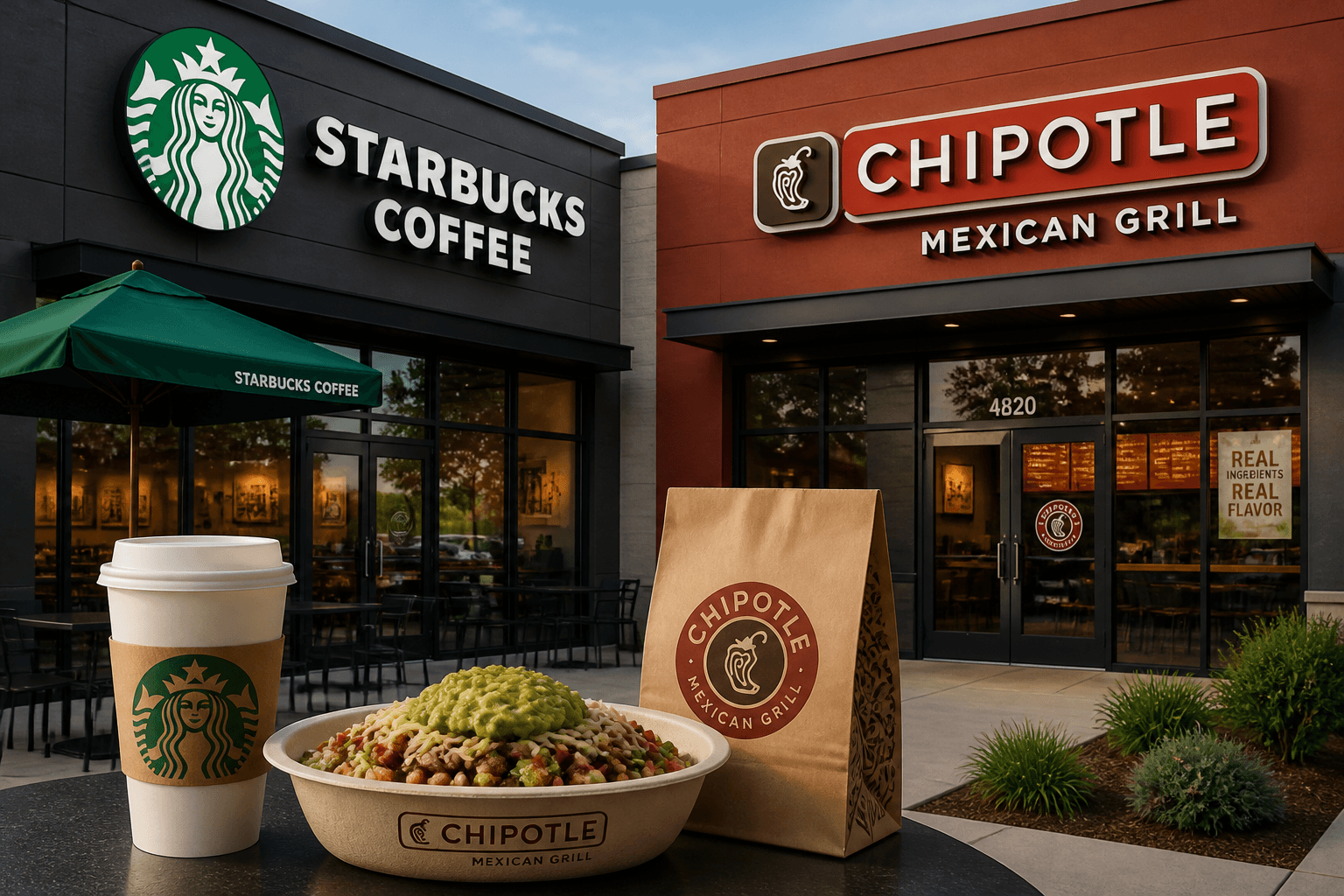
Starbucks Denies $50 Billion Chipotle Acquisition Rumor
Starbucks firmly denies rumors of a $50 billion Chipotle acquisition, shifting focus to its turnaround plan and upcoming Q4 earnings report.
News
Oct 12, 2026
Starbucks firmly denies rumors of a $50 billion Chipotle acquisition, shifting focus to its turnaround plan and upcoming Q4 earnings report.
Oct 12, 2026

Learn how to calculate restaurant labor costs, determine labor cost percentages, account for payroll expenses, track spending, and improve profitability through smarter staffing decisions.
Oct 9, 2026

Workforce management software helps restaurant owners streamline scheduling, time tracking, attendance, and labor costs, improve compliance, choose the right platform, and implement it effectively to save time and boost efficiency.
Oct 9, 2026
SignalFlare AI hires restaurant tech veteran Robert Peterson as CRO to drive adoption of its Navigator decision intelligence platform.
Oct 9, 2026
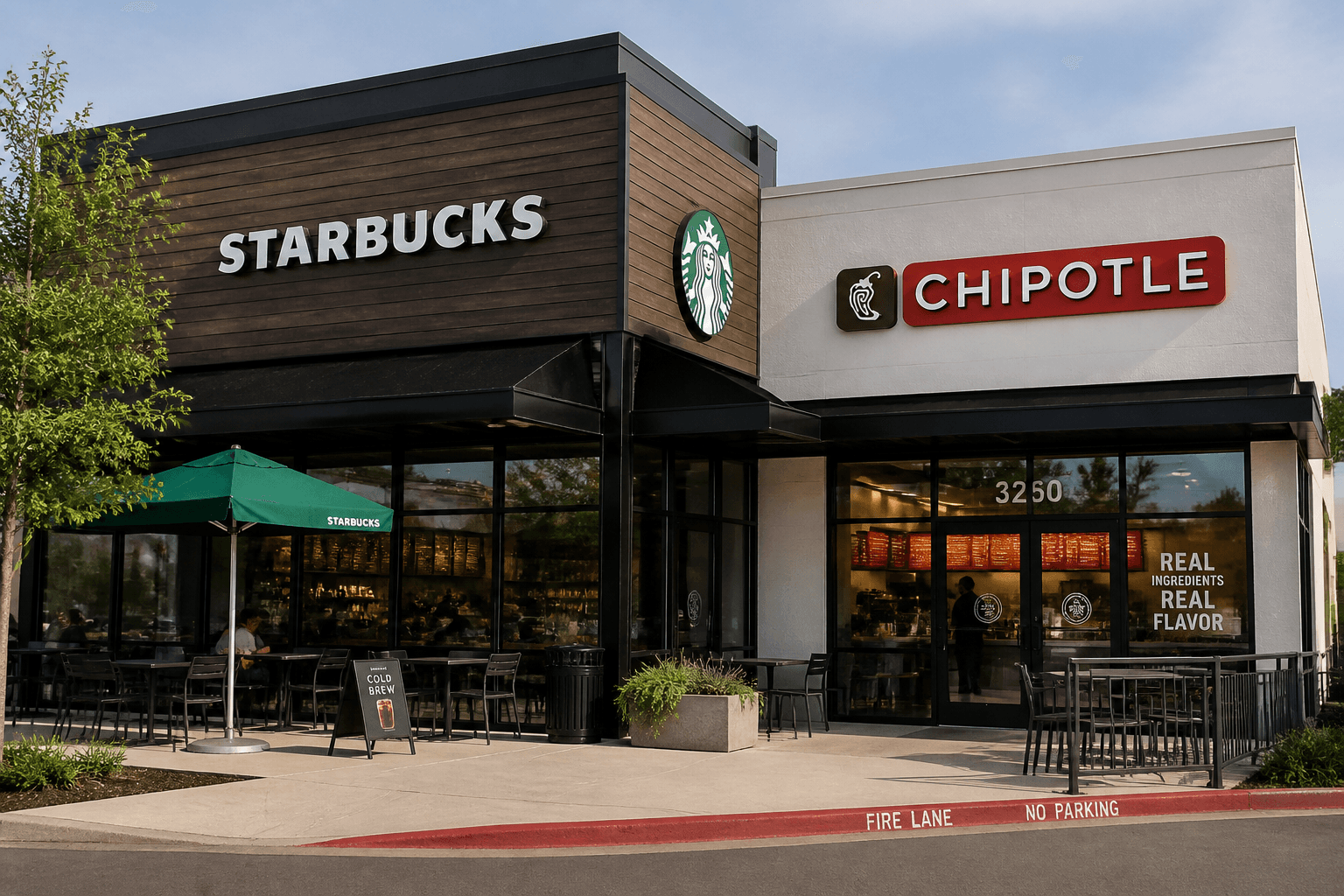
Reports of a Starbucks takeover bid for Chipotle sent shares in opposite directions, raising big questions about strategy, cost, and Brian Niccol's role.
Oct 9, 2026

CKE Restaurants names marketing veteran Alisa Gmelich President of Hardee's, tasking her with rebuilding franchisee trust and driving growth.
Oct 7, 2026

Understand overtime rules for restaurant employees, including eligibility, pay calculations, hours worked, compliance requirements, timekeeping, and overtime management.
Oct 7, 2026

POS data helps restaurant owners control food costs by improving purchasing, reducing waste, optimizing portions, analyzing profitability, and managing inventory.
Oct 7, 2026
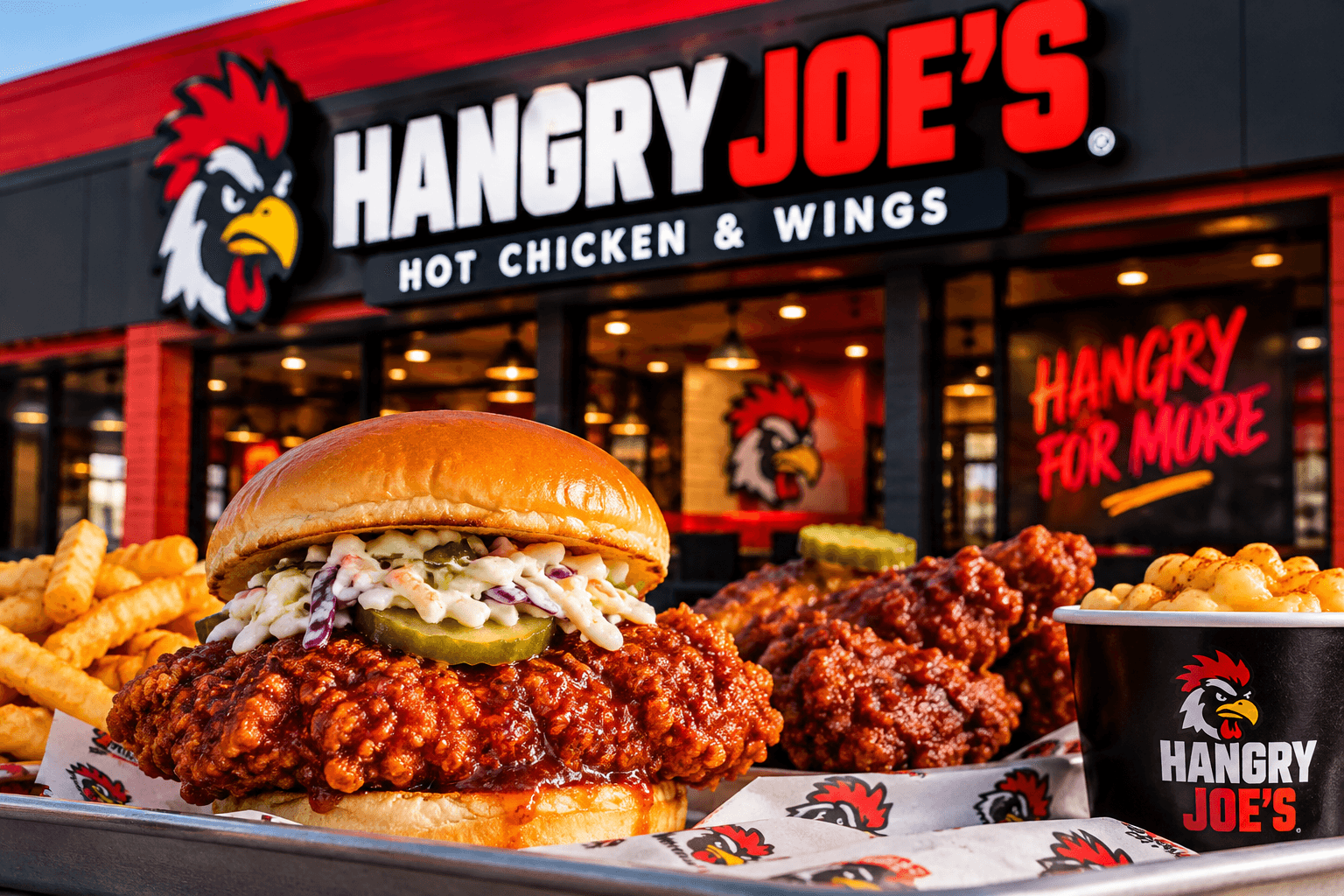
Hangry Joe's promotes insider Brandon Wilhelm to CEO, prioritizing franchisee profitability over rapid unit growth as the chain expands past 90 locations.
Oct 6, 2026
Portillo's chief people officer Jill Waite departs as new CEO Brett Patterson reshapes leadership with layoffs and fresh executive hires.
Oct 6, 2026

Unlock Exclusive Access To Webinars, Events, And The Latest News For Free!
A strong franchise supply chain helps restaurant owners standardize products, control costs, track inventory, forecast demand, and manage suppliers efficiently.
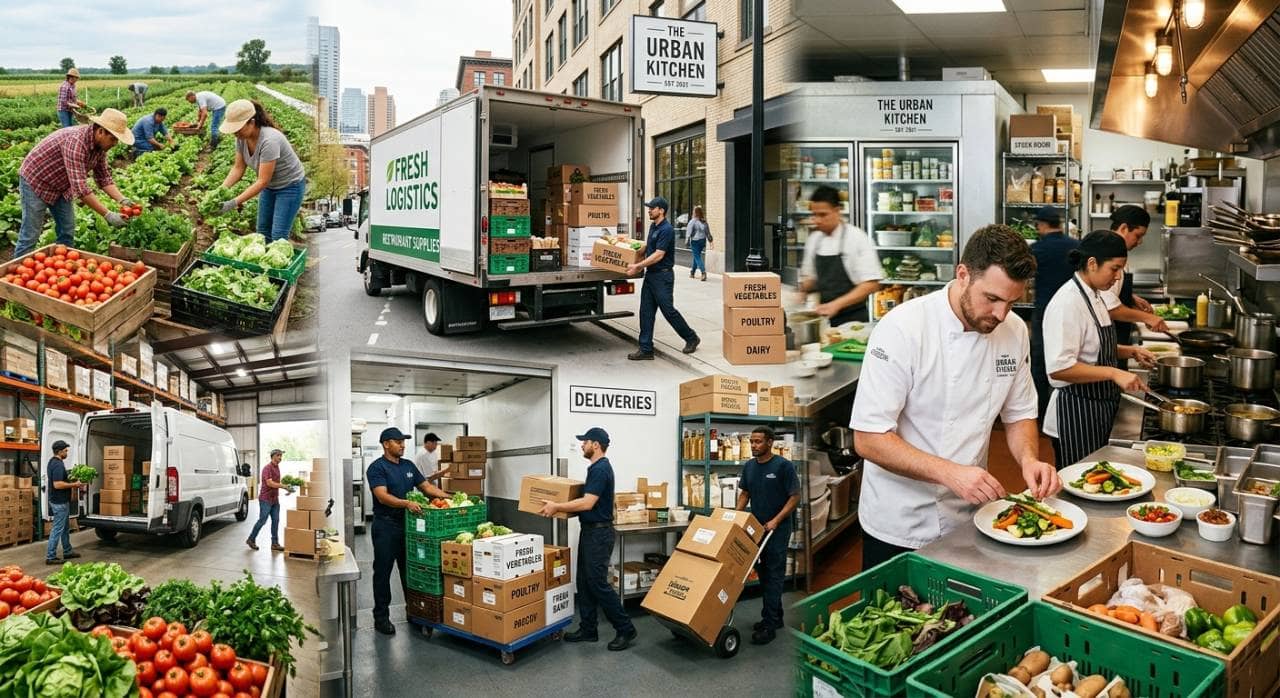
Franchise supply chain management matters because every restaurant location depends on a steady flow of ingredients, packaging, equipment, supplies, and vendor support. When a restaurant has one location, supply issues may be easier to catch. But across multiple franchise locations, one small problem can quickly affect food quality, service speed, customer experience, and profit margins. For restaurant owners, the franchise supply chain directly impacts consistency. If one location receives the correct product and another receives a substitute, the same menu item may taste, look, or cost differently. If packaging runs out, takeout and delivery orders may slow down. If a vendor delivers late, managers may need to buy from another source at a higher price. A strong franchise supply chain gives every location a clear process for ordering, receiving, storing, and using products. It helps owners control costs through approved vendors, negotiated pricing, accurate inventory counts, and better purchasing decisions. It also helps reduce waste by matching orders to real demand instead of relying on guesswork. As the franchise grows, supply chain visibility becomes even more important. Owners need to know which locations are over-ordering, which vendors are missing deliveries, and which products are rising in cost. Strong supply chain control helps every location operate consistently and profitably.
Product standardization is one of the most important parts of managing a restaurant franchise supply chain. When every location uses the same ingredients, packaging, portion sizes, recipes, and product specifications, the brand can deliver a more consistent customer experience. Without standardization, two franchise locations may sell the same menu item but serve different quality, size, flavor, or presentation. For restaurant owners, standardization should start with approved product specifications. Each ingredient should have clear requirements such as brand, pack size, weight, grade, storage temperature, shelf life, and approved substitutions. For example, if a burger uses a 4-ounce patty, every location should order the same patty size or an approved equivalent. If one location uses a larger patty and another uses a smaller one, food cost, recipe cost, and customer experience can change quickly. A strong franchise supply chain should track several key product controls - 1. Portion Size Accuracy - Even a small portion difference can affect profit. If a location uses 5 ounces of protein instead of the approved 4 ounces, that location is using 25% more product per order. Across hundreds or thousands of orders, this can increase food costs without increasing sales. 2. Recipe Cost Consistency - Standardized ingredients make recipe costing more accurate. If the same menu item costs $3.20 to produce at one location and $3.85 at another, the owner needs to know whether the difference comes from supplier pricing, portioning, waste, substitutions, or ordering behavior. 3. Approved Substitution Control - Substitutions should not be random. If a supplier is out of stock, franchise locations should have a list of approved replacement products. This helps protect taste, allergen information, cooking time, nutrition details, and customer expectations. 4. Packaging Consistency - Packaging is part of the customer experience, especially for takeout and delivery. Standard containers, cups, bags, labels, and utensils help maintain presentation and reduce confusion. They also make it easier to forecast packaging usage based on order volume. 5. Location-Level Compliance - Restaurant owners should review whether each location is ordering from the approved product list. If 90% of products are approved but 10% are outside the standard list, that small gap can still affect margins, quality, and brand consistency. Standardization does not mean every location loses flexibility. It means flexibility should happen within clear rules. When franchise owners define approved products, approved suppliers, and approved substitutions, they give each location structure while still allowing managers to respond to real supply chain issues.
A restaurant franchise supply chain depends on reliable suppliers. As a brand grows across multiple locations, owners cannot rely on random vendor decisions at each store. Every franchise location needs access to approved suppliers that can deliver the right products, at the right price, on the right schedule, and at the right quality level. The approved supplier network should include vendors for food, beverages, packaging, cleaning supplies, uniforms, equipment, smallwares, and maintenance items. Each supplier should meet clear standards before they are added to the franchise system. These standards may include pricing, delivery area, order minimums, food safety practices, product availability, invoice accuracy, payment terms, and customer support. Restaurant owners should review several supplier performance factors - 1. Delivery Reliability - A supplier may offer low prices, but if deliveries are late or incomplete, the location can lose sales. If a restaurant expects 40 cases of product and receives only 32, the missing 20% can create menu shortages, emergency purchases, and guest complaints. 2. Product Availability - Franchise locations need suppliers that can support consistent volume. If a product is frequently out of stock, owners should know how often it happens, which locations are affected, and whether an approved backup supplier is available. 3. Price Stability - Food and packaging costs can change quickly. Owners should compare supplier pricing across locations to identify cost differences. If the same product costs $42 per case at one location and $48 at another, that $6 gap can affect margins when multiplied across weekly orders. 4. Food Safety Standards - Approved suppliers should follow proper storage, handling, labeling, and transportation requirements. This is especially important for refrigerated, frozen, allergen-sensitive, and ready-to-eat products. 5. Invoice Accuracy - Invoice errors can quietly raise costs. Owners should compare purchase orders, delivery receipts, and invoices to make sure locations are charged the correct price for the correct quantity. 6. Backup Vendor Options - No supplier is perfect. Weather, labor shortages, transportation delays, and product shortages can disrupt deliveries. Franchise owners should have approved backup vendors so locations are not forced to buy unapproved products at higher prices. A strong supplier network gives franchise locations structure and support. It helps owners protect menu consistency, reduce purchasing risk, and improve cost control across the entire restaurant system.
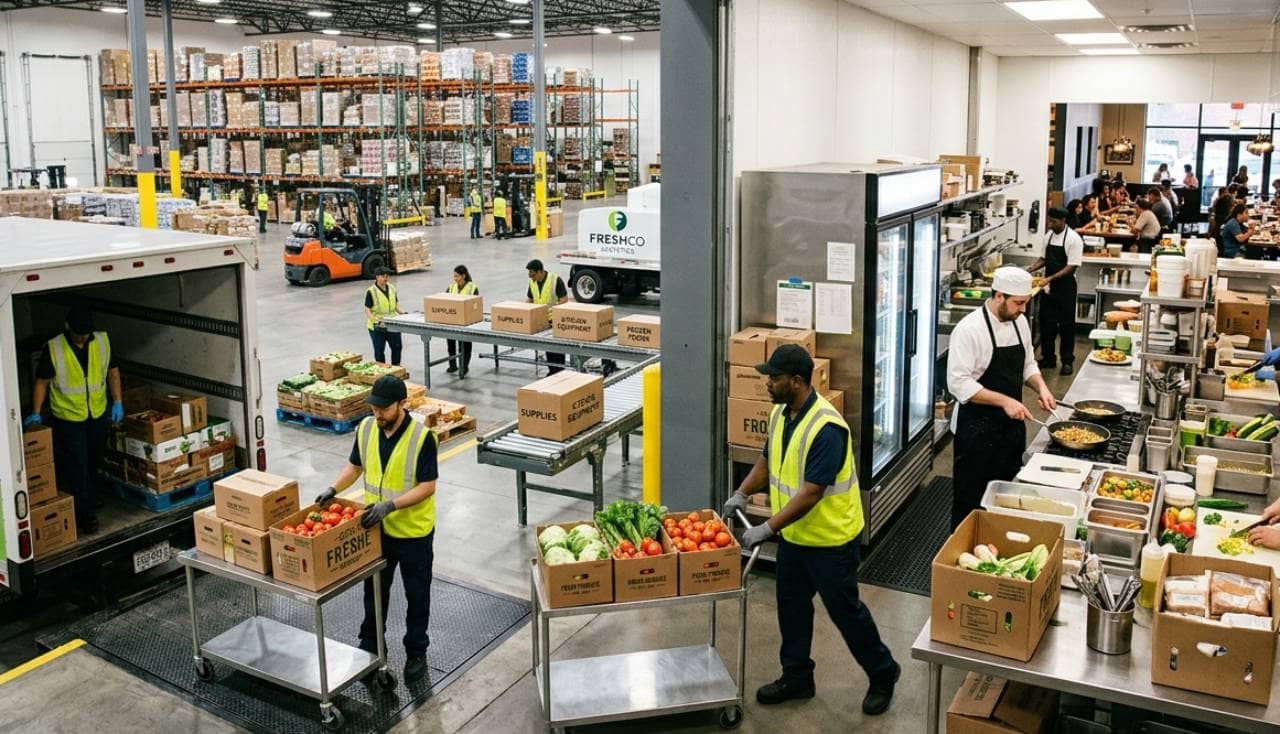
Centralized purchasing helps restaurant franchise owners control costs, improve consistency, and reduce confusion across multiple locations. Instead of allowing each store to choose its own vendors, products, and pricing, the franchise system creates a clear purchasing structure. This gives owners better control over what locations buy, how much they pay, and whether they follow approved supply chain standards. For restaurant owners, centralized purchasing can create stronger buying power. When multiple locations order the same ingredients, packaging, beverages, and supplies through approved vendors, the franchise may be able to negotiate better pricing, volume discounts, delivery terms, and payment terms. A single location may not have much leverage with a supplier, but 10, 25, or 50 locations ordering together can create more negotiating strength. Centralized purchasing also helps protect brand consistency. If every location orders the same approved products, customers are more likely to receive the same menu quality, portion size, packaging, and presentation. This matters because franchise customers expect the same experience no matter which location they visit. However, restaurant owners should not make purchasing so rigid that locations cannot respond to real problems. Local flexibility is still important, especially when a supplier misses a delivery, a regional product shortage occurs, weather affects transportation, or a location faces unexpected demand. The goal is to create controlled flexibility, not random purchasing. Franchise owners can manage this balance through several rules - 1. Approved Product Lists - Every location should know which products are required, which products are optional, and which products are not allowed. 2. Approved Emergency Purchases - Managers should have clear rules for emergency buying, including spending limits, approved stores, required receipts, and reporting steps. 3. Regional Supplier Options - Some products may need local or regional suppliers due to availability, freshness, or delivery distance. These suppliers should still meet franchise standards. 4. Purchase Approval Limits - Large or unusual orders should require approval before they are placed. This helps prevent over-ordering and unnecessary spending. 5. Location-Level Reporting - Owners should track what each location buys, how often they buy it, and whether purchases match approved standards. Centralized purchasing works best when restaurant owners combine control with practical flexibility. The franchise system should guide buying decisions, protect margins, and support consistency while still allowing locations to solve urgent supply chain problems quickly.
Inventory tracking is one of the most important controls in a restaurant franchise supply chain. When a brand operates across multiple locations, owners need to know what each store has on hand, what each store is using, what each store is wasting, and what each store needs to reorder. Without accurate inventory tracking, franchise locations can quickly run into stockouts, over-ordering, expired products, theft, and inconsistent food costs. For restaurant owners, inventory should not be managed only by looking at shelves or placing the same order every week. Each location may have different sales volume, menu mix, customer traffic, delivery demand, and seasonal patterns. One location may sell more chicken sandwiches, while another may sell more salads, pizza, tacos, or catering orders. If every location orders the same quantities without reviewing usage, some stores may run short while others carry too much inventory. A strong inventory tracking process should measure several key areas - 1. Beginning and Ending Inventory - Each location should record how much product is available at the start and end of each inventory period. This helps owners compare what was purchased, what was sold, and what should still be in stock. 2. Ingredient Usage - Inventory should connect to recipes and menu sales. If a location sells 500 orders of a menu item and each order uses 4 ounces of protein, owners can estimate how much product should have been used. If actual usage is much higher, the issue may be waste, over-portioning, theft, spoilage, or incorrect recipe setup. 3. Stockout Tracking - Stockouts should be recorded by product, location, date, and vendor. If one location runs out of a key ingredient twice in one month, the owner needs to know whether the problem came from poor ordering, supplier shortages, inaccurate forecasts, or unexpected demand. 4. Waste and Spoilage - Each location should track waste by item and reason. Common causes include expired products, over-prepping, incorrect storage, damaged deliveries, cooking mistakes, and low sales volume. Tracking waste helps owners reduce unnecessary food costs. 5. Transfer Activity - When products move between franchise locations, the transfer should be recorded. This prevents confusion about inventory counts and helps owners understand which locations are short on products and which locations are overstocked. 6. Reorder Levels - Every high-use product should have a reorder point. When inventory falls below that level, managers know when to place the next order. This helps prevent last-minute purchasing and emergency substitutions. Inventory tracking gives franchise owners better control over daily operations and long-term profitability. When every location follows the same process, owners can compare performance, identify problems faster, and make better purchasing decisions across the entire franchise supply chain.
Demand forecasting helps restaurant franchise owners order the right amount of product for each location. In a multi-location franchise system, every store does not sell the same menu items at the same speed. One location may have stronger lunch traffic, another may have higher delivery volume, and another may see larger weekend sales. If every store orders the same way, the franchise supply chain can become inefficient. For restaurant owners, forecasting should connect sales patterns to purchasing decisions. Instead of guessing how much chicken, produce, bread, sauce, packaging, or beverages each store needs, owners should review historical sales, menu mix, seasonality, promotions, local events, and weather patterns. This helps each location prepare for demand without carrying too much inventory. A strong demand forecasting process should include several key inputs - 1. Historical Sales Trends - Each location should review past sales by day, week, month, and season. If one store sells 800 burgers on a typical Friday and another sells 450, their ordering needs should be different. Historical sales help managers build more accurate purchase plans. 2. Menu Mix by Location - Franchise locations may sell the same menu, but not the same product mix. One store may sell more breakfast items, while another may sell more family meals, catering orders, or delivery bundles. Tracking menu mix helps owners understand which ingredients move fastest at each location. 3. Seasonality and Holidays - Demand can rise or fall during holidays, school breaks, tourist seasons, sports events, and local community activities. A location near offices may slow down during holiday weeks, while a location near shopping centers may become busier. 4. Promotions and Limited-Time Offers - Promotions can change product demand quickly. If a franchise runs a discount on wings, pizza, burgers, tacos, or combo meals, purchasing should be adjusted before the promotion starts. Without planning, locations may sell out too early or over-order products that do not move. 5. Weather and Local Conditions - Weather can affect dine-in traffic, delivery orders, and product mix. Rain may increase delivery demand, while hot weather may increase beverage or dessert sales. Locations in different regions may need different ordering plans based on local conditions. 6. Lead Times and Delivery Schedules - Forecasting should also account for how long suppliers need to deliver products. If a vendor delivers twice a week, the location must order enough inventory to cover the gap between deliveries without creating excess waste. Forecasting demand by location helps franchise owners reduce stockouts, lower waste, improve purchasing accuracy, and protect customer experience. When each store orders based on its own sales patterns instead of a generic system-wide estimate, the entire franchise supply chain becomes more efficient and easier to manage.

Franchise supply chain management becomes easier when restaurant owners track the right numbers across every location. Without clear KPIs, owners may know that costs are rising or products are missing, but they may not know where the problem is happening or why. A strong KPI system helps compare location performance, identify vendor issues, reduce waste, and improve purchasing decisions. 1. Food Cost Percentage - Food cost percentage shows how much of sales is being spent on ingredients. If one location has a food cost of 29% and another is at 36%, the difference may come from vendor pricing, over-portioning, waste, theft, discounts, or poor inventory control. 2. Inventory Turnover - Inventory turnover shows how quickly products are used and replaced. Low turnover may mean a location is over-ordering, carrying too much stock, or holding slow-moving products. High turnover may mean the location is at risk of running out before the next delivery. 3. Stockout Rate - Stockout rate measures how often a location runs out of key products. A high stockout rate can lead to lost sales, menu substitutions, customer complaints, and inconsistent service. Owners should track stockouts by item, location, supplier, and date. 4. Waste Percentage - Waste percentage shows how much product is lost before it becomes revenue. Waste may come from spoilage, over-prepping, incorrect storage, damaged deliveries, cooking mistakes, or inaccurate forecasts. Tracking waste by reason helps owners fix the cause instead of only seeing the cost. 5. Vendor Fill Rate - Vendor fill rate measures how much of an order a supplier actually delivers. If a location orders 100 cases and receives 92, the fill rate is 92%. Low fill rates can create stockouts, emergency purchases, and extra manager time. 6. Delivery Accuracy - Delivery accuracy tracks whether the correct items, quantities, prices, and delivery times match the original order. Mistakes can increase food costs, delay prep, and create invoice disputes. 7. Order Variance - Order variance compares what a location ordered against what it was expected to order based on sales, recipes, and inventory levels. Large variances may show over-ordering, under-ordering, poor forecasting, or unauthorized purchases. 8. Price Variance - Price variance shows when the cost of the same product changes across suppliers, regions, or time periods. If one location pays $38 per case and another pays $45 for the same approved item, owners need to review contracts, supplier terms, or regional pricing differences. Monitoring franchise supply chain KPIs gives owners better visibility across all locations. When the same metrics are tracked consistently, restaurant owners can find problems faster, compare locations more fairly, and make decisions based on real operating performance instead of guesswork.
Technology helps restaurant franchise owners manage the supply chain with more accuracy, visibility, and consistency across multiple locations. When purchasing, inventory, vendor communication, recipe costing, and reporting are handled manually, it becomes difficult to see what is happening at every store. Spreadsheets, paper invoices, text messages, and manager estimates may work for one location, but they often become unreliable as the franchise grows. For restaurant owners, the goal is to connect the systems that affect product flow and cost control. This can include the POS system, inventory management software, purchasing software, invoice tracking software, recipe management tools, vendor management platforms, forecasting tools, accounting software, and multi-location reporting dashboards. 1. POS Systems - A POS system helps owners see what each location is selling by item, category, daypart, and location. This sales data is important because supply chain decisions should be based on actual demand. If one store sells more chicken, burgers, pizza, salads, or beverages than another, purchasing plans should reflect those differences. 2. Inventory Management Software - Inventory software helps track beginning inventory, ending inventory, transfers, waste, spoilage, and product usage across each franchise location. This gives owners better visibility into stock levels and helps prevent over-ordering, stockouts, and expired products. 3. Purchasing Software - Purchasing software helps locations order from approved vendors, approved product lists, and approved order guides. It can also set purchase limits, approval rules, and reorder points so managers do not buy outside the franchise supply chain without proper authorization. 4. Invoice Tracking Software - Invoice tracking software helps compare purchase orders, delivery receipts, and supplier invoices. This makes it easier to catch price changes, missing items, incorrect quantities, duplicate charges, and billing errors before they reduce profit margins. 5. Recipe Management Tools - Recipe management tools connect menu items to ingredients, portion sizes, preparation steps, and recipe costs. If a menu item should use 4 ounces of protein, the system can help owners compare expected usage against actual inventory movement. 6. Forecasting Tools - Forecasting tools use sales history, menu mix, seasonality, promotions, holidays, weather patterns, and local demand trends to help each location order more accurately. This reduces guesswork and helps managers avoid both shortages and excess inventory. 7. Vendor Management Platforms - Vendor management technology helps owners track supplier performance, delivery accuracy, fill rates, late shipments, product shortages, contract pricing, and backup vendor options. This makes it easier to hold suppliers accountable across multiple locations. 8. Accounting and Reporting Dashboards - Accounting software and reporting dashboards help owners compare food costs, purchase trends, inventory value, waste, vendor pricing, and location-level performance. When this information is connected, owners can quickly see which stores are controlling costs and which stores need support. The right technology gives franchise owners stronger control without slowing down daily operations. When POS data, inventory counts, purchasing records, invoices, recipes, vendor performance, and financial reports work together, owners can make faster decisions, reduce supply chain risk, control costs, and support consistent performance across the entire restaurant franchise.
