California Penalizes Dickey's for Franchise Disclosure Violations
California shifts to public enforcement strategy against Dickey's for deceptive franchise disclosures, signaling stricter state-level franchise oversight.
Sep 10, 2026
California shifts to public enforcement strategy against Dickey's for deceptive franchise disclosures, signaling stricter state-level franchise oversight.
Sep 10, 2026
Paul Brown temporarily steps away from Inspire Brands as Scott Murphy assumes interim CEO role during confidential IPO filing process targeting late 2026.
Sep 10, 2026
Learn how to reduce food waste in restaurants through smarter purchasing, storage, preparation, and service strategies that cut costs.
Sep 9, 2026
Prepare your restaurant for NFL season with smart menu planning, staffing, marketing, technology, and atmosphere strategies that boost season-long revenue.
Sep 9, 2026
Swig signs franchise agreement for 11 South Denver locations, marking Colorado entry and validating its national expansion strategy.
Sep 8, 2026
QR code menus let restaurants replace paper menus digitally, enabling instant updates, contactless browsing, ordering, and payment through simple smartphone scanning.
Sep 7, 2026
Complete guide helping restaurant owners choose essential kitchen equipment - covering cooking, refrigeration, prep, sanitation, ventilation, safety, and long-term maintenance planning.
Sep 7, 2026
Avoiding common restaurant payroll mistakes - misclassification, tip credit errors, overtime miscalculations - protects businesses from costly penalties, back pay, and compliance risks.
Sep 4, 2026
Learn to calculate par levels for restaurant food, beverages, and packaging inventory, preventing stockouts and waste through proper formulas.
Sep 4, 2026
Caribou Coffee appoints Zane Thomas-Rogers as Chief Operations Officer to strengthen execution across its expanding coffeehouse network.
Sep 4, 2026
Unlock Exclusive Access To Webinars, Events, And The Latest News For Free!
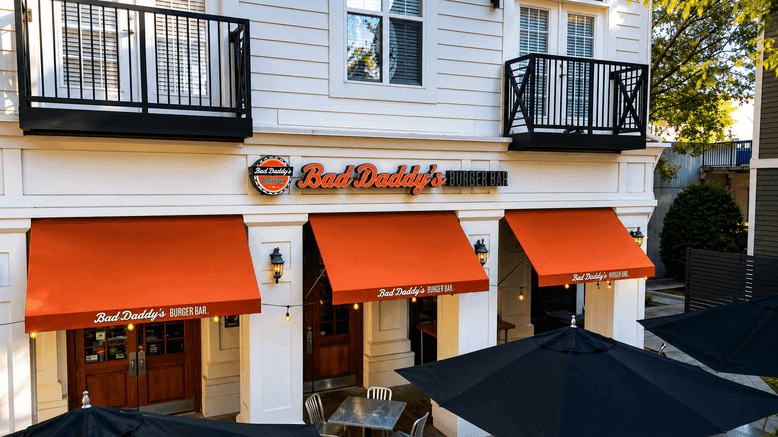
Discover the operational philosophy and guest experience behind Bad Daddy's Burger Bar, featuring insights from chef John Elliott on how the Southeast burger concept builds consistency, drives innovation, and elevates the American burger experience.

Bad Daddy's Burger Bar was established in 2007 in Charlotte, North Carolina, with a clear and unpretentious mission - to create the best burger in the region. Eighteen years later, that ambition has translated into a growing footprint spanning the Southeast and into Colorado, built on a foundation of made-from-scratch cooking, an indulgent menu, and a dining atmosphere that manages to feel both playful and serious about food at the same time. Chef John Elliott, who brings deep operational expertise to the brand, reflects on the journey with genuine pride. "We started in 2007 with the vision to create the best burger in Charlotte," he says. "And 18 years later, we've been pretty lucky that we actually did make the best burger in Charlotte. And not only in Charlotte, but across the entire southeast and parts of Colorado. So it's a pretty cool concept."
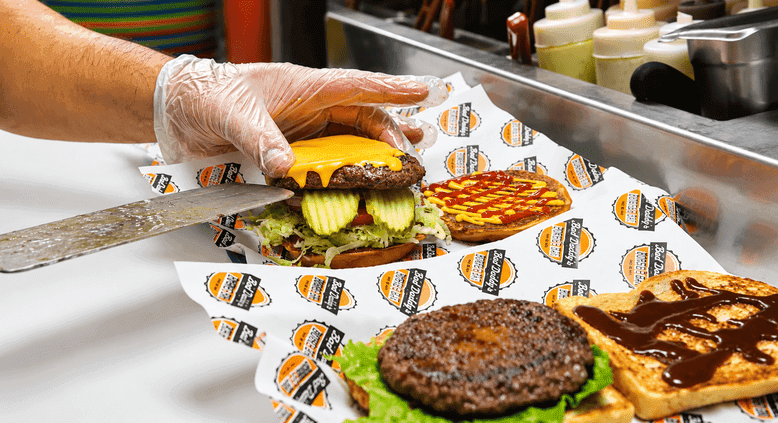
At the operational heart of Bad Daddy's is a scratch kitchen model that extends to virtually every element of the menu. Sauces are crafted on site. Vegetables are cut fresh daily. Hand-cut french fries are prepared every morning before service begins. Nothing significant comes out of a bag or a box if it can be made in-house instead. Elliott is direct about the intent behind this approach. "We do everything in house, from scratch. Scratch kitchen here at Bad Daddy's. But with that, we're also focused on being indulgent. We take the food, and we try to elevate it and take it to the next level." That combination-scratch preparation married to unapologetic indulgence-defines the brand's culinary identity and shows up in signature dishes like the bacon cheeseburger on steroids, Emilio's chicken sandwich, and house specials featuring fresh avocado and house-made poblano mayo. Every component on the plate has been touched by human hands in that kitchen, and the difference it makes in the final dish is something that Elliott believes customers taste even if they cannot always articulate why.
One of the most distinctive elements of the Bad Daddy's guest experience is its CYO pad-the Create Your Own tool that the team internally refers to as the "Bad Daddy Bible." The system gives customers extensive control over their order, allowing them to build burgers that range from classic to wildly creative. Some guests take full advantage, constructing towering combinations with multiple patties, fried chicken, and unusual toppings like peanut butter and grilled apples. The flexibility is intentional. Rather than constraining customers within a narrow set of options, Bad Daddy's invites them into the creative process-turning a burger order into something personal and memorable rather than transactional. For first-time visitors, the CYO pad can feel like a revelation. For regulars, it becomes a ritual-a way of expressing personal taste through one of America's most beloved food formats.
The bacon cheeseburger on steroids is arguably the menu's most iconic item, and Elliott is careful to draw a distinction between indulgence and gimmickry when describing it. "It's indulgent, but it's not gimmicky," he says. "It really cuts to that core of having a really good bacon cheeseburger that is bacon focused... it's still a very, very good, well balanced burger." That balance-pushing flavour forward without losing sight of what makes a burger fundamentally satisfying-runs through the broader menu philosophy. Limited-time offers serve as a testing ground for new ideas, with guest feedback determining which items earn a permanent place on the menu. The "Heat Wave" spicy sandwich is one example, graduating from LTO to core menu item based on the response it generated during its trial period. That pipeline of guest-validated innovation ensures the menu stays fresh without drifting away from the brand's identity.

Maintaining quality and character across a growing number of locations is one of the central operational challenges for any expanding restaurant brand, and Bad Daddy's approaches it through rigorous standardisation and a training model that pairs new hires with experienced mentors from day one. Opening and prep routines, guest interaction protocols, and recipe execution are all covered systematically, with the culinary team and kitchen managers working collectively to ensure that every location delivers the same experience. "Consistency is one of those things where it's always a battle," Elliott acknowledges. "But we've done a really good job at making sure everyone is up to speed and trained correctly." The culture behind that consistency is notably collaborative. Elliott draws a deliberate contrast with the high-pressure, hierarchical kitchen environments that have historically defined the industry. "The restaurant industry as a whole has gotten much nicer over the last 20 years," he observes-and at Bad Daddy's, that shift is visible in the way teams communicate and support one another during service. No colleague is left to struggle alone during a busy shift, and that spirit of mutual support is built into the training process from the very beginning.
Bad Daddy's operational approach to kitchen technology reflects a pragmatic philosophy - use the right tool for the right station rather than applying a one-size-fits-all digital solution across the board. Some stations operate with a kitchen display system, or KDS, that streamlines order management and communication. Others-particularly the flat top and expo stations-continue to rely on physical printed tickets, which the team has found work better for the specific demands of those areas. Salad and fry stations leverage the digital KDS to maximise efficiency during high-volume service windows. The result is a hybrid system that prioritises peak performance at each individual station over the tidiness of a fully standardised technology stack. It is a detail-level operational decision that reflects a broader truth about how Bad Daddy's thinks about running its restaurants - what works matters more than what looks good on paper.
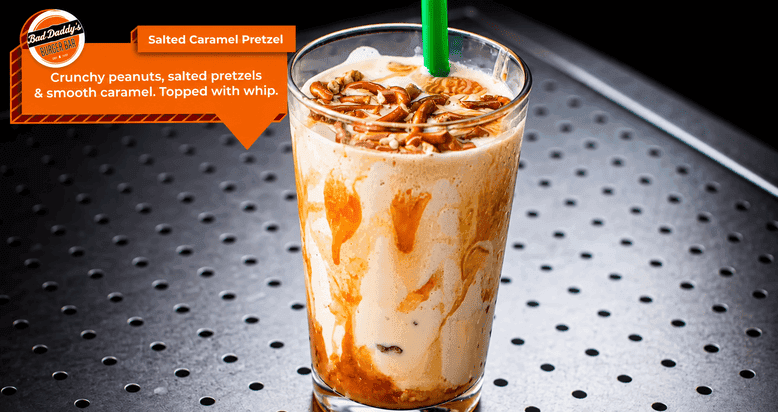
The food at Bad Daddy's is the centrepiece, but the beverage and dessert programmes are far from afterthoughts. The drinks menu features both classic cocktails and creative mocktails designed for guests who want something interesting without the alcohol. The Mango Mirage-a zero-proof tequila and mango puree concoction-is a standout example, described by the team as "light, refreshing, sweet but not too sweet" and a genuine alternative rather than a compromise for non-drinking guests. On the dessert side, the salted caramel milkshake with crunchy pretzel bits has become one of the brand's most talked-about offerings-a combination of sweet, salty, and textural contrast that delivers the kind of finish that lingers in the memory long after the meal is over. Together, the beverage and dessert programmes reinforce the brand's core promise - that every element of the Bad Daddy's experience should feel indulgent, thoughtful, and worth coming back for.

Bad Daddy's positions its core offering at an average price point of around $17.50 for a burger, hand-cut fries, and a drink-a value proposition that Elliott believes holds up particularly well in the current environment of heightened consumer price sensitivity. "It's great value, especially in these kind of times where you don't always get that kind of value with the food you actually get," he says. The brand's target audience skews toward working-class Americans and families seeking quality comfort food without the pretension or price tag of a fine dining experience-though Elliott is quick to resist any narrowing of that definition. "Every American's our target audience," he says. "Because, you know, what's better than an American cheeseburger?" It is a positioning that is both inclusive and commercially astute-rooted in the understanding that great burgers made from real ingredients at a fair price will always find an audience.
As Bad Daddy's looks ahead to future expansion, careful market selection remains one of the most important variables in the brand's growth strategy. New locations are evaluated based on their demographic alignment with the brand's core customer-everyday Americans who value quality, indulgence, and genuine comfort food made without shortcuts. Regional food culture also plays a role in the assessment, with the team looking for markets where the appetite for a premium scratch-kitchen burger experience is present but underserved. Elliott frames the criteria simply - "If the market has working-class and everyday Americans, then I think we're a pretty good fit for that." The brand expects to continue building density in existing markets before expanding into new ones-a disciplined approach that prioritises sustainable growth over rapid unit count expansion.
For those considering a career in hospitality or restaurant operations, Elliott offers advice that is both practical and deeply personal. The first question he encourages anyone to ask themselves is whether they genuinely enjoy taking care of people. "You really have to ask yourself, do you like taking care of people and do you like treating everybody as a guest in your home?" he says. "If you can say yes to those questions, a career in the restaurant industry is fantastic." Beyond that fundamental orientation toward hospitality, Elliott advocates for gathering broad experience across different settings and concepts-from fine dining to fast casual-learning from diverse teams and absorbing as many different approaches to food and service as possible. The restaurant industry, he argues, rewards curiosity, adaptability, and a genuine passion for the craft-qualities that no amount of formal training can fully substitute for, but that the right environment can nurture and develop over time.