
California Penalizes Dickey's for Franchise Disclosure Violations
California shifts to public enforcement strategy against Dickey's for deceptive franchise disclosures, signaling stricter state-level franchise oversight.
Franchising
Sep 10, 2026
California shifts to public enforcement strategy against Dickey's for deceptive franchise disclosures, signaling stricter state-level franchise oversight.
Sep 10, 2026
Paul Brown temporarily steps away from Inspire Brands as Scott Murphy assumes interim CEO role during confidential IPO filing process targeting late 2026.
Sep 10, 2026
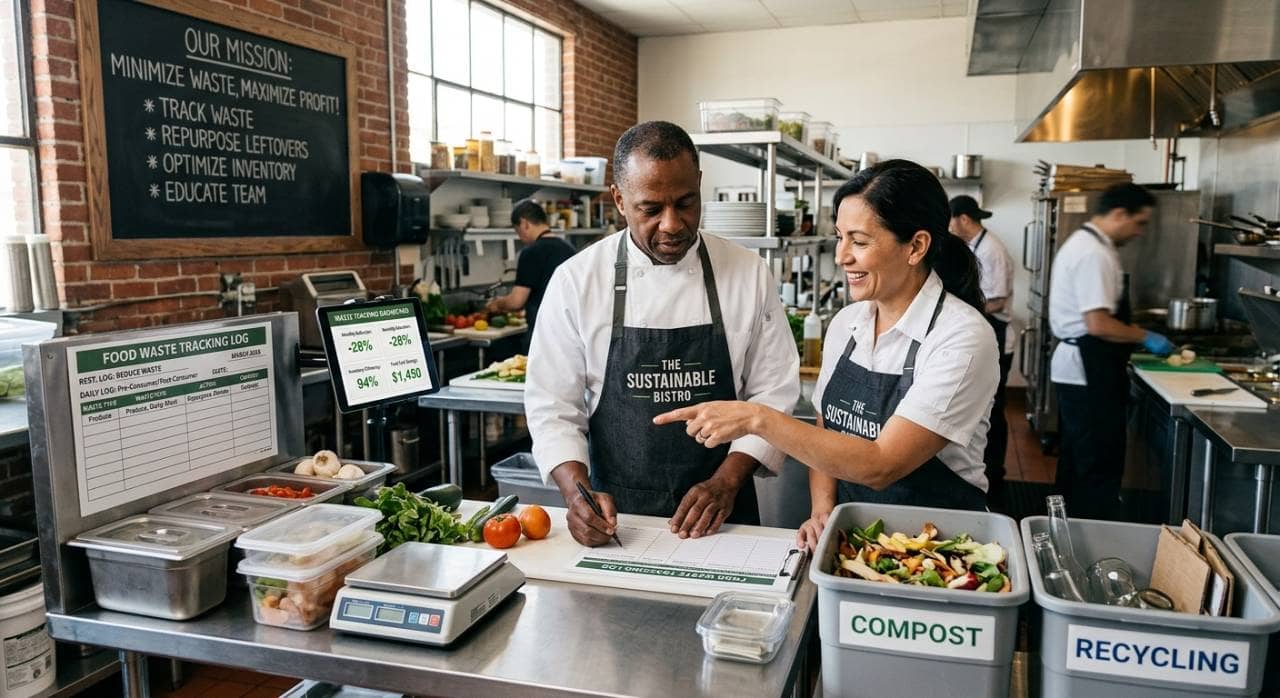
Learn how to reduce food waste in restaurants through smarter purchasing, storage, preparation, and service strategies that cut costs.
Sep 9, 2026
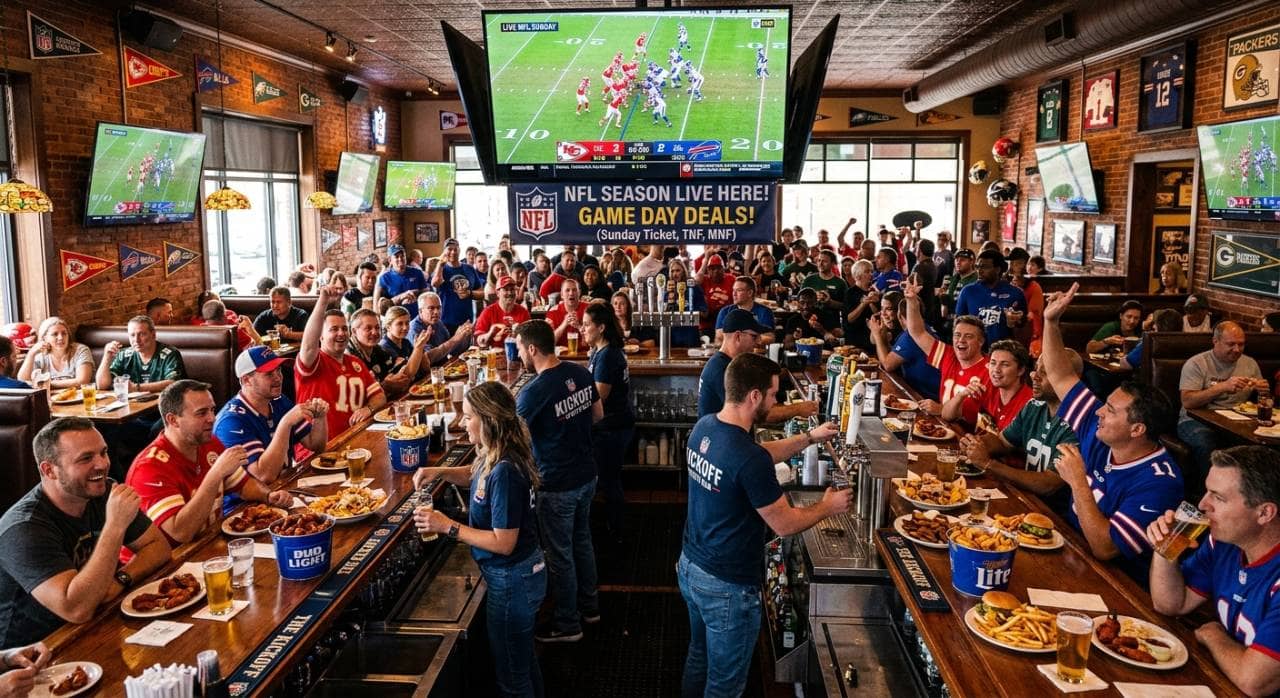
Prepare your restaurant for NFL season with smart menu planning, staffing, marketing, technology, and atmosphere strategies that boost season-long revenue.
Sep 9, 2026
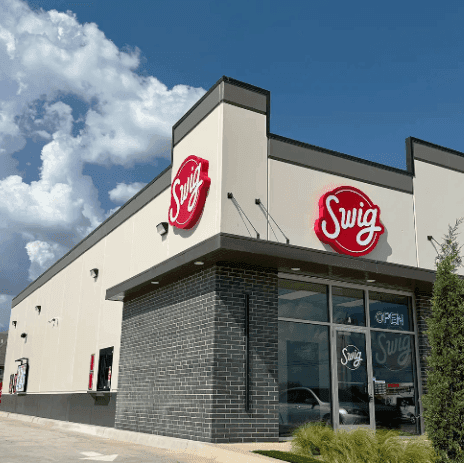
Swig signs franchise agreement for 11 South Denver locations, marking Colorado entry and validating its national expansion strategy.
Sep 8, 2026
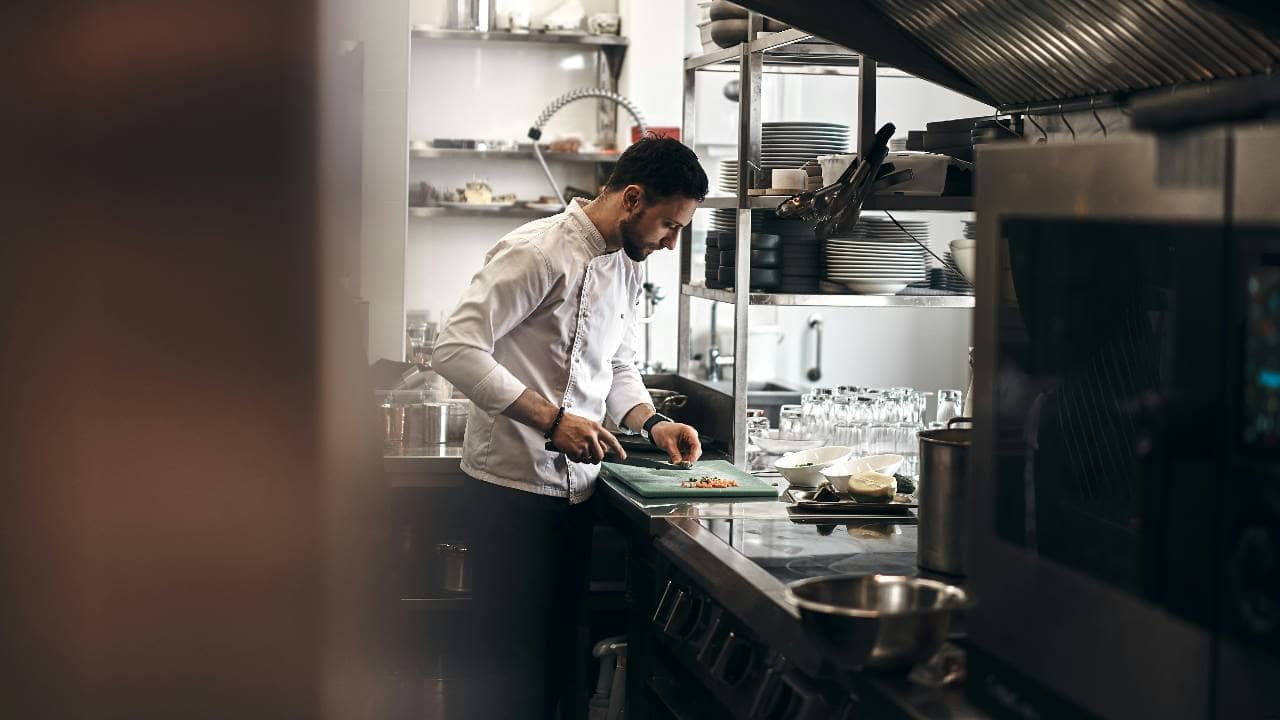
Complete guide helping restaurant owners choose essential kitchen equipment - covering cooking, refrigeration, prep, sanitation, ventilation, safety, and long-term maintenance planning.
Sep 7, 2026
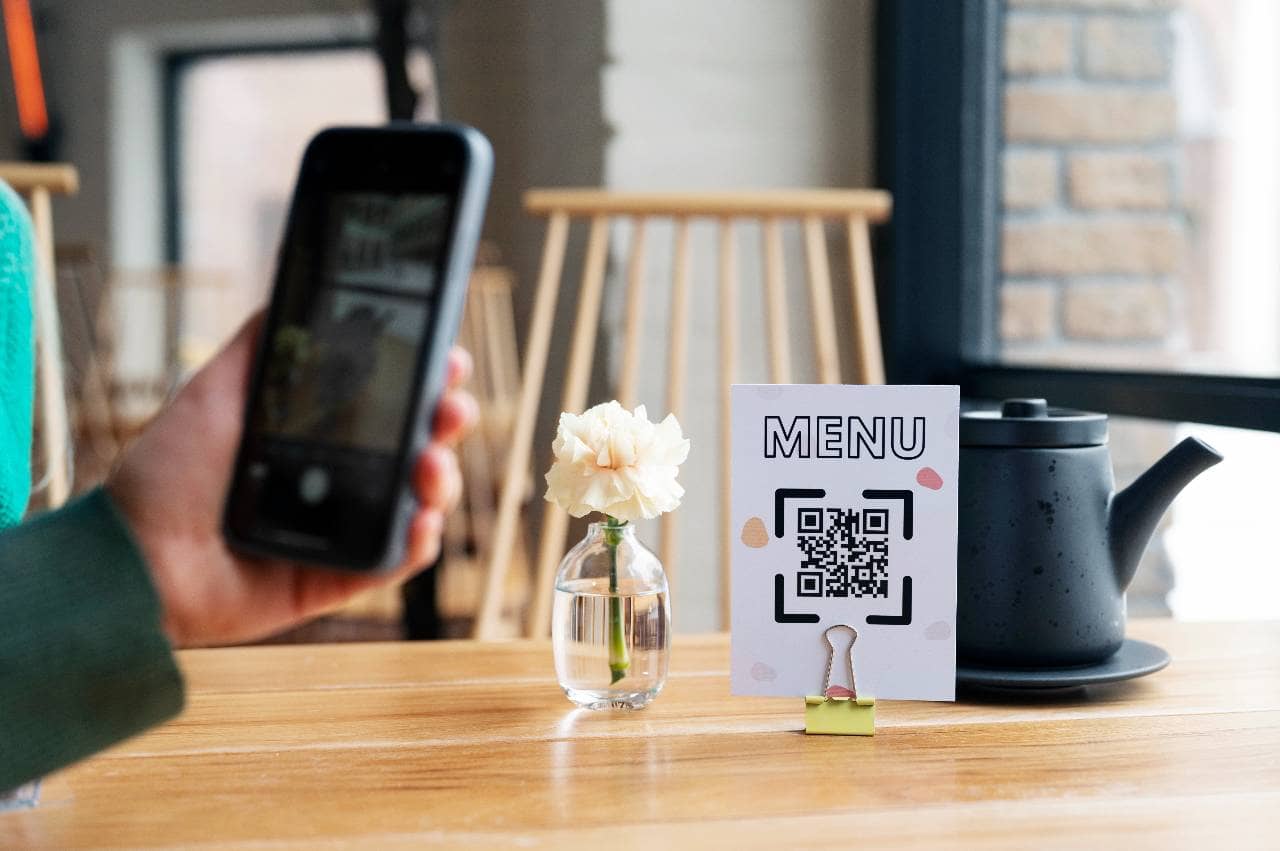
QR code menus let restaurants replace paper menus digitally, enabling instant updates, contactless browsing, ordering, and payment through simple smartphone scanning.
Sep 7, 2026

Avoiding common restaurant payroll mistakes - misclassification, tip credit errors, overtime miscalculations - protects businesses from costly penalties, back pay, and compliance risks.
Sep 4, 2026
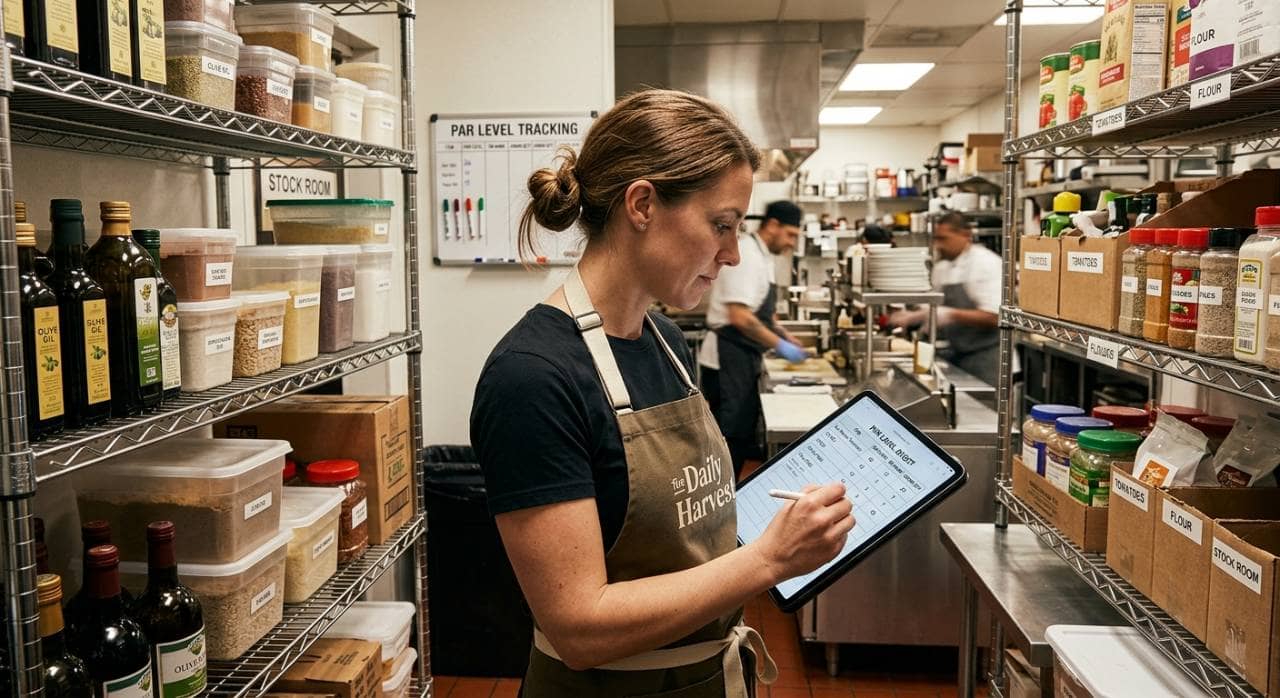
Learn to calculate par levels for restaurant food, beverages, and packaging inventory, preventing stockouts and waste through proper formulas.
Sep 4, 2026
Caribou Coffee appoints Zane Thomas-Rogers as Chief Operations Officer to strengthen execution across its expanding coffeehouse network.
Sep 4, 2026

Unlock Exclusive Access To Webinars, Events, And The Latest News For Free!
Cinemark elevates dine-in concepts and seasonal partnerships to turn concessions into a destination, blending chef-driven fare with cinema.

Photo by Adhitya Sibikumar
Cinemark is rewriting the movie-night ritual. It is swapping microwaved concessions for chef-driven dishes and a dining-forward experience that lives inside the theater as a destination rather than a detour. The Plano, Texas–based operator runs 318 theaters across the United States, and leadership speaks with a single purpose: elevate the entire visit by pairing film with higher-end food. "I think the eatertainment category has evolved because now you have chefs and culinary professionals that have opened these places...and they forced everyone else to step up their game," said David Haywood, recently appointed senior vice president. The aim is practical: keep guests longer, encourage bigger spend, and make concessions worthy of the screen.
Mechanics of the program span a spectrum of operating models that vary by theater. Cinemark has moved beyond the classic concession line to include dine-in concepts with table service to seats, bistro configurations where guests order via QR code at the bar and food runners deliver meals, quick-service formats, and on-site bars serving alcohol. Menu choices range by theater, letting regional and brand distinctions shape the guest experience. Guests can still expect popcorn and candy, but the dining approach emphasizes quality: pizzas, chicken sandwiches, and other items woven into the film-night narrative. The seasonal Mike’s Hot Honey collaboration expands the palette for summer. "The summer is owned by movie theaters and we wanted to offer an exciting partnership," said David Haywood, describing the tie-in and the plan to build annual culinary concepts aligned with blockbuster releases.
This shift is not a gimmick; it’s a deliberate bet on the guest journey. By weaving quality dining into the core entertainment proposition, Cinemark aims to redefine what a theater visit feels like and to extend the time guests spend inside the building, from lobby to seat to screen.

Haywood frames the move as a strategic reversal: turn a weakness into a strength. In earlier years, bowling alleys and skating rinks offered cheap fare that rarely impressed, a memory he uses to justify Cinemark’s ambition: chef-driven concepts and branded partnerships. "To transform a perceived weakness of past eatertainment venues into a strength by elevating dining quality and culinary ambition," he argues. The logic is blunt: dining quality differentiates a theater in a crowded leisure market where streaming competes for attention.
Observing the industry, analysts see elevated dining as a key differentiator in a crowded leisure landscape where streaming competes for attention. Cinemark situates its model within this trend by pairing chef-driven concepts with branded partnerships that ride the cycles of blockbuster releases. The logic is tangible: better meals keep guests in seats longer, increase ticket-to-dining spend, and create reasons to visit beyond a film. This is a long game, not a one-off test, and it requires coordination across kitchens, supply chains, and labor.
Cinemark’s strategic posture embraces regional nuance and seasonal tie-ins as constants, not afterthoughts. The aim is a hospitality-style experience that makes the theater more than a place to watch a film. The result should be a recognizable value proposition: high-quality meals, seamless service, and an entertainment experience that travels with the movie calendar.
How Cinemark Serves It isn’t just a tagline; it is a distribution of format and flavor. The network stacks table service seating with QR ordering, bar dining, and on-site food delivery; it also operates quick-service concepts and on-site bars. This flexibility is paired with regional menus that adapt to location and brand strategy, proving the concession line is simply the starting point for a broader hospitality mindset.
Seasonal collaborations keep the calendar fresh. The Mike’s Hot Honey tie-in adds spicy chicken sandwiches, flatbreads, pizzas, loaded fries, wings, popcorn, milkshakes, and cocktails to the summer lineup. Haywood adds, "The summer is owned by movie theaters and we wanted to offer an exciting partnership," signaling that these themed menus will become annual fixtures that ride the energy of blockbuster releases.
Ultimately, the goal is to fuse dining quality with film quality. The result is a theater that feels less like a detour and more like a destination, where the menu supports the moviegoing experience rather than competing with it.
Industry Context confirms Cinemark’s approach isn’t unique but part of a broader playbook. CMX CinéBistro has introduced menus featuring elevated offerings such as donut burgers and chicken and waffles in a full-service cinema format, illustrating how theaters are increasingly treated as hospitality destinations in their own right. This trend sits alongside the streaming era’s push to craft compelling in-person experiences, not just screens.
Gaps, Data Gaps, and the Count Question: Cinemark’s public materials cite 318 theaters, yet official filings describe a substantially larger footprint, hundreds more. SEC filings indicate around 499 theaters and 5,680 screens as of 2024, with ongoing disclosures showing nearly 500 theaters and more than 5,500 screens across the U.S. and the Americas. Different sources, different counts, but the scale of its eatertainment ambitions remains.
Taken together, Cinemark’s approach sits within a broader industry movement toward dine-in experiences and chef-driven concepts. The aim is to keep filmgoing relevant by delivering a richer, more social night out that competes with streaming and at-home viewing.
Conclusion arrives with a clear signal: theaters are becoming experiential destinations, not just places to watch a film. Cinemark’s flexible dining formats and regionally nuanced menus, paired with branded partnerships tied to blockbuster calendars, push the envelope for what a night out can be. For audiences, the promise is richer nights out; for operators, it raises questions about labor, ingredient costs, kitchen design, and the logistics of feeding scale. "I want to watch the film, but I also want to make sure that I have a quality culinary experience. And if I’m going to eat at this movie I really wanted to see," Haywood summarizes the direction.
Taken together, Cinemark’s strategy contributes to a broader industry narrative in which eatertainment is a measurable driver of attendance and guest satisfaction. The theater is no longer a short stop before the feature; it’s a dining-forward experience that borrows from hospitality, branded partnerships, and seasonal storytelling to stay relevant as consumer habits evolve alongside streaming.
