Energy Conservation Tips for Restaurant Owners
Energy conservation helps restaurant owners lower utility costs, reduce waste, improve equipment efficiency, and protect margins without hurting daily operations.

Why Energy Conservation Is a Margin Issue
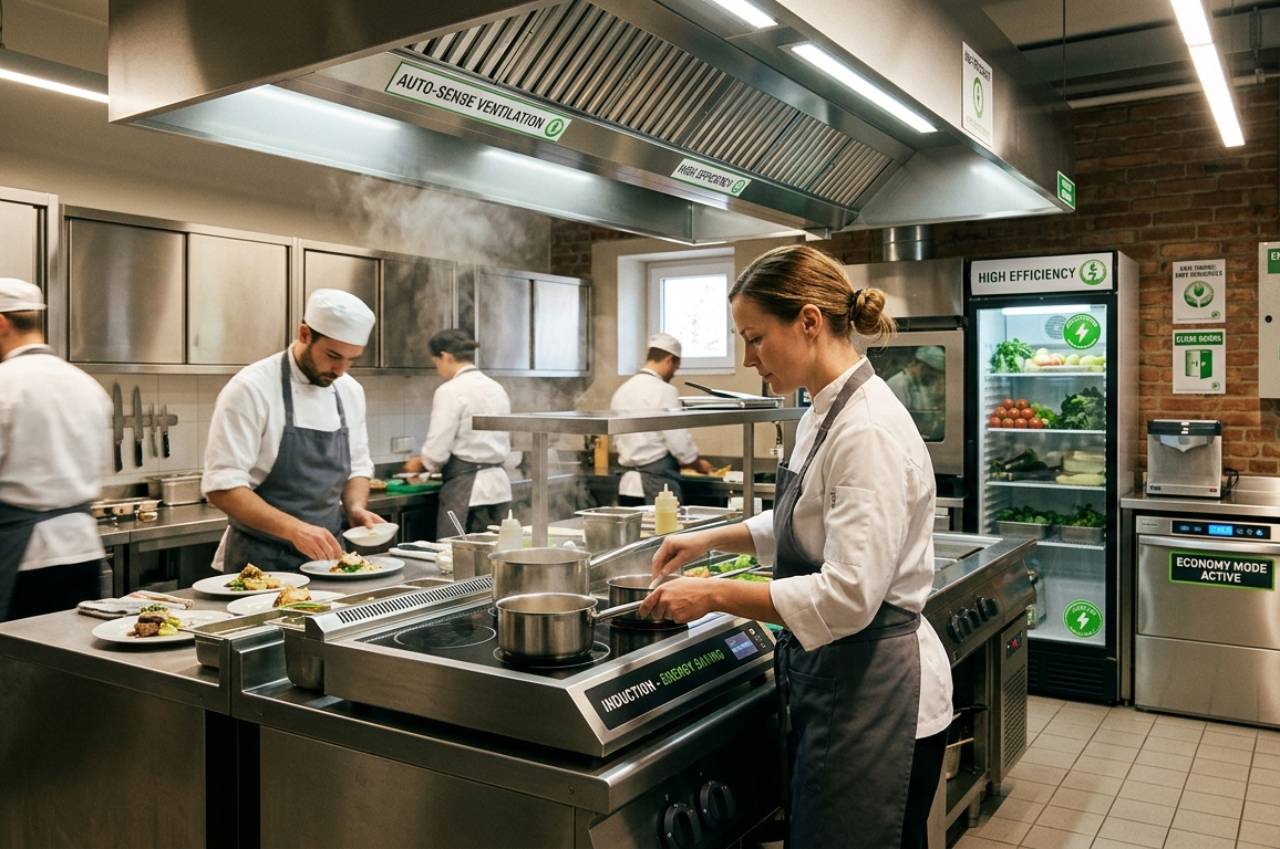
For restaurant owners, energy conservation is not just about being environmentally responsible. It is about protecting profit. Every day, restaurants rely on electricity, gas, and water to keep the kitchen running, food safe, and service consistent. That makes utilities a necessary cost. But it also makes them a category where waste can quietly build up. Equipment left running too long, excess hot water use, poor shutdown habits, and neglected maintenance all increase costs without adding value to the operation.
That is why energy conservation should be treated as a margin issue. Just like food cost, labor cost, and waste, utility usage affects how much profit the business keeps from every dollar of sales. When energy use is not managed carefully, the restaurant ends up paying more each month without improving speed of service, food quality, or guest experience. In many cases, higher utility bills are not the result of higher demand. They are the result of inefficient routines and systems that have gone unchecked.
For owners, this creates a practical opportunity. Utility costs are often more manageable than they appear because many of the drivers behind them are operational. Better equipment decisions, stronger maintenance habits, smarter water use, and more disciplined daily routines can all reduce costs over time. When restaurant owners approach energy conservation this way, it becomes more than a sustainability effort. It becomes a repeatable method for improving efficiency, protecting margins, and running a more disciplined operation.
Start With the Equipment That Uses the Most Energy
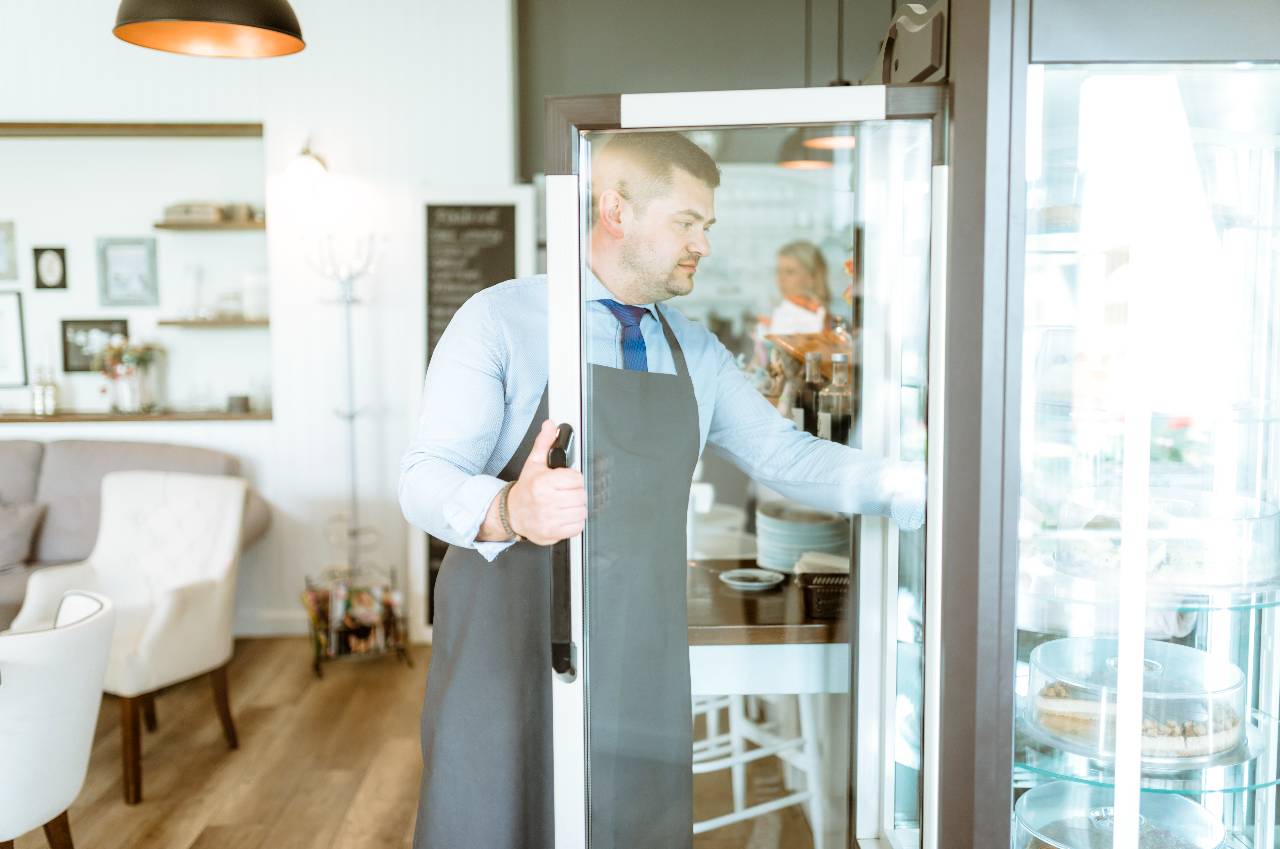
One of the most practical ways to improve energy conservation in a restaurant is to start with the equipment that has the biggest impact on utility usage. Not every piece of equipment affects costs the same way. Some units run all day, produce constant heat, or use both water and electricity at the same time. These are usually the systems that create the most pressure on monthly utility bills. For restaurant owners, this means energy conservation should begin with the largest sources of consumption, not the smallest.
The equipment that often uses the most energy includes -
1. Refrigeration equipment - Walk-ins, reach-ins, prep tables, and freezers run continuously. Because they operate around the clock, even small inefficiencies can become expensive over time.
2. Fryers - Fryers use significant energy to heat and maintain oil temperature. In many kitchens, they stay on for long periods, including slower times when demand may not justify full usage.
3. Ovens and ranges - Cooking equipment generates heavy gas or electric demand, especially during prep periods and peak service windows. Older or inefficient units can raise costs quickly.
4. Dish machines - Warewashing equipment can be a major utility driver because it uses electricity, water, and hot water. That means one machine can increase multiple cost categories at once.
5. HVAC systems - Cooling and ventilation systems work harder in hot kitchens. When kitchen heat rises, HVAC demand rises with it, increasing electricity use across the operation.
Too often, owners look only at purchase price when evaluating equipment. But the better question is what that equipment costs to operate every day. A lower-priced unit may save money upfront while creating higher monthly utility costs for years. That is why energy conservation is closely tied to total cost of ownership.
Preventive Maintenance
Another practical way to improve energy conservation in a restaurant is to treat preventive maintenance as part of utility cost control. Maintenance is often viewed as a way to avoid breakdowns or extend equipment life, but it also has a direct effect on electricity, gas, and water usage. When equipment is not cleaned, inspected, or serviced regularly, it becomes less efficient. That means the restaurant ends up using more resources just to get the same result. For restaurant owners, this makes preventive maintenance an important part of reducing utility waste.
The maintenance issues that often increase energy usage include -
1. Dirty condenser coils - When refrigeration coils are covered in dust or grease, the unit has to work harder and run longer to hold safe temperatures.
2. Worn door gaskets - Damaged seals on coolers and freezers allow cold air to escape, which forces the system to cycle more often and use more electricity.
3. Clogged filters and blocked vents - Restricted airflow reduces equipment efficiency and can increase strain on refrigeration, ventilation, and heating systems.
4. Scale buildup in dish machines and water heaters - Mineral buildup makes these systems less efficient, increasing both water-heating demand and overall utility use.
5. Neglected burners, valves, and spray components - Cooking and warewashing equipment that is not functioning properly may use more gas, water, or electricity than necessary during normal operation.
Many times, maintenance is delayed until something fails. But by that point, the restaurant has usually already absorbed avoidable costs through higher utility bills and lower equipment performance. That is why restaurant owners should build maintenance into regular operating routines rather than treating it as a reactive task.
A smarter approach is to schedule routine cleaning, inspection, and replacement of the components that affect performance the most. When equipment is maintained consistently, it runs more efficiently, holds temperatures better, uses less water and energy, and creates fewer operational disruptions. That makes preventive maintenance one of the simplest and most effective ways to support energy conservation without hurting daily execution.
Reduce Water Waste
One of the most effective ways to improve energy conservation in a restaurant is to reduce unnecessary water use. Water may seem like a separate utility category, but it affects more than the water bill alone. In many restaurants, water also drives energy costs because hot water must be heated, stored, and delivered throughout the day. That means waste at the sink, dish area, or prep station can increase both water and energy expenses at the same time. For restaurant owners, this makes water control a practical way to lower utility costs without changing the pace of service.
The water-use areas that often create unnecessary cost include -
1. Pre-rinse spray valves - Older or inefficient spray valves can use far more water than necessary during dishwashing and prep cleanup. Upgrading to low-flow models can reduce waste without slowing down the work.
2. Faucet aerators - Standard faucets may deliver more water than the task actually requires. Low-flow aerators help reduce usage while still supporting normal handwashing and prep activity.
3. Leaking faucets and fixtures - Small leaks often get ignored because they seem minor, but over time they add continuous waste and increase both water and hot water costs.
4. Dishwashing routines - Running partial dish loads, letting water run too long, or using more rinse time than necessary can quietly raise utility costs across every shift.
5. Hot water overuse - When employees use more hot water than needed for cleaning or prep, the restaurant absorbs added energy cost from heating that extra volume.
A smarter approach is to review high-use stations, repair leaks quickly, install more efficient fixtures, and train teams to use water with more control. When restaurants reduce water waste in practical ways, they lower utility costs while keeping the kitchen productive, safe, and fully operational.
Better Lighting and Temperature Control
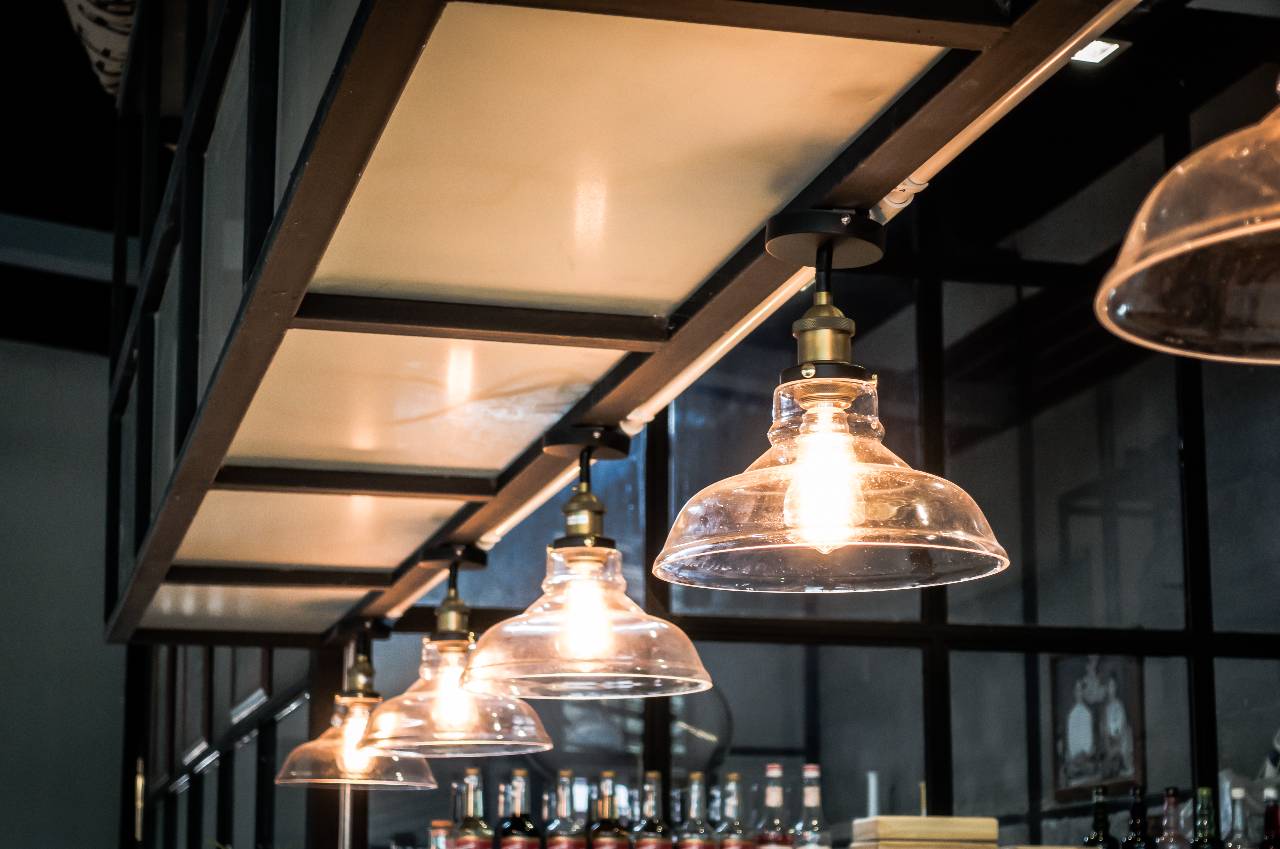
Another practical way to improve energy conservation in a restaurant is to focus on lighting and temperature control. These systems affect utility costs every day, yet they are often overlooked because they operate in the background. For restaurant owners, the issue is not just how much electricity lights or climate systems use on their own. It is also how they influence the rest of the operation. Excess heat from lighting, poor thermostat settings, and unmanaged hot water temperatures can all raise costs without improving service or productivity.
The lighting and temperature issues that often increase utility usage include -
1. Outdated lighting - Older bulbs use more electricity and often produce more heat than necessary. This increases lighting costs and can also add to the cooling load inside the restaurant.
2. Unnecessary lighting during low-traffic periods - Lights left on in storage areas, prep areas, offices, or dining sections that are not in use create avoidable electricity expense.
3. Poor thermostat control - Inconsistent temperature settings can cause HVAC systems to run longer than needed, especially during busy periods when kitchen heat is already high.
4. Hot water temperatures set higher than necessary - Water heaters that operate above practical needs increase energy demand throughout the day, particularly in restaurants with constant dishwashing and cleaning activity.
5. Lack of control by area or time of day - When lighting and temperature settings are not adjusted based on operating hours, traffic patterns, or workload, the restaurant pays for full usage even when demand is lower.
Restaurant owners focus only on major kitchen equipment when looking for savings. But lighting and temperature systems create steady, repeatable utility demand across every shift. That is why they should be part of any serious energy conservation effort.
A better approach is to use more efficient lighting, reduce unnecessary usage in low-activity areas, and review temperature settings to make sure they match operational needs. When restaurant owners improve control over lighting and temperature, they reduce electricity waste, lower cooling strain, and create a more efficient operation without affecting the guest experience or slowing down the team.
Control Kitchen Heat
Another method to improve energy conservation in a restaurant is to control the amount of heat building up in the kitchen. Heat affects more than employee comfort. It also increases the workload on refrigeration and cooling systems across the operation. When the kitchen gets hotter, walk-ins, reach-ins, prep coolers, and HVAC equipment all have to work harder to maintain the right temperatures. For restaurant owners, this means excess heat creates added electricity demand in more than one area at the same time.
The kitchen conditions that often increase cooling-related energy usage include -
1. High-heat cooking equipment running for long periods - Fryers, ovens, ranges, and other hot-line equipment produce continuous heat, especially when left on during slower periods.
2. Poor ventilation performance - If kitchen hoods and airflow systems are not working efficiently, heat stays trapped in the space and raises the ambient temperature around staff and equipment.
3. Refrigeration placed too close to heat sources - Coolers, freezers, and prep tables located near ovens, fryers, or grills must work harder to hold safe temperatures.
4. Lighting that adds unnecessary heat - Inefficient lighting can increase the temperature inside prep, storage, and service areas, adding more strain to cooling systems.
5. Lack of separation between hot and cold zones - When kitchen layout does not account for heat-producing equipment and cold-storage equipment, utility waste increases because systems compete against each other.
When the kitchen runs hotter than necessary, the restaurant pays for it through both higher cooling demand and lower equipment efficiency. A smarter approach is to reduce avoidable heat where possible, improve ventilation performance, and keep refrigeration equipment away from major heat sources. Owners should also review which hot-line equipment truly needs to stay on throughout the day. When kitchen heat is managed more effectively, refrigeration systems recover faster, HVAC systems carry less strain, and the restaurant improves energy conservation without hurting speed, food quality, or service readiness.
Shut Down Idle Equipment and Build Smarter Daily Routines
One of the simplest ways to improve energy conservation in a restaurant is to reduce the amount of equipment running when it is not needed. In many operations, utility waste does not come from a major failure. It comes from routine habits. Equipment is turned on too early, left running too long, or kept at full operating level during slower periods when demand does not justify it. For restaurant owners, this creates a clear opportunity. Better daily routines can lower electricity and gas usage without affecting service quality.
The routine habits that often increase energy usage include -
1. Turning on equipment too early - Fryers, ovens, grills, warmers, and other cooking equipment are sometimes started long before prep or service actually requires them.
2. Leaving idle equipment running during slow periods - When traffic drops, some equipment can be reduced, consolidated, or turned off temporarily instead of staying fully active all day.
3. Using full production capacity when demand is low - Running multiple pieces of similar equipment at once, even when one unit could handle the volume, increases unnecessary utility costs.
4. Forgetting shutdown tasks at closing - Lights, holding equipment, exhaust systems, and back-of-house equipment may stay on after close if shutdown routines are inconsistent.
5. Lack of assigned responsibility - When no manager or shift leader owns startup and shutdown execution, energy-saving steps are more likely to be missed.
Too often, restaurants accept these habits as normal because they support convenience or routine. But over time, that convenience becomes an avoidable operating cost. Small daily decisions repeated across every shift can create a significant impact on monthly utility bills.
The better method is to build startup, slowdown, and closing procedures around actual business volume. Owners should define when equipment needs to be on, when it can be reduced, and who is responsible for making those adjustments. When restaurants create more disciplined daily routines, they cut idle utility use, improve operating control, and make energy conservation part of normal execution instead of a separate project.
Layout, Training, and Ongoing Oversight
The most effective energy conservation strategy is not a one-time fix. It is an operating discipline built into how the restaurant is designed, how the team is trained, and how managers review performance over time. Restaurant owners can replace bulbs, repair leaks, or upgrade equipment, but if the layout creates unnecessary strain, the staff is not trained on efficient habits, and utility usage is never reviewed, waste will return. Long-term cost control comes from building energy conservation into the daily structure of the operation.
The operating areas that support long-term energy conservation include -
1. Kitchen layout - Equipment placement affects efficiency. Refrigeration units placed too close to fryers, ovens, or other heat-producing equipment have to work harder. Separating hot and cold zones where possible helps reduce unnecessary strain.
2. Airflow around equipment - Refrigeration and mechanical systems need proper ventilation space to operate efficiently. Crowded placement or blocked airflow can increase utility use and reduce equipment performance.
3. Employee training - Staff habits directly affect energy use. Teams should be trained on shutdown procedures, water control, reporting leaks, and using equipment only when needed.
4. Manager accountability - Energy conservation improves when someone is responsible for monitoring routines, enforcing standards, and correcting wasteful habits during each shift.
5. Utility review and follow-up - Owners should review utility bills and operating patterns regularly to spot increases, compare periods, and identify where usage may be out of line with sales or traffic.
Restaurant owners treat energy waste as a fixed cost instead of an operational issue. But layout decisions, training gaps, and lack of oversight are often the real reason utility costs stay high. Without structure, even good equipment and good intentions lose impact over time.
A smarter approach is to make energy conservation part of the operating system. When layout supports efficiency, staff understand expectations, and managers review utility performance consistently, restaurants create stronger control over costs. That turns energy conservation from a one-time effort into a repeatable habit that supports lower utility bills and better operational discipline.