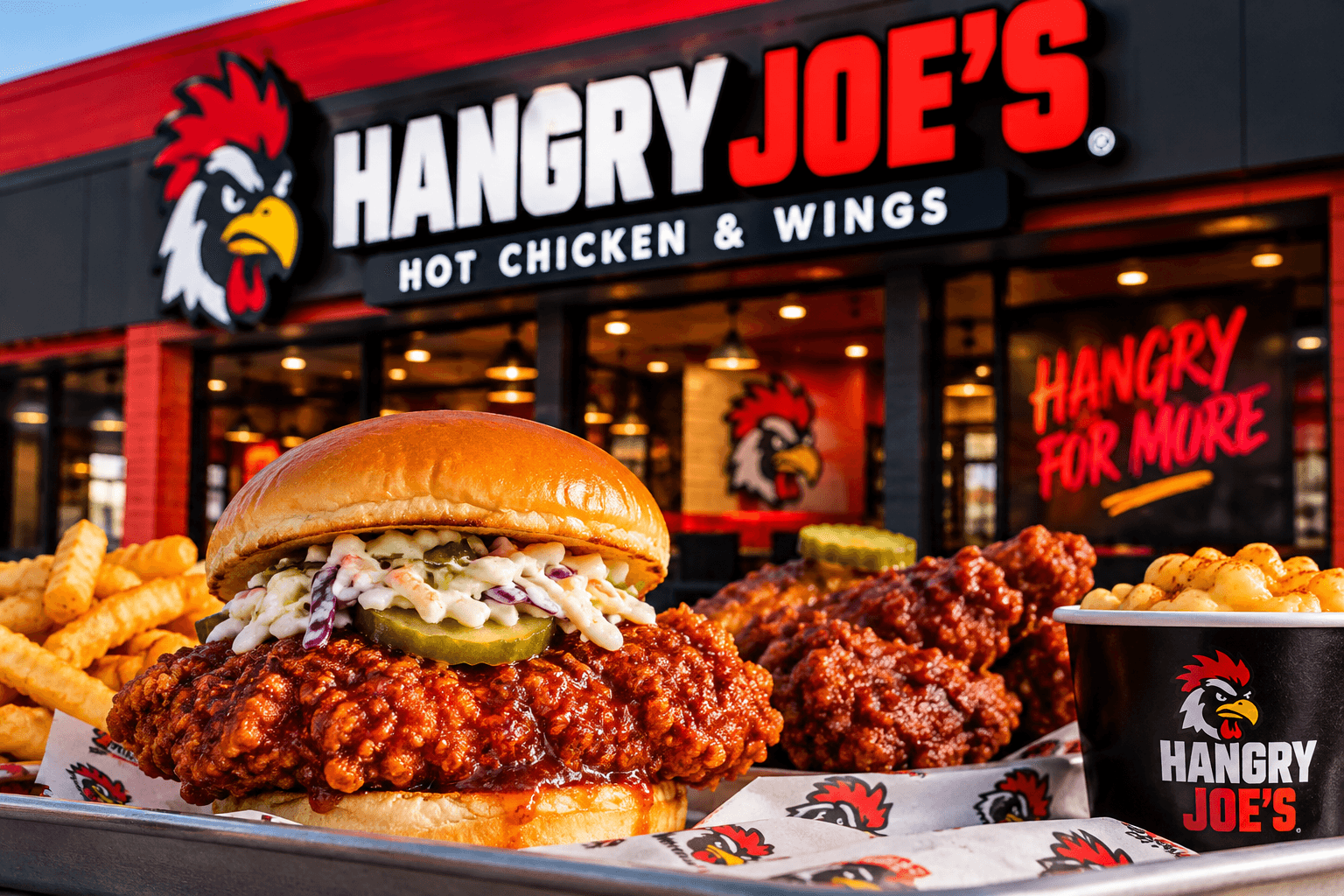
Hangry Joe's Names Brandon Wilhelm as New CEO
Hangry Joe's promotes insider Brandon Wilhelm to CEO, prioritizing franchisee profitability over rapid unit growth as the chain expands past 90 locations.
Franchising
Oct 6, 2026
Hangry Joe's promotes insider Brandon Wilhelm to CEO, prioritizing franchisee profitability over rapid unit growth as the chain expands past 90 locations.
Oct 6, 2026
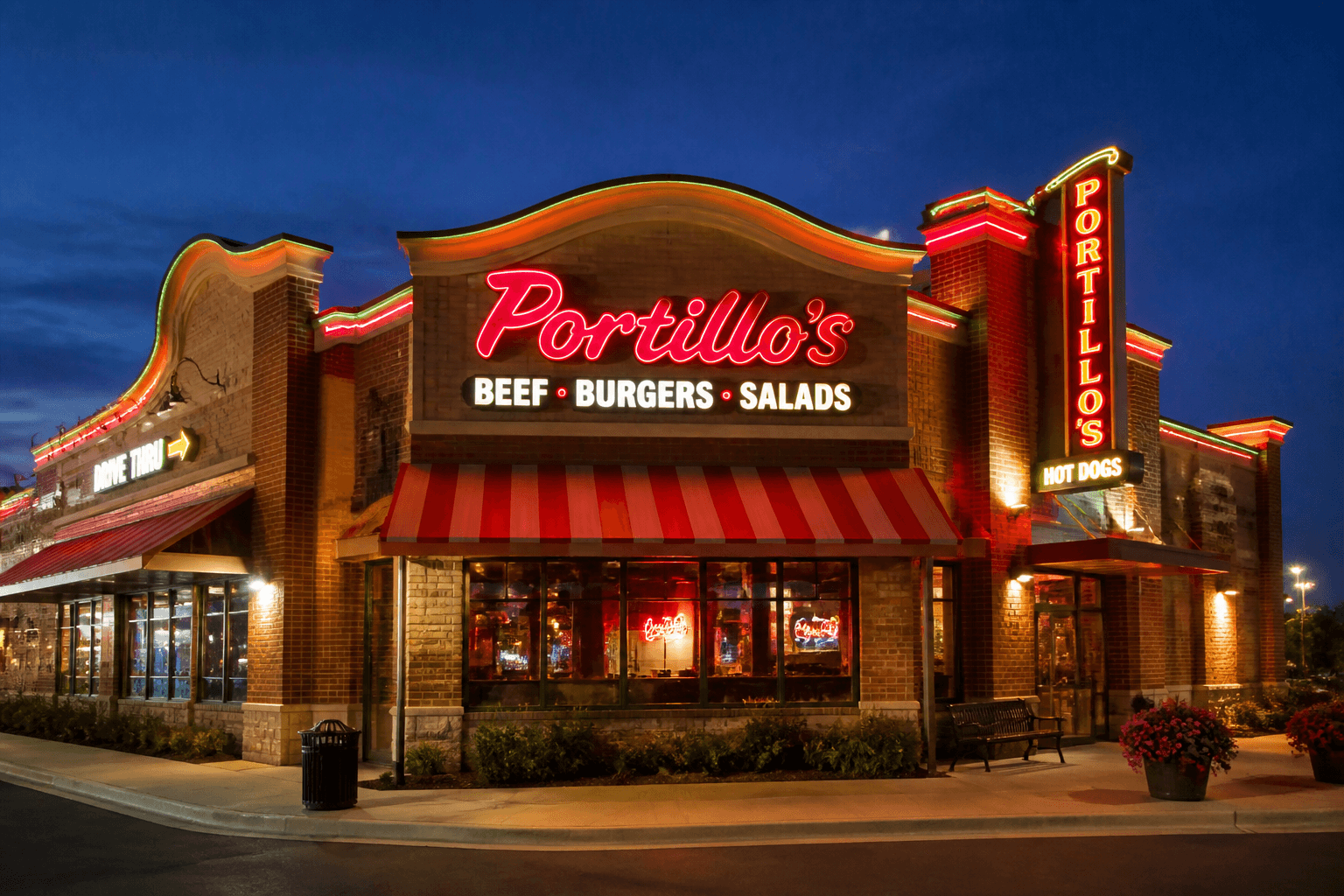
Portillo's chief people officer Jill Waite departs as new CEO Brett Patterson reshapes leadership with layoffs and fresh executive hires.
Oct 6, 2026
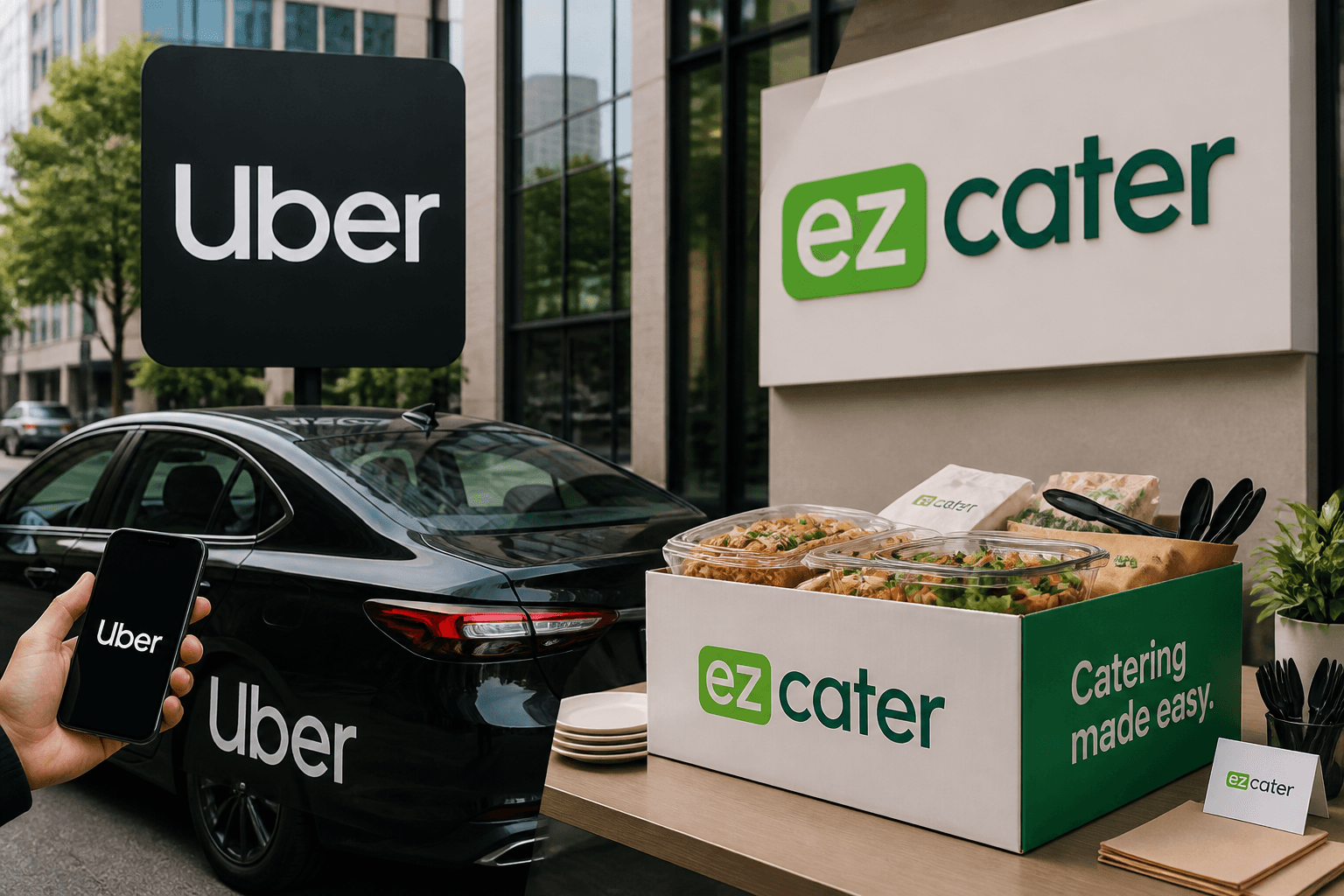
Uber is paying $2.3 billion to acquire ezCater, merging its catering network into Uber Eats and Uber for Business to enter workplace catering.
Oct 6, 2026
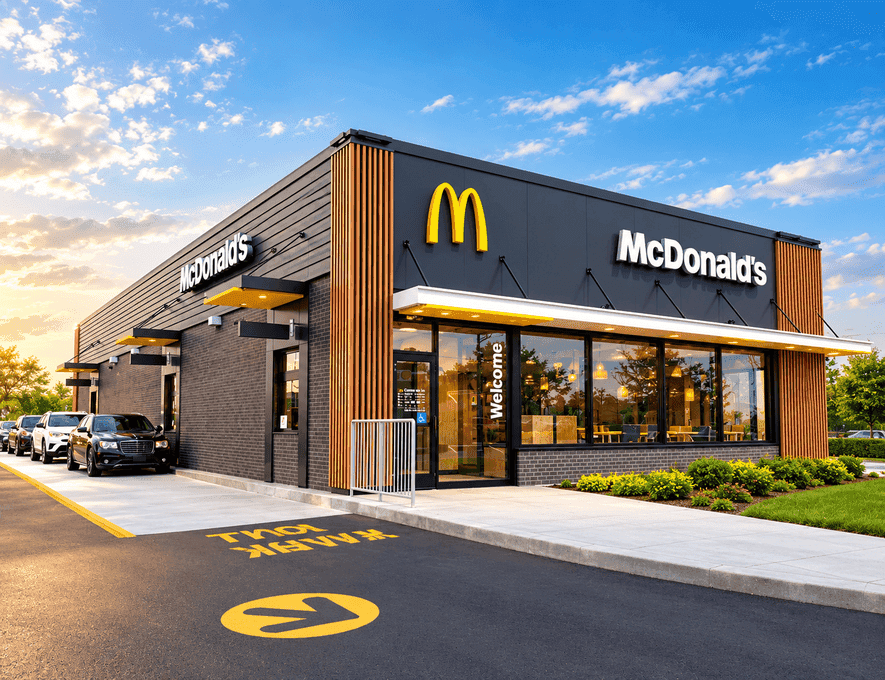
A new lawsuit claims McDonald's pricing tool pressures franchisees into algorithmic price-fixing, raising fresh antitrust questions for the chain.
Oct 6, 2026

True Food Kitchen filed for Chapter 11 bankruptcy, closing 12 locations and shrinking to 34 restaurants across 14 states amid $42.1 million in debt.
Oct 5, 2026

Snooze Eatery names industry veteran Amy Hom as COO, starting Sept. 28, to strengthen hospitality and operations ahead of its next growth phase.
Oct 5, 2026

Opening a second restaurant location requires readiness, clear goals, financial planning, funding, smart strategy, standardized operations, strong teams, and careful launch monitoring for sustainable growth.
Sep 30, 2026

Improve restaurant visibility with local SEO by optimizing Google Business Profile, targeting local keywords, managing reviews, and maintaining accurate online information.
Oct 5, 2026
Restaurants can control operating costs by tracking food, labor, rent, utilities, technology, marketing, and other expenses against sales.
Oct 5, 2026

Evaluate restaurant industry performance in Q3 2026 through key trends affecting restaurant sales, traffic, consumer spending, labor, costs, and technology.
Oct 2, 2026

Unlock Exclusive Access To Webinars, Events, And The Latest News For Free!
Explore how Starbucks is leveraging its employees to drive a successful turnaround, focusing on customer experience and operational improvements.
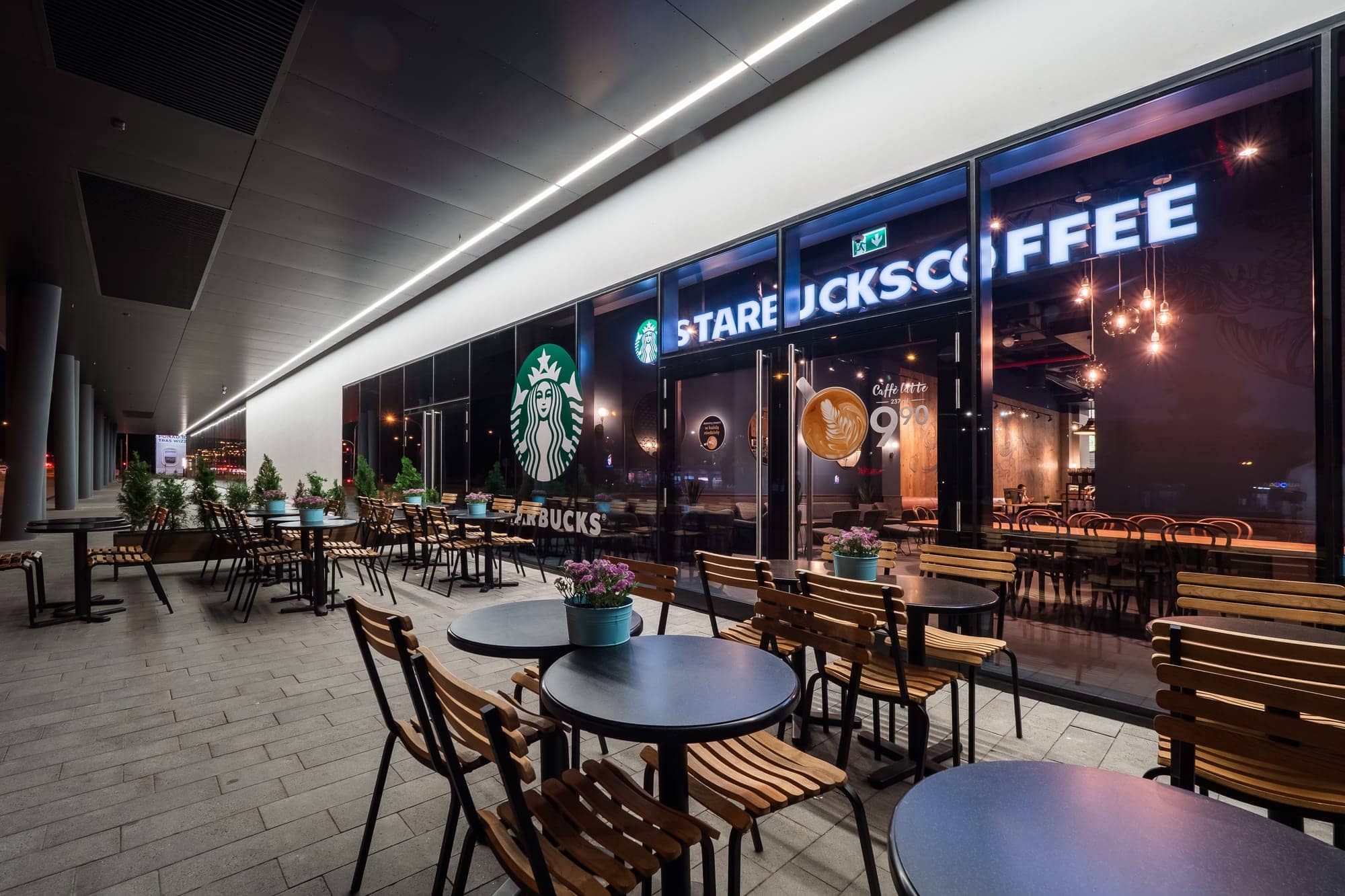
Starbucks' commitment to its turnaround effort revolves around the essential role of its employees in delivering the exceptional customer experience required for the company to regain growth momentum. By focusing on empowering its workforce, Starbucks aims to not only rebuild its business but create a stronger and more customer-centric brand.
Global comparable store sales have seen a 1% year-over-year decline in the second quarter of 2025, showcasing an improvement from the previous 4% decline reported in the first quarter. As Starbucks continues its operational enhancements and customer-focused strategies, the positive shift in sales performance indicates that the company's efforts are bearing fruit.
One of the key strategies Starbucks is implementing is investing in labor to better support its employees, especially during peak hours. By filling 500,000 more shifts in the second quarter of 2025 compared to the previous year, Starbucks is aiming to improve customer interactions, increase transaction efficiency, and elevate the overall experience for both customers and partners.

Through the introduction of a new staffing and deployment pilot, Starbucks has successfully improved service speed and customer connections. By testing an order sequencing algorithm, Starbucks reduced in-store and drive-thru service times, resulting in an average two-minute decrease in cafe wait times. This operational optimization is crucial in delivering a seamless and efficient service experience to customers.
While the increased investment in labor has impacted Starbucks' operating margin, which fell by 4.5% year over year, the company believes that this strategic move will lead to capturing additional demand, driving more transactions, and ultimately accelerating growth. CFO Cathy Smith's perspective on balancing labor costs with financial results highlights Starbucks' dedication to achieving long-term sustainability through operational effectiveness.
Although Starbucks has focused on enhancing its labor force, the issue of wages, particularly raised by the Starbucks Workers United union, remains under discussion. The demand for a $20 minimum wage for baristas and a $25.40 minimum wage for shift supervisors indicates ongoing labor challenges within the company. Balancing the need for competitive compensation while ensuring operational efficiency will be a key balancing act for Starbucks moving forward.