RaceTrac Names Jill Pemberton as New CFO
RaceTrac has appointed Jill Pemberton as chief financial officer, succeeding Karla Ahlert, who moves into the newly created role of chief administrative officer.
News
Aug 26, 2026
RaceTrac has appointed Jill Pemberton as chief financial officer, succeeding Karla Ahlert, who moves into the newly created role of chief administrative officer.
Aug 26, 2026
Learn practical ways to reduce labour costs through smarter scheduling, forecasting, productivity, cross-training, automation, overtime control, and performance monitoring strategies.
Aug 26, 2026

A restaurant P&L statement reveals sales, expenses, and profits, helping owners manage costs, improve margins, and plan finances more effectively.
Aug 26, 2026

A payroll advance policy helps restaurant owners define eligibility, limits, repayment, documentation, approval procedures, and compliance requirements for employee advances.
Aug 24, 2026

Blaze Pizza welcomes Tracy Stockard as Chief Marketing Officer, bringing decades of brand and franchise experience to drive strategic growth and guest engagement.
Aug 25, 2026

Levain Bakery appoints Lorna Sommerville and Taya Stenson as co-CEOs, blending operational and marketing expertise to power national expansion and innovation while staying rooted in its brand values.
Aug 25, 2026

Create a practical restaurant marketing plan by setting goals, targeting customers, choosing channels, budgeting wisely, scheduling campaigns, and measuring results.
Aug 24, 2026
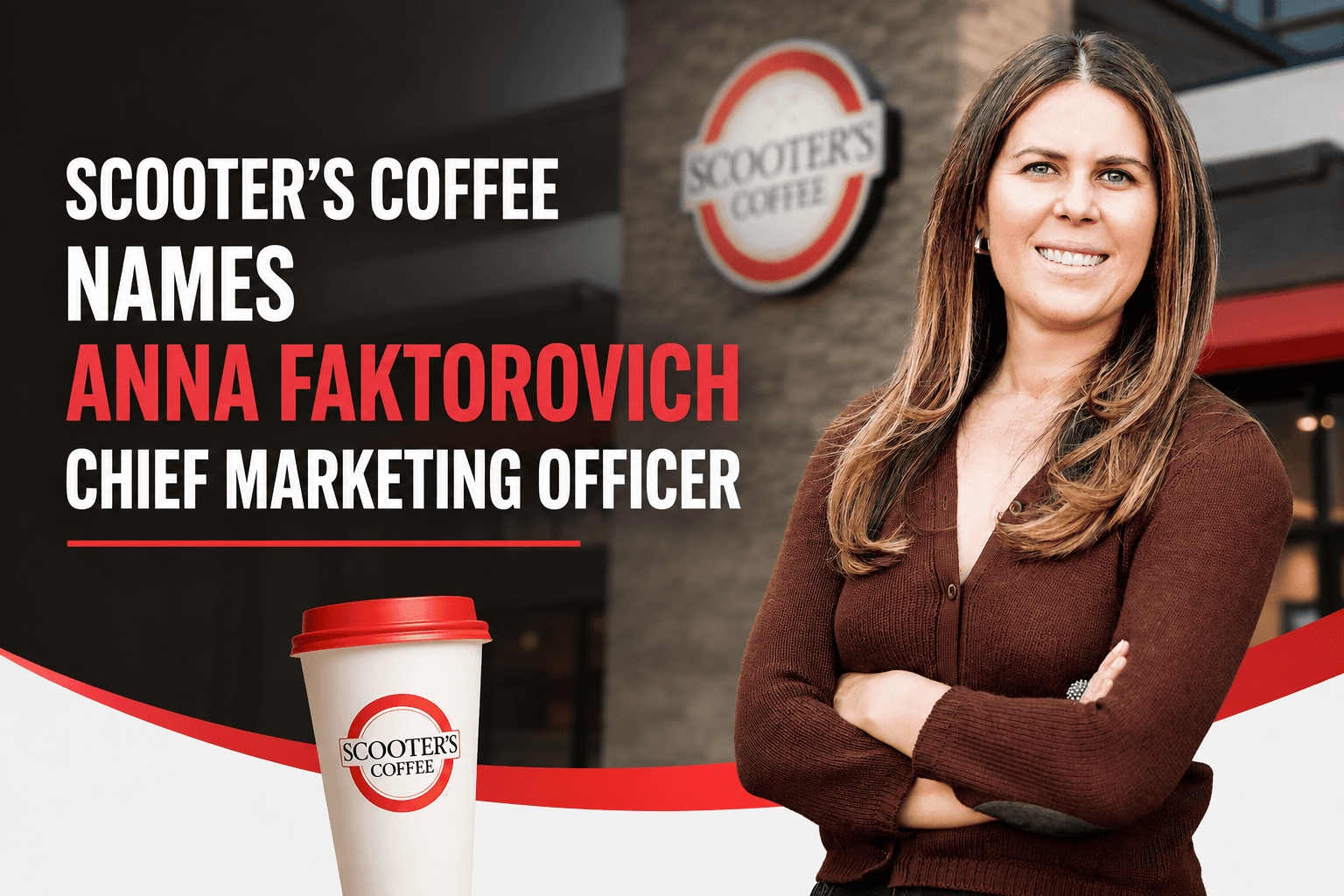
Anna Faktorovich, a seasoned marketing executive, has been named Chief Marketing Officer at Scooter’s Coffee, bringing decades of multi-brand experience to fuel the franchise’s next growth stage.
Aug 25, 2026
Dave & Buster's refreshes its executive lineup with seasoned leaders in operations, marketing, tech, and finance - signaling a growth-driven future for restaurant operators to watch.
Aug 24, 2026
Wendy’s announces Tariq Hassan as Chief Marketing and Customer Growth Officer, charting a new course for brand and digital innovation. What restaurant owners can learn.
Aug 24, 2026

Unlock Exclusive Access To Webinars, Events, And The Latest News For Free!
Every year, more than 1.3 billion tons of food is wasted by consumers and the food industry. This means that 1/6 of all food produced for human consumption never makes it to a consumer's plate. As the world population increases, food scarcity is becoming more and more common as well. So how can we eliminate this waste? Here are some ideas for how to reduce your own contribution to food waste as well as how to fight against it on a global scale.
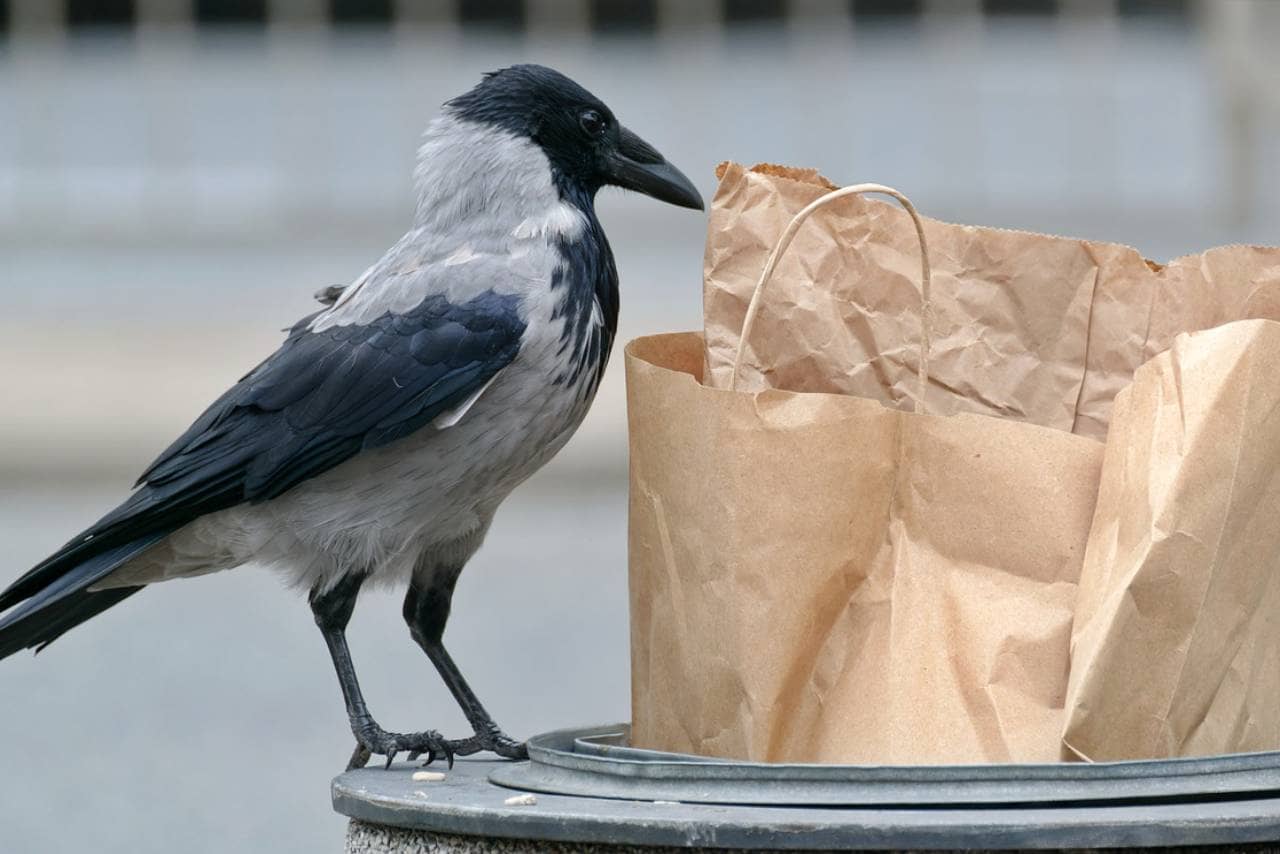
There are many causes of food waste. One of the most common is over-ordering, which happens when restaurants or other establishments over-produce and end up throwing away the excess. It's important for businesses to be mindful about how much food they order so that they don't end up wasting it. Another way that businesses contribute to food waste is by ordering more than what their customers can finish in one sitting. This often happens when you order an appetizer, like a bowl of soup, but only want a small amount - but there's no option for ordering less than what's recommended.
No matter how much you try to be conscious about your food consumption, there are always some sources of food waste. The first and most important step is to identify the sources of your food waste. Once you know where it comes from, you can take steps to eliminate that specific source.
to Fight Food Waste In 2015, the United Nations General Assembly committed to the Sustainable Development Goals (SDGs) for the year 2030. One of those goals is to reduce food waste by 50 percent by 2030. Although that goal is a long way away, there are some steps you can take today to start reducing your contribution to food waste.
The world wastes 1.3 billion tonnes of food a year. This means that, on average, each person in the world throws away a quarter of their food. This volume of waste is not only morally wrong, but it also has a huge environmental impact. The amount of energy, water and land used to produce this food is all wasted. Can you imagine all the hungry people in the world who could be fed if we didn't waste so much food? The good news is that there are things we can all do to help. And the first step is to understand how and why food gets wasted in the first place.
