Grocery Store Delis Surge as Value‑Hungry Consumers Shift From Restaurants
FMI’s retail foodservice report shows shoppers steering restaurant occasions to grocery delis, driven by value perceptions, in‑store discovery, and restaurant‑style conveniences.

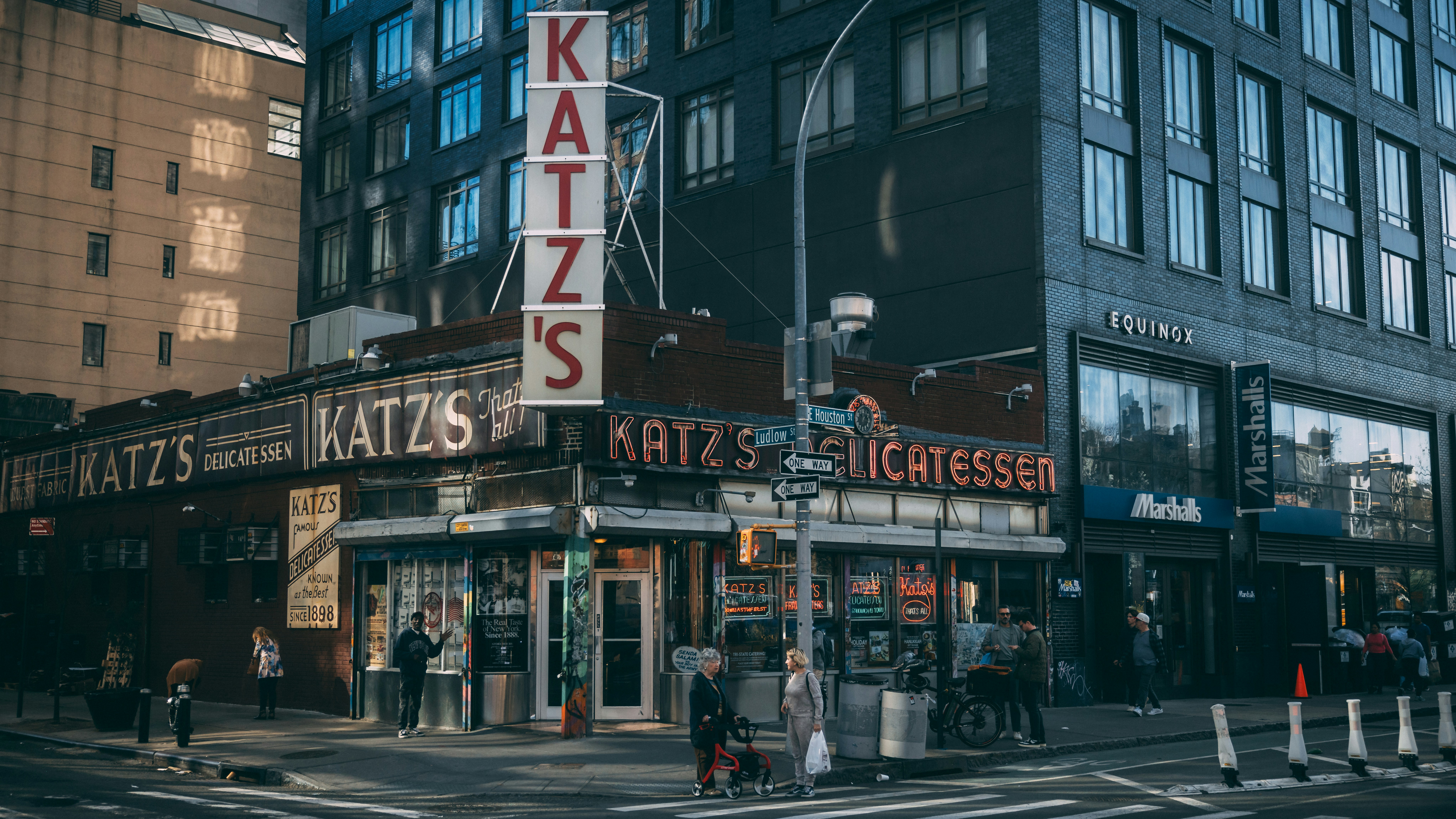
Photo by Chalo Gallardo on Unsplash
A Quiet Rebalance at Mealtime
The deli counter is taking share from restaurants, and the numbers don’t whisper. They speak plainly. The share of shoppers buying deli‑prepared items from grocers instead of dining out has reached "28 percent," up from "12 percent" in "2017." That’s a clean, decisive swing toward value‑oriented convenience. At the same time, the portion of consumers using grocery deli meals to replace home cooking fell from "50 percent" to "30 percent." Households are keeping the stove on. They’re just redirecting some nights away from dining out and into the deli case. Perception steers the cart. Over half of respondents call deli‑prepared items a "good value," and "37 percent" say they are as affordable as restaurant meals. That parity matters. It turns a grab‑and‑go case into a credible stand‑in for a quick‑serve ticket. When budgets tighten, the math wins. Presentation and portion get judged fast. If the price feels right, the switch from restaurant to retail happens without drama.
Pragmatism, With a Small Treat
The motivation is simple and grounded. The report describes shoppers “leaning into deli‑prepared foods from grocers to stretch budgets while still enjoying the convenience and treat of having someone else prepare meals.” That line captures the balance: save money, keep a little indulgence. It’s not an abandonment of cooking. It’s a surgical swap—restaurant occasions trimmed, deli occasions added. Positioning follows behavior. Deli‑prepared foods function as substitutes for restaurant fare, not as a full replacement for cooking at home. Weekly routines stay intact. The deli fills gaps when time is short or when a bit of variety is needed without the sit‑down price. Consumers want practicality and quality in the same basket. The shift reflects a value‑seeking mindset, not a novelty chase.
Decisions Made at the Case
In‑store mechanics do the heavy lifting. More than "60 percent" of customers discover deli offerings through passive in‑aisle exploration or signage. That means the display is the pitch. By contrast, only about "19 percent" rely on apps, and "roughly a quarter" become aware via social media. Digital plays a supporting role. The glass, the steam, and the labels do more to move units than a feed post. Speed rules the day. "60 percent" choose lunch on the same day, "54 percent" decide on breakfast that morning, and "nearly half" decide on dinner the day itself. Immediate cues—aroma and display—carry weight when the clock is tight. Shoppers say "67 percent" of stores are helpful in meal planning, yet "almost 40 percent" want more assistance. Signage, pairings, and on‑site prompts are underused tools. Make it obvious. Make it fast. The cart follows.
Borrow the Best From Restaurants
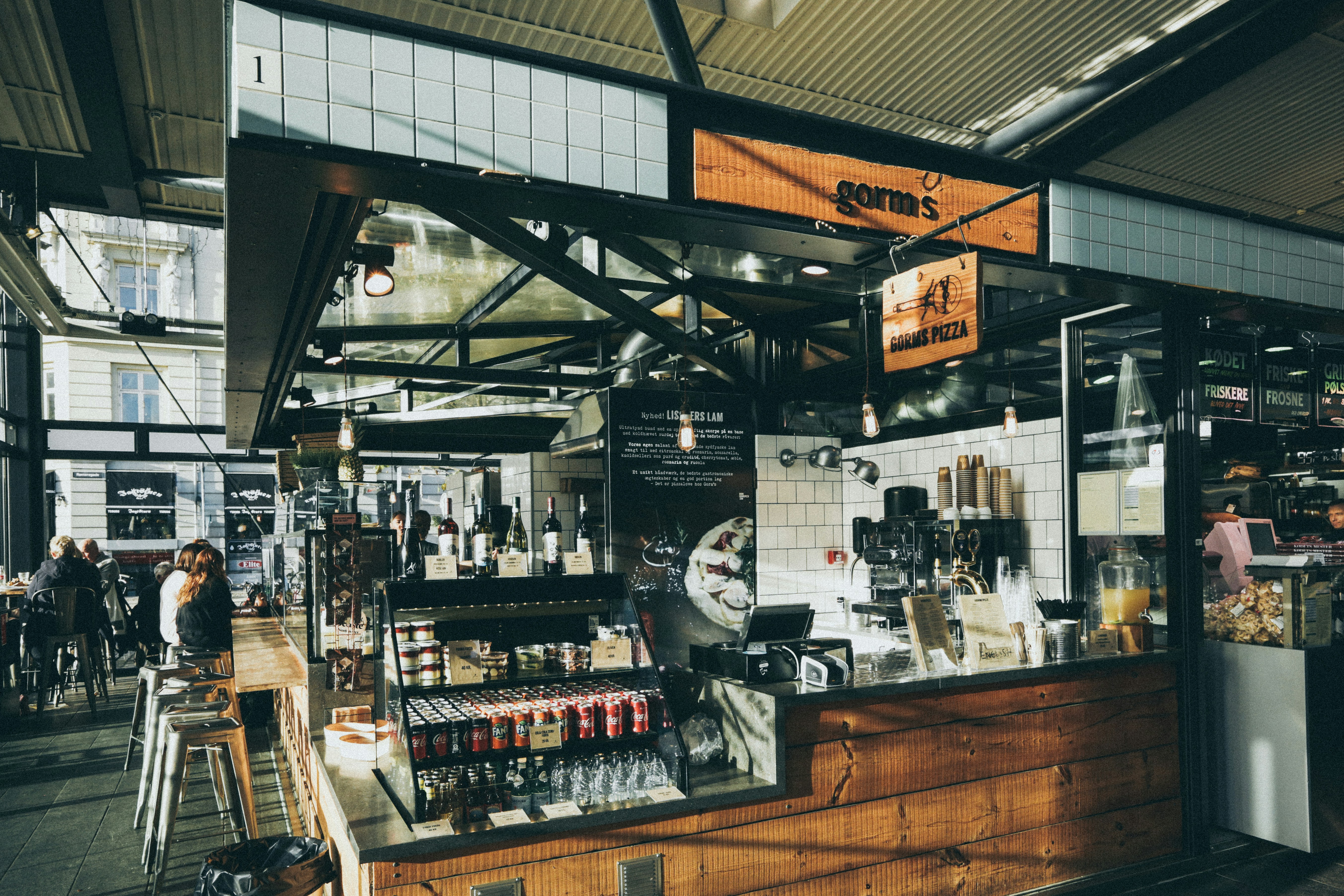
Shoppers want restaurant‑style conveniences snapped onto grocery operations. Demand runs high for "online menus (66 percent)," "advance ordering (62 percent)," "inside pickup stations (58 percent)," "drive‑thru service (58 percent)," "separate deli checkouts (55 percent)," and "grocery delivery of prepared meals (53 percent)." Remove friction and the deli starts to feel like quick‑serve, only priced to please a budget. Brand cues anchor habits. "40 percent" now say their store is known for a signature deli item—up from "33 percent"—with chicken dishes, sandwiches, and deli meats most commonly cited. That’s repeat‑visit fuel. Value remains the steering wheel. "38 percent" view deli‑prepared foods as equally affordable to restaurants, and "23 percent" report cutting back on fast‑food and casual visits. The link is direct: better deli execution lowers restaurant frequency without sacrificing convenience.
Real Dollars, Real Volume
The enthusiasm shows up on the ledger. For the "52 weeks ending August 9," retail foodservice sales rose "1.6 percent" year‑over‑year to "$52.1 billion," and unit sales matched that "1.6 percent" gain. That one‑to‑one tells a clean story: growth is volume‑based, not just price inflation. People are buying more trays, more boxes, more sandwiches. Not just paying more for the same. The attitudinal findings rest on "1,571" U.S. grocery shoppers interviewed online between "July 21 and August 5" and were reinforced by NielsenIQ point‑of‑sale trends. Survey intent lines up with register rings. This isn’t a one‑off promotion spike. It looks like routine behavior settling in. The deli is earning a slot in the weekly plan, even if the decision gets made that day at the counter.
Fresh Departments Set the Table
Deli’s rise sits inside a broader fresh perimeter story. In 2023, deli sales grew "4 percent" to "$47.8 billion," while bakery led with "6.7 percent" growth. Fresh meat rose "2 percent," produce increased modestly, and seafood declined "2.4 percent." Across the fresh department, totals reached "$271.3 billion" with "2.1 percent" average growth. That’s steady momentum where shoppers already equate freshness with value. Retailers are reading the room. "79 percent" plan to expand fresh grab‑and‑go items and "29 percent" will grow made‑to‑order stations. Speed and access get priority. On the meat front, FMI’s Power of Meat report cites a record "$104.6 billion" in retail meat sales in 2024, led by fresh meat at "$73 billion," with deli‑prepared meat products surging "10.8 percent" to "$6.4 billion." Cross‑category leverage is obvious. Integrate fresh meat credibility with signature deli items, and you turn traffic into checkouts. The case becomes a destination, not a detour.
What the Data Doesn’t Say
The dataset has edges. The core survey covers "1,571" U.S. grocery shoppers interviewed online between "July 21 and August 5." It’s a credible snapshot, but it doesn’t break down demographics or regions. Local differences could matter. Discovery via social media is described as "roughly a quarter," a directional cue without a precise percentage. The sales read for the "52 weeks ending August 9" shows stability and growth, yet brand‑level performance, margin impacts, and store‑format variations aren’t detailed here. Promotions, seasonality, and competitive restaurant pricing aren’t specified in the evidence set. That leaves open questions about how spikes or discounts shape short windows. Strategy built on these findings should account for the missing granularity. Segmentation would sharpen assortment, pricing, and service design. Use the trend lines, but calibrate the dials before you scale.
A Playbook for the Deli Line
This is a reallocation story. With "28 percent" of shoppers now buying deli‑prepared foods instead of restaurants and only "30 percent" using deli to replace home cooking, grocers are winning share from dining out while preserving at‑home routines. The in‑store pathway—where more than "60 percent" discover options and a majority decide the same day—puts signage, sensory displays, and immediate availability at center stage. Add wanted features—"online menus (66 percent)," "advance ordering (62 percent)," and "drive‑thru service (58 percent)"—and the deli moves closer to restaurant‑level convenience with a lower perceived cost. Fresh perimeter strength backs the approach: deli grew "4 percent" to "$47.8 billion," and deli‑prepared meat rose "10.8 percent" to "$6.4 billion." The lesson is clear. Win the moment with presentation and price. Build habits with signatures and speed. Then extend reach with ordering and pickup that mirror quick‑serve without the premium. "If grocers continue to align merchandising, digital ordering, and signature items with deli’s value halo, they are positioned to convert spontaneous missions into repeat behavior, intensifying competitive pressure on quick‑casual and fast‑food players."