
What Is a P&L Statement in a Restaurant?
A restaurant P&L statement reveals sales, expenses, and profits, helping owners manage costs, improve margins, and plan finances more effectively.
Accounting
Aug 26, 2026
A restaurant P&L statement reveals sales, expenses, and profits, helping owners manage costs, improve margins, and plan finances more effectively.
Aug 26, 2026
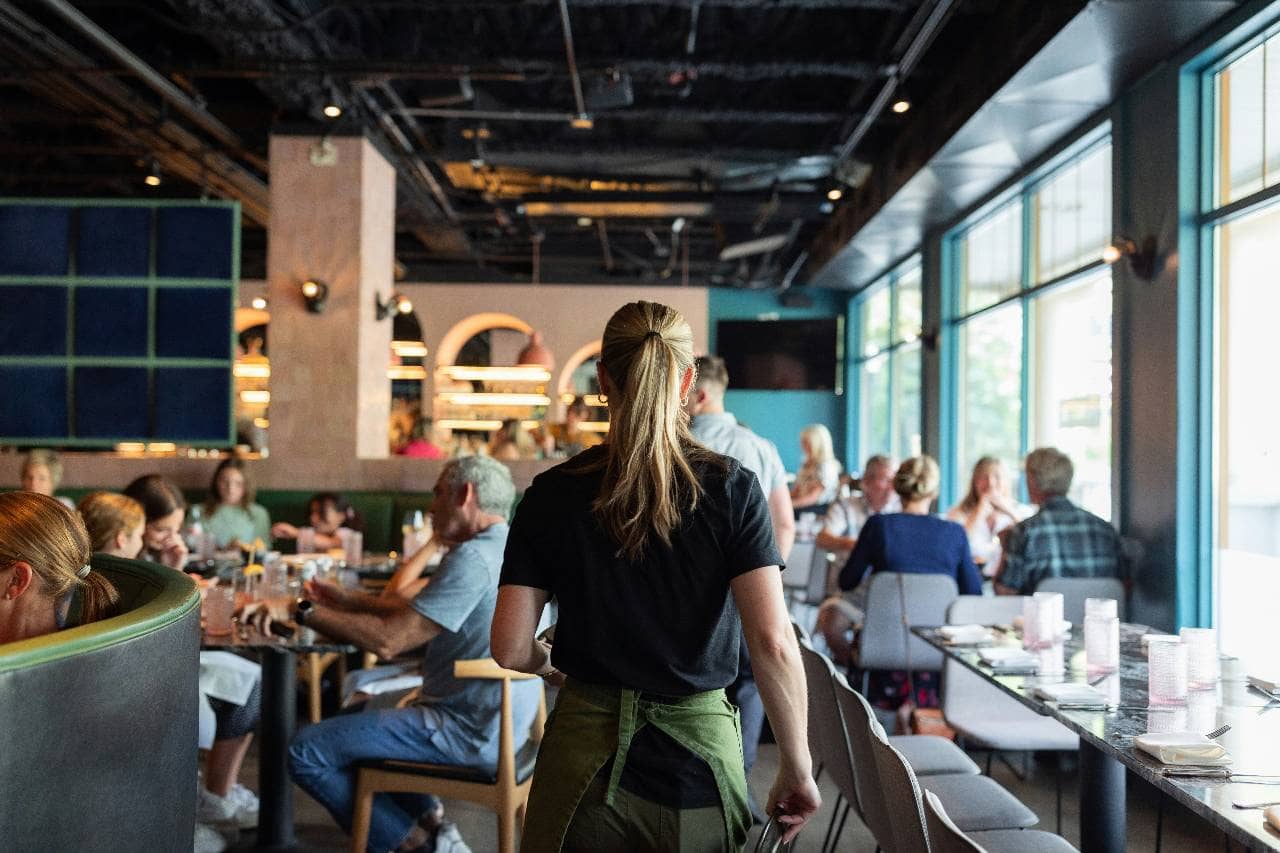
Learn practical ways to reduce labour costs through smarter scheduling, forecasting, productivity, cross-training, automation, overtime control, and performance monitoring strategies.
Aug 26, 2026
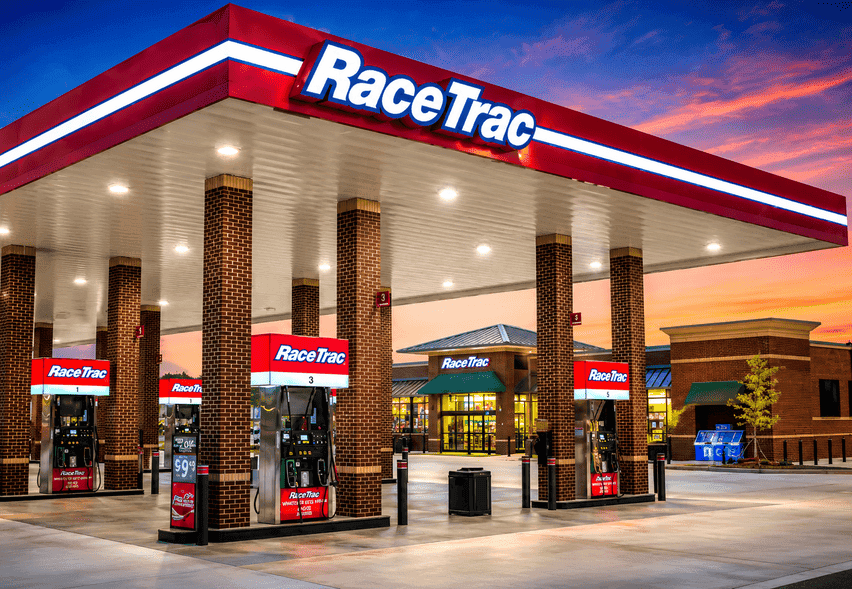
RaceTrac has appointed Jill Pemberton as chief financial officer, succeeding Karla Ahlert, who moves into the newly created role of chief administrative officer.
Aug 26, 2026

Create a practical restaurant marketing plan by setting goals, targeting customers, choosing channels, budgeting wisely, scheduling campaigns, and measuring results.
Aug 24, 2026

Levain Bakery appoints Lorna Sommerville and Taya Stenson as co-CEOs, blending operational and marketing expertise to power national expansion and innovation while staying rooted in its brand values.
Aug 25, 2026
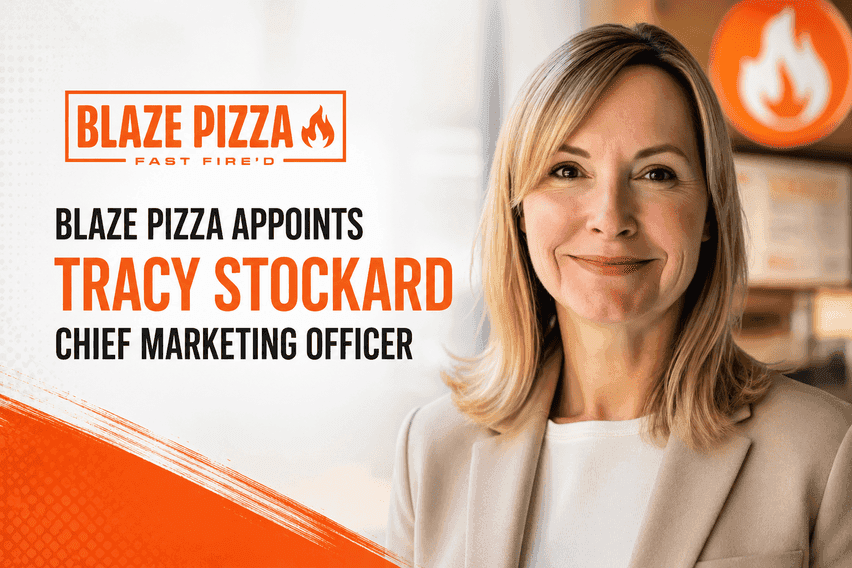
Blaze Pizza welcomes Tracy Stockard as Chief Marketing Officer, bringing decades of brand and franchise experience to drive strategic growth and guest engagement.
Aug 25, 2026
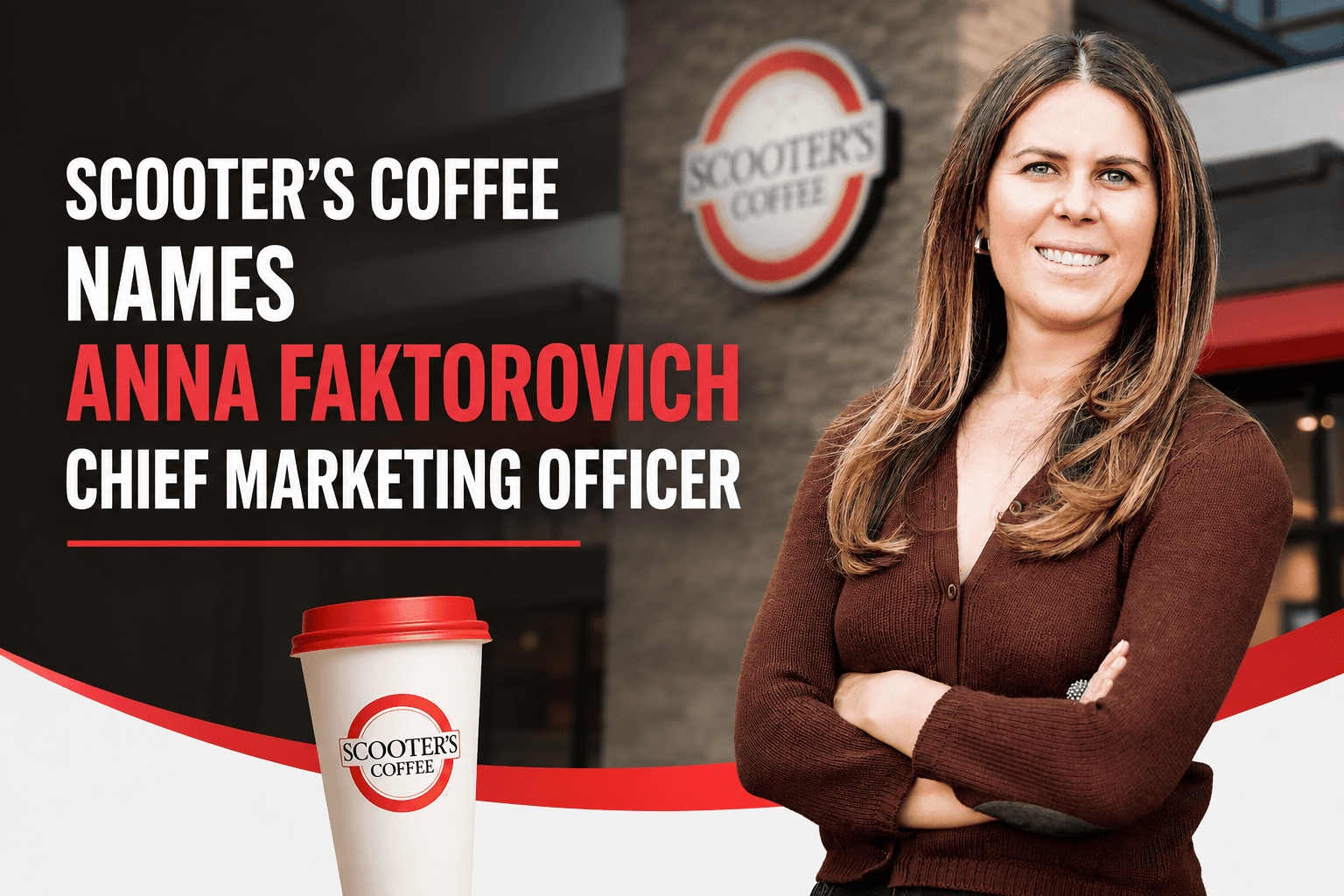
Anna Faktorovich, a seasoned marketing executive, has been named Chief Marketing Officer at Scooter’s Coffee, bringing decades of multi-brand experience to fuel the franchise’s next growth stage.
Aug 25, 2026
A payroll advance policy helps restaurant owners define eligibility, limits, repayment, documentation, approval procedures, and compliance requirements for employee advances.
Aug 24, 2026
Dave & Buster's refreshes its executive lineup with seasoned leaders in operations, marketing, tech, and finance - signaling a growth-driven future for restaurant operators to watch.
Aug 24, 2026
Wendy’s announces Tariq Hassan as Chief Marketing and Customer Growth Officer, charting a new course for brand and digital innovation. What restaurant owners can learn.
Aug 24, 2026

Unlock Exclusive Access To Webinars, Events, And The Latest News For Free!
Restaurants accelerate growth by treating digital not as a tool, but as a living product under constant optimization.

Photo by Nick Karvounis
In the restaurant business, digital ordering has moved from a side-dish add-on to the main course of growth strategy. But let’s get this straight: tossing up an online menu or a basic app doesn’t cut it anymore. Brands with their eyes on sustainable expansion are approaching digital infrastructure like a living, breathing product, something that evolves with the business, not a single-use solution slapped on for convenience.
Why does this matter? A digital presence now threads through every guest experience, web, mobile, and in‑store. If any of those touchpoints falls short, you break the chain and lose the guest to a competitor. What we’re seeing is a deliberate pivot: operators are retiring the old patchwork systems and investing in a unified stack designed for ongoing evolution. The difference is night and day.
Treating digital as a dynamic product, not a static tool, is about more than efficiency. It powers loyalty, making every order, every tap, and every visit a chance to reinforce the brand and make the return visit more likely. That’s the game now, and operators slow to adapt are getting left behind.
Legacy systems used to rule the day, clunky websites here, a couple of disconnected mobile apps there, smatterings of custom code everywhere for flavor. It looked impressive from the outside, but inside, it was chaos. That fragmentation drove up costs and wrecked the consistency of the guest experience. When a single burger chain can rebuild its entire digital stack on a modern commerce platform inside six months, you know excuses for slow digital adoption are wearing thin.
That transition didn’t just clean up the tech mess. It gave operations something they could actually use: one interface, one brand language, less friction at every step. The end result? A smoother ride for both staff and guests, and a digital ecosystem built for scale.
Fast, focused redevelopment put an end to years of fragmentation. In this market, cohesion isn’t just nice to have, it’s the price of admission if you plan on competing with the leaders.

Getting the tech in place is table stakes. What separates the real players is a commitment to continuous optimization, treating digital platforms as works in progress, not finished sculptures. Look at that same burger chain. It didn’t ride one lucky feature launch to higher sales. Instead, it built a culture of ongoing tweaks: experimentation, A/B testing, fine-tuning everything from menu arrangement to loyalty offers.
Here’s what matters: web and app sales jumped 15 percent. That’s not wishful thinking. That’s the product of more than a dozen experiments, each iteration stacking improvements like bricks in a pit smoker. Over time, the customer journey smooths out, and every friction point gets one notch easier.
No single magic bullet, just a steady grind, test after test. Results aren’t instant, but they sure add up. That cycle is what’ll separate agile operators from the dinosaurs.
Change works the same outside the burger crowd. A prominent sandwich brand put similar principles to the test and netted a 35 percent conversion lift through its website in just half a year post platform switch. The process? Unceasing experimentation, homepage tweaks, menu reorganizing, expanded ordering options, smarter loyalty. Success wasn’t accidental. It came from attacking the details, one test at a time.
The chain’s leadership credits not only the tech but also the people behind it. Their vendor didn’t just install a package and walk out. Instead, it maintained a "partnership mindset," serving up support and growth focus that drove results.
Having technical tools is one thing; real partnership and a drive for ongoing optimization make the difference. The proof is in the conversion rate, not just the code.
This isn’t limited to one-off success stories. The shift toward direct ordering and unified commerce is accelerating at industry scale. Modern commerce platforms let restaurants set up branded, commission-free sites and apps. That’s not just centralization; it’s a direct pipeline for growth. Benchmarks from leading providers hint at same-store digital sales lifts of 20 percent and up, and for operators shifting marketplace volume in-house, as much as 8 percent more flowing direct.
There’s heft to this movement: the international delivery aggregator powering many of these storefront tools now holds more than 56 percent of U.S. market share. Nearly 400 multi-unit brands are already using these platforms to manage their digital storefronts. That number’s not going anywhere but up.
What we’ve got is an industry shifting from digital as an afterthought to digital as a core business product. Anyone dragging their feet is leaving money on the table, and then some.

Not every question has a clear answer, at least not yet. Brands touting big digital wins tend to focus on percentage increases in sales or conversions, but pull back the curtain and absolute figures are scarce. Nobody’s volunteering hard data on retention past the honeymoon phase, total cost of ownership, or how individual franchisees stack up against corporate units. We’re left with plenty of momentum, but a fuzzy sense of true returns.
Think of it as peeking through a smoke ring: impressive form, interesting highlights, but you can’t see the whole pit. Industry-wide benchmarks and cost breakdowns remain spotty.
Missing transparency doesn’t erase the gains, it just means most operators are running on trust and trendlines more than granular, public data. Still, the upside is too big for fence-sitting.
Here’s the lesson: the winners build digital systems that draw customers in, encourage repeat visits, and never stop getting sharper. Treating technology as a strategic product is the playbook that’s catching on. That means more than buying the latest platform. It demands ongoing investment in optimization, data-driven design, and, most importantly, partnership, tech vendors working alongside operators, not simply handing off software and cashing the check.
Strong digital product thinking secures leaner operations, builds customer loyalty with every touch, and arms restaurants with a durable advantage as the industry keeps shifting.
Operators serious about growth don’t just launch digital, they live it, refine it, and treat it as the backbone of the guest experience. Anything less, and you’re running yesterday’s playbook in today’s game.