How Much Does It Cost to Open an Ice Cream Shop?
Learn the startup costs of opening an ice cream shop, including rent, equipment, renovations, permits, inventory, labor, marketing, and reserves.
Business Management
Aug 28, 2026
Learn the startup costs of opening an ice cream shop, including rent, equipment, renovations, permits, inventory, labor, marketing, and reserves.
Aug 28, 2026
RaceTrac has appointed Jill Pemberton as chief financial officer, succeeding Karla Ahlert, who moves into the newly created role of chief administrative officer.
Aug 26, 2026

A restaurant P&L statement reveals sales, expenses, and profits, helping owners manage costs, improve margins, and plan finances more effectively.
Aug 26, 2026
Learn practical ways to reduce labour costs through smarter scheduling, forecasting, productivity, cross-training, automation, overtime control, and performance monitoring strategies.
Aug 26, 2026
Anna Faktorovich, a seasoned marketing executive, has been named Chief Marketing Officer at Scooter’s Coffee, bringing decades of multi-brand experience to fuel the franchise’s next growth stage.
Aug 25, 2026
A payroll advance policy helps restaurant owners define eligibility, limits, repayment, documentation, approval procedures, and compliance requirements for employee advances.
Aug 24, 2026

Create a practical restaurant marketing plan by setting goals, targeting customers, choosing channels, budgeting wisely, scheduling campaigns, and measuring results.
Aug 24, 2026

Blaze Pizza welcomes Tracy Stockard as Chief Marketing Officer, bringing decades of brand and franchise experience to drive strategic growth and guest engagement.
Aug 25, 2026

Levain Bakery appoints Lorna Sommerville and Taya Stenson as co-CEOs, blending operational and marketing expertise to power national expansion and innovation while staying rooted in its brand values.
Aug 25, 2026
Dave & Buster's refreshes its executive lineup with seasoned leaders in operations, marketing, tech, and finance - signaling a growth-driven future for restaurant operators to watch.
Aug 24, 2026

Unlock Exclusive Access To Webinars, Events, And The Latest News For Free!
Learn the startup costs of opening an ice cream shop, including rent, equipment, renovations, permits, inventory, labor, marketing, and reserves.
Before signing a lease or purchasing equipment, start by estimating how much money you will need to open your ice cream shop. Startup costs can vary significantly depending on your location, shop size, concept, equipment needs, and whether you are opening an independent business or a franchise. For a typical leased ice cream shop in the U.S., a reasonable planning range is approximately $50,000 to $250,000, although small, simple concepts may cost less and heavily renovated or premium locations can exceed this amount. Current 2026 estimates vary widely because build-out and equipment requirements differ considerably between concepts. A small ice cream shop with a simple menu and limited seating may require a relatively modest investment, while a larger shop with extensive renovations, premium equipment, and a high-traffic location can cost considerably more. Your total startup budget should account for both one-time opening expenses and the cash needed to operate the business during its first few months. Major startup cost categories typically include - 1. Rent and security deposits. $3,000-$10,000+ Upfront lease payments and deposits required to secure your location. Premium shopping districts and major metropolitan areas may require considerably more. 2. Renovations and build-out. $20,000-$100,000+ Construction, plumbing, electrical work, counters, flooring, signage, and interior design. Taking over a space already designed for food service can significantly reduce these expenses. 3. Equipment. $20,000-$80,000+ Freezers, dipping cabinets, refrigerators, soft-serve machines, blenders, sinks, and POS systems. A single commercial soft-serve or batch-freezing machine can add thousands or tens of thousands of dollars to the budget. 4. Licenses and permits. $500-$3,000+ Business licenses, health permits, inspections, and other local requirements. Costs vary considerably by city and state. 5. Opening inventors. $3,000-$8,000 Ice cream, cones, toppings, cups, spoons, napkins, packaging, and cleaning supplies. Shops producing ice cream in-house may need additional ingredients and storage inventory. 6. Labor. $3,000-$15,000+ before opening Recruiting, training, payroll, payroll taxes, and uniforms. Your actual cost will depend on the number of employees hired, local wage rates, and how many training hours are required before opening. 7. Marketing. $2,000-$5,000+ Website development, signage, advertising, social media, and grand-opening promotions. Shops investing heavily in professional branding, exterior signage, or paid advertising may spend considerably more. 8. Working capital. $10,000-$50,000+ Cash reserves for rent, payroll, utilities, inventory, and other expenses while the business builds consistent sales. A common planning approach is to maintain enough working capital to cover approximately three to six months of operating expenses. Create a detailed startup budget instead of relying on one overall estimate. Breaking expenses into categories makes it easier to identify where you can reduce costs and where spending is necessary. It is also important to include a contingency fund of roughly 10% to 15% of your startup or construction budget for unexpected expenses. Equipment installation problems, construction delays, permit fees, and additional repairs can quickly increase your opening costs. Building extra room into your budget can help prevent cash shortages before your ice cream shop begins generating steady revenue.
Your location can have a major impact on both the startup cost and long-term profitability of your ice cream shop. Before committing to a storefront, calculate not only the advertised monthly rent but also the deposits, fees, utilities, and other occupancy costs that come with the space. As a benchmark, the average U.S. retail asking rent reached approximately $24.79 per square foot annually in Q2 2026, according to CBRE. At that rate, a 1,000-square-foot space would equal about $2,066 per month in base rent, while a 1,500-square-foot location would equal approximately $3,099 per month. These figures are only planning benchmarks because rents can be substantially higher in busy downtown districts, shopping centers, tourist areas, and other high-traffic locations. Your initial location expenses may include - 1. Monthly base rent. $2,000-$8,000+ Smaller shops in lower-cost markets may fall near the lower end, while prime locations in major cities or popular shopping districts can cost considerably more. 2. Security deposit. 1-6 months of rent Commercial landlords commonly require several months of rent as security, particularly for new restaurant businesses. For example, if your monthly rent is $4,000, a three-month security deposit would require $12,000 upfront. 3. First month's rent. $2,000-$8,000+ In addition to the deposit, you may need to pay the first month's rent when signing the lease. 4. Common area maintenance and other lease charges. $500-$2,000+ per month Depending on the lease, you may be responsible for common-area maintenance (CAM), property taxes, insurance, trash service, or other building expenses. 5. Utilities. $500-$2,000+ per month Electricity can be a significant expense because ice cream shops rely heavily on freezers, refrigerators, dipping cabinets, air conditioning, and other equipment. This means an ice cream shop paying $4,000 per month in base rent could easily need $15,000 to $25,000 or more in upfront location-related cash once deposits, advance rent, utility deposits, and miscellaneous lease expenses are included. However, the cheapest location is not automatically the best choice. Consider foot traffic, parking, visibility, nearby businesses, neighborhood demographics, delivery access, and seasonal customer demand when evaluating a property. Ice cream shops often benefit from locations near shopping centers, entertainment districts, parks, beaches, schools, and other places that generate frequent pedestrian traffic. Before signing the lease, calculate your total occupancy cost, not just the advertised rent. Understanding exactly how much the location will cost each month will help you determine whether expected sales can comfortably support the space and prevent rent from consuming too much of your operating budget.
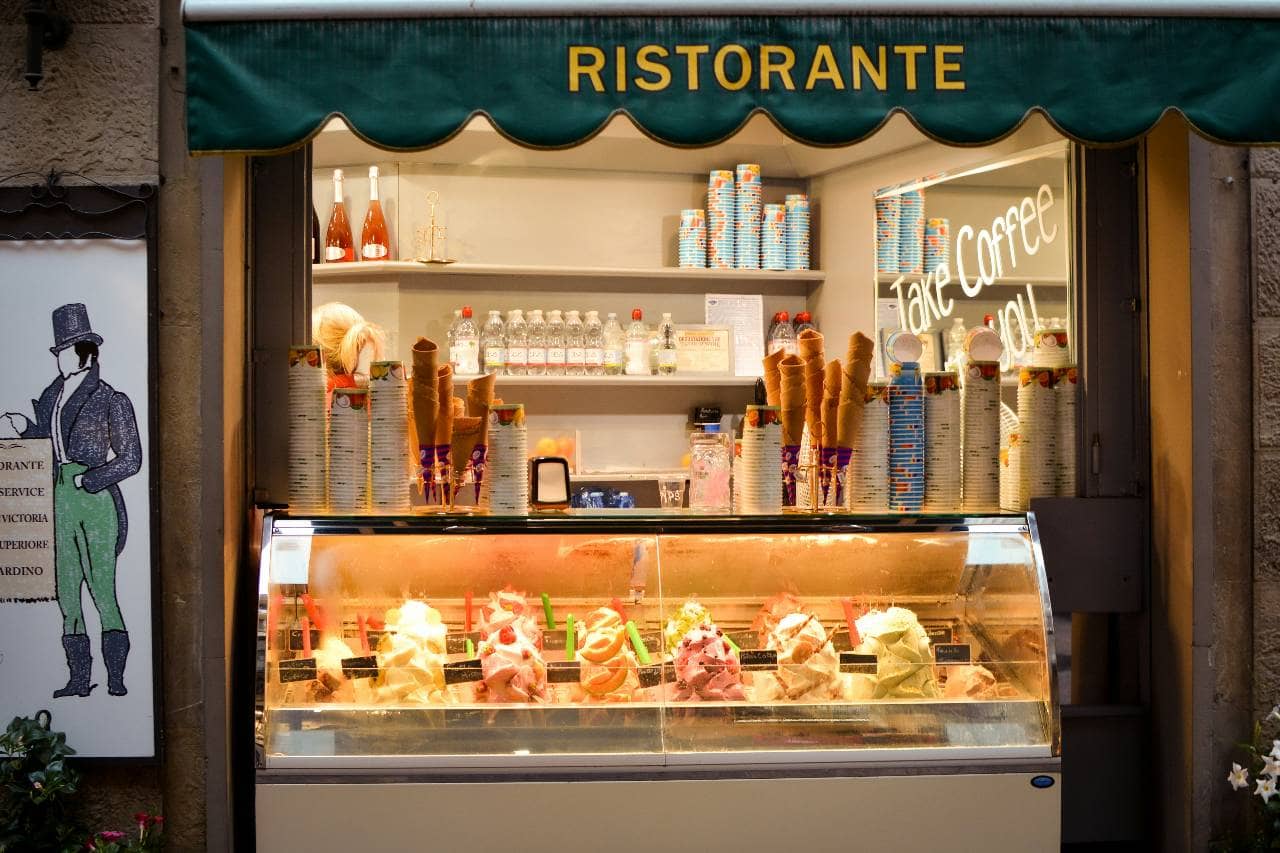
Once you have selected a location, determine how much it will cost to transform the space into a functioning ice cream shop. Renovations and build-out can be one of the largest startup expenses, especially if the property was not previously used as a food-service business. In 2026, restaurant build-outs in existing spaces can range from roughly $125 to $650+ per square foot, depending on the condition of the property, location, infrastructure, and complexity of the project. Counter-service concepts generally fall toward the lower end compared with full-service restaurants. An ice cream shop may require less construction than a traditional restaurant because many concepts do not need a full commercial cooking line, exhaust hood, or extensive kitchen equipment. However, electrical capacity, refrigeration, plumbing, food-preparation areas, and customer-facing improvements can still create substantial expenses. Your build-out budget may include - 1. General renovations. $10,000-$50,000+ Painting, flooring, ceilings, walls, lighting, repairs, and basic improvements needed to prepare the space. 2. Plumbing. $5,000-$20,000+ Installation or modification of handwashing sinks, three-compartment sinks, floor drains, water lines, and other plumbing required for food-service operations. 3. Electrical work. $5,000-$20,000+ Ice cream machines, dipping cabinets, freezers, refrigerators, and other commercial equipment can require dedicated circuits or electrical upgrades. 4. Counters and service areas. $5,000-$25,000+ Budget for serving counters, checkout stations, topping areas, cabinetry, shelving, and customer pickup areas. 5. Flooring and wall finishes. $3,000-$15,000+ Food-service spaces generally need durable, cleanable materials that can withstand spills and frequent cleaning. 6. Interior and exterior signage. $2,000-$10,000+ Costs may include storefront signs, menu boards, window graphics, directional signage, and interior branding. 7. Seating, decor, and customer areas. $5,000-$25,000+ Tables, chairs, benches, lighting, decorations, and other design elements can increase costs if your shop includes a substantial dine-in area. One of the biggest factors is whether you choose a second-generation food-service space or an unfinished commercial shell. A former restaurant, cafe, frozen yogurt shop, or dessert business may already have useful plumbing, electrical systems, sinks, counters, and food-service infrastructure. Reusing existing infrastructure can substantially reduce construction requirements. Industry estimates show that second-generation restaurant spaces generally cost less to convert than locations requiring an entirely new kitchen and utility infrastructure. Before signing a lease, have a contractor inspect the property and prepare a detailed estimate. Pay particular attention to electrical capacity, plumbing, HVAC, accessibility requirements, and local health and building codes. Discovering that the space requires major utility upgrades after signing the lease can quickly add tens of thousands of dollars to your ice cream shop startup costs.
Equipment is another major expense when opening an ice cream shop. Depending on your menu and production model, you may need to budget approximately $20,000 to $80,000 or more for commercial equipment. Shops that manufacture ice cream on-site or offer soft serve may spend significantly more than shops purchasing finished ice cream from suppliers. Your exact equipment list will depend on whether you sell hand-dipped ice cream, soft serve, gelato, milkshakes, sundaes, or a combination of products. Typical equipment expenses may include - 1. Ice cream dipping cabinets. $1,000-$3,500+ each Dipping cabinets keep tubs of ice cream frozen while allowing employees to serve customers efficiently. Current commercial models range from about $1,000 for smaller cabinets to more than $3,000 for larger display units. 2. Soft-serve machines. $5,000-$22,000+ each Soft-serve equipment can become one of your largest equipment purchases. Current commercial machines range from approximately $4,900 for basic countertop models to more than $22,000 for high-output, multi-flavor units. 3. Batch freezers. $5,500-$22,000+ If you plan to manufacture ice cream or gelato in-house, you may need a commercial batch freezer. Current equipment listings show models ranging from roughly $5,500 to more than $22,000. 4. Commercial reach-in freezers. $1,300-$10,000+ Additional freezer capacity may be necessary for storing ice cream, frozen ingredients, and backup inventory. Prices vary considerably based on capacity, brand, and number of doors. 5. Commercial refrigerators. $1,500-$7,000+ Refrigerators may be needed for milk, whipped cream, fruit, sauces, and other perishable ingredients used in shakes, sundaes, and specialty desserts. 6. Commercial blenders. $100-$1,800+ each If milkshakes or blended desserts are part of your menu, budget for one or more commercial-grade blenders. Heavy-duty models designed for high-volume operations generally cost more than basic machines. 7. Sinks and sanitation equipment. $1,000-$5,000+ Depending on local health codes, you may need handwashing sinks, a three-compartment sink, drainboards, shelving, and other sanitation equipment. 8. POS system and payment hardware. $500-$3,000+ Budget for terminals, tablets, card readers, receipt printers, cash drawers, kitchen or customer displays, and other hardware. Remember that software subscriptions and payment-processing fees may create additional ongoing costs. 9. Smallwares and serving equipment. $1,000-$5,000+ Scoops, containers, topping bins, storage containers, scales, utensils, shelving, waffle cone equipment, cleaning tools, and other small items can add up quickly. For example, an ice cream shop selling mostly pre-made hand-dipped ice cream may be able to operate with dipping cabinets, storage freezers, refrigerators, blenders, and basic preparation equipment. A shop producing its own ice cream and offering multiple soft-serve flavors could require tens of thousands of dollars in additional machinery. Before purchasing equipment, build your menu first and determine which machines are actually necessary. Buying equipment that does not support a high-demand menu item can unnecessarily increase your startup investment. Restaurant owners should also budget for delivery, installation, electrical work, plumbing connections, maintenance agreements, and repairs. A $10,000 machine may require additional spending before it is operational. When comparing equipment, consider not only the purchase price but also capacity, energy consumption, warranty coverage, maintenance requirements, and expected daily production volume. Used or refurbished equipment can reduce initial costs, but inspect it carefully before purchasing. Refrigeration and ice cream equipment operates continuously, so an inexpensive machine that frequently breaks down can quickly become more expensive through repairs, product loss, and downtime.
Before opening your ice cream shop, budget for the licenses, permits, registrations, and insurance policies required to operate legally. These expenses are usually smaller than rent, renovations, or equipment, but overlooking them can delay your opening. For planning purposes, an ice cream shop may want to budget approximately $2,000 to $7,000+ for initial licenses, permits, registrations, and insurance premiums. Actual costs depend heavily on your state, county, city, business structure, number of employees, and local health department requirements. The SBA notes that restaurants are commonly regulated at the state and local levels, and licensing requirements and fees vary by location. Common expenses may include - 1. Business registration. $50-$300+ Depending on your business structure and state, you may need to register an LLC, corporation, partnership, or business name. The SBA states that state business registration generally costs less than $300, although fees vary. 2. Business license. $50-$500+ Many cities or counties require a general business license before you can begin operating. 3. Food-service or health permit. $100-$1,000+ Because an ice cream shop prepares and serves food, your local health department may require a food establishment permit and inspection before opening. 4. Building, signage, and occupancy permits. $200-$2,000+ Shops undergoing renovations may need building, electrical, plumbing, signage, fire safety, or certificate-of-occupancy approvals. 5. Food-handler training and certifications. $10-$100+ per employee Requirements vary by jurisdiction, but employees or managers may need approved food-safety training before handling food. 6. General liability insurance. Approximately $500-$1,700+ annually Insurance can help protect your shop against claims involving customer injuries, property damage, and certain product-related risks. Insureon reports average general liability premiums of about $525 per year for food and beverage businesses, while its restaurant customers average about $1,691 annually. 7. Workers' compensation insurance. Approximately $1,200-$1,500+ annually If you hire employees, workers' compensation may be required depending on your state. Insureon reports an average of about $1,272 per year for food and beverage businesses. 8. Business owner's policy. Approximately $1,800-$3,000 annually A BOP commonly combines general liability and commercial property coverage. Insureon's food and beverage customers average about $148 per month, while restaurant customers average approximately $251 per month. Your exact requirements will depend on where your ice cream shop operates. Some licenses and health certifications also require annual or periodic renewal, creating ongoing expenses after opening. The SBA recommends checking state, county, and city requirements because restaurant permits and renewal rules vary by jurisdiction. Before finalizing your startup budget, contact your local health department, building department, business licensing office, and insurance provider. Create a checklist of every approval required and the associated cost. Completing these requirements early can help prevent permit problems from delaying your grand opening.
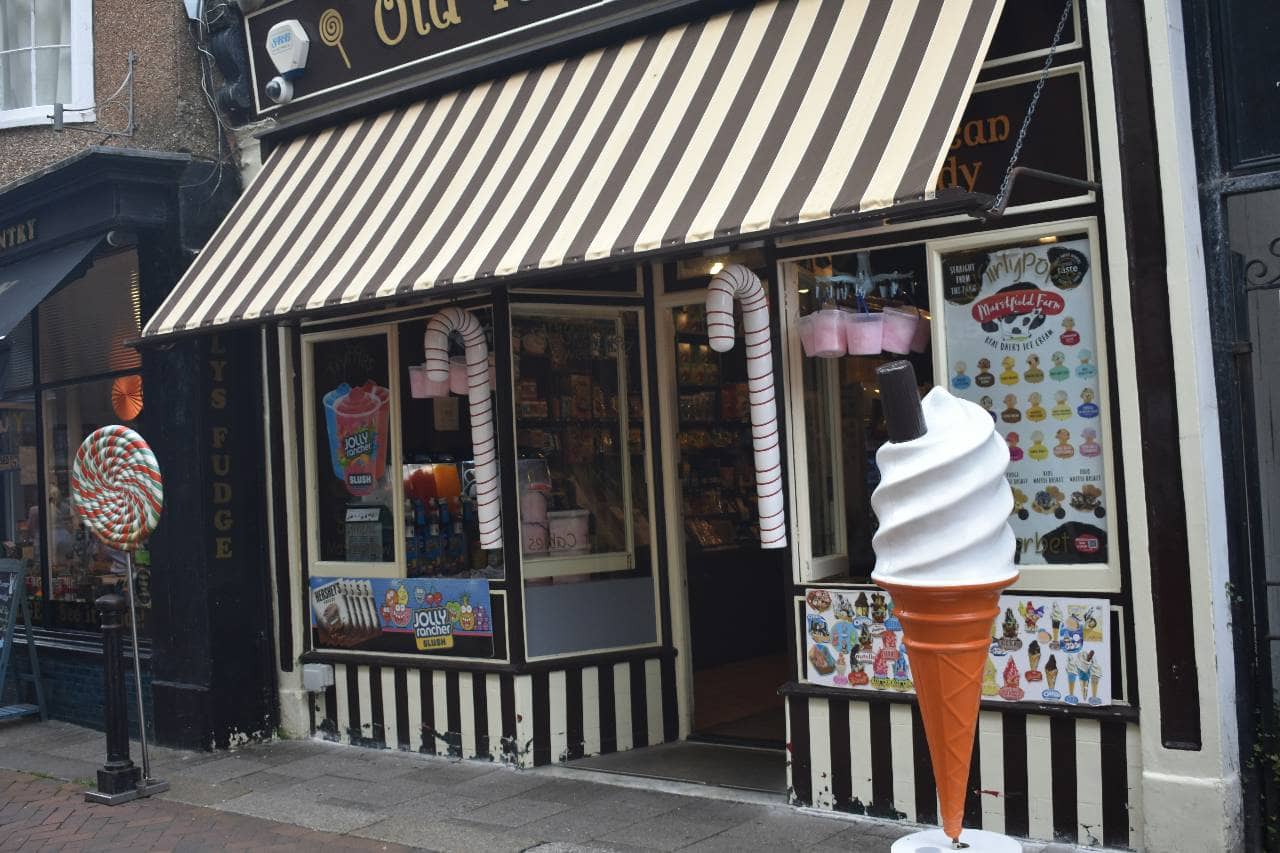
Before opening your ice cream shop, you will need enough inventory and supplies to serve customers from day one without tying up too much cash in excess stock. For a typical small to mid-sized shop, a reasonable starting budget for opening inventory and operating supplies is approximately $3,000 to $8,000+. The exact amount will depend on your menu size, supplier minimums, storage capacity, expected sales volume, and whether you make ice cream in-house or purchase finished products from a distributor. Your opening inventory budget may include - 1. Ice cream and frozen products. $1,000-$3,000+ This may include tubs of ice cream, gelato, sorbet, frozen yogurt, or soft-serve mix. Shops offering many flavors will need more inventory than concepts with a limited menu. 2. Cones, cups, and serving containers. $300-$1,000+ Budget for waffle cones, sugar cones, cake cones, cups in multiple sizes, lids, sundae containers, and takeout packaging. 3. Toppings and mix-ins. $500-$1,500+ Common items include sprinkles, candy, cookies, nuts, fruit, syrups, sauces, whipped cream, and other add-ons. 4. Milkshake and beverage ingredients. $300-$1,000+ If your menu includes shakes, floats, coffee, or specialty drinks, account for milk, flavorings, beverage syrups, cups, straws, and related ingredients. 5. Napkins, spoons, straws, and disposables. $200-$600+ Small disposable items can add up quickly, especially during busy periods. 6. Cleaning and sanitation supplies. $200-$700+ Include sanitizers, detergents, gloves, paper towels, trash bags, cleaning tools, and other food-safety supplies. 7. Packaging and takeout supplies. $200-$800+ If you offer delivery or take-home pints, include containers, bags, labels, seals, and insulated packaging where needed. 8. Backup inventory and safety stock. $300-$1,000+ Keep extra high-demand items on hand so you are less likely to run out during your opening weeks. Avoid overordering just because you are preparing for a grand opening. Ice cream shops can carry a mix of perishable, frozen, and shelf-stable inventory, and purchasing too much may create unnecessary waste or tie up working capital. Instead, build an initial inventory list based on your menu and estimated daily sales. Track how quickly each item sells and adjust reorder quantities after the first few weeks. You should also calculate your food cost percentage as part of your inventory planning. A common restaurant target is to keep food costs around 25% to 35% of sales, although the ideal percentage varies by concept and menu mix. Starting with a controlled amount of inventory gives you more flexibility to respond to actual customer demand. It also makes it easier to identify your best-selling flavors, toppings, and sizes before committing more cash to larger orders.
Labor is another important cost to include when calculating how much it will cost to open an ice cream shop. Before your first customer walks through the door, you may already be paying employees for recruiting, onboarding, training, cleaning, stocking, and opening preparation. For a small to mid-sized ice cream shop, a reasonable planning range for pre-opening labor costs is approximately $3,000 to $15,000+. Your actual cost will depend on local wage rates, number of employees, training hours, management salaries, and how far in advance you begin hiring. Your labor budget may include - 1. Employee recruiting. $200-$1,500+ Job postings, background checks, hiring software, recruiting ads, and other hiring expenses can add to your startup costs. 2. Pre-opening training payroll. $1,500-$6,000+ Employees may need several days of paid training to learn portion sizes, food-safety procedures, POS operations, customer service, cleaning standards, and opening and closing routines. 3. Manager payroll. $1,000-$4,000+ before opening A manager may begin working before hourly employees to help with hiring, scheduling, inventory setup, vendor coordination, and operational preparation. 4. Payroll taxes and employer costs. Add roughly 10%-20%+ to wages Your labor budget should include employer payroll taxes, workers' compensation, unemployment insurance, and any benefits you provide. 5. Uniforms and employee supplies. $50-$200+ per employee Shirts, hats, aprons, name tags, nonslip shoes, and other required items can create additional opening expenses. 6. Opening-week payroll. $2,000-$8,000+ Labor needs may be higher than normal during your grand opening because you may schedule additional employees while the team learns workflows and customer demand becomes easier to predict. For example, suppose you hire eight employees at an average wage of $16 per hour and provide 20 hours of paid training before opening. Training wages alone would equal approximately $2,560, before payroll taxes and other employer costs are added. Once the shop opens, payroll becomes an ongoing operating expense. Ice cream shops may need employees for the register, scooping stations, soft-serve machines, topping areas, cleaning, food preparation, and closing duties. Staffing requirements can also change substantially throughout the year because ice cream sales are often seasonal. Avoid scheduling the same number of employees for every shift. Instead, build schedules around forecasted customer demand, day of the week, weather, school schedules, holidays, and local events. Matching staffing levels to expected sales can help control labor costs without leaving the shop understaffed during busy periods. Include enough working capital in your startup budget to cover at least the first several payroll cycles. Even if sales are slower than expected after opening, employees still need to be paid on schedule. Maintaining a labor reserve can help your ice cream shop operate smoothly while you establish predictable sales patterns.
Marketing and working capital are easy to underestimate when calculating how much it costs to open an ice cream shop. Even after paying for rent, renovations, equipment, inventory, and payroll, you still need money to attract customers and cover operating expenses while sales build. For a small to mid-sized ice cream shop, a reasonable planning range is approximately $2,000 to $10,000+ for initial marketing and $10,000 to $50,000+ for working capital. Your marketing budget may include - 1. Website development. $500-$3,000+ A basic website may include your menu, hours, location, online ordering links, contact information, and brand story. 2. Exterior and promotional signage. $500-$3,000+ Window graphics, sidewalk signs, banners, menu displays, and grand-opening signs can help attract nearby customers. 3. Social media and content creation. $300-$2,000+ Budget for photography, video, graphic design, social media management, or promotional content. 4. Digital advertising. $500-$3,000+ Paid search, social media ads, and local advertising can help create awareness before and after opening. 5. Grand-opening promotions. $500-$2,500+ Discounts, free samples, giveaways, loyalty offers, and community events can help generate initial traffic. Marketing costs do not stop after opening. Set aside an ongoing monthly budget for local promotions, customer retention, digital advertising, loyalty programs, and seasonal campaigns. You should also maintain enough working capital to cover three to six months of operating expenses whenever possible. Working capital can help pay for - - Rent and utilities - Employee payroll - Inventory replenishment - Insurance - Software subscriptions - Equipment repairs - Payment-processing fees - Marketing - Unexpected expenses For example, if your ice cream shop has monthly operating expenses of $15,000, maintaining three months of working capital would require approximately $45,000 in cash reserves. This reserve can be especially important for an ice cream shop because sales may fluctuate with weather, seasonality, school schedules, tourism, and local events. A shop that performs strongly during summer may experience significantly slower traffic during colder months. When calculating your total startup investment, do not stop at the amount required to open the doors. Include enough capital to keep the business operating until sales become more predictable. After combining rent, build-out, equipment, permits, inventory, labor, marketing, and working capital, a typical ice cream shop may require approximately $50,000 to $250,000+ in total startup funding. Smaller concepts can potentially open for less, while shops requiring extensive renovations, premium equipment, or expensive real estate may exceed this range. Creating a detailed budget for every category will give you a much clearer answer to how much it costs to open an ice cream shop and help reduce the risk of running short on cash during the critical first months of operation.