How to Create a Better Guest Dining Experience in Restaurants
Discover practical ways to improve the guest dining experience with friendly service, clean environments, accurate orders, and better restaurant systems.

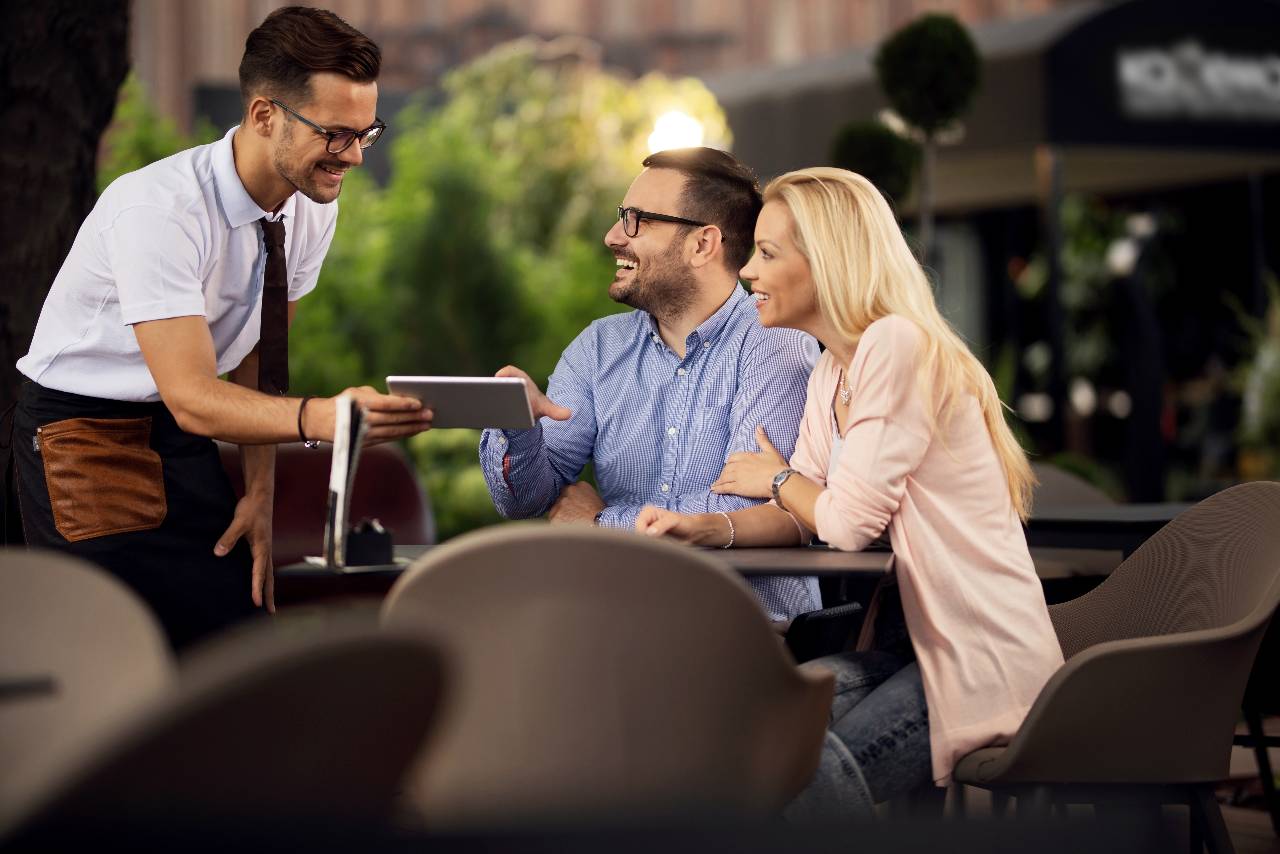
Guest Dining Experience in Simple Terms
The guest dining experience is the full experience a customer has with your restaurant from the moment they decide to visit to the moment they leave. It is not only about whether the food tastes good. Food is a major part of it, but guests usually judge a restaurant based on the complete visit. That includes how they are greeted, how long they wait, how clean the space feels, how easy it is to order, how attentive the staff is, and how smooth the overall service feels.
For restaurant owners, this matters because guests do not separate each part of the visit as much as operators sometimes do. A guest may enjoy the meal itself, but still leave with a negative impression if the host seemed unfriendly, the table was not clean, the food took too long, or the payment process felt frustrating. In the guest's mind, all of these moments come together to form one overall experience.
A strong guest dining experience usually includes a few key elements working together. First, guests want to feel welcomed. A simple greeting, a clean entrance, and an organized seating process can immediately create comfort. Second, they want consistency. Guests expect the same level of service and quality no matter which day they visit or which staff members are working. Third, they want convenience. They want ordering to feel easy, the meal to arrive in a reasonable time, and any issues to be handled without unnecessary stress.
Start With a Strong First Impression
A guest dining experience often begins before a customer ever sits down at a table. In many cases, it starts the moment they see your restaurant from outside. The condition of the exterior, the visibility of your signage, the cleanliness of the entrance, and even the ease of parking all help shape expectations before the meal begins. If the outside of the restaurant feels neglected or confusing, guests may already start the visit with lower confidence.
Once guests enter, the first few moments matter even more. They should feel noticed, welcomed, and guided. A host or team member who makes eye contact, offers a friendly greeting, and clearly explains the next step can immediately set a positive tone. Even in a busy restaurant, guests want to feel that their presence is acknowledged. A delay is sometimes acceptable, but feeling ignored usually is not.
Wait management is also part of the first impression. If there will be a wait, guests should understand how long it may be and what to expect. Clear communication matters. When customers are left guessing, frustration can build quickly. On the other hand, when staff members give realistic timing and remain polite, guests are often more patient and understanding.
The physical entry experience also matters. The front area should feel organized, clean, and easy to navigate. Crowded entryways, cluttered host stands, or unclear waiting areas can make the restaurant feel chaotic. Small details, such as clean windows, tidy floors, and an orderly greeting area, help build trust right away.
For restaurant owners, improving the first impression does not always require major changes. In many cases, it comes down to consistency, cleanliness, and better front-of-house habits. When guests feel welcomed from the start, they are more likely to relax, trust the restaurant, and enjoy the rest of the visit.

Create a Clean and Comfortable Dining Environment
A clean and comfortable dining environment plays a major role in how guests feel during their visit. Even when the food is good and the service is friendly, an uncomfortable or messy space can weaken the overall guest dining experience. Restaurant owners sometimes focus heavily on food and speed, but the physical environment also shapes whether guests feel relaxed, welcome, and confident in the business.
Cleanliness is one of the first things guests notice, even if they do not mention it directly. Tables, menus, floors, windows, restrooms, and waiting areas all send signals about how well the restaurant is managed. A sticky table, dirty restroom, or overflowing trash can make guests question the kitchen and the quality of the operation as a whole. On the other hand, a clean dining room builds trust and helps guests feel more comfortable about the food and service they are receiving.
Comfort matters just as much. Seating should feel practical for the type of visit guests are having. Lighting should make the space feel welcoming without being too harsh or too dark. Music should support the atmosphere without making conversation difficult. Temperature is another detail that can strongly affect comfort. If the room feels too hot or too cold, it can distract from the meal and make the experience less enjoyable.
The layout of the dining space also affects comfort. Guests should be able to move through the restaurant without feeling crowded or rushed. Tables should be arranged in a way that balances capacity with comfort. When a restaurant feels cramped, noisy, or disorganized, guests may feel tension even if the service itself is good.
Train Staff to Deliver Friendly and Consistent Service
Staff service is one of the most visible parts of the guest dining experience. Guests may not see what happens in the kitchen or behind the scenes, but they directly experience how your team speaks, responds, and handles service throughout the visit. Because of this, even strong food quality can be overshadowed if service feels unfriendly, disorganized, or inconsistent.
Friendly service starts with basic hospitality. Guests want to feel welcomed, respected, and taken seriously. That includes a polite greeting, clear communication, a helpful attitude, and attention at the right moments. Staff do not need to sound scripted, but they should know how to create a warm and professional interaction. A simple smile, direct eye contact, and a calm tone can make a noticeable difference in how guests feel.
Consistency is just as important as friendliness. Guests expect the same standard of service no matter when they visit. If one shift is attentive and efficient but another feels careless, the overall guest experience becomes unpredictable. This is why service training should focus not only on attitude, but also on clear expectations. Staff should know how to greet tables, explain menu items, take accurate orders, check back appropriately, and handle concerns without making guests feel ignored.
Good training also helps staff manage difficult moments more effectively. Busy periods, special requests, delayed orders, and guest complaints are all part of restaurant operations. When employees are trained to respond calmly and professionally, service feels more stable even when problems happen. Without that training, small issues can quickly turn into negative experiences.
For restaurant owners, improving service often means creating simple, repeatable standards and reinforcing them regularly. Pre-shift meetings, coaching, and observation can help teams stay aligned.
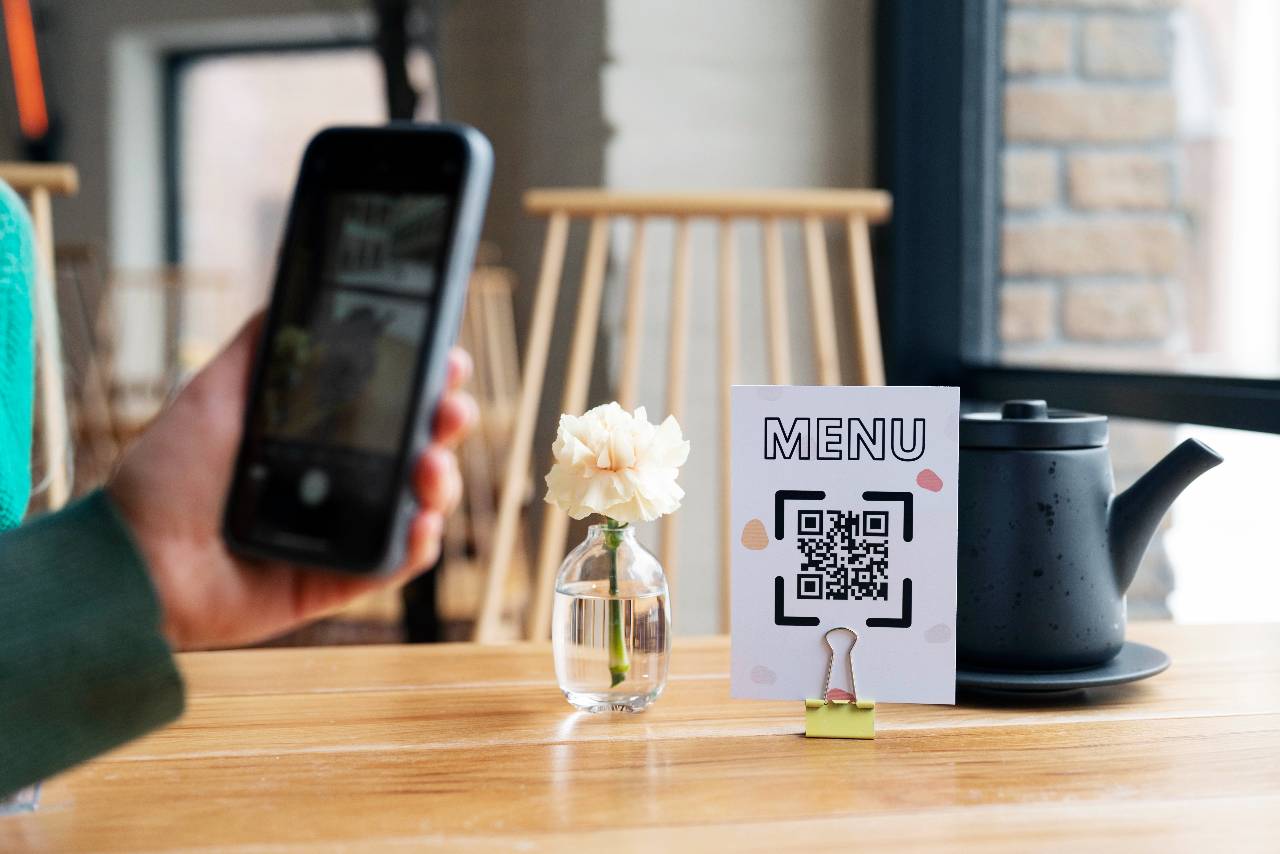
Make the Menu Easy to Read and Easy to Order From
The menu is one of the most important tools in the guest dining experience. It does more than list food and prices. It helps guests understand what your restaurant offers, how to choose, and what kind of experience they can expect. When a menu is clear and easy to use, guests feel more confident placing an order. When it is confusing, cluttered, or hard to read, it can create frustration before the meal even starts.
A strong menu should be easy to scan. Guests should be able to quickly understand the sections, find the items they want, and compare options without too much effort. Clear headings, readable font sizes, and clean spacing all make a difference. If the layout feels crowded or disorganized, guests may feel overwhelmed, especially during busy periods when they already feel pressure to decide quickly.
Descriptions is also important. Menu items should be explained clearly enough that guests know what they are ordering. This is especially important for dishes with unique ingredients, house specialties, or unfamiliar names. Guests should not have to guess what comes with a meal or whether an item fits their preferences. Clear descriptions reduce confusion, support order accuracy, and help staff spend less time answering avoidable questions.
Pricing should also be easy to understand. Hidden add-ons, unclear modifiers, or inconsistent formatting can create tension. A simple and transparent menu makes guests feel more comfortable and helps avoid surprises when the bill arrives.
In addition, the menu should support easy ordering. That means organizing items in a logical way and making sure staff understand the menu well enough to guide guests when needed. Servers should be able to answer questions, explain popular items, and make suggestions without creating pressure.
For restaurant owners, improving the menu is often a practical way to improve the guest dining experience. A menu that is easy to read and easy to order from helps the entire meal feel smoother. It supports better decisions, faster service, and a more relaxed guest experience from the start.
Improve Speed, Timing, and Order Accuracy
Speed, timing, and order accuracy have a direct impact on the guest dining experience. Guests may be willing to wait a reasonable amount of time for quality food, but they still expect the visit to move smoothly. Long delays, uneven pacing, or incorrect orders can quickly turn a positive visit into a frustrating one. In many restaurants, these issues are not caused by one major failure. They usually come from small breakdowns in communication, workflow, or coordination.
Timing starts at every stage of the visit. Guests notice how long it takes to be greeted, seated, given menus, have their order taken, receive drinks, get their food, and pay the bill. Even when each delay seems minor on its own, the full experience can feel slow if too many small waits add up. Good timing helps the meal feel organized and comfortable rather than rushed or neglected.
Order accuracy is just as important. Guests expect to receive what they ordered, prepared the way they requested it. Mistakes with modifiers, missing items, wrong sides, or incorrect temperatures can damage trust and interrupt the experience. In some cases, a single error can affect the entire table, especially if one guest is left waiting while others begin eating.
Improving speed and accuracy usually requires better coordination between front-of-house and back-of-house teams. Servers need to enter orders clearly. Kitchen staff need organized ticket flow. Expeditors and runners need to confirm that orders are complete before food leaves the kitchen. Payment should also be handled efficiently so the end of the visit feels smooth.
The Role of Technology in Improving the Guest Dining Experience
Technology can improve the guest dining experience when it helps service run more smoothly, accurately, and consistently. It should not replace human hospitality, but it can support staff in ways that reduce delays, confusion, and service mistakes. When restaurant owners choose the right tools, technology can make the dining experience feel easier for both guests and employees.
Here are some of the main types of technology that can help improve the guest dining experience -
1. Point-of-Sale (POS) Systems. A modern POS system helps staff enter orders clearly and process transactions more efficiently. It reduces the risk of miscommunication, keeps orders organized, and helps the restaurant move guests through each stage of service with fewer mistakes. A strong POS system also supports better coordination between the front and back of house.
2. Handheld Ordering Devices. Handheld devices allow servers to take orders at the table and send them directly to the kitchen. This can reduce the time between ordering and preparation while also lowering the chance of errors caused by handwritten notes or delayed entry. For guests, this often creates a faster and more accurate ordering experience.
3. Kitchen Display Systems (KDS). Kitchen display systems help back-of-house teams manage incoming orders more clearly. Instead of relying only on printed tickets, staff can view and organize orders digitally. This improves communication, supports better timing, and helps reduce missed or incorrect items during busy service periods.
4. Reservation and Waitlist Tools. Reservation platforms and digital waitlist systems help restaurants manage guest flow more effectively. These tools can improve the arrival experience by making wait times more predictable and seating more organized. When guests know what to expect, they are often more patient and less frustrated.
5. Table Management Systems. Table management tools help hosts and managers track available tables, guest flow, and seating patterns. This supports faster turns, better organization, and a smoother front-of-house experience. It can also help restaurants avoid crowding and long delays at the entrance.
6. Digital Payment Tools. Digital payment systems can speed up checkout and make the final stage of the meal feel more convenient. Whether guests pay at the table, through a handheld device, or with contactless options, a smoother payment process reduces waiting and helps end the visit on a positive note.
7. Guest Feedback and Reporting Tools. Feedback platforms and reporting systems help restaurant owners see where the guest experience may be breaking down. They can highlight patterns such as long ticket times, repeated complaints, or frequent order errors. This gives managers useful information they can act on to improve service over time.
Technology works best when it supports the guest experience without making it feel impersonal. Guests still want friendly service, clear communication, and real hospitality. The best restaurant technology helps staff deliver those things more consistently. When used the right way, it can make the guest dining experience faster, easier, and more reliable from start to finish.