
.png&w=3840&q=70)










Impact of Layoffs on Leading Companies Amidst Economic Challenges
The repercussions of major layoffs at prominent firms in the face of economic adversities and industry disruptions.


The Unfolding Picture of Job Cuts in Top Enterprises
The restaurant industry continues to grapple with challenges as sluggish traffic and high borrowing costs persist, leading to major layoffs in prominent brands. Starbucks, a key player in the industry, announced significant layoffs affecting 6.9% of its non-retail workforce. This move came as part of a broader restructuring initiative to streamline operations and reduce redundant roles. The tech sector has not been immune to layoffs either, with Grubhub letting go of 500 corporate workers to enhance its strategic focus and maximize growth potential.
Insights into Layoffs at Bloomin' Brands and Dine
Bloomin' Brands, the parent company of Outback Steakhouse, laid off around 100 corporate employees in response to the refranchising of its Brazilian stores. The restructuring aimed to align the company's workforce size with its operations' scope, emphasizing cost efficiency and quicker decision-making processes. Similarly, Dine, the parent company of IHOP and Applebee's, downsized its corporate workforce by 9% to adapt to market conditions while embarking on a strategic brand remodel initiative.
Efficiency Measures at Denny’s and Topgolf Callaway
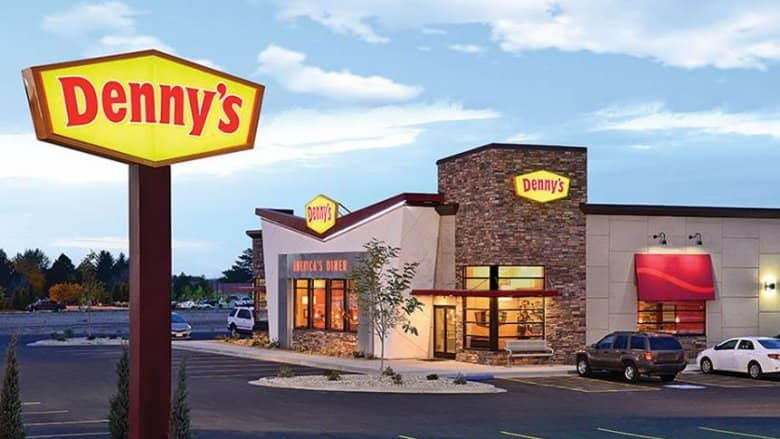
Denny's and Topgolf Callaway have also implemented efficiency measures through layoffs and organizational restructuring. Denny’s reduced its corporate support center headcount to achieve cost savings and expedited the closure of underperforming stores. On the other hand, Topgolf Callaway has been streamlining its home office structure to enhance support for its venues and improve overall agility, aligning with its upcoming spin-off plans from the parent company.
Navigating Economic Uncertainty and Market Challenges
The recent wave of layoffs at prominent companies underscores the broader economic challenges faced by various industries. With evolving market dynamics and uncertainties such as impending tariff impacts, businesses are compelled to assess their operational efficiency and adapt to changing consumer behaviors. While layoffs are often seen as measures to optimize resources and realign strategies, the human cost and organizational impact cannot be overlooked, necessitating a balance between short-term financial gains and long-term sustainability.