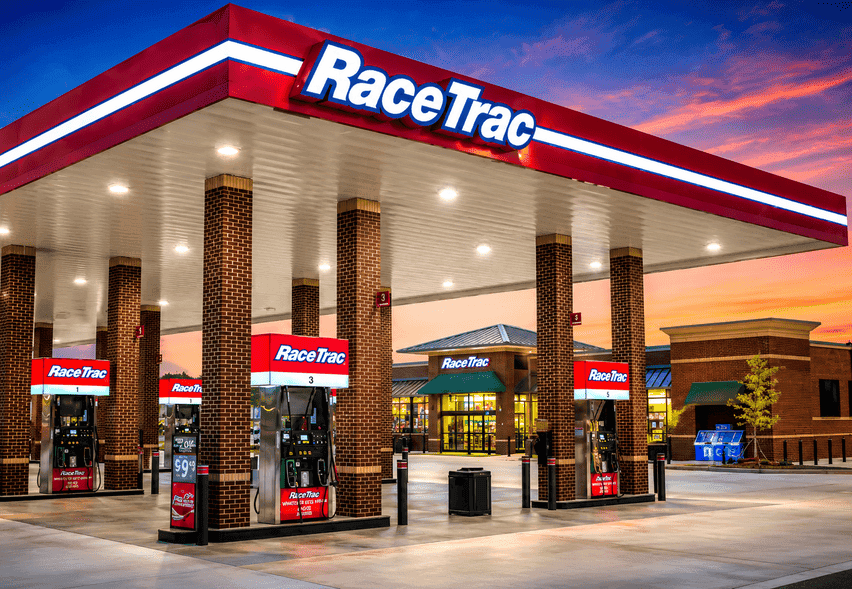
RaceTrac Names Jill Pemberton as New CFO
RaceTrac has appointed Jill Pemberton as chief financial officer, succeeding Karla Ahlert, who moves into the newly created role of chief administrative officer.
News
Aug 26, 2026
RaceTrac has appointed Jill Pemberton as chief financial officer, succeeding Karla Ahlert, who moves into the newly created role of chief administrative officer.
Aug 26, 2026

Learn practical ways to reduce labour costs through smarter scheduling, forecasting, productivity, cross-training, automation, overtime control, and performance monitoring strategies.
Aug 26, 2026

A restaurant P&L statement reveals sales, expenses, and profits, helping owners manage costs, improve margins, and plan finances more effectively.
Aug 26, 2026

Levain Bakery appoints Lorna Sommerville and Taya Stenson as co-CEOs, blending operational and marketing expertise to power national expansion and innovation while staying rooted in its brand values.
Aug 25, 2026
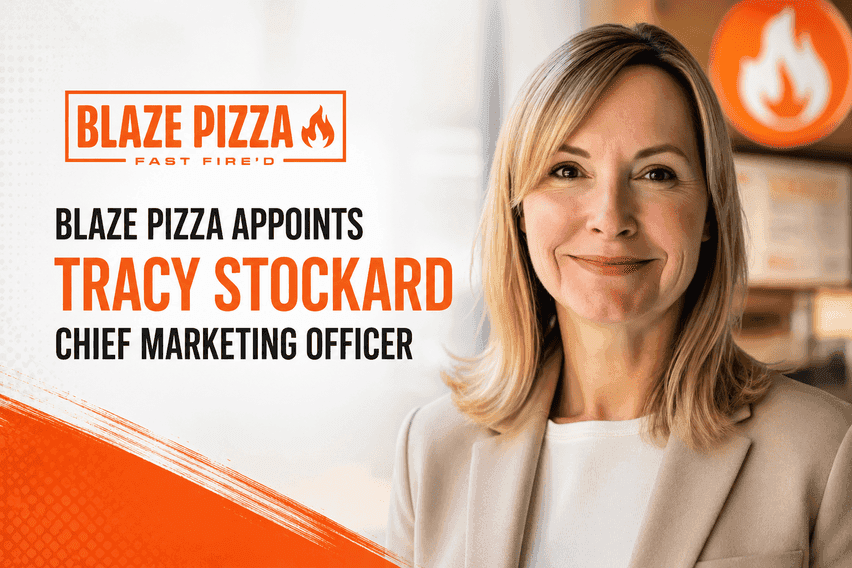
Blaze Pizza welcomes Tracy Stockard as Chief Marketing Officer, bringing decades of brand and franchise experience to drive strategic growth and guest engagement.
Aug 25, 2026
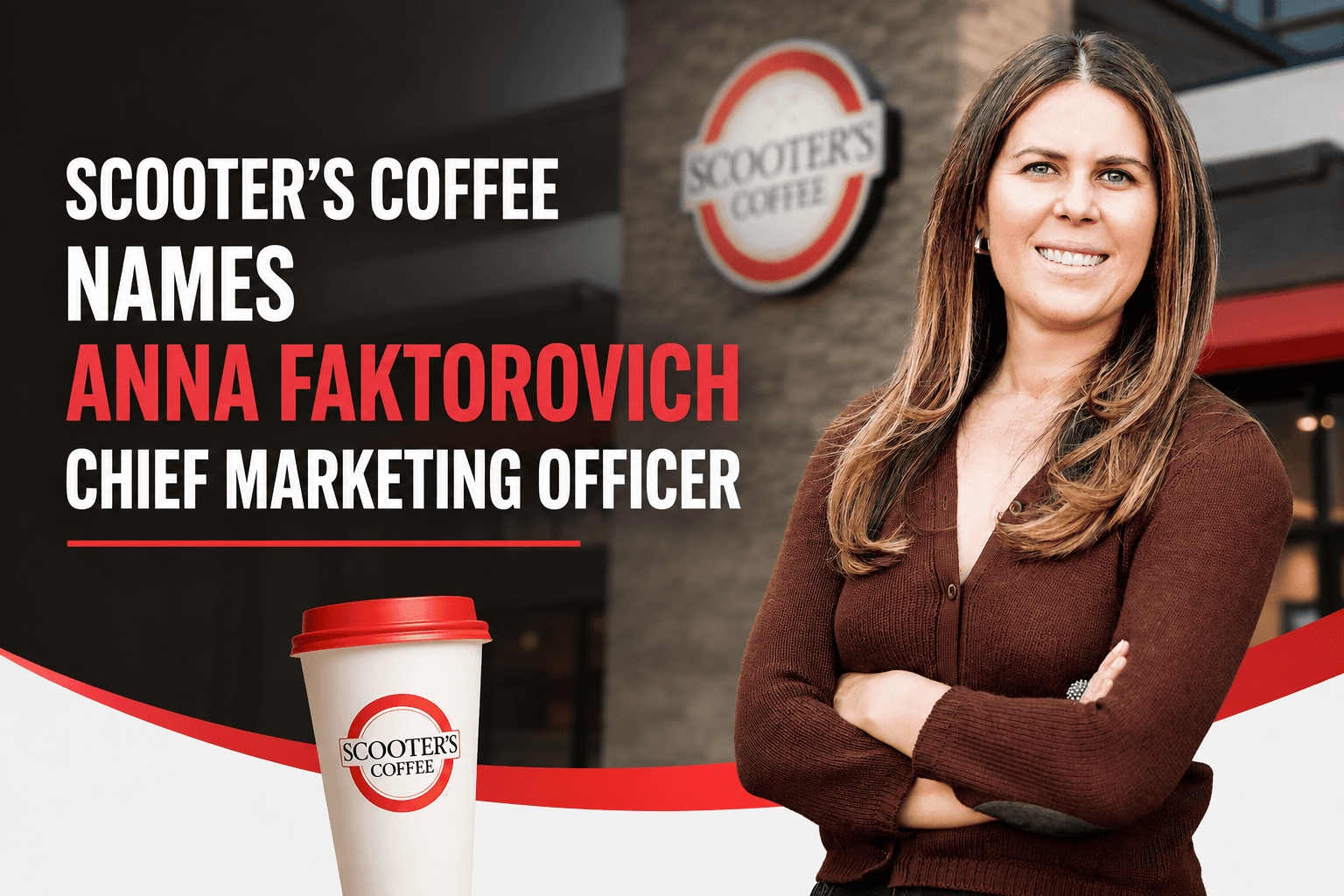
Anna Faktorovich, a seasoned marketing executive, has been named Chief Marketing Officer at Scooter’s Coffee, bringing decades of multi-brand experience to fuel the franchise’s next growth stage.
Aug 25, 2026

A payroll advance policy helps restaurant owners define eligibility, limits, repayment, documentation, approval procedures, and compliance requirements for employee advances.
Aug 24, 2026

Create a practical restaurant marketing plan by setting goals, targeting customers, choosing channels, budgeting wisely, scheduling campaigns, and measuring results.
Aug 24, 2026
Wendy’s announces Tariq Hassan as Chief Marketing and Customer Growth Officer, charting a new course for brand and digital innovation. What restaurant owners can learn.
Aug 24, 2026
Dave & Buster's refreshes its executive lineup with seasoned leaders in operations, marketing, tech, and finance - signaling a growth-driven future for restaurant operators to watch.
Aug 24, 2026

Unlock Exclusive Access To Webinars, Events, And The Latest News For Free!
This article explains how to evaluate a restaurant franchise by reviewing costs, control, risk, margins, and long-term ownership fit.

Buying a restaurant franchise is often described as "owning your own business with support." That is partially true - but it leaves out the operational reality. In practice, you are entering into a structured system where key parts of your business are predefined. At a basic level, a franchise agreement gives you the right to operate under a brand. But what you are actually agreeing to is much broader. It defines how your restaurant will function across daily operations, financial obligations, and long-term decision-making. Here is what that typically includes - 1. Franchise Fees and Ongoing Royalties - You pay an upfront franchise fee to enter the system. After that, ongoing royalties are usually tied to a percentage of sales - not profit. This means your payments continue regardless of your store's profitability. 2. Marketing Contributions - Most franchise systems require contributions to national or regional marketing funds. While this supports brand visibility, it also reduces your control over how marketing dollars are spent locally. 3. Operational Standards and Procedures - Every aspect of the operation is defined - menu items, food preparation, service flow, store layout, and even customer interaction standards. These systems are designed for consistency across locations. 4. Approved Vendors and Supply Chain - You are often required to purchase from approved suppliers. This ensures consistency in product quality, but may limit your ability to negotiate costs or source locally. 5. Technology Requirements - Many franchises mandate specific POS systems, reporting tools, and integrations. This directly affects how you manage labor, inventory, sales tracking, and performance analytics. 6. Training and Ongoing Support - Initial training programs are usually provided, along with operational guidance. However, support does not replace execution. You are still responsible for running the business day-to-day. 7. Compliance and Brand Oversight - Franchise operators must meet brand standards consistently. This includes audits, performance reviews, and adherence to operational guidelines. Non-compliance can lead to penalties or additional oversight. The key takeaway is this - A franchise provides structure, but it also reduces flexibility. For some owners, that structure is valuable. It removes uncertainty and creates a clear operating model. For others, it can feel restrictive - especially when local conditions require faster or more customized decisions.
One of the biggest mistakes owners make when evaluating a restaurant franchise is focusing too heavily on the franchise fee. That number may look like the main cost of entry, but in reality, it is only one part of a much larger financial commitment. To determine whether buying a restaurant franchise is worth it, you need to look at the full investment required to open, operate, and sustain the business - not just the cost to join the brand. Here is what owners are typically paying for - 1. Initial Franchise Fee - This is the upfront payment for the right to use the brand, systems, and operating model. It gives you access, but it does not cover the full setup cost of the business. 2. Build-Out and Equipment - Real estate improvements, kitchen equipment, furniture, signage, and required design standards can represent a major share of the total investment. Franchise locations often have strict layout and branding requirements, which can increase startup costs. 3. Opening Inventory and Supplies - Before launch, you need to fund food, packaging, smallwares, uniforms, and other operating essentials. These early purchases add up quickly and are often underestimated. 4. Technology and Software - Required POS systems, back-office tools, payroll platforms, and reporting systems may come with setup fees, licenses, subscriptions, and support costs. These are recurring operational expenses, not one-time purchases. 5. Labor and Training Costs - Hiring and training a team before opening creates labor expense before revenue begins. Even with franchise training support, the payroll cost is still yours. 6. Royalties and Marketing Fees - Ongoing royalties and brand marketing contributions usually come off the top line as a percentage of revenue. This matters because these expenses continue even when margins are tight. 7. Working Capital - This is one of the most important and most overlooked costs. New units often take time to stabilize. Owners need enough cash to cover payroll, rent, utilities, food purchases, and unexpected issues during the early months. That is why the real question is not, "Can I afford the franchise fee?" It is, "Can this business model support all of its required costs and still leave enough margin to justify the investment?" A franchise may reduce some uncertainty, but it also adds recurring financial obligations that independent restaurants may not carry in the same way. If sales are strong, the model can work well. If sales are weaker than expected, those fixed obligations can create pressure quickly. This is why smart owners evaluate total cost, breakeven timing, and ongoing margin impact before making a decision. A restaurant franchise is not only a brand investment. It is a cash flow decision.
One reason many owners consider a restaurant franchise is risk reduction. Compared with building an independent concept from scratch, franchising can provide a more structured starting point. That structure does not remove risk, but it can reduce uncertainty in several important areas. First, a franchise often comes with brand recognition. That matters because customer awareness can shorten the time it takes to generate initial traffic. Owners do not have to build the concept, positioning, and identity from zero. Second, franchises typically provide standardized operating systems. This includes recipes, service procedures, training guides, labor models, and store processes. For owners, that can reduce trial and error and make daily execution more predictable. Third, there is usually a more established supply chain and vendor network. Instead of sourcing every product and negotiating every relationship independently, franchisees often work within an approved purchasing structure. That can improve consistency and simplify procurement. Fourth, many franchise systems offer training and launch support. This can help owners prepare managers, train teams, and open with clearer expectations. For operators who want more guidance, this structure can be a major advantage. Fifth, franchises often provide menu discipline and product consistency. Independent operators sometimes create too much complexity too early. A franchise model usually limits that by defining what is sold, how it is prepared, and how it is presented. From an ownership perspective, these advantages reduce risk in practical ways - 1. Less guesswork in setup 2. More consistency in operations 3. Clearer standards for execution 4. Faster access to established systems 5. More support during launch and ramp-up However, this point is important - - A franchise reduces decision-making risk, not performance risk. You still need the right location, enough capital, strong staffing, disciplined cost control, and consistent execution. The system may be proven, but your unit still has to perform within your specific market. That is why franchising should be viewed as a structured model, not a guaranteed outcome. It can lower uncertainty, but it does not replace operational discipline.
The same structure that makes a restaurant franchise appealing can also create limitations. For some owners, this is the biggest tradeoff. A franchise can reduce uncertainty, but it also reduces freedom. That matters because restaurant operations are rarely static. Markets change, labor costs rise, guest preferences shift, and local competition evolves. In an independent model, owners can respond quickly. In a franchise model, that flexibility is often restricted. Here are the main areas where flexibility is limited - 1. Menu Changes - Franchisees usually cannot add, remove, or modify menu items without approval. Even if a local item would sell well in your market, you may not be allowed to offer it. 2. Pricing Control - Some franchises provide pricing guidance or set pricing boundaries. That can make it harder to respond to local food costs, wage pressure, or market conditions with full independence. 3. Promotions and Marketing - Local owners may have limited control over campaigns, discounts, seasonal promotions, or messaging. This can be frustrating when a store needs a more specific local response. 4. Vendor and Purchasing Decisions - Approved supplier programs support consistency, but they can also reduce your ability to negotiate lower costs, buy locally, or switch vendors when prices rise. 5. Technology Choices - Many franchise systems require specific software, POS tools, or reporting platforms. Even if another system works better for your operation, you may not have the freedom to adopt it. 6. Store Design and Operating Standards - Layout, signage, branding, equipment standards, and customer experience expectations are often defined by the brand. This limits how much you can tailor the business to your preferences. These limits are not necessarily flaws. In many franchise systems, they exist to protect consistency across locations. The problem comes when owners underestimate how restrictive that structure can feel over time. This is especially important for owners who value experimentation, local adaptation, or independent decision-making. If your instinct is to move quickly, test new ideas, or customize the business around your market, a franchise model may feel more constraining than supportive. That is why the question is not just whether a franchise reduces risk. It is also whether you are comfortable operating inside a fixed framework. For the right owner, that tradeoff is worth it. For the wrong owner, it becomes a constant source of friction.
A restaurant franchise should never be evaluated on brand reputation alone. The real decision comes down to numbers. If the unit economics do not work, brand recognition will not fix weak margins, slow payback, or ongoing cash flow pressure. Before investing, owners should review the financial and operational data that will determine whether the business can realistically perform in their market. Here are the key numbers that matter most - 1. Total Initial Investment - Review the full startup cost, not just the franchise fee. This includes build-out, equipment, inventory, technology, training, pre-opening labor, permits, and working capital. 2. Expected Sales Volume - Projected revenue should be tested carefully. Owners need to ask whether expected traffic, average check size, and local demand are realistic for the trade areanot just attractive on paper. 3. Food Cost Percentage - A franchise may offer purchasing structure, but food cost still needs to be sustainable. Owners should understand whether required products and supplier pricing leave enough room for healthy margins. 4. Labor Cost Percentage - Labor is one of the largest ongoing expenses. Review staffing needs, wage rates, management coverage, scheduling expectations, and whether the model supports labor efficiency at different sales levels. 5. Occupancy Cost - Rent, common area charges, utilities, and location-related expenses must be measured against projected sales. A strong brand cannot overcome a location with an unhealthy occupancy burden. 6. Royalty and Marketing Burden - Royalty fees and advertising contributions directly reduce operating margin. Since these are often based on gross sales, owners need to understand how much revenue is committed before profit is even calculated. 7. Break-Even Timeline - Owners should know how long it may take to reach stable operating performance. A slower-than-expected ramp can put pressure on working capital very quickly. 8. Cash Reserve Requirements - It is not enough to fund the opening. Owners need a realistic reserve for slower sales, hiring gaps, equipment issues, and normal early-stage instability. 9. Average Unit Economics - Review average sales, cost structure, and margin performance across comparable locations where possible. The goal is to understand what a typical unit can support, not just the top performers. 10. Local Market Demand - The numbers must make sense for your actual market. Population, traffic patterns, competition, wage environment, and consumer spending habits all affect whether the projected model is realistic. The main point is simple - - A restaurant franchise is only worth it if the economics work after all required costs are included. Owners should not ask, "Is this a popular brand?" They should ask, "Can this location generate enough revenue to support labor, food, occupancy, royalties, and still produce an acceptable return?" That is the number-driven question that determines whether the investment makes sense.

Not every good franchise opportunity is the right fit for every owner. This is one of the most overlooked parts of the decision. A restaurant franchise may look strong financially, but it can still be a poor match if the ownership style does not align with the model. Franchise ownership works best when the operator is comfortable running within structure. That means following systems, meeting standards, and executing consistently rather than building everything from scratch. To evaluate fit, owners should look at a few practical questions - 1. Are You Comfortable Following a Defined System? Franchise models are built on consistency. If you prefer creating your own menu, changing service models, or making fast local adjustments without approval, the structure may feel restrictive. 2. Do You Value Process Over Personal Preference? In a franchise, the goal is not to run the restaurant your way. The goal is to run it the brand's way, with discipline. Owners who succeed in franchises usually respect process and repeatability. 3. Can You Operate with Ongoing Oversight? Franchise ownership often includes audits, reporting expectations, operational reviews, and brand accountability. Some owners appreciate that support. Others view it as interference. 4. Are You Strong in Execution? A franchise can provide the system, but it cannot provide daily discipline. Hiring, scheduling, cost control, cleanliness, service standards, and manager accountability still depend on the owner and leadership team. 5. Do You Want Independence or Structure? This is one of the most important questions. Owners who want creative freedom often do better in independent concepts. Owners who want a playbook and operational framework may find a franchise more practical. 6. Are You Thinking Long Term and Possibly Multi-Unit? Franchise systems often appeal to owners who want standardized growth. If your goal is to scale across multiple units, a franchise model may offer more repeatability than building separate independent operations. The bigger point is this - - A restaurant franchise is not just a financial investment. It is a management fit. Some owners thrive in environments with clear systems, defined rules, and strong operational guardrails. Others perform better when they have full authority to adapt, experiment, and make independent decisions. Buying a restaurant franchise is more likely to be worth it when the business model fits the way you naturally operate. If the structure supports your strengths, it can create clarity and efficiency. If it conflicts with your instincts, it can create frustration even when the numbers look good.
The answer is yes - but only under the right conditions. Buying a restaurant franchise can be worth it when the brand is stable, the unit economics are realistic, the market demand is strong, and the owner is comfortable operating within a structured system. In that situation, a franchise can provide a clearer operating model, lower setup uncertainty, and a more standardized path to execution. But the value of a franchise does not come from the brand name alone. It comes from whether the business can produce enough margin after all required costs are accounted for. Franchise fees, royalties, marketing contributions, labor, food costs, occupancy, and technology expenses all affect the return. If those numbers are not sustainable, the brand will not make the investment worthwhile. This is why the better question is not simply, "Is buying a restaurant franchise worth it?" It is, "Is this franchise worth it for this owner, in this market, at this cost structure?" That is the real evaluation. For some owners, a franchise is a strong fit because it offers structure, operational systems, training, and consistency. For others, the loss of flexibility, recurring fees, and brand restrictions may outweigh the benefits. In practical terms, buying a restaurant franchise is worth it when - 1. The total investment matches realistic revenue potential 2. The ongoing fee structure still leaves room for healthy margins 3. The local market can support the concept 4. The owner is prepared to operate within defined systems 5. There is enough capital to handle ramp-up and early pressure If those conditions are in place, a franchise can be a smart and disciplined way to enter or expand in the restaurant industry. If they are not, the investment can become expensive, restrictive, and harder to recover from than many owners expect.
