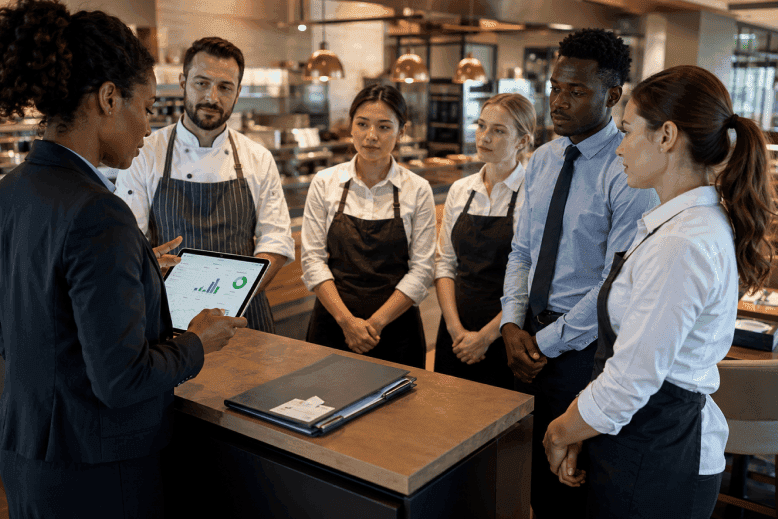
Summer 2026 Restaurant Labor Law Updates
Stay compliant with key restaurant labor regulations in Summer 2026, including minimum wage increases, scheduling laws, and retirement requirements.
business management
Jul 24, 2026
Stay compliant with key restaurant labor regulations in Summer 2026, including minimum wage increases, scheduling laws, and retirement requirements.
Jul 24, 2026
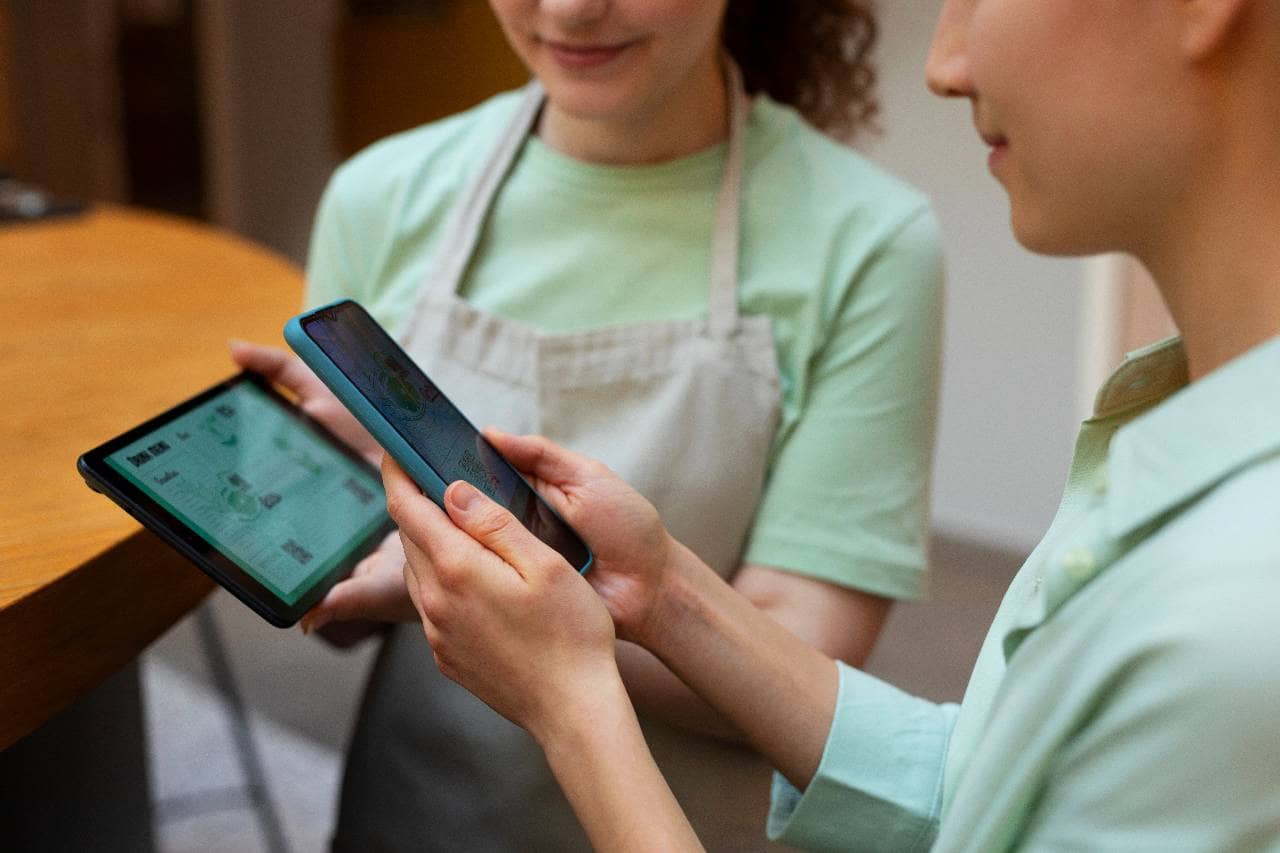
Discover how restaurant apps help owners manage labor, payroll, inventory, food safety, reporting, and back-office operations more efficiently every day.
Jul 24, 2026
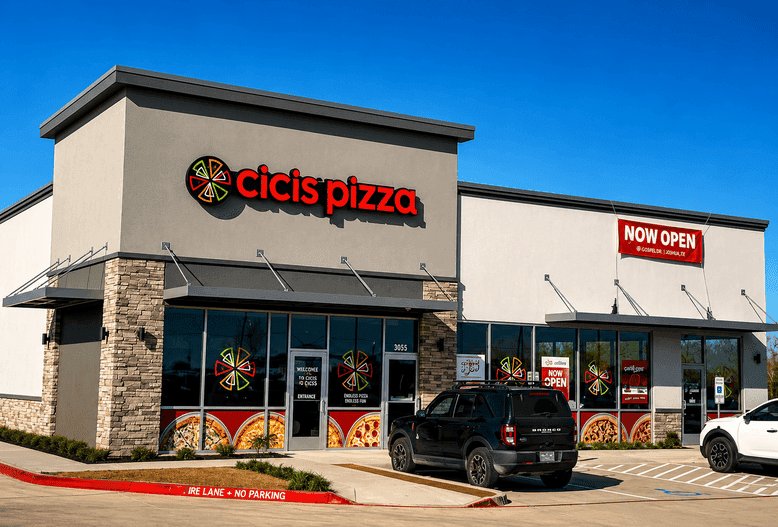
Cicis Pizza’s systemwide sales have surged over 50%, fueled by digital innovation, modern operations, and a revamped franchise strategy. Learn what restaurant owners can take away from Cicis’ transformation.
Jul 24, 2026
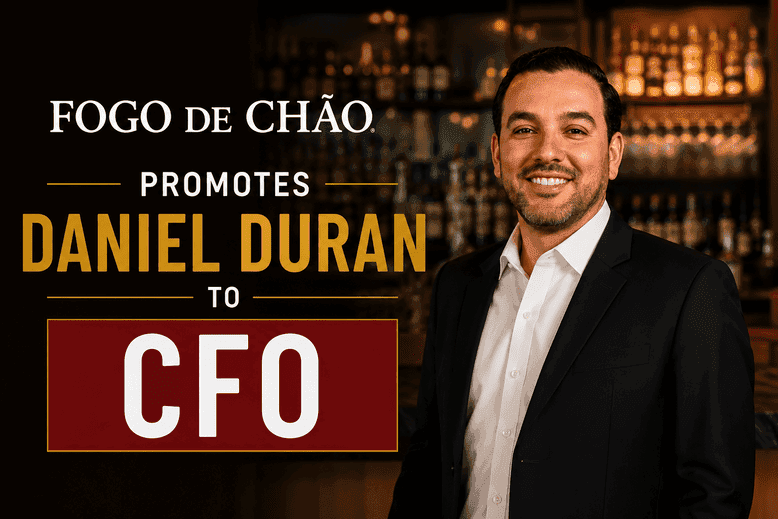
Fogo de Chão has announced Daniel Duran as its new CFO, marking a strategic leadership transition designed to enhance global growth and financial innovation for the renowned restaurant brand.
Jul 24, 2026

Learn how to calculate, benchmark, track, and improve restaurant payroll percentage while balancing staffing costs, sales, service, and profitability effectively.
Jul 24, 2026
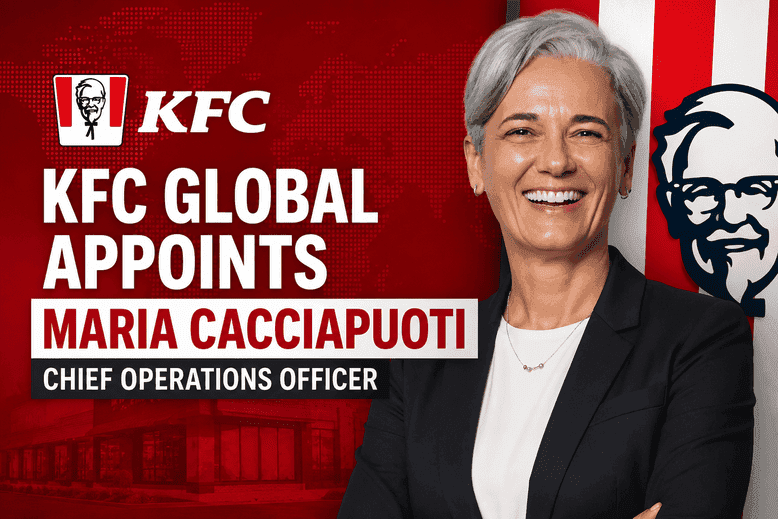
KFC Global has selected experienced leader Maria Cacciapuoti as its new Chief Operations Officer. Discover how her extensive expertise will help shape KFC’s global operations and franchise partnerships.
Jul 23, 2026
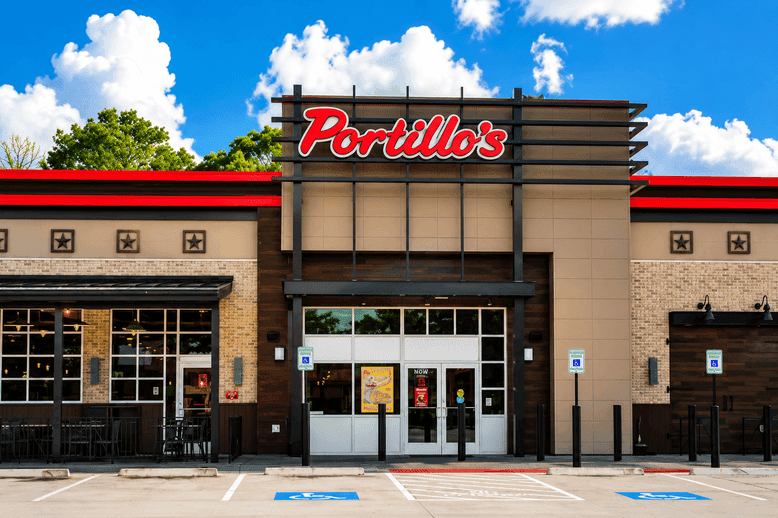
Portillo’s welcomes industry veteran Christopher Hansen as Executive Chef and Senior Director of Culinary Innovation to steer menu strategy and fuel national growth.
Jul 23, 2026
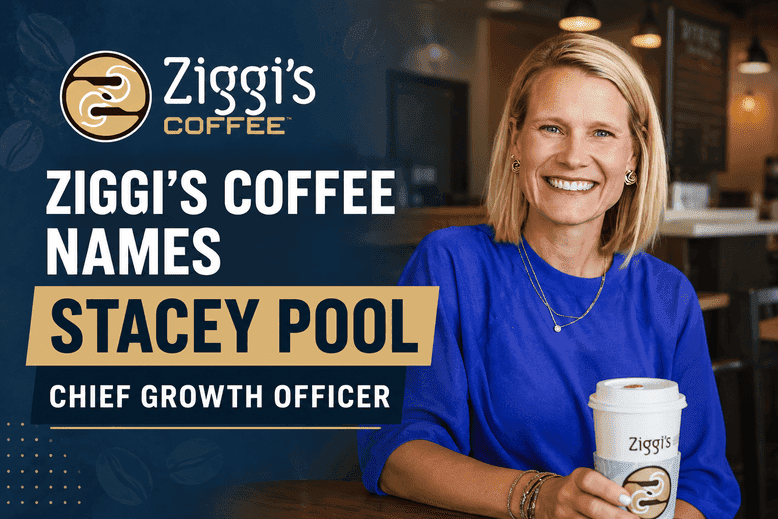
Ziggi’s Coffee welcomes Stacey Pool as Chief Growth Officer to spearhead national expansion and enhance franchise profitability as the brand celebrates a decade of franchising success.
Jul 23, 2026

Cinnabon grows 30% in U.S. units, adding 308 net stores as flexible formats expand into travel centers and convenience; 95 more openings forecast and 359 in pipeline.
Jul 22, 2026

QDOBA targets 2,000 restaurants in 10 years, powered by franchising and recent securitizations, aiming for $5B sales, $2.7M AUV, and 28% margins.
Jul 22, 2026
A warm look at Jack in the Box's digital overhaul, app redesign, and market expansion as it pursues growth amid earnings pressure.

Photo by Zeki Okur
Jack in the Box is choosing a patient, tech-led turnaround rather than a flashy upgrade. The centerpiece is a redesigned Jack app slated to roll out in September, built to deepen guest personalization and feed directly into a first-party loyalty platform. In tandem, the company has begun upgrading in-store technology, with nearly 100 restaurants already running the new point-of-sale system. The mood is steady and reassuring: a plan that aims to simplify, delight, and scale at once, even amid broader market challenges.
"At the start of next month, we will be releasing a redesigned version of our Jack app, which will provide an enhanced experience for our guests, setting the foundation for personalization and targeted loyalty offerings." The cadence feels comforting in its clarity: improve the guest journey, then lift the rest of the operation through a unified technology stack.
The payoff is broader: a POS upgrade that doubles as a platform for future innovations in inventory, labor management, and automation powered by artificial intelligence to lower costs and speed service. The leadership lines up the upgrade as a cohesive move, not a single gadget, insisting that as marketing and restaurant technology stacks expand, the rollout progress deserves an update.
The narrative is one of integration: an elegant lattice of guest data, frictionless payments, and smarter operations that promise a more predictable, hospitable experience across the fleet.
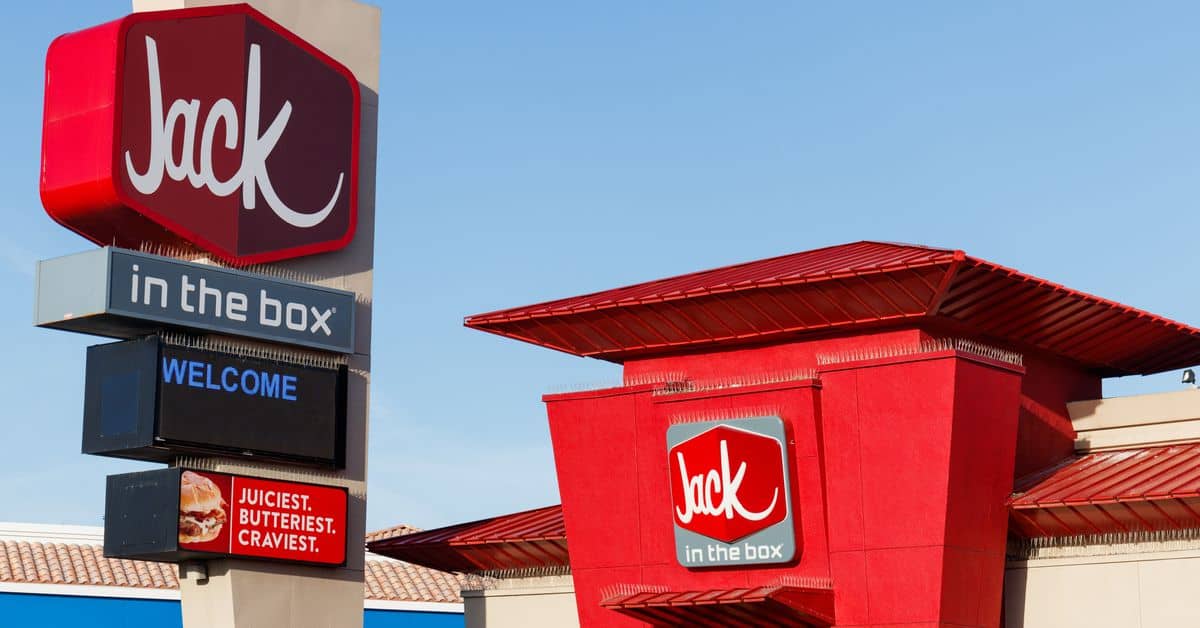
Expansion into growth markets sits at the heart of the plan, with a rapid entry into Chicago in fiscal 2025 and partnerships with franchisees to grow the footprint there. This is paired with a broader push into growth markets like Florida, all designed to broaden geographic reach and capture demand where digital adoption and loyalty programs can take root quickly. The company currently operates about 2,195 locations across 23 states, a scale that makes the digital overhaul not just an experiment but a potential lever for efficiency and volume. The Chicago move sits alongside Florida and other markets as a coordinated bet on faster digital growth and stronger guest loyalty across more doors.
Growth markets are presented not as abandonments of the core business but as a way to accelerate digital adoption and loyalty program uptake by threading the updated app and refreshed tech stack through more stores. The plan references ongoing expansion in Florida and other markets, framed as a sustainable, capital-light path to broaden the brand’s reach while keeping the guest experience at the center. The narrative invites a patient optimism: a brand that grows outward while staying rooted in hospitality.

Central to the plan is a redesigned app that deepens personalization and fuels a first-party loyalty platform. The accompanying POS upgrade supports kiosk functionality and is designed to deliver a seamless, loyalty-rich experience while laying the groundwork for future capabilities in inventory, labor management, and automation. The near-term rollout was already visible in 2024 performance notes, with nearly 100 restaurants operating the new POS and a next-generation app slated to go live in September. The ambition is a connected tech stack that breathes across the restaurant base, making service faster, smarter, and more tailored.
Operational efficiency also bears the weight of external realities. California wage-law dynamics intensify the need for leaner, more predictable throughput, nudging leadership toward pricing moves and productivity gains. “Higher labor costs are a driver of pricing and efficiency initiatives,” noted the CFO, weaving a cautionary thread through a broader strategy of strengthening margins while preserving guest experience. The tech upgrade is positioned as a partner to that effort: a flexible technology stack capable of supporting faster, more consistent service even as costs rise.
Leadership voices throughout 2024–2025 underscored a cautious but purposeful push into digital and market growth. Darin Harris framed the upgrades as foundational to the brand’s long-term path, stressing improvements in guest experience and a more unified technology stack. In the wings, Lance Tucker spoke of resilience and momentum within the Jack on Track program, highlighting a focus on value, innovation, and scale. The period also marks a notable transition: Harris’s departure was finalized in February 2025, with Tucker stepping in as interim. The newsroom cadence mirrors a café at closing time, quiet, purposeful, and ready for the next morning shift.
Strategic reviews and impairment realities also shape the direction. The company has been openly exploring strategic options for Del Taco, including a possible divestiture, while signaling a plan to close underperforming Jack in the Box locations to bolster the balance sheet. The sale and the ongoing reviews are described in filings and releases, marking a deliberate realignment of capital toward core growth engines. As leadership navigates these moves, the thread remains: a more focused footprint paired with a modern, data-driven guest experience.

Together, the moves outline a deliberate pivot toward a digital, data-driven model and a more selective market footprint. The redesigned app, the updated POS with loyalty integration, and the push into Chicago and Florida signal an intent to lift first-party engagement and accelerate service in a changing quick-service landscape. The leadership transition, Harris’s departure and Tucker’s interim role, reads as a time of strategic recalibration, not retreat. The Del Taco sale finalizes a portion of the balance-sheet simplification, clearing space for a leaner, more focused footprint. If execution aligns with the plan, this blend of digital enhancements, targeted market entries, and disciplined capital management could help Jack in the Box regain momentum as consumer habits normalize.
What to watch next is not a single moment but a rhythm: how fast the store closures unfold, how quickly new units open in Chicago and Florida, and how the market responds to pricing and promotions tied to the loyalty push. The blueprint is clearer than in prior quarters: a tech-enabled, growth-friendly path with a balance-sheet discipline that could unlock renewed earnings momentum as the macro environment improves and guests linger longer over the brand’s warm, comforting offerings.