
California Penalizes Dickey's for Franchise Disclosure Violations
California shifts to public enforcement strategy against Dickey's for deceptive franchise disclosures, signaling stricter state-level franchise oversight.
Franchising
Sep 10, 2026
California shifts to public enforcement strategy against Dickey's for deceptive franchise disclosures, signaling stricter state-level franchise oversight.
Sep 10, 2026
Paul Brown temporarily steps away from Inspire Brands as Scott Murphy assumes interim CEO role during confidential IPO filing process targeting late 2026.
Sep 10, 2026
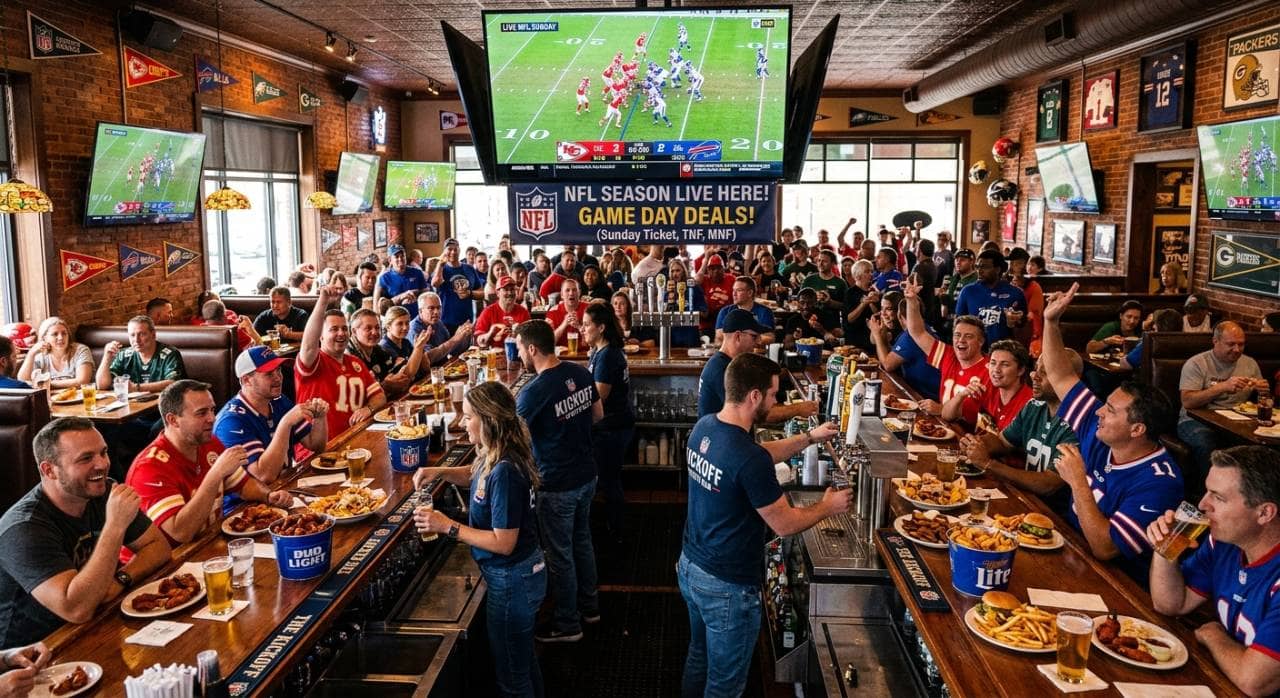
Prepare your restaurant for NFL season with smart menu planning, staffing, marketing, technology, and atmosphere strategies that boost season-long revenue.
Sep 9, 2026
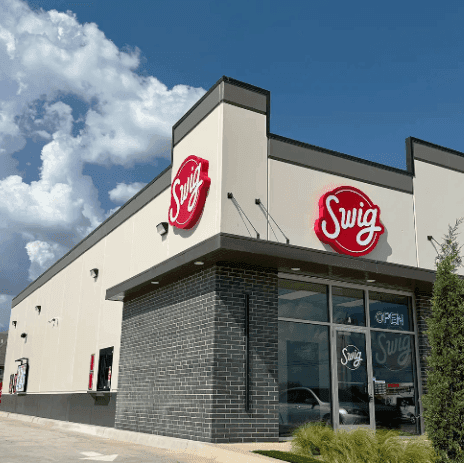
Swig signs franchise agreement for 11 South Denver locations, marking Colorado entry and validating its national expansion strategy.
Sep 8, 2026
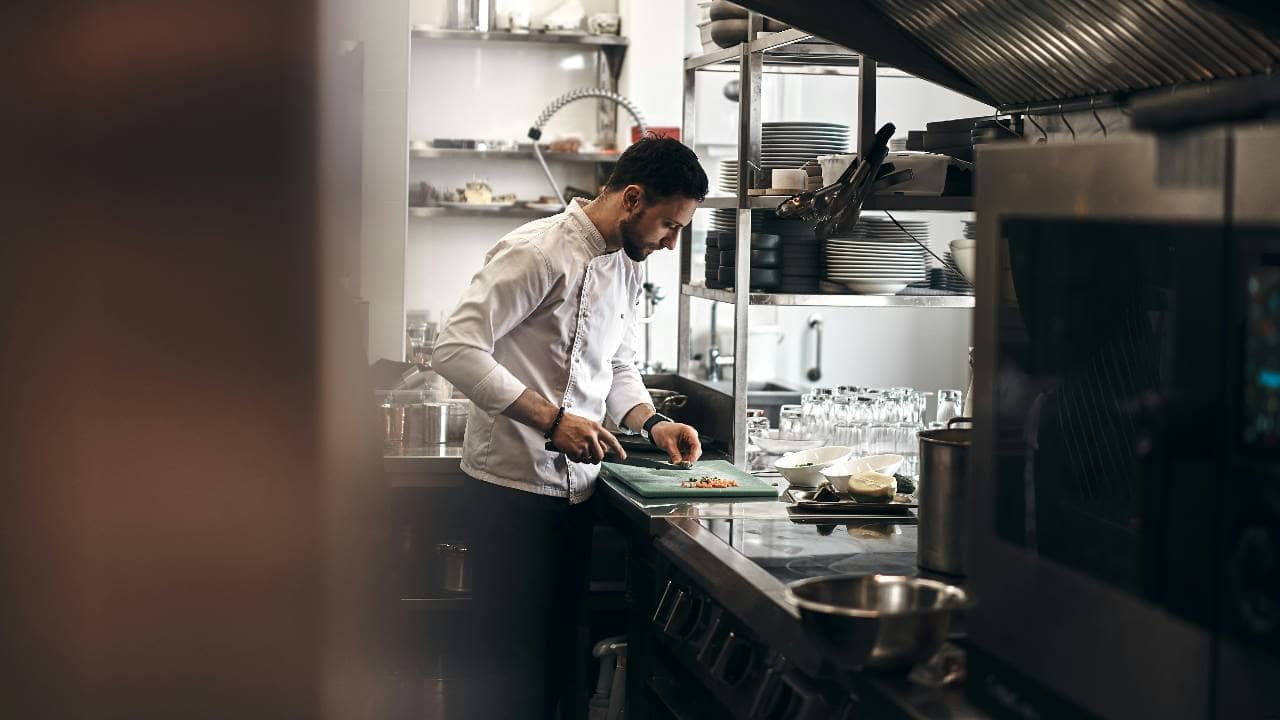
Complete guide helping restaurant owners choose essential kitchen equipment - covering cooking, refrigeration, prep, sanitation, ventilation, safety, and long-term maintenance planning.
Sep 7, 2026
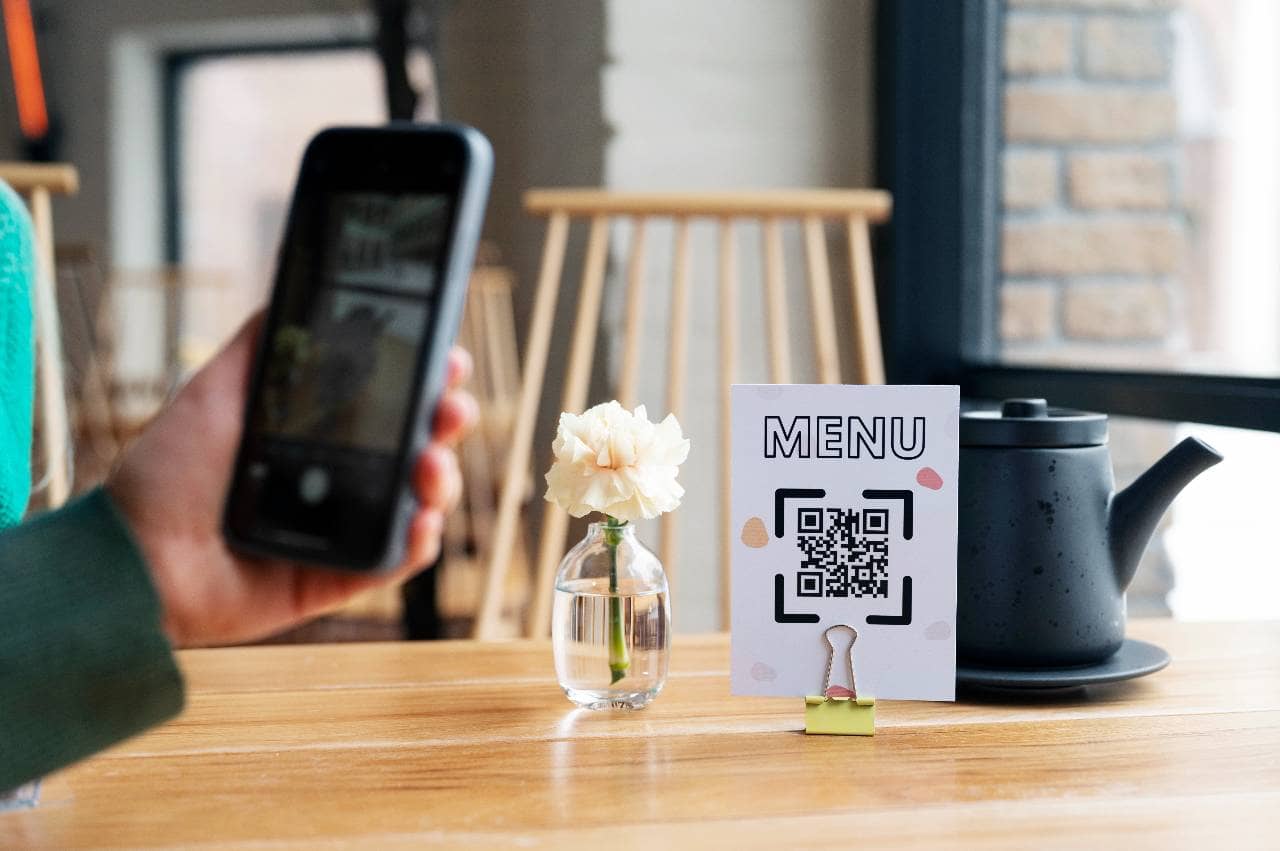
QR code menus let restaurants replace paper menus digitally, enabling instant updates, contactless browsing, ordering, and payment through simple smartphone scanning.
Sep 7, 2026

Avoiding common restaurant payroll mistakes - misclassification, tip credit errors, overtime miscalculations - protects businesses from costly penalties, back pay, and compliance risks.
Sep 4, 2026
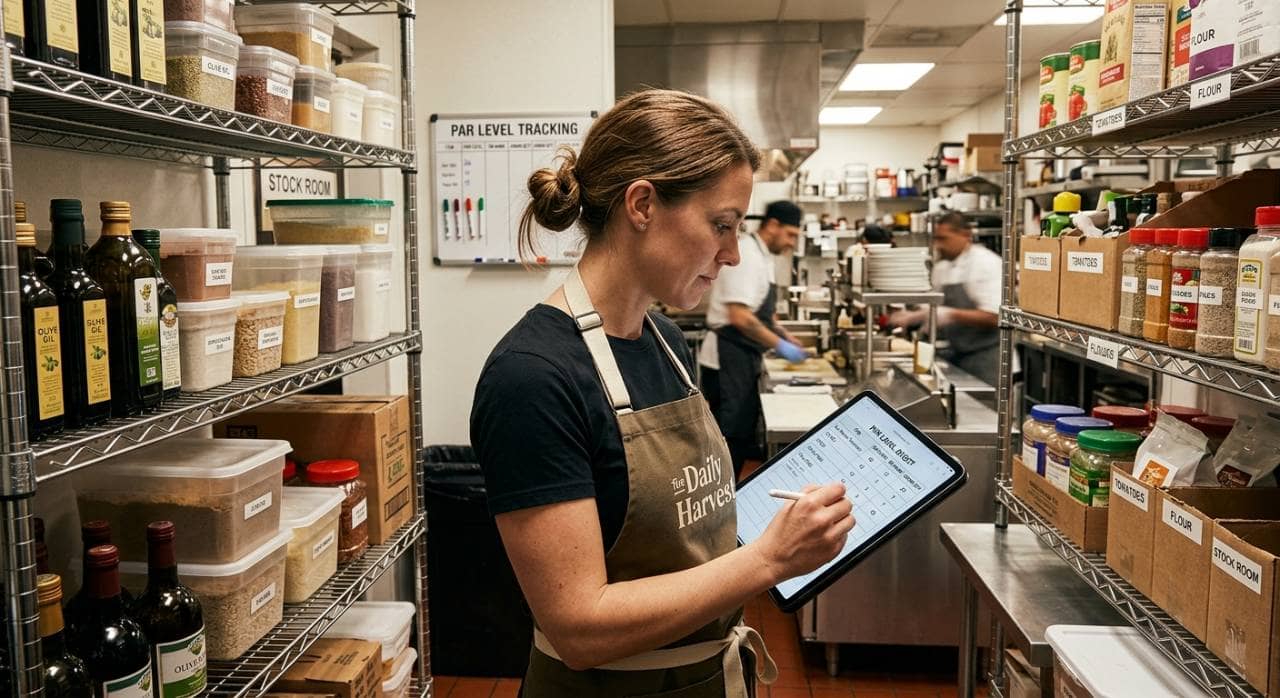
Learn to calculate par levels for restaurant food, beverages, and packaging inventory, preventing stockouts and waste through proper formulas.
Sep 4, 2026
Caribou Coffee appoints Zane Thomas-Rogers as Chief Operations Officer to strengthen execution across its expanding coffeehouse network.
Sep 4, 2026

Compare the top 10 restaurant POS systems in the USA for 2026. Explore features, pricing, pros, cons, and the best POS options for every restaurant type.
Jul 1, 2026

Unlock Exclusive Access To Webinars, Events, And The Latest News For Free!
From LA roots to Nashville openings, JINYA Ramen Bar expands through franchising, partnerships, and a refreshed app that elevates its ramen-first dining.

Photo by Emile Guillemot
JINYA Ramen Bar began as a Tokyo-born concept and now sits with its headquarters in Los Angeles, guiding a family of Japanese-inspired concepts under JINYA Holdings Inc. The brand movement feels deliberate, the kind of thoughtful, balanced dining that invites guests to savor both flavor and story. The ramen-first concept sits at the heart of a broader strategy to elevate Japanese dining across North America, where quick service and curated experiences collide. In the late 2010s, the U.S. ramen scene surged into what industry observers branded the ramen wars, a crowded field begging for a clear point of view. This is the moment when expansion becomes a durable growth engine for JINYA.
From the Los Angeles headquarters, JINYA Ramen Bar's trajectory has been shaped by explicit choices, authenticity in the menu, brand-building, and ongoing culinary refinement. The brand sits at the center of a family of Japanese-inspired concepts, each reinforcing a broader aim: elevate Japanese dining in North America without losing the craft's essence. Industry observers note that JINYA's identity is as much about the story behind the broth as the broth itself. In a ramen landscape that prizes speed and spectacle, JINYA has pursued a balance of technique, flavor, and hospitality that feels rooted. This thoughtful philosophy sets the stage for the deliberate expansion that follows.

From the LA hub, the brand's momentum rests on the leadership of founder Tomo Takahashi, whose clear compass has anchored every milestone. He speaks of a “unwavering commitment to quality, innovation, and customer satisfaction.”, a creed the company repeats in media and at the lectern. The strategy has always been to pair authenticity with branding and menu evolution, so guests encounter a consistent ramen-first experience no matter where they dine. That philosophy shows up not only in bowls but in the way new markets are approached, careful, reproducible, and mindful of local curiosity. It's a formula that invites scrutiny yet rewards patience, a hallmark of thoughtful growth.
From the perspective of expansion, Takahashi's philosophy is less a slogan than a practice that shapes a scalable playbook. The brand has consistently attributed its growth to authenticity, brand-building, and menu refinement, delivering a ramen-first menu that resonates beyond novelty. This approach informs a deliberate franchising strategy, with urban markets in mind, Midwest, Northeast, and Southeast, toward the next wave of expansion. The result is a narrative that blends culture with commerce, ensuring that each new shop feels like a calibrated extension of the same core, rather than a break with the brand's roots.
