California Penalizes Dickey's for Franchise Disclosure Violations
California shifts to public enforcement strategy against Dickey's for deceptive franchise disclosures, signaling stricter state-level franchise oversight.
Franchising
Sep 10, 2026
California shifts to public enforcement strategy against Dickey's for deceptive franchise disclosures, signaling stricter state-level franchise oversight.
Sep 10, 2026
Paul Brown temporarily steps away from Inspire Brands as Scott Murphy assumes interim CEO role during confidential IPO filing process targeting late 2026.
Sep 10, 2026
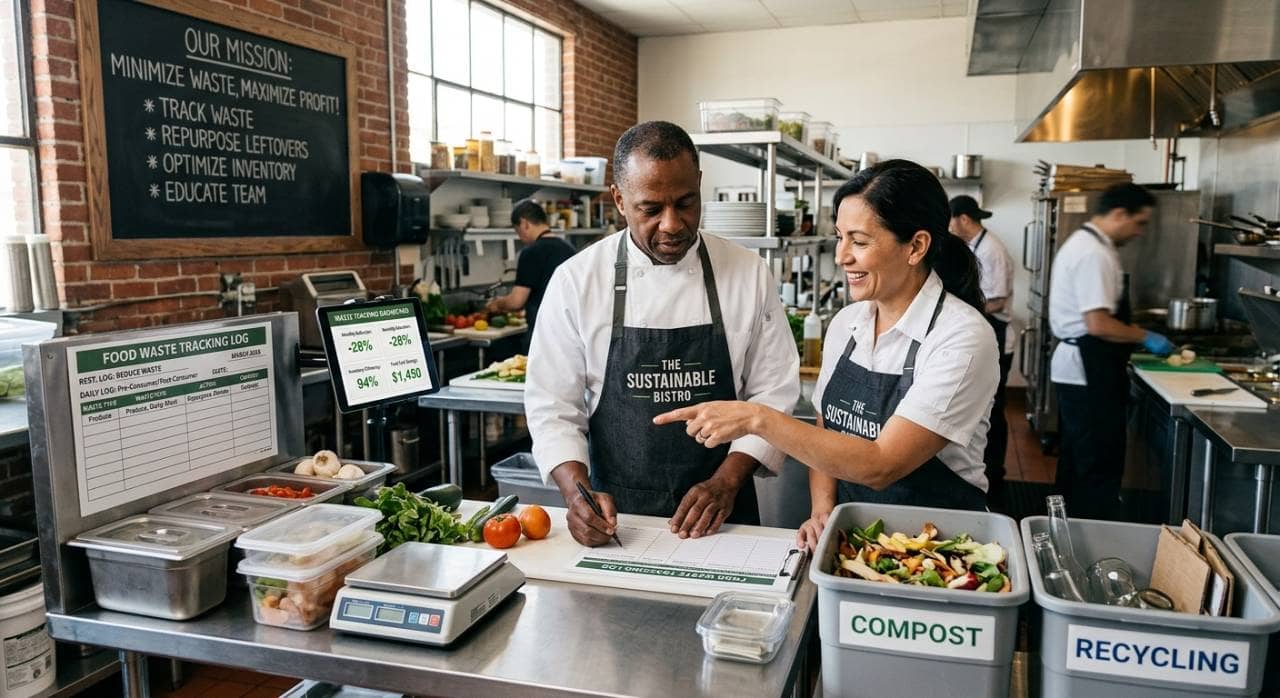
Learn how to reduce food waste in restaurants through smarter purchasing, storage, preparation, and service strategies that cut costs.
Sep 9, 2026
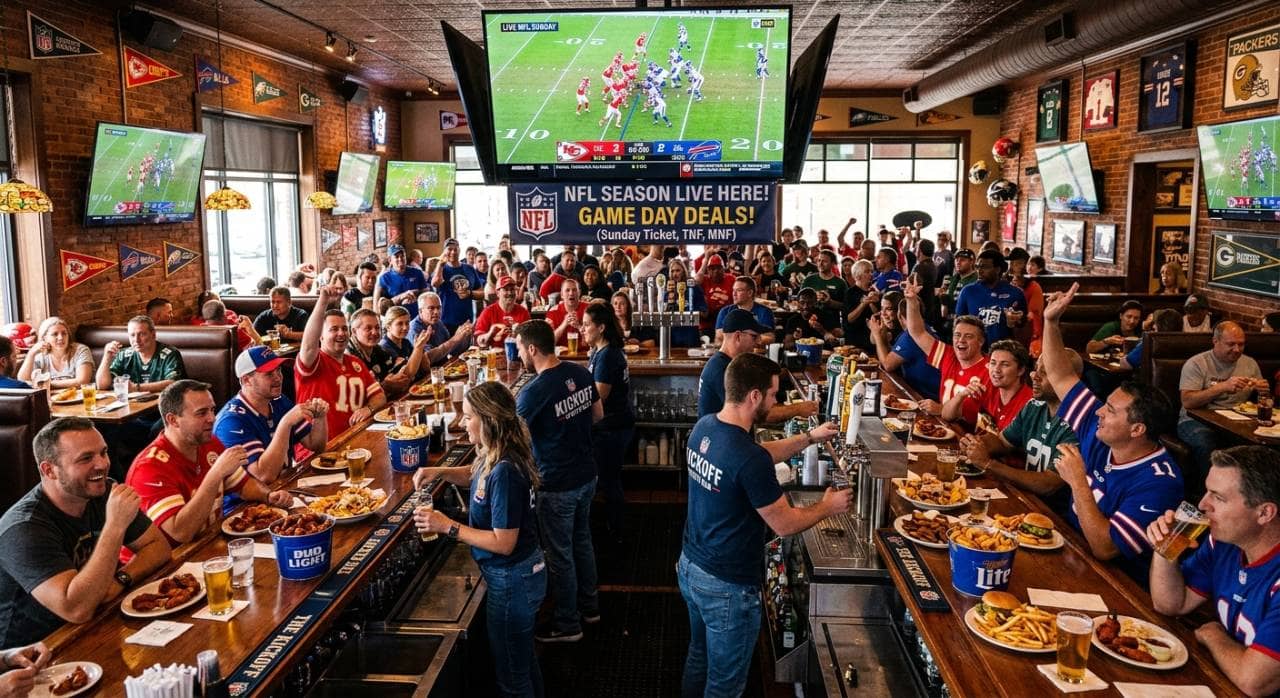
Prepare your restaurant for NFL season with smart menu planning, staffing, marketing, technology, and atmosphere strategies that boost season-long revenue.
Sep 9, 2026
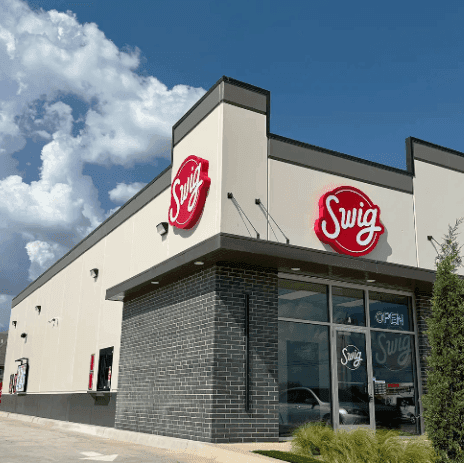
Swig signs franchise agreement for 11 South Denver locations, marking Colorado entry and validating its national expansion strategy.
Sep 8, 2026

QR code menus let restaurants replace paper menus digitally, enabling instant updates, contactless browsing, ordering, and payment through simple smartphone scanning.
Sep 7, 2026

Complete guide helping restaurant owners choose essential kitchen equipment - covering cooking, refrigeration, prep, sanitation, ventilation, safety, and long-term maintenance planning.
Sep 7, 2026

Avoiding common restaurant payroll mistakes - misclassification, tip credit errors, overtime miscalculations - protects businesses from costly penalties, back pay, and compliance risks.
Sep 4, 2026
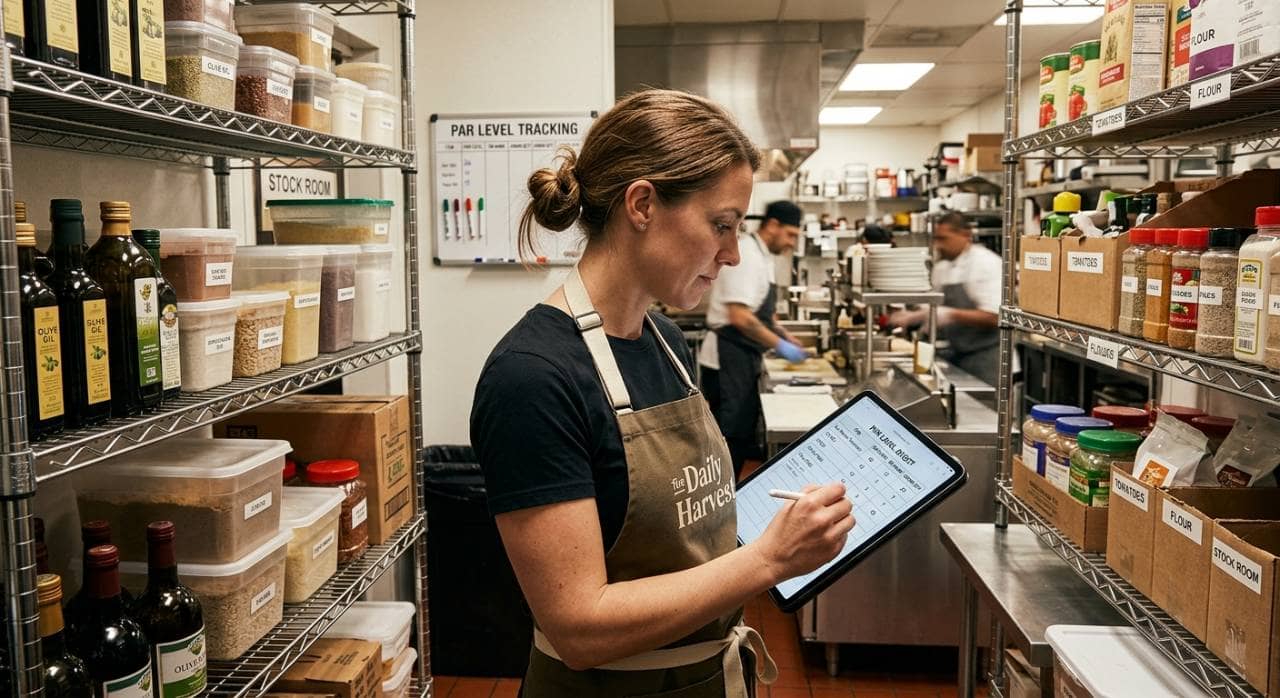
Learn to calculate par levels for restaurant food, beverages, and packaging inventory, preventing stockouts and waste through proper formulas.
Sep 4, 2026
Caribou Coffee appoints Zane Thomas-Rogers as Chief Operations Officer to strengthen execution across its expanding coffeehouse network.
Sep 4, 2026

Unlock Exclusive Access To Webinars, Events, And The Latest News For Free!
Leadership changes and debt-driven restructurings reshape Fridays, Wendy's, and the broader fast-casual landscape, signaling a new era of governance and growth.
From the soft glow of a neighborhood café, the restaurant world feels a quiet tremor: leadership is being rewritten as debt reshapes the map. As 2024 tilts into a tougher market, two stories travel in tandem, Hostmore pulling back its UK bid to buy TGI Fridays U.S. assets after the trustee ended management, and Wendy’s naming Arthur Winkleblack as non-executive chairman. The air hums with questions about ownership, control, and who pays for growth. It’s a moment that invites pause and listening, a quiet reminder that governance and capital decisions ripple through every dining room we love.
At the center sits a $375 million debt stack formed around a 2017 whole-business securitization. When Citibank, as trustee, terminated TGIF Funding's management, a trustee-backed interim framework stepped in to steady the asset base and royalties while options were weighed. In parallel, Hostmore halted its September bid, signaling a pivot from acquisition talks to asset protection and a more franchised, asset-light path. The UK estate’s wind-down and the broader debt story underscore a rebalanced balance sheet, where leverage and governance determine the next move for the brand.
In a more measured draft than a headline, the Fridays transition reads as risk-managed care rather than a sprint toward sale. When the trustee terminated Hostmore as manager, a backup, trustee-backed interim team stepped in to steady the asset base and royalties while options were weighed. It’s a shift from ownership to oversight, a quiet recalibration that keeps core franchises operating even as questions about control linger. The atmosphere remains warm, as if the café chair invites patience while the room cools for clarity.
Market observations describe a pause in formal deals as the trustee retools the calculus around the $375 million securitization debt and the scope of the franchising stream behind TGI Fridays. The UK arm’s asset-sale push still looms, but the broader aim is to preserve value through ongoing operations and franchising rather than rushing to liquidation. In practical terms, this sets the stage for a more disciplined capital plan and potential future arrangements that balance owners, lenders, and franchise partners.
Inside The Wendy’s Company, a governance moment unfolds as Nelson Peltz steps back and Arthur Winkleblack steps in as non-executive chairman. The company’s press release frames the change as a steady hand on a familiar steering wheel, with CEO Kirk Tanner praising the transition and promising ongoing collaboration across the board. It feels less like upheaval and more like a house rearranged for better light, the kind of renewal that could shape capital choices and growth plans in the months ahead.
"Kirk has transitioned seamlessly into the CEO role, and with the stewardship of the Board ... I am confident that the entire Board and management team will continue to work together to drive progress against the company’s strategic growth priorities." said Wendy’s CEO Kirk Tanner in the accompanying materials. The NRN coverage frames this as a board refresh that could influence Wendy’s strategy amid competitive pressures and international opportunities. The move also carries the signal of Nelson Peltz stepping into emeritus status, a graceful transition observers are watching for how governance evolves with growth.

Across the broader industry, leadership changes and deal-driven realignments hint at a wider arc: a tilt toward franchised, capital-light models and disciplined governance. Thrive’s acquisition of Modern Market Eatery from Butterfly Equity marks a concrete move in fast-casual consolidation, extending Thrive's footprint and signaling how private-equity-backed platforms are curating multi-brand strategies. The loss of Walt Ehmer at Waffle House adds a human layer to succession stories in iconic brands, reminding us that culture and continuity matter as much as balance sheets.
NRN and Restaurant Dive provide texture: Thrive’s purchase expands its system to 24 restaurants with five licensed locations, a sign that capital discipline can meet growth appetite across a portfolio. Meanwhile, Ehmer’s passing stirs questions about leadership succession in mission-driven brands that operate around the clock. In this orbit of governance and capital, the market seems to favor brands that couple clear oversight with the flexibility to scale through partnerships and cross-brand collaboration. The consolidation trend is shaping how supply chains and geographic reach are planned in the years ahead.
Several questions linger like the last sips of a comforting drink: will TGI Fridays’ asset-backed securitization steer the brand toward a durable, franchised-led model, or could a surprise buyer redraw the global footprint? How will Wendy’s governance changes influence capital allocation, international expansion, and innovation? And what does Thrive’s Modern Market Eatery deal portend for cross-brand synergy, supply chains, and private-equity partnerships? The full terms of the Modern Market sale and the consultant’s exact authority at Fridays remain to be seen.
Observers project a 12–18 months horizon to reveal how governance, debt, and strategy converge across major brands. The balance will hinge on how boards, lenders, and franchisors align growth ambitions with volatility and debt realities. For those who savor a quiet café moment before the next rush, this period will reveal whether the power map tilts toward disciplined stewardship or bolder expansion, and what that means for employees, franchisees, and the dining room around the corner.