
California Penalizes Dickey's for Franchise Disclosure Violations
California shifts to public enforcement strategy against Dickey's for deceptive franchise disclosures, signaling stricter state-level franchise oversight.
Franchising
Sep 10, 2026
California shifts to public enforcement strategy against Dickey's for deceptive franchise disclosures, signaling stricter state-level franchise oversight.
Sep 10, 2026
Paul Brown temporarily steps away from Inspire Brands as Scott Murphy assumes interim CEO role during confidential IPO filing process targeting late 2026.
Sep 10, 2026
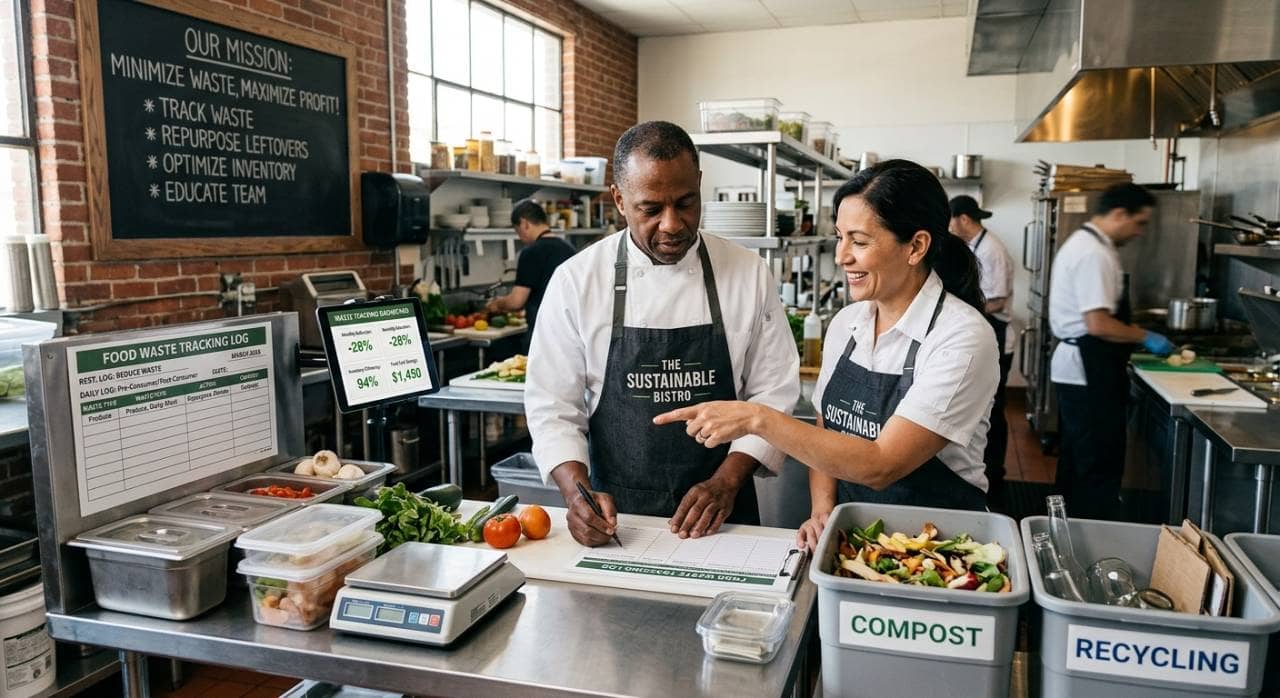
Learn how to reduce food waste in restaurants through smarter purchasing, storage, preparation, and service strategies that cut costs.
Sep 9, 2026
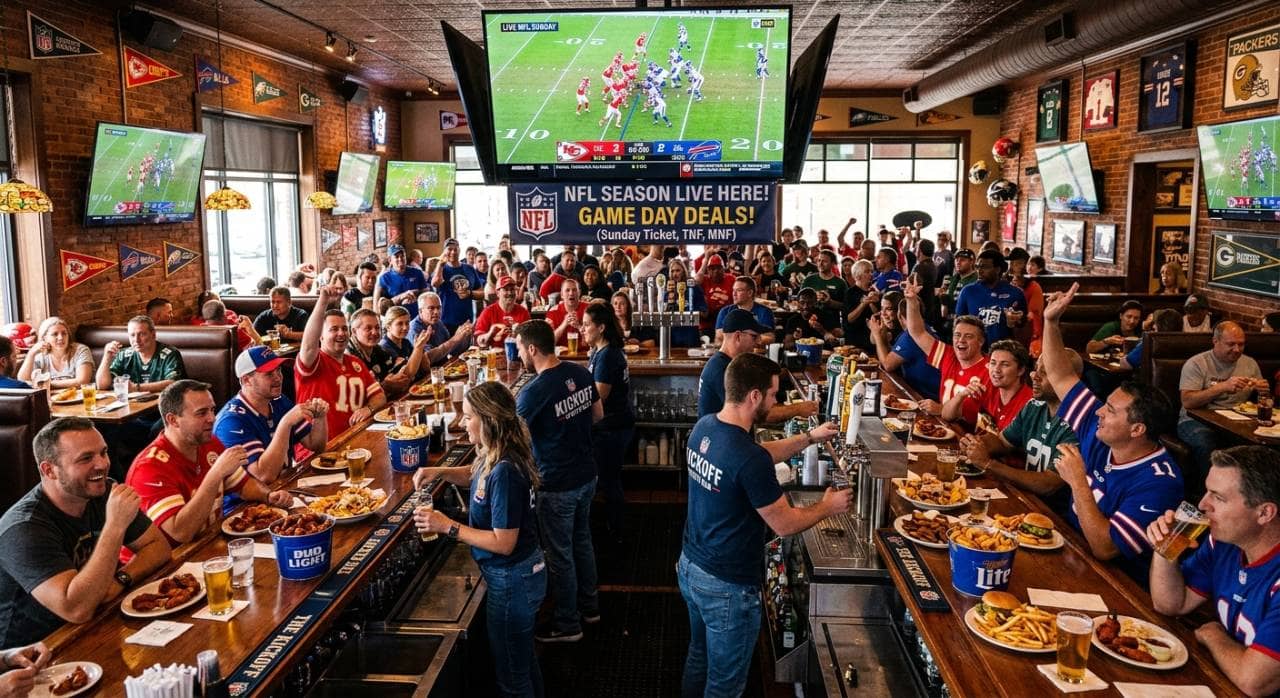
Prepare your restaurant for NFL season with smart menu planning, staffing, marketing, technology, and atmosphere strategies that boost season-long revenue.
Sep 9, 2026
Swig signs franchise agreement for 11 South Denver locations, marking Colorado entry and validating its national expansion strategy.
Sep 8, 2026
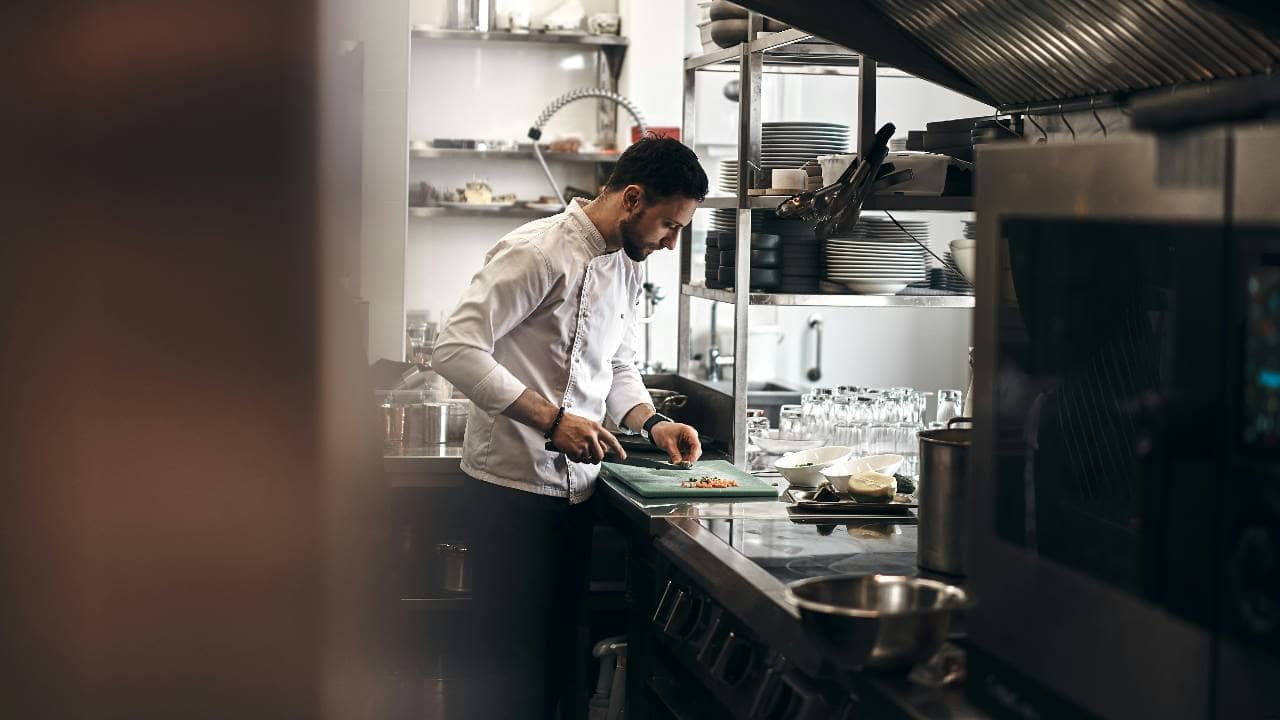
Complete guide helping restaurant owners choose essential kitchen equipment - covering cooking, refrigeration, prep, sanitation, ventilation, safety, and long-term maintenance planning.
Sep 7, 2026
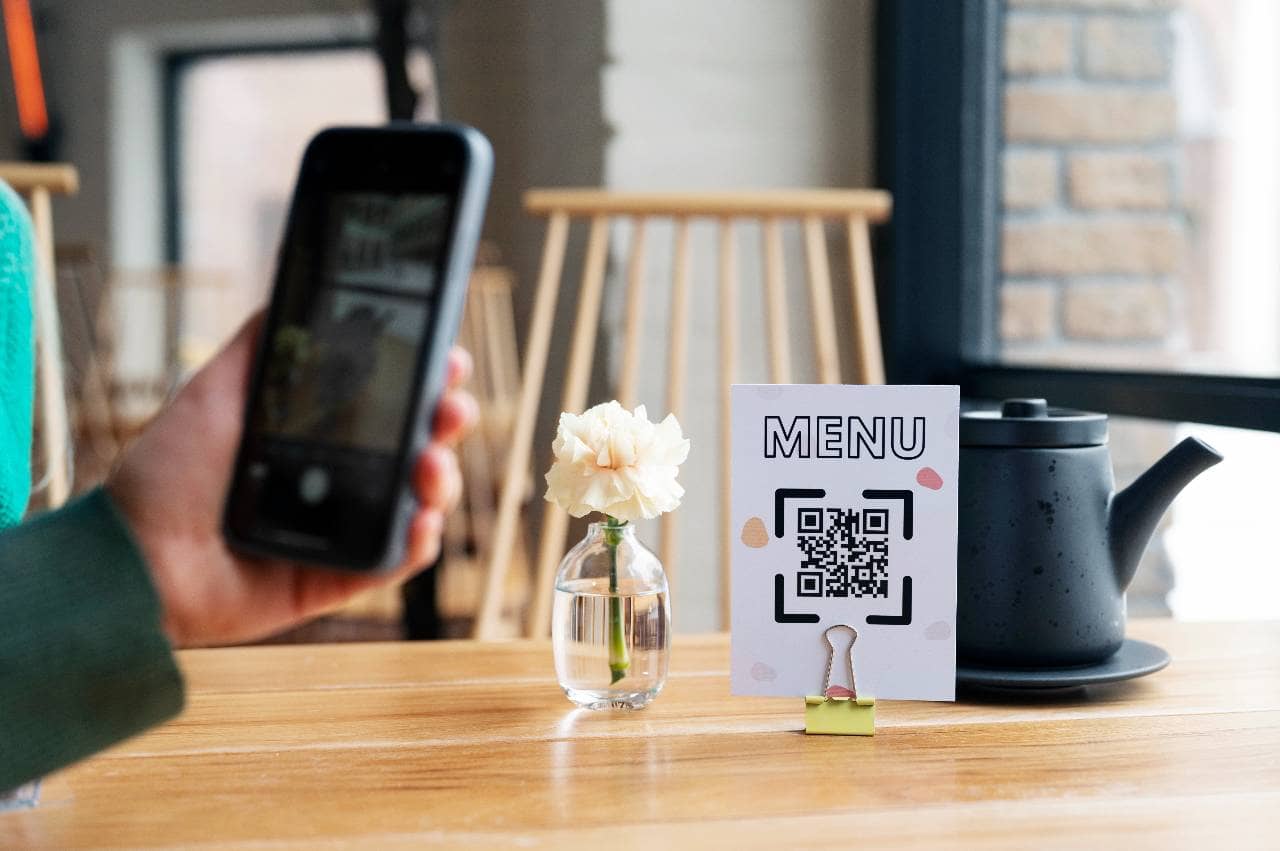
QR code menus let restaurants replace paper menus digitally, enabling instant updates, contactless browsing, ordering, and payment through simple smartphone scanning.
Sep 7, 2026

Avoiding common restaurant payroll mistakes - misclassification, tip credit errors, overtime miscalculations - protects businesses from costly penalties, back pay, and compliance risks.
Sep 4, 2026
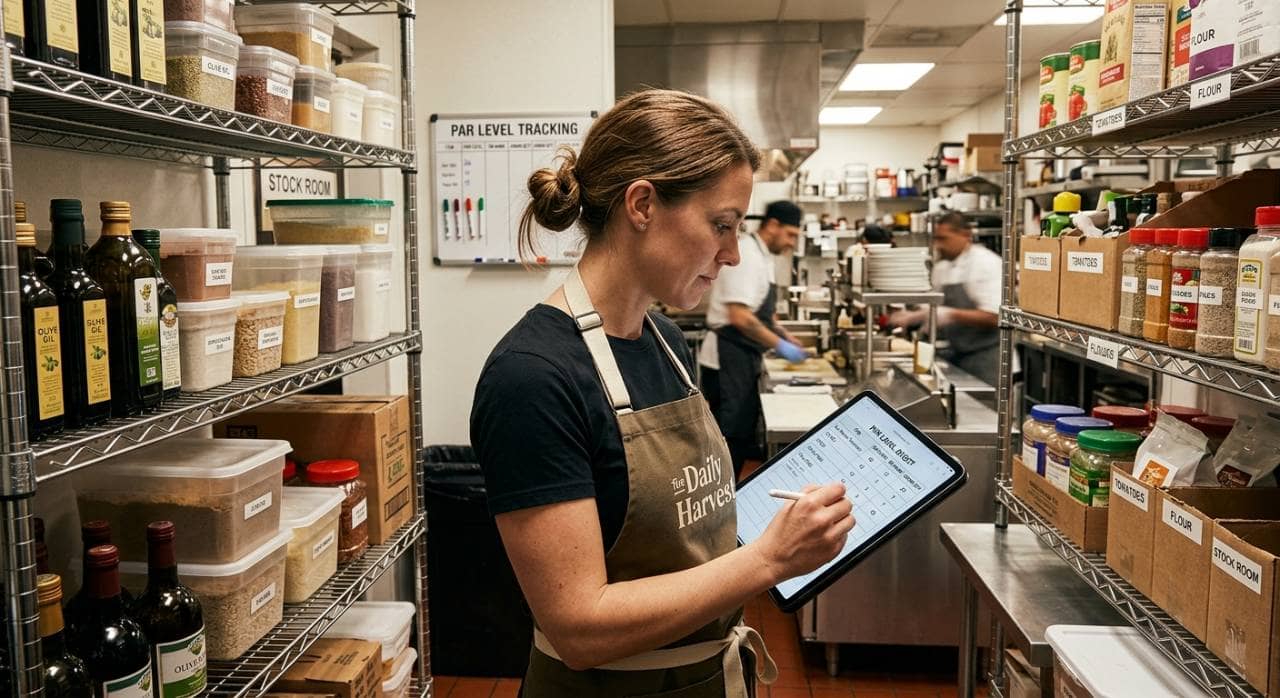
Learn to calculate par levels for restaurant food, beverages, and packaging inventory, preventing stockouts and waste through proper formulas.
Sep 4, 2026
Caribou Coffee appoints Zane Thomas-Rogers as Chief Operations Officer to strengthen execution across its expanding coffeehouse network.
Sep 4, 2026

Unlock Exclusive Access To Webinars, Events, And The Latest News For Free!
Exploring McDonald’s $5 Meal Deal, its traffic lift, and the path to a durable value framework via loyalty and digital engagement.
McDonald’s opened a new chapter in value-focused outreach when it rolled out its $5 Meal Deal on June 25, 2024. The move came at a moment when inflation was reshaping household budgets, and price sensitivity was top of mind for many families. This wasn’t framed as a one-off sprint but as a measured step toward a broader, value-led identity. Early signals pointed to a different kind of momentum: foot traffic began to rise, suggesting that visits can precede a broader sales rebound. The narrative taking shape is that visits, when scaled with a clear value message, can lay the groundwork for a healthier sales trajectory over time.
The core design of the move was simple yet strategic: a value bundle paired with national marketing support to accelerate trial. Across the system, the plan aimed to move beyond a single promo and toward a durable platform that could attract a core value-focused audience while offering a reliable entry point for broader engagement. Analysts noted that traffic shifts often precede sales gains, a timing dynamic executives highlighted as a key part of the strategy’s rationale.
As the rollout gained traction, leaders signaled that the traffic uplift was a first step in a longer journey, one that would rely on the right mix of promotions, creative messaging, and a strengthened connection to consumers who value affordable options. The implication was clear: momentum in visits sets the stage for broader revenue growth as the year unfolds.

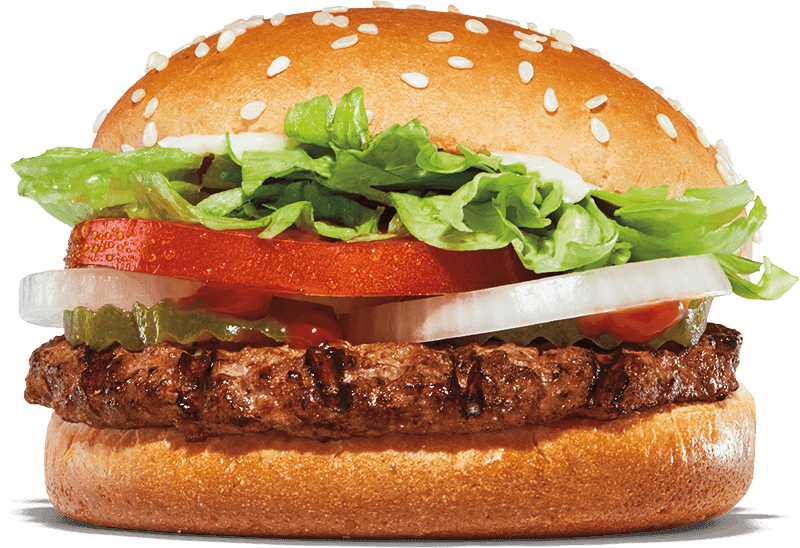
The deal package was designed to be straightforward: a McDouble or McChicken, a small fry, a four-piece Chicken McNuggets, and a small drink. It was planned for four weeks, but broad acceptance led to extensions across roughly 93 percent of U.S. locations, with some stores keeping the offer through August. This extension reflected not only consumer appetite but a shared willingness among franchisees to participate in a national platform that could align incentives and messaging.
In Upstate New York, national marketing around the $5 Meal Deal doubled trial and participation rates, outperforming a January BOGO promotion by roughly 70 percent. The takeaway underscores how a well-supported campaign can lift engagement in a way that local deals alone often cannot achieve, reinforcing the value of scale in a value-centric strategy.
This extension signals a broader operational win: when a national platform is paired with franchisee alignment, promotions can mobilize the system with less friction. The result is not just more redemptions, but greater opportunities for consistent messaging that aligns with a value-first consumer mindset.

Traffic emerged as the leading indicator of broader health. Leadership stressed that visits and guest counts typically precede sales, framing the shift as a deliberate bridge to core, affordability-driven customers. The value offer was described as a connector, one with potential to broaden engagement beyond the most price-sensitive segments while strengthening the brand’s value narrative across markets.
Beyond the executive soundbites, the team highlighted deeper incentives, app-based discounts and loyalty promotions, as longer-run levers to sustain momentum. A broader loyalty ecosystem was positioned as essential, with a near-term target of expanding 250 million 90-day active loyalty users by 2027, building from roughly 150 million in 2023 and moving toward robust expansion across markets. In the U.S., dine-in remains a minority share, shaping how digital channels and promotions are weighted in the full growth plan.
Taken together, leadership signaled a longer arc: the value narrative, coupled with stronger digital integration, is intended to sustain traffic gains as part of a more personalized value strategy that leverages loyalty, rather than relying on a single promotional moment.
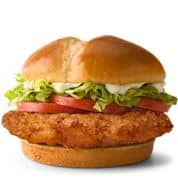
Sales Impacts, Timeline, And Lapping Grimace: despite a traffic uptick, the promotional push did not immediately translate into a broad-based sales rebound. In the U.S., second-quarter results still showed softness in basket size and a continued shift toward at-home dining, with the quarter closing against a difficult comparison to last year’s Grimace birthday event. The national rollout and franchisee negotiations around the value platform highlighted the ongoing balancing act between driving traffic and preserving profitability.
The timing of the $5 Meal Deal, five days before the end of Q2, meant the impact on reported results was inherently limited. In July, the brand continued to face negative same-store results as it lapped the prior year’s high-profile Grimace event, illustrating how promotional tailwinds can be uneven across a calendar year and reminding readers that a single offer rarely fixes a season’s dynamics.
The takeaway for operators and observers is nuanced: traffic gains are real, but translating them into sustained revenue requires a balanced mix of pricing, basket discipline, and a growing loyalty-enabled digital ecosystem that aligns with profitability at the franchise level.
Industry Context underscored a broader pattern in 2024: many chains leaned into value plays to spur visits while traders debated short-term lift against longer-term margin effects. A mid-year digest highlighted McDonald’s $5 Meal Deal as one of several value plays contributing a mid-year lift, with readers noting that success hinges on marrying traffic with a durable profitability model.
The industry takeaway: short-term traffic gains from value offerings are real, but durable revenue requires a calibrated blend of promotions, menu flexibility, and deliberate marketing support that moves loyalty forward rather than cycling promotions in isolation.
The story moving forward will hinge on how well McDonald’s can align promotions with profitability, digital penetration, and a broader, more resilient value platform that resonates with price-sensitive consumers across diverse markets.

Implications For The Road Ahead The leadership team remains confident that a broad national value platform, strengthened digital integration, and an aggressive marketing cadence can unlock sustained growth. The investor overview sketches a multi-year path: scale McCrispy and Best Burger offerings, expand into new markets, and push toward a 50,000-restaurant global footprint. The plan centers on digital-enabled engagement and a continued reliance on market-tested promotions to spur both traffic and frequency.
A durable growth model will demand careful alignment: promotions must balance franchisee profitability with value delivery, while loyalty and digital channels broaden reach to a price-sensitive audience. The ingredients of success include a more personalized approach to value, menu flexibility that can respond to consumer demand, and a steady cadence of promotions that reinforce trust rather than erode margins.
In Amira’s view, the takeaway is clear: growth will be a function of traffic, basket discipline, and a robust loyalty ecosystem, not a single promotion. The road ahead invites a thoughtful, nourishing approach to value that respects sourcing, sustainability, and the mindful dining choices of a diverse consumer base.
