
California Penalizes Dickey's for Franchise Disclosure Violations
California shifts to public enforcement strategy against Dickey's for deceptive franchise disclosures, signaling stricter state-level franchise oversight.
Franchising
Sep 10, 2026
California shifts to public enforcement strategy against Dickey's for deceptive franchise disclosures, signaling stricter state-level franchise oversight.
Sep 10, 2026
Paul Brown temporarily steps away from Inspire Brands as Scott Murphy assumes interim CEO role during confidential IPO filing process targeting late 2026.
Sep 10, 2026
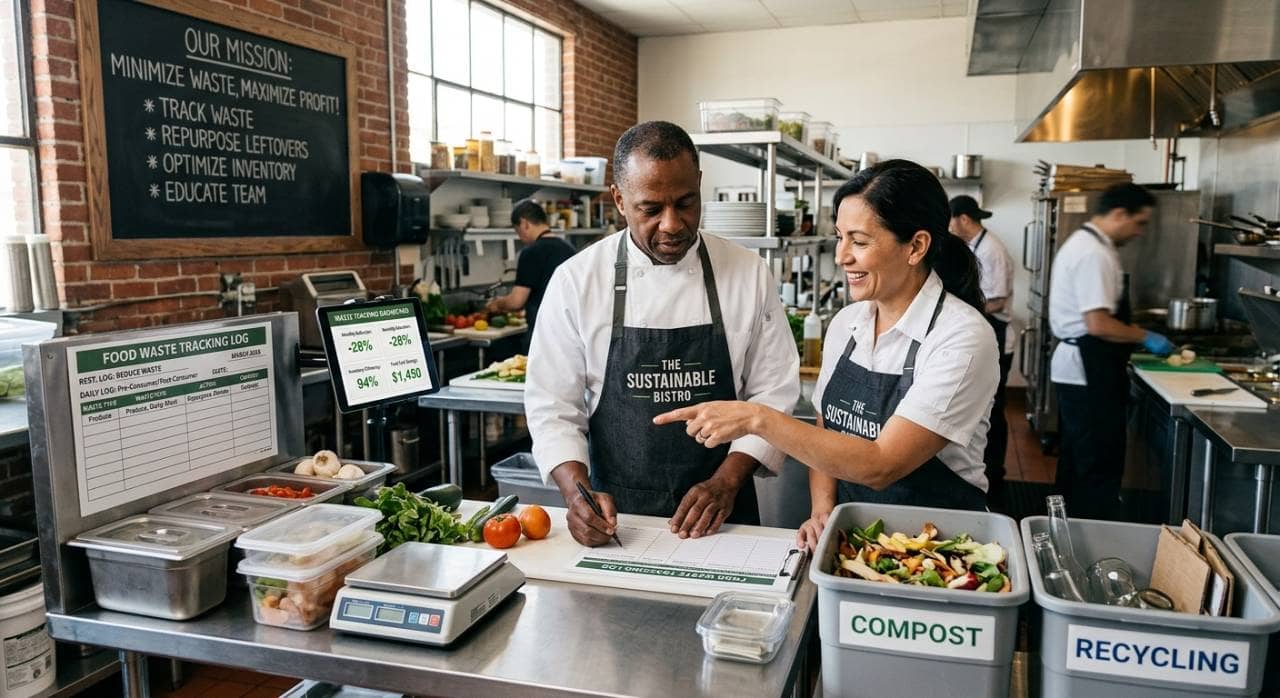
Learn how to reduce food waste in restaurants through smarter purchasing, storage, preparation, and service strategies that cut costs.
Sep 9, 2026
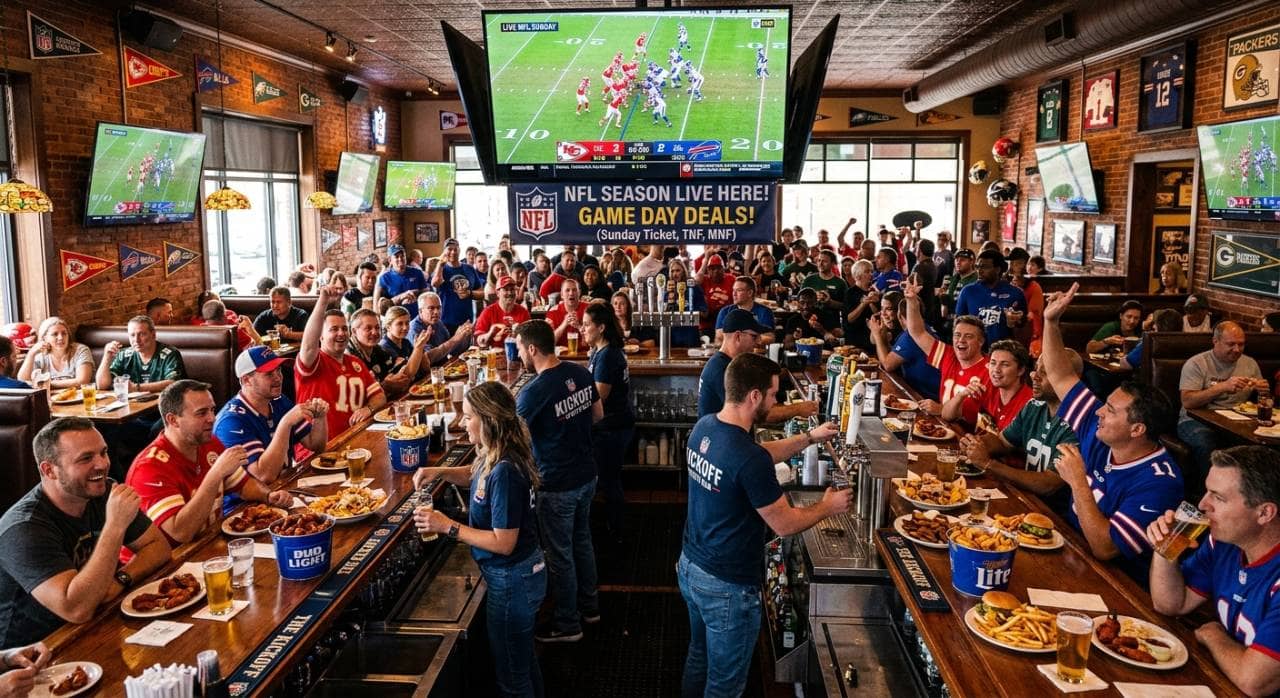
Prepare your restaurant for NFL season with smart menu planning, staffing, marketing, technology, and atmosphere strategies that boost season-long revenue.
Sep 9, 2026
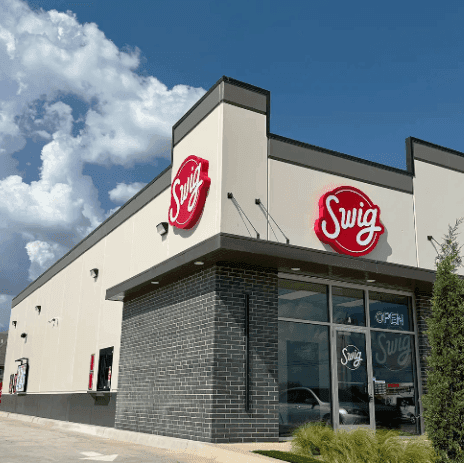
Swig signs franchise agreement for 11 South Denver locations, marking Colorado entry and validating its national expansion strategy.
Sep 8, 2026

Complete guide helping restaurant owners choose essential kitchen equipment - covering cooking, refrigeration, prep, sanitation, ventilation, safety, and long-term maintenance planning.
Sep 7, 2026
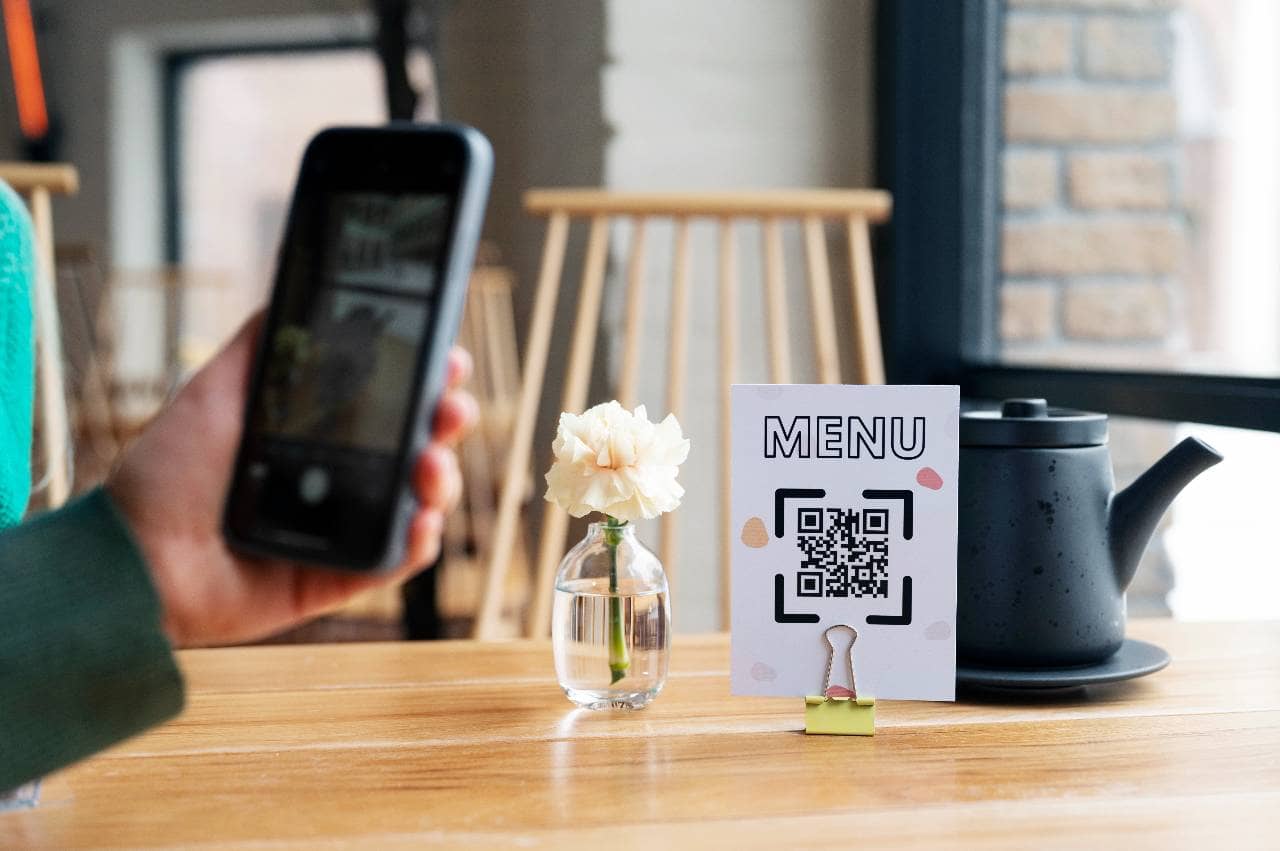
QR code menus let restaurants replace paper menus digitally, enabling instant updates, contactless browsing, ordering, and payment through simple smartphone scanning.
Sep 7, 2026

Avoiding common restaurant payroll mistakes - misclassification, tip credit errors, overtime miscalculations - protects businesses from costly penalties, back pay, and compliance risks.
Sep 4, 2026
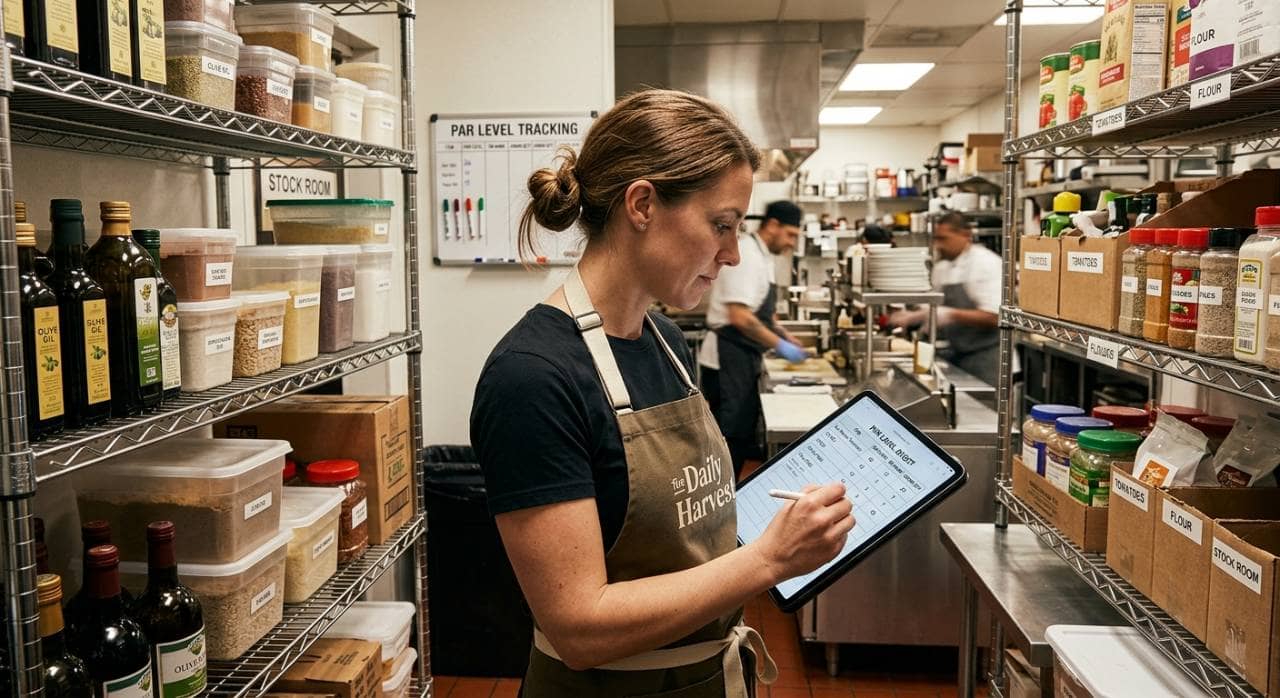
Learn to calculate par levels for restaurant food, beverages, and packaging inventory, preventing stockouts and waste through proper formulas.
Sep 4, 2026
Caribou Coffee appoints Zane Thomas-Rogers as Chief Operations Officer to strengthen execution across its expanding coffeehouse network.
Sep 4, 2026

Unlock Exclusive Access To Webinars, Events, And The Latest News For Free!
McDonald’s faces a multistate E. coli outbreak tied to onions, pausing Quarter Pounders while price scrutiny and political attention mount.

Late autumn brought a quiet unease to break rooms and drive-thru lanes: a multistate outbreak of E. coli O157:H7 linked to slivered onions used on Quarter Pounder burgers. The numbers mattered beyond the kitchen, reminding families that food safety is a shared ritual, not a single policy. Ten states were affected, and in Colorado a fatality sharpened the stakes. As federal authorities mobilized, the crisis stretched from a single supplier room to a nationwide conversation about trust and meals that families count on after long days. What does this mean for a brand built on value and trust?
McDonald’s moved quickly to contain the spread by removing the implicated inputs and pausing Quarter Pounders in affected zones as investigators pressed for answers. The FDA and CDC pivoted toward sampling and traceability work with state partners to identify the onion source and other linked inputs. The scale of the event shows how a crisis rooted in a single ingredient can reverberate through a nationwide operation, given the chain’s reach and the communities it touches.

Operationally, McDonald’s acted decisively to isolate inputs and protect guests. The implicated onions were pulled from menus, and the Quarter Pounder preparation paused in the zones most affected as investigators traced the source. The Washington Post summarized the trajectory, indicating that illnesses appear tied to a single supplier serving multiple distribution centers. These moves illustrate how a global brand must act with speed and clarity to protect guest safety while preserving brand integrity.
With the investigation underway, the FDA and CDC continued their sampling and traceability push, coordinating with state authorities to map the onion supply chain and other inputs. The focus remained on containment, but the broader question about how to prevent reoccurrence, from farm to fork, lingered in every briefing and newsroom discussion.
In Washington, a public push unfolded as Senators Elizabeth Warren, Bob Casey, and Ron Wyden pressed McDonald’s for greater transparency into pricing decisions as quick-service costs rose faster than inflation. The letter framed the issue around the company’s dominant market presence and its outsized impact on consumers, urging a future where profits don’t come at the expense of people’s ability to put food on the table. McDonald’s defended its pricing narrative as reflecting input costs while keeping promotions such as the $5 Meal Deal affordable. The exchange signaled how price and value discussions have become central to national debates about consumer welfare.
McDonald’s stance emphasized that pricing decisions are part of a broader business model, not a simple corporate choice, and that responsible value must balance supplier costs with the needs of franchisees and guests.
Beyond headlines, the crisis intersected with the company’s financial narrative. Third-quarter results, due next week, were anticipated to shed light on the promotional strategy’s effectiveness and any early signs of demand rebound tied to value deals. News coverage highlighted that the health event affected sales and prompted McDonald’s to lean into value promotions as a stabilizing tactic. The company pledged to deliver a formal reply to the senators’ inquiry as part of its ongoing communications strategy, illustrating how public-health events translate into ongoing regulatory engagement.
This moment sits within a longer arc of crisis management for leading quick-service brands, where health incidents, pricing scrutiny, and political visibility converge and shape expectations for investors and guests alike.

The McDonald’s episode sits within a broader canon of food-safety crises that have shaped fast-food reputation and recovery dynamics. Notable precedents include Chipotle’s 2015 E. coli outbreak, which spurred store closures and a long recovery path for a brand once seen as an industry benchmark for food safety. Historical reporting and regulatory analyses detail how media coverage, consumer trust, and regulatory responses can linger for years after an outbreak is contained. These cases underscore the importance of rigorous supply-chain controls, rapid recall protocols, transparent regulatory engagement, and consistent, credible messaging as the industry navigates similar crises.
For comfort-focused brands, the takeaway is simple: build resilient supply chains, communicate clearly, and stay attuned to how safety and value feel to everyday diners.
Despite public statements and menu adjustments, the precise source and scope remained subject to ongoing investigation as the onion supply chain and supplier teams were scrutinized by the FDA, USDA-FSIS, and state authorities. The evolving nature of such investigations means confirmed links between input suppliers and illnesses can shift as new laboratory results and traceability data emerge. In the meantime, health authorities continued to warn patients with severe E. coli symptoms to seek care and to report what they ate if they become ill. The case illustrates the enduring uncertainty that accompanies multistate foodborne outbreaks and the necessity of ongoing, transparent updates to consumers and investors alike.
The experience also cautions industry observers about the pace and tone of communications during a crisis, balancing credibility with urgency to maintain trust across guests, franchisees, and policymakers.
Looking forward, the episode reinforces a core tenet for the restaurant sector: scale amplifies both risk and responsibility. Operators must balance aggressive pricing and broad value initiatives with stringent food-safety controls and transparent communication with policymakers, regulators, franchisees, and the public. As political attention around pricing persists and health incidents remain in the discourse, operators are likely to invest in supply-chain resilience, faster incident responses, and more precise consumer messaging about value, safety, and accountability. The convergence of health, economics, and politics in this moment may shape industry norms and regulatory expectations for years to come.
For the dining rooms where people seek comfort and predictability, these lessons translate into better supplier vetting, clearer recalls, and messaging that respects guests’ budget and trust.
