California Penalizes Dickey's for Franchise Disclosure Violations
California shifts to public enforcement strategy against Dickey's for deceptive franchise disclosures, signaling stricter state-level franchise oversight.
Franchising
Sep 10, 2026
California shifts to public enforcement strategy against Dickey's for deceptive franchise disclosures, signaling stricter state-level franchise oversight.
Sep 10, 2026
Paul Brown temporarily steps away from Inspire Brands as Scott Murphy assumes interim CEO role during confidential IPO filing process targeting late 2026.
Sep 10, 2026
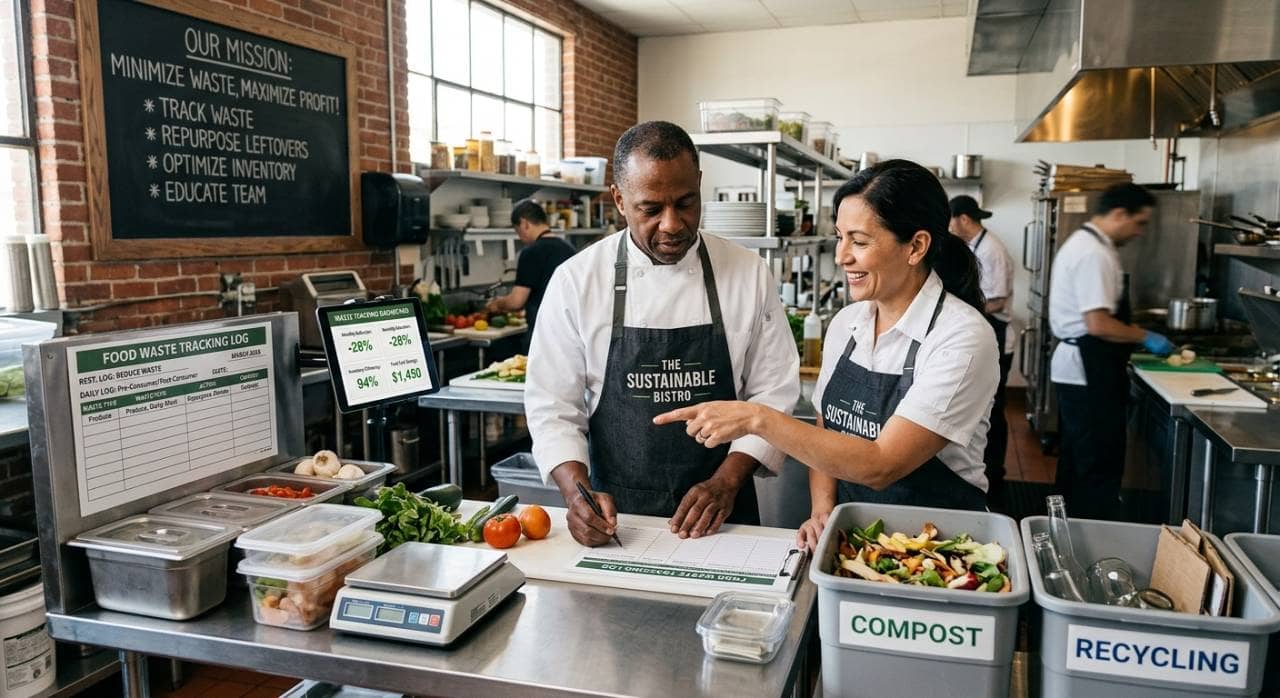
Learn how to reduce food waste in restaurants through smarter purchasing, storage, preparation, and service strategies that cut costs.
Sep 9, 2026
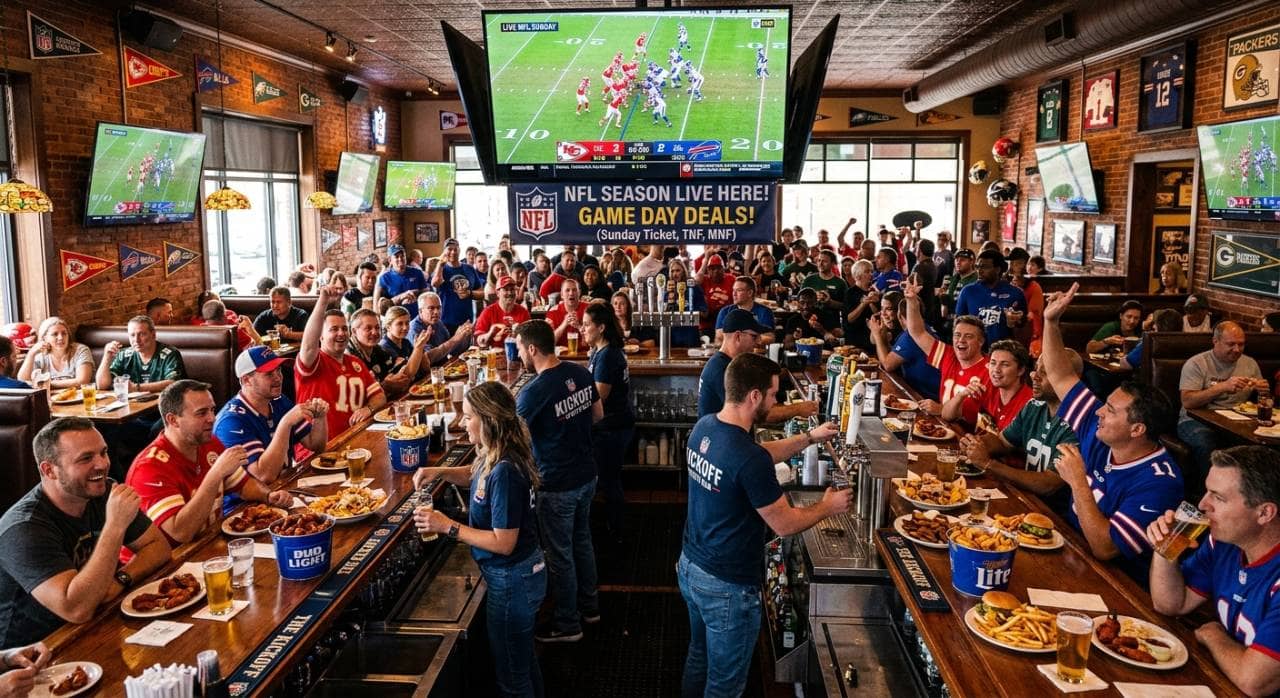
Prepare your restaurant for NFL season with smart menu planning, staffing, marketing, technology, and atmosphere strategies that boost season-long revenue.
Sep 9, 2026
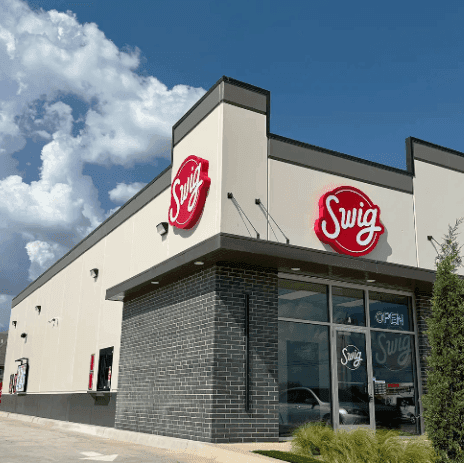
Swig signs franchise agreement for 11 South Denver locations, marking Colorado entry and validating its national expansion strategy.
Sep 8, 2026

Complete guide helping restaurant owners choose essential kitchen equipment - covering cooking, refrigeration, prep, sanitation, ventilation, safety, and long-term maintenance planning.
Sep 7, 2026
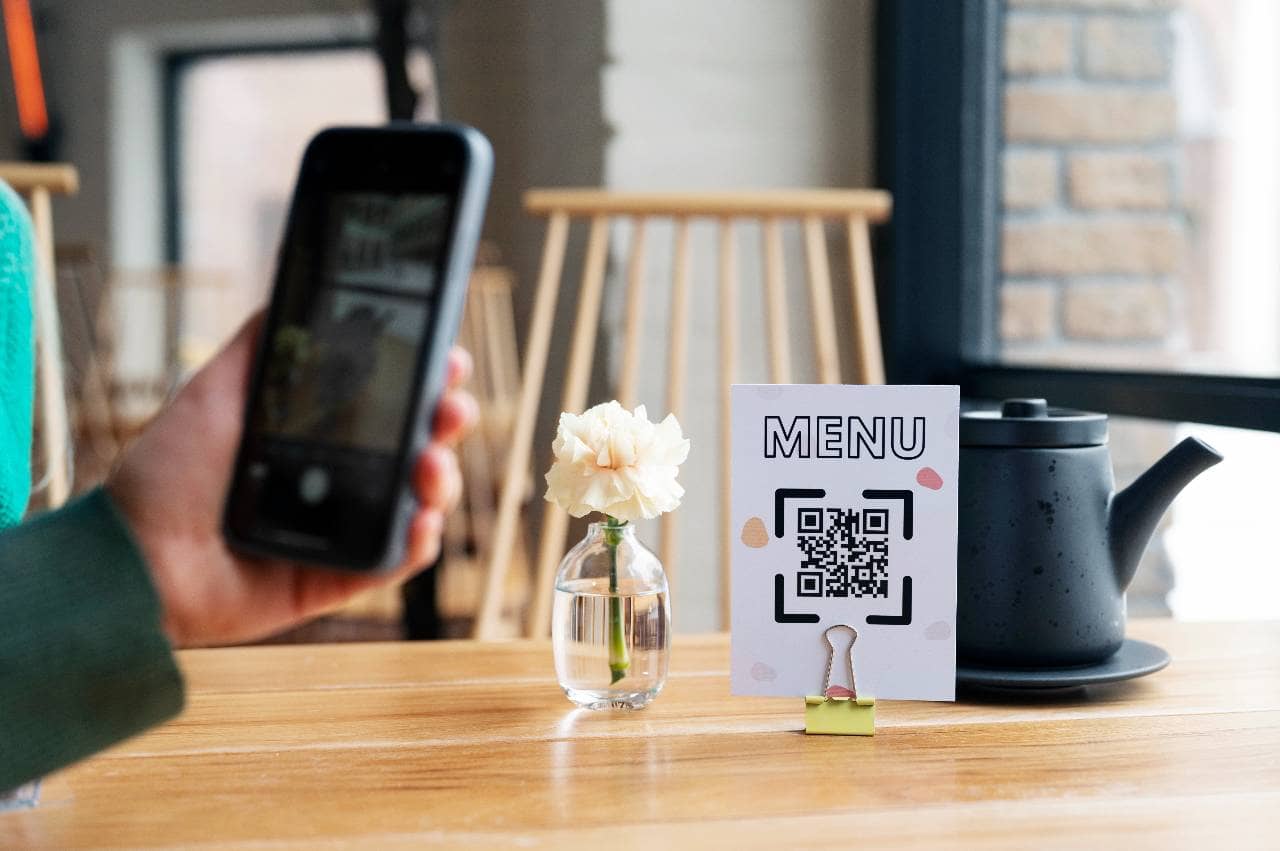
QR code menus let restaurants replace paper menus digitally, enabling instant updates, contactless browsing, ordering, and payment through simple smartphone scanning.
Sep 7, 2026

Avoiding common restaurant payroll mistakes - misclassification, tip credit errors, overtime miscalculations - protects businesses from costly penalties, back pay, and compliance risks.
Sep 4, 2026
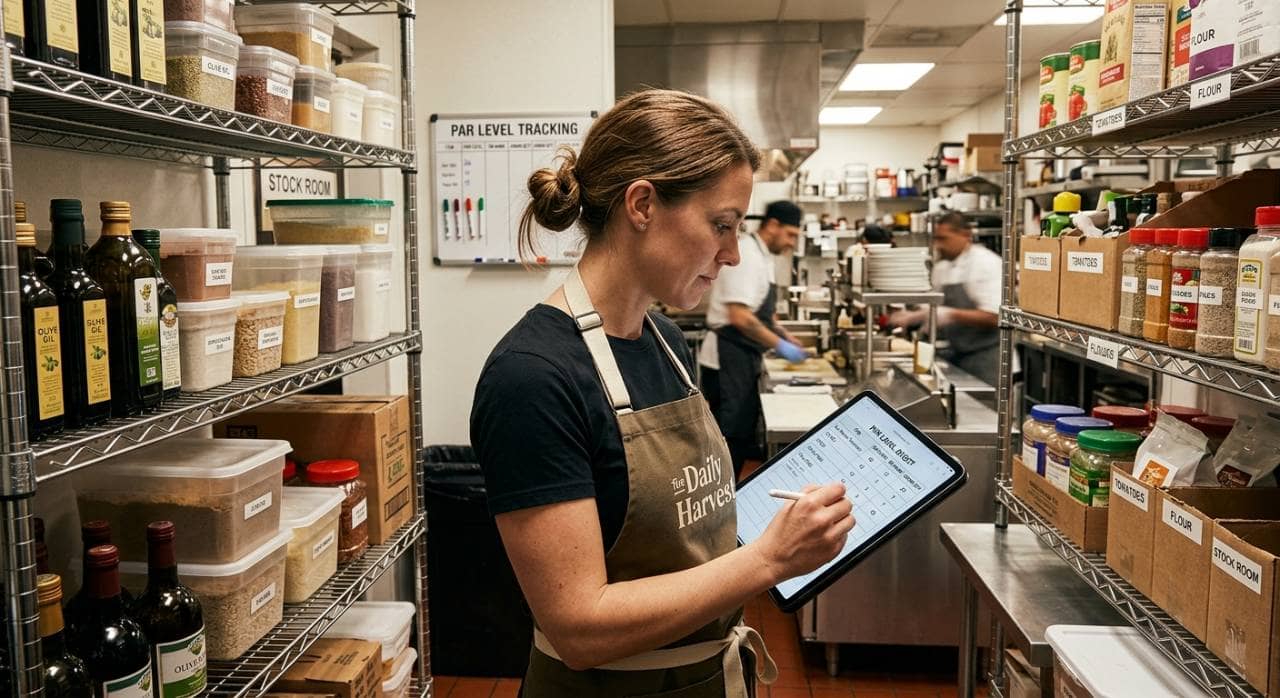
Learn to calculate par levels for restaurant food, beverages, and packaging inventory, preventing stockouts and waste through proper formulas.
Sep 4, 2026
Caribou Coffee appoints Zane Thomas-Rogers as Chief Operations Officer to strengthen execution across its expanding coffeehouse network.
Sep 4, 2026

Unlock Exclusive Access To Webinars, Events, And The Latest News For Free!
A warm, expert view on McDonald’s 2025 momentum—value-led pricing, a growing loyalty program, and digital initiatives reshaping guest relationships.
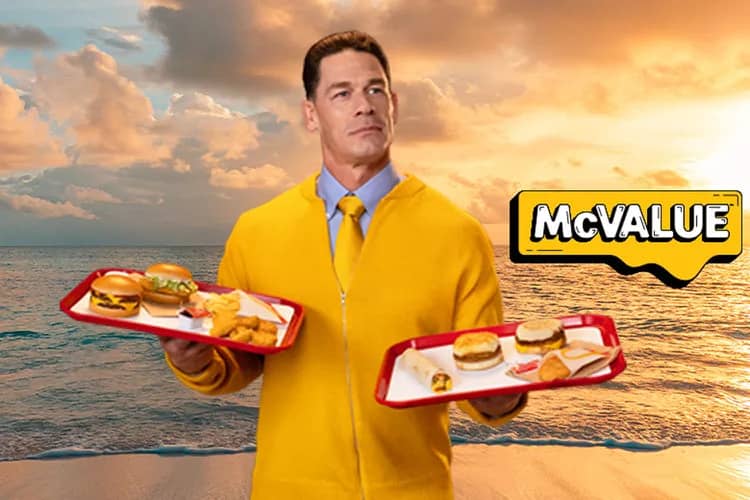
At the close of 2025, McDonald’s presents momentum with a soft, assured tone rather than a loud trumpet. The latest results show a trajectory that blends value with convenience, inviting guests to linger in the moment as much as to grab a quick bite. In a world that rewards simplicity and speed, the brand has nudged guests toward a familiar routine: an affordable option, a familiar app, and a touch of personal touch that turns a simple meal into a comforting moment. The story feels less like a surge and more like a welcome home: what exactly is fueling this momentum?
On a quarterly basis, global comparable sales rose 5.7% in Q4, with the U.S. up 6.8%, International Operated Markets up 5.2%, and International Developmental Licensed Markets up 4.5%. For the full year, global Systemwide sales climbed 7% (5% in constant currencies) to more than $139 billion. The growth engine rests in part on a growing loyalty program: across 70 loyalty markets, Systemwide sales to loyalty members rose 20% to nearly $37 billion, and 90-day active loyalty users reached roughly 210 million. “McDonald’s value leadership is working,” said Chairman and CEO Chris Kempczinski, a refrain the team ties to stronger traffic and value perceptions. This momentum suggests the loyalty program will stay central as the consumer environment grows more complex.

Behind the optimistic headlines, a more stubborn weather remains: the economy's squeeze on lower- and middle-income households. The leadership warned early last year of a more discriminating consumer, and as 2025 wore on those pressures broadened. Quick-service traffic slowed in many markets, and industry chatter has tracked softer visits in the U.S., Australia, Canada, and Germany. In this café-quiet moment of business reporting, the lesson feels intimate: the path to growth must be walked with discipline, not rushed price hikes that risk long-term brand warmth.
To balance this, McDonald’s has pursued a more disciplined value architecture rather than relying on price-cutting alone. The aim is to preserve brand equity while maintaining traffic across regions. In Europe and beyond, value-led adjustments in places like Germany, Spain, and Poland helped stabilize or improve share; the United States, meanwhile, demanded a broader value platform beyond a single offer. The challenge remains: how to sustain affordability without eroding perceived quality in the long arc of growth.
Across markets, inflation pressure has pushed a flexible value approach, with selective price adjustments and, in some locales, more adaptable value programs. In international markets, Germany, Spain, and Poland stand as examples where value-led moves helped stabilize or lift share, while the U.S. required a broader platform to sustain traffic amid persistent cost pressures. The strategy is not just about a single deal; it is a broader playbook to reconcile short-term traffic with long-term brand health.
The pivot toward value couples pricing discipline with localized menu flexibility, a combination designed to keep guests returning even as prices rise. The emphasis is on sustaining confidence in the brand while safeguarding margins, a balancing act that invites a patient, lingering look from operators and guests alike.
A centerpiece of the U.S. value push has been the Five Dollar Meal Deal, which quickly became a bellwether for consumer response to McDonald’s value messaging. On the call, U.S. leadership described the deal as exceeding expectations in attracting lower-income shoppers and signaling a shift in sentiment toward value and affordability. The operational reality on the ground was nuanced: trial rates were strongest among lower-income consumers, but the impact on overall comparable sales would depend on sustained guest counts alongside rising average checks. The broader takeaway is that the promotion reshaped perceptions of affordability, with franchisees broadly supportive of extending the platform.
A note from U.S. leadership indicated that 93% of McDonald’s restaurants had agreed to extend the platform further into the summer, reflecting strong operator conviction that the deal could help stabilize demand during a challenging macro backdrop. The lesson is less about one program and more about how a well-timed, widely endorsed value push can shape momentum even when inflation looms.
Beyond price promotions, McDonald’s has intensified digital engagement as a lever for both value and convenience. The company rolled out nationwide Free Fry Fridays via its mobile app, offering a free medium fry with a $1 purchase on Fridays, a move designed to drive app adoption and frequency. The digital programs have emerged as a bright spot, with loyalty not only expanding in reach but also lifting the share of sales. In 2025, the loyalty program’s scale was highlighted by 90-day active users at roughly 210 million, and loyalty-driven systemwide sales climbing to nearly $37 billion across 70 markets.
These figures underscore a broader trend: investments in data, personalization, and app-first experiences are turning transactions into deeper guest relationships. The loyalty program now accounts for a meaningful portion of U.S. systemwide sales, illustrating how digital engagement translates into tangible growth and a steadier base of visits beyond promotions.