
California Penalizes Dickey's for Franchise Disclosure Violations
California shifts to public enforcement strategy against Dickey's for deceptive franchise disclosures, signaling stricter state-level franchise oversight.
Franchising
Sep 10, 2026
California shifts to public enforcement strategy against Dickey's for deceptive franchise disclosures, signaling stricter state-level franchise oversight.
Sep 10, 2026
Paul Brown temporarily steps away from Inspire Brands as Scott Murphy assumes interim CEO role during confidential IPO filing process targeting late 2026.
Sep 10, 2026
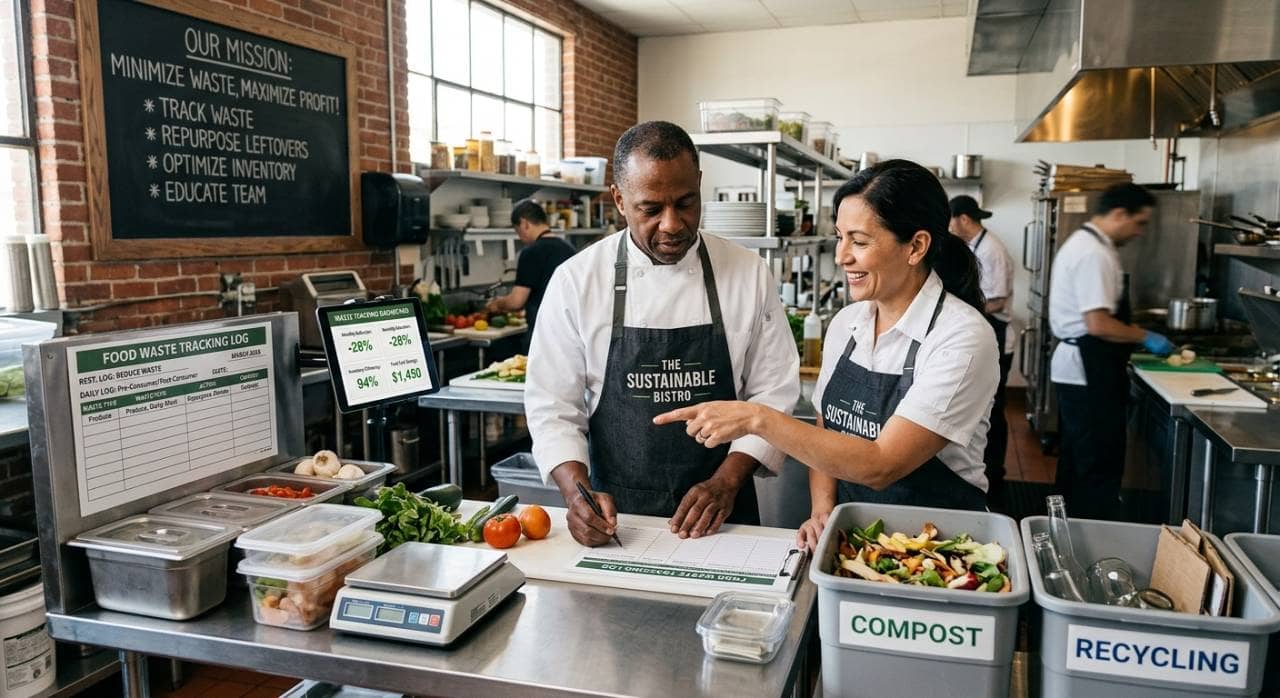
Learn how to reduce food waste in restaurants through smarter purchasing, storage, preparation, and service strategies that cut costs.
Sep 9, 2026
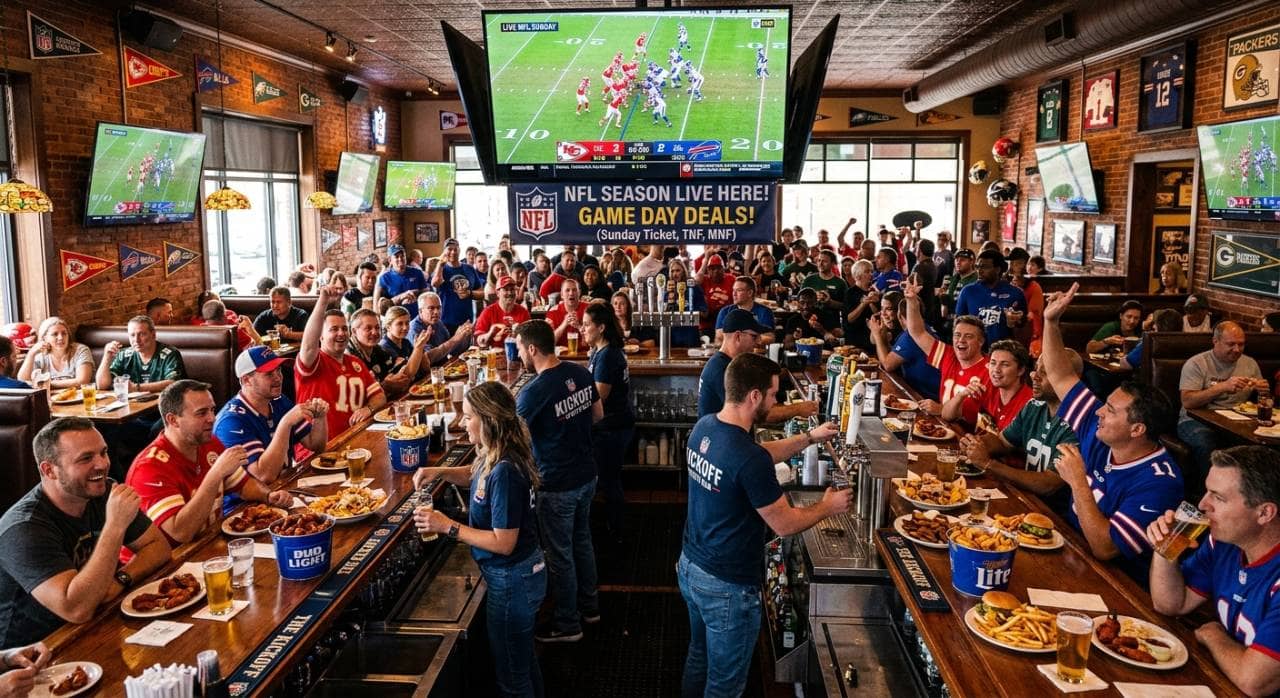
Prepare your restaurant for NFL season with smart menu planning, staffing, marketing, technology, and atmosphere strategies that boost season-long revenue.
Sep 9, 2026
Swig signs franchise agreement for 11 South Denver locations, marking Colorado entry and validating its national expansion strategy.
Sep 8, 2026
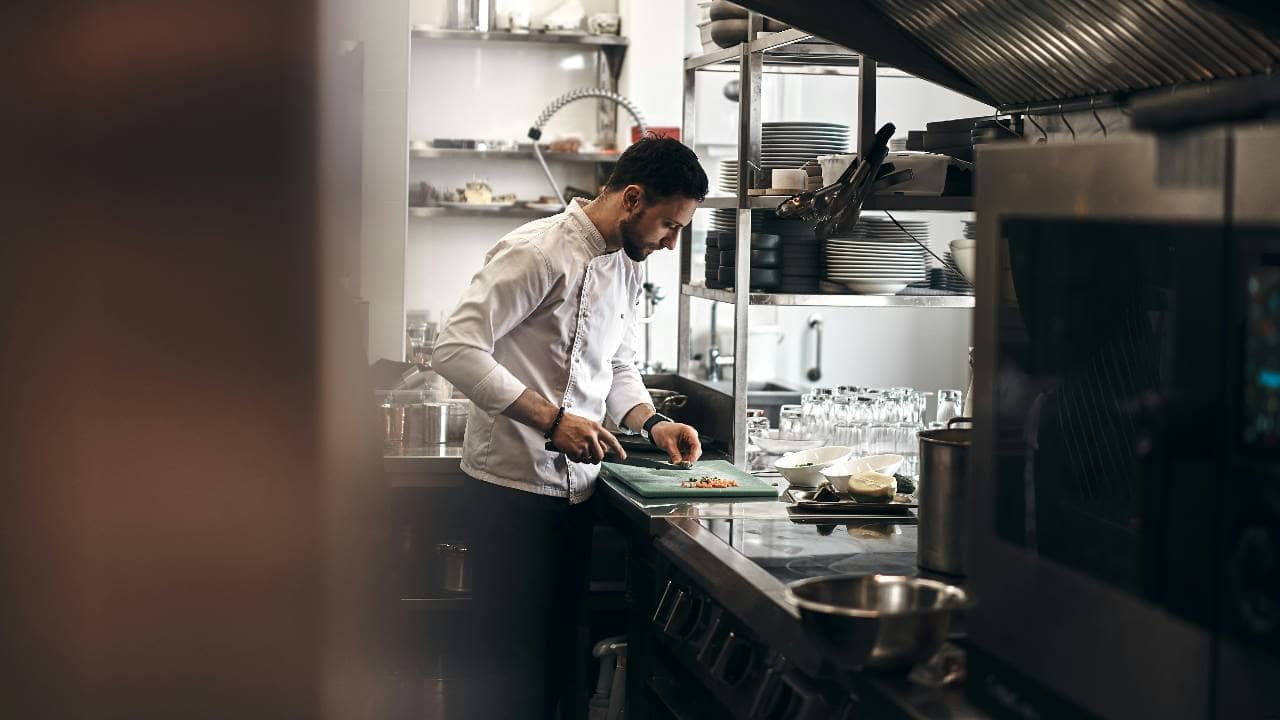
Complete guide helping restaurant owners choose essential kitchen equipment - covering cooking, refrigeration, prep, sanitation, ventilation, safety, and long-term maintenance planning.
Sep 7, 2026
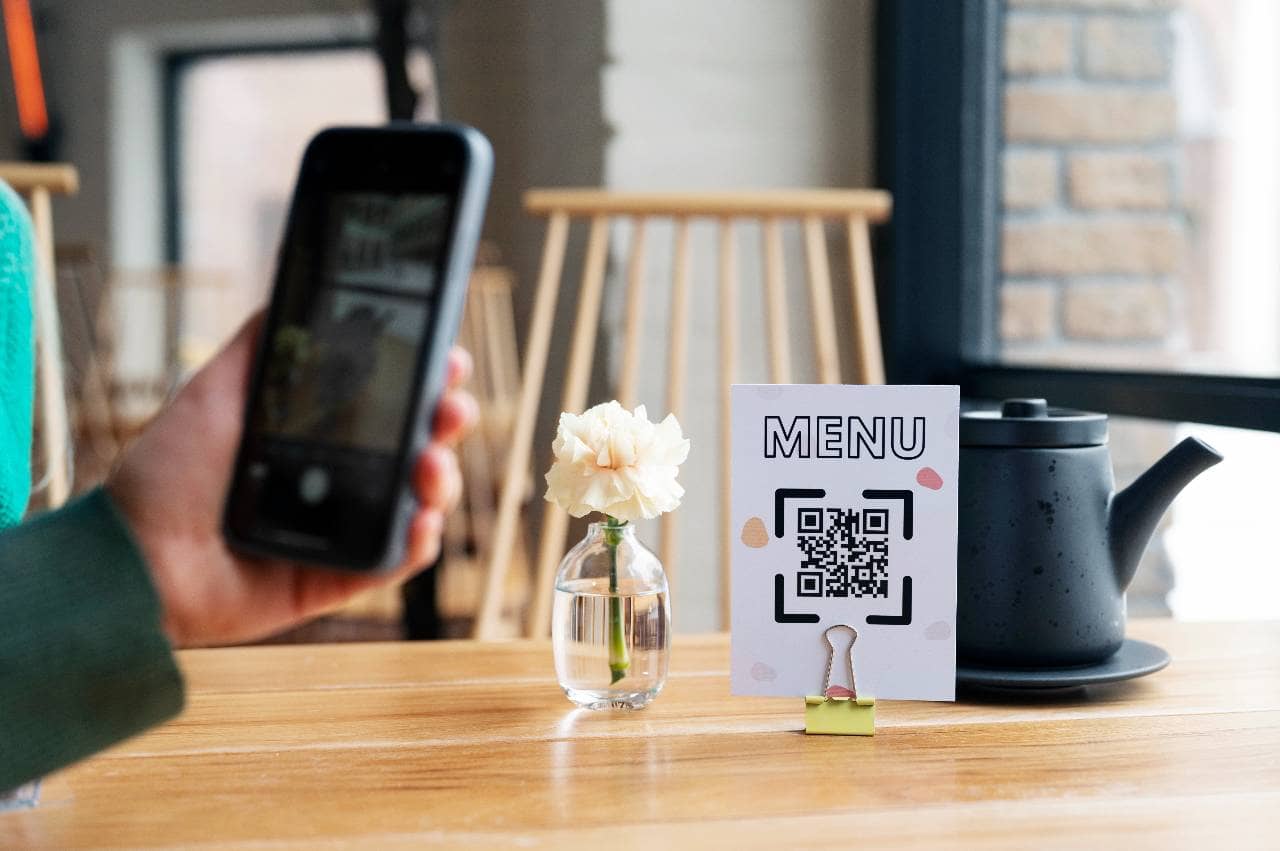
QR code menus let restaurants replace paper menus digitally, enabling instant updates, contactless browsing, ordering, and payment through simple smartphone scanning.
Sep 7, 2026

Avoiding common restaurant payroll mistakes - misclassification, tip credit errors, overtime miscalculations - protects businesses from costly penalties, back pay, and compliance risks.
Sep 4, 2026
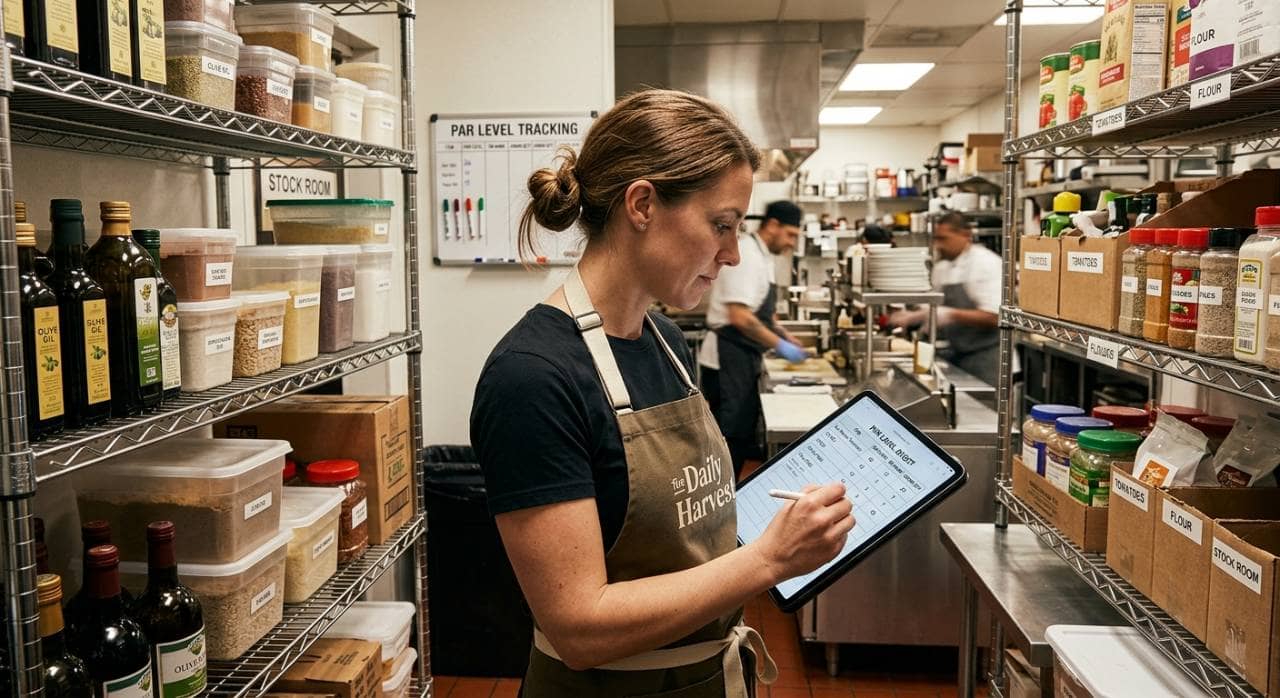
Learn to calculate par levels for restaurant food, beverages, and packaging inventory, preventing stockouts and waste through proper formulas.
Sep 4, 2026
Caribou Coffee appoints Zane Thomas-Rogers as Chief Operations Officer to strengthen execution across its expanding coffeehouse network.
Sep 4, 2026

Unlock Exclusive Access To Webinars, Events, And The Latest News For Free!
A warm, expert look at how mid-tier brands like Salad and Go chase Top 100 status through centralized supply, disciplined expansion, and price-conscious menus.

Photo by K8
Salad and Go sits at a quiet, almost comforting crossroads in the world of fast casual growth. In a space where bold openings often steal the spotlight, this brand seems to prefer a gentler ascent, one that favors ease, consistency, and a sense of hospitality that travelers feel after a long day. The momentum isn’t a jagged sprint; it’s a patient, steady cadence that expands a footprint while preserving the warmth of guest experience. The numbers are meaningful, but they’re also a mood: growth near 50 percent year over year, a 100-unit milestone achieved in 2023, and a May Las Vegas opening that underscored a centralized plan to speed future openings. What does this momentum whisper about the road toward the Top 100?
The ascent is anchored by leadership that understands the power of scale without losing guest trust. Since taking the helm in 2022, Morrison has carried a growth discipline refined at Wingstop and other brands. The strategy favors a centralized production model, a streamlined drive-thru workflow, and a value-driven menu capable of supporting rapid openings. It’s a blueprint built not just to add doors but to weave together unit growth with per-store economics. In that balance, the Top 100 looms as a real, reachable horizon rather than a distant milestone.
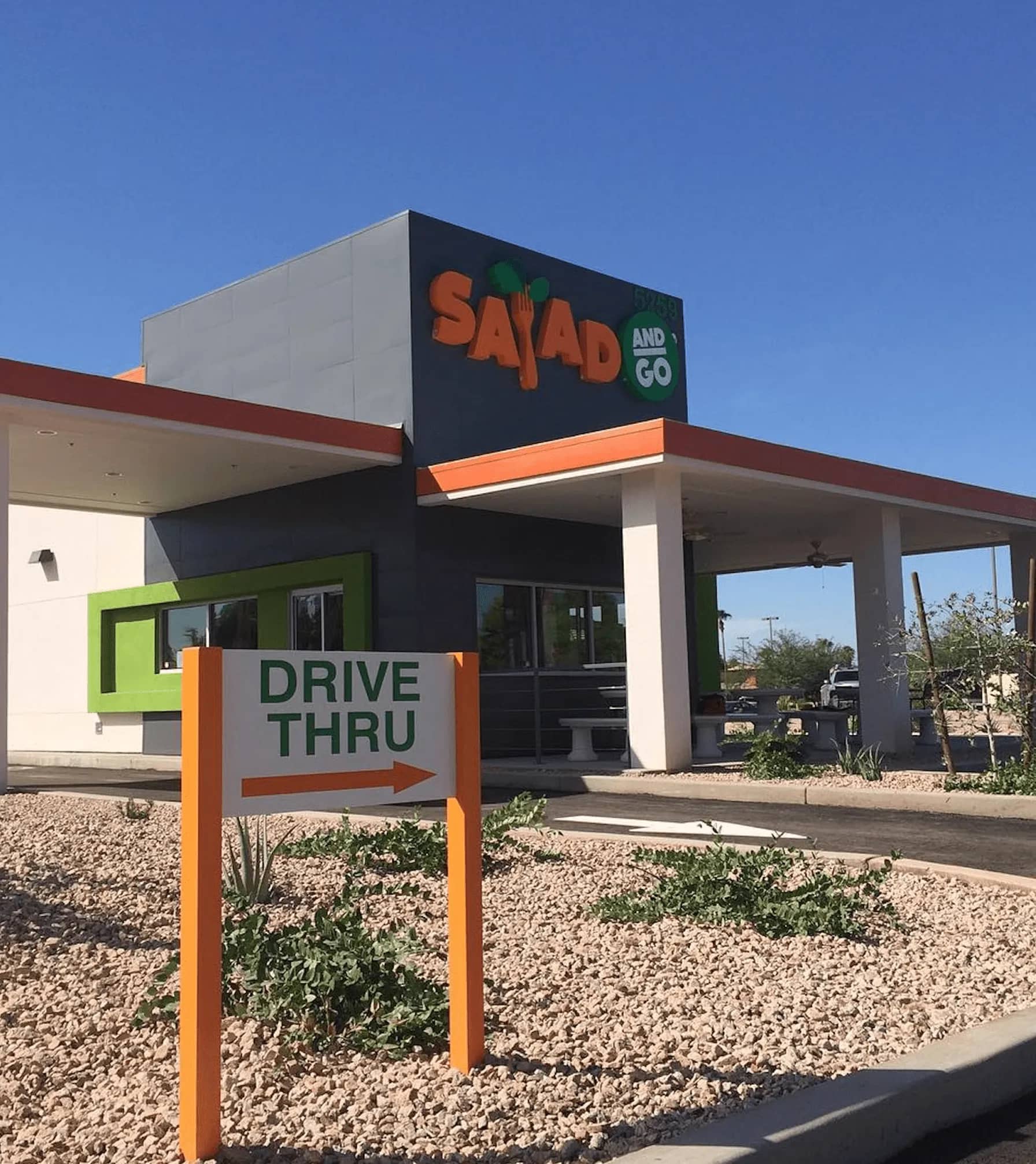
Salad and Go’s momentum is more than a headline; it’s a cohesive rhythm that signals the mid-tier cohort’s readiness to differentiate. The model, centralized production, streamlined drive-thru operations, and a price-conscious menu, offers a scalable playbook that other brands in the No. 200–151 band are studying as they chase Top 100 status. The evolution of this cohort will hinge on how quickly unit growth translates into sustainable same-store performance while real estate and operating costs are managed at scale. In that sense, the mid-tier becomes a laboratory for profitability as growth unfolds.
If the sector can convert expanding footprints into durable guest demand, the Top 100 is within reach for more brands. The playbook, centralized supply, predictable costs, and a menu that stays appealing as openings accelerate, offers a disciplined path forward. The mood is patient and practical: growth is a means to strengthen, not merely to populate, the map. For operators watching Salad and Go and its peers, the lesson is clear, scale with care, and let value do the talking as you move toward broader reach.
