
California Penalizes Dickey's for Franchise Disclosure Violations
California shifts to public enforcement strategy against Dickey's for deceptive franchise disclosures, signaling stricter state-level franchise oversight.
Franchising
Sep 10, 2026
California shifts to public enforcement strategy against Dickey's for deceptive franchise disclosures, signaling stricter state-level franchise oversight.
Sep 10, 2026
Paul Brown temporarily steps away from Inspire Brands as Scott Murphy assumes interim CEO role during confidential IPO filing process targeting late 2026.
Sep 10, 2026
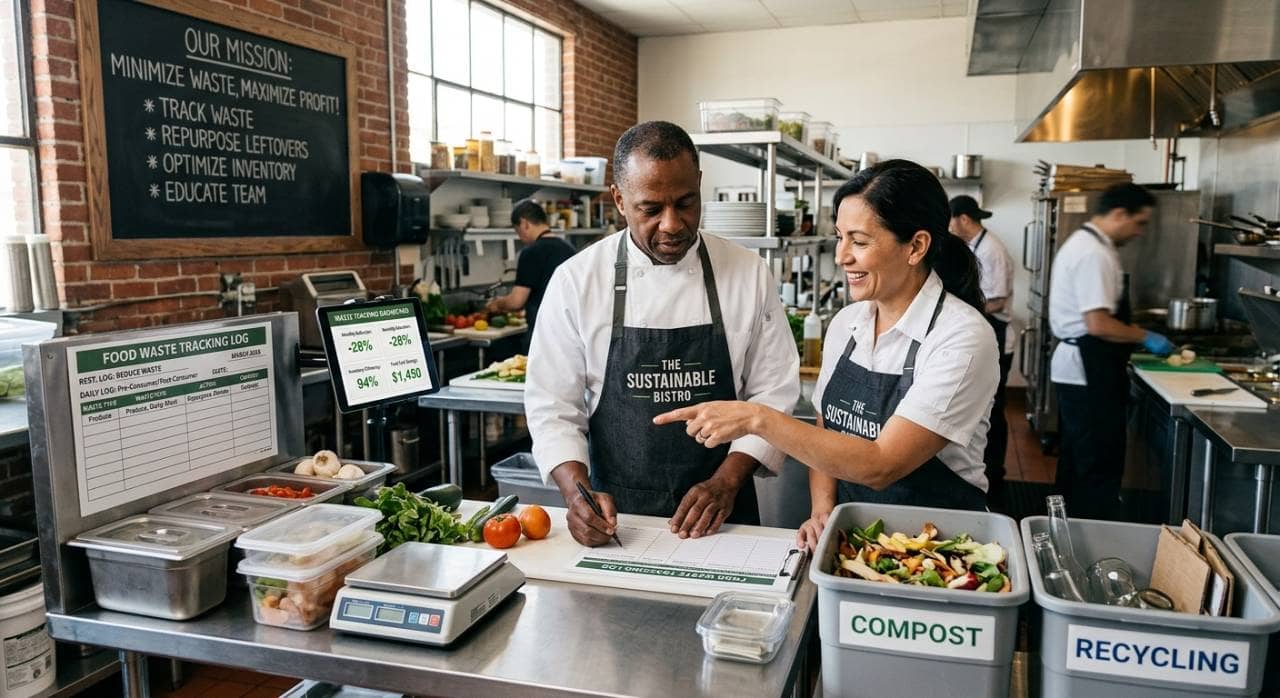
Learn how to reduce food waste in restaurants through smarter purchasing, storage, preparation, and service strategies that cut costs.
Sep 9, 2026
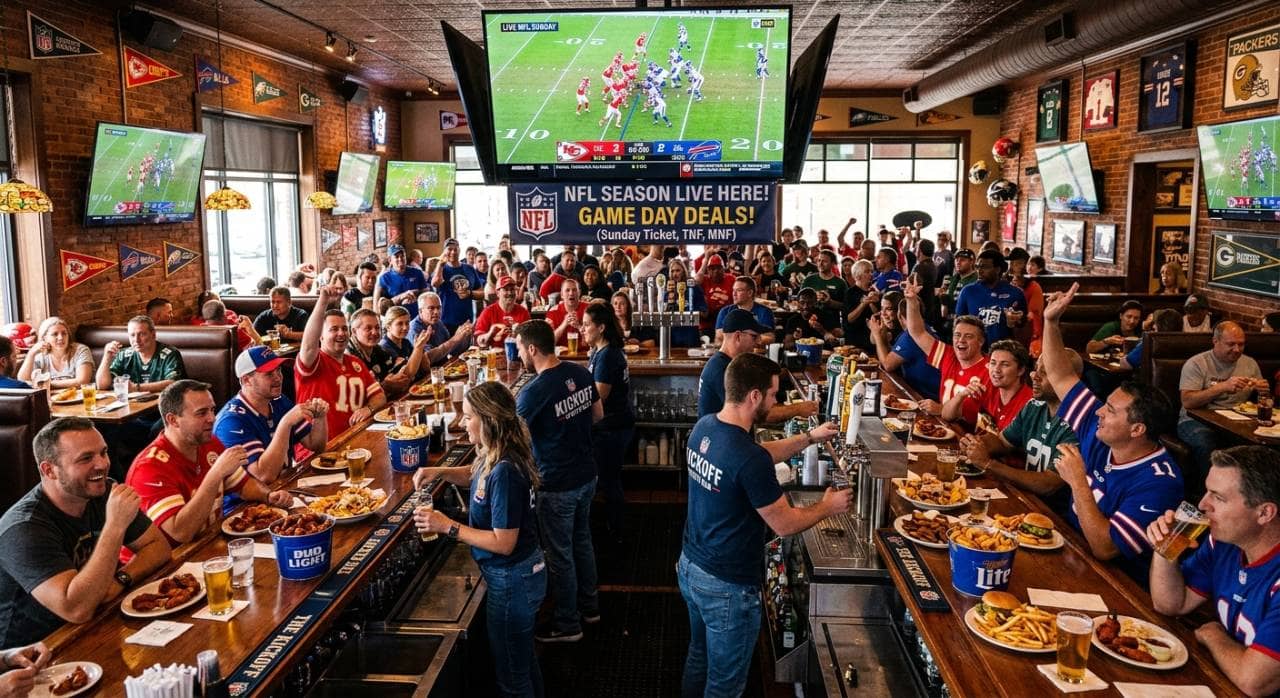
Prepare your restaurant for NFL season with smart menu planning, staffing, marketing, technology, and atmosphere strategies that boost season-long revenue.
Sep 9, 2026
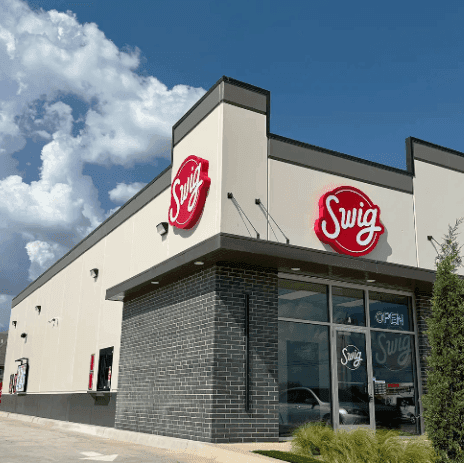
Swig signs franchise agreement for 11 South Denver locations, marking Colorado entry and validating its national expansion strategy.
Sep 8, 2026
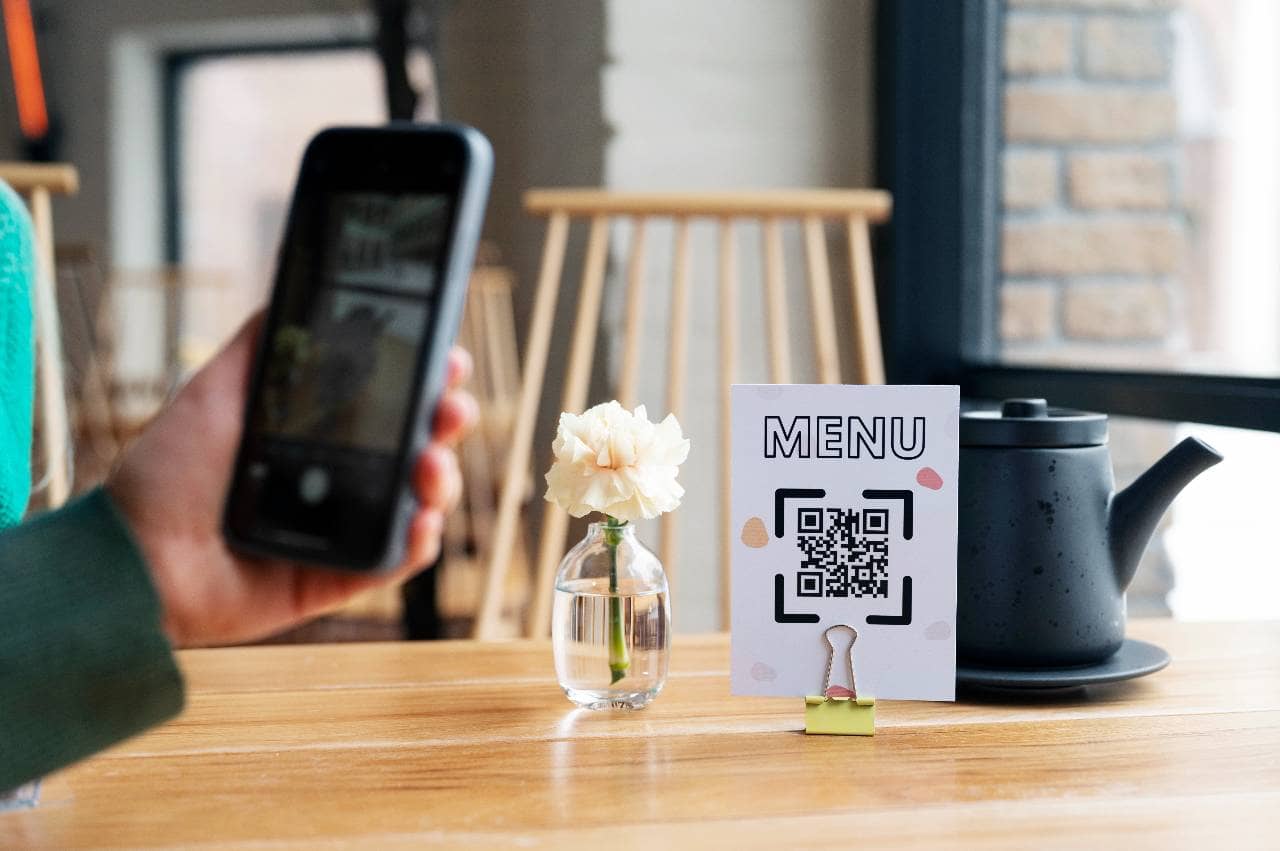
QR code menus let restaurants replace paper menus digitally, enabling instant updates, contactless browsing, ordering, and payment through simple smartphone scanning.
Sep 7, 2026
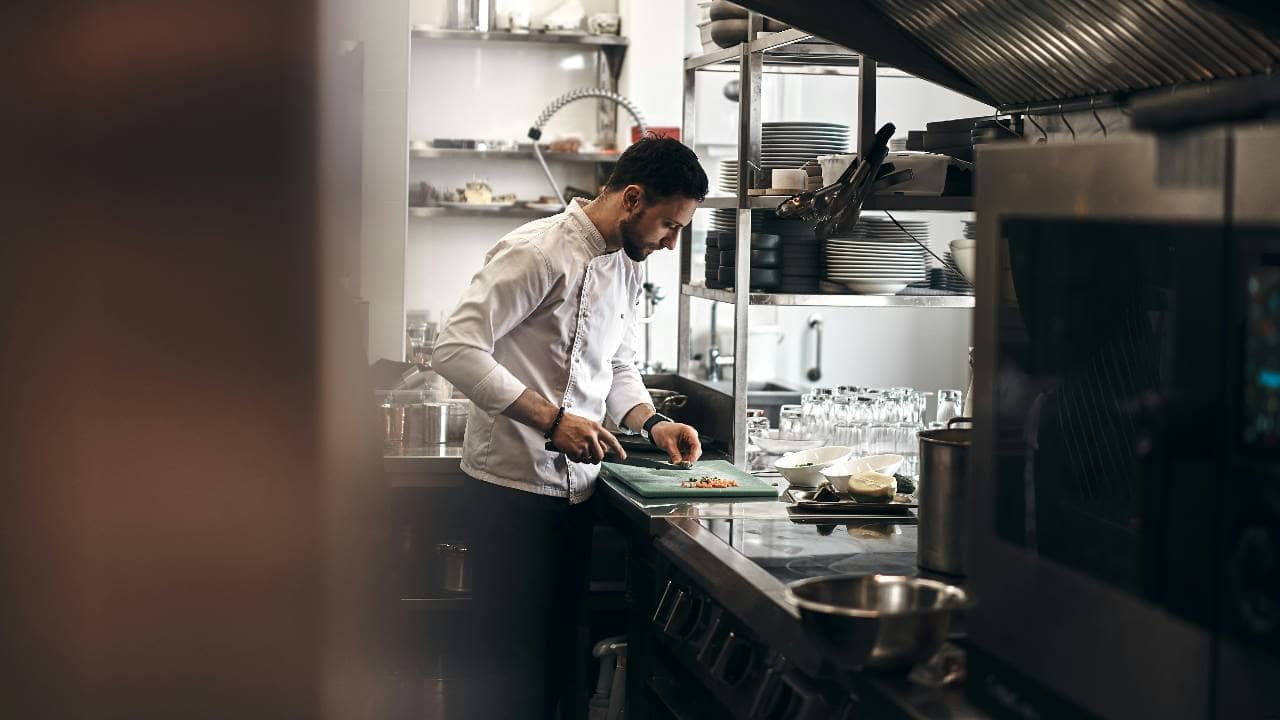
Complete guide helping restaurant owners choose essential kitchen equipment - covering cooking, refrigeration, prep, sanitation, ventilation, safety, and long-term maintenance planning.
Sep 7, 2026

Avoiding common restaurant payroll mistakes - misclassification, tip credit errors, overtime miscalculations - protects businesses from costly penalties, back pay, and compliance risks.
Sep 4, 2026
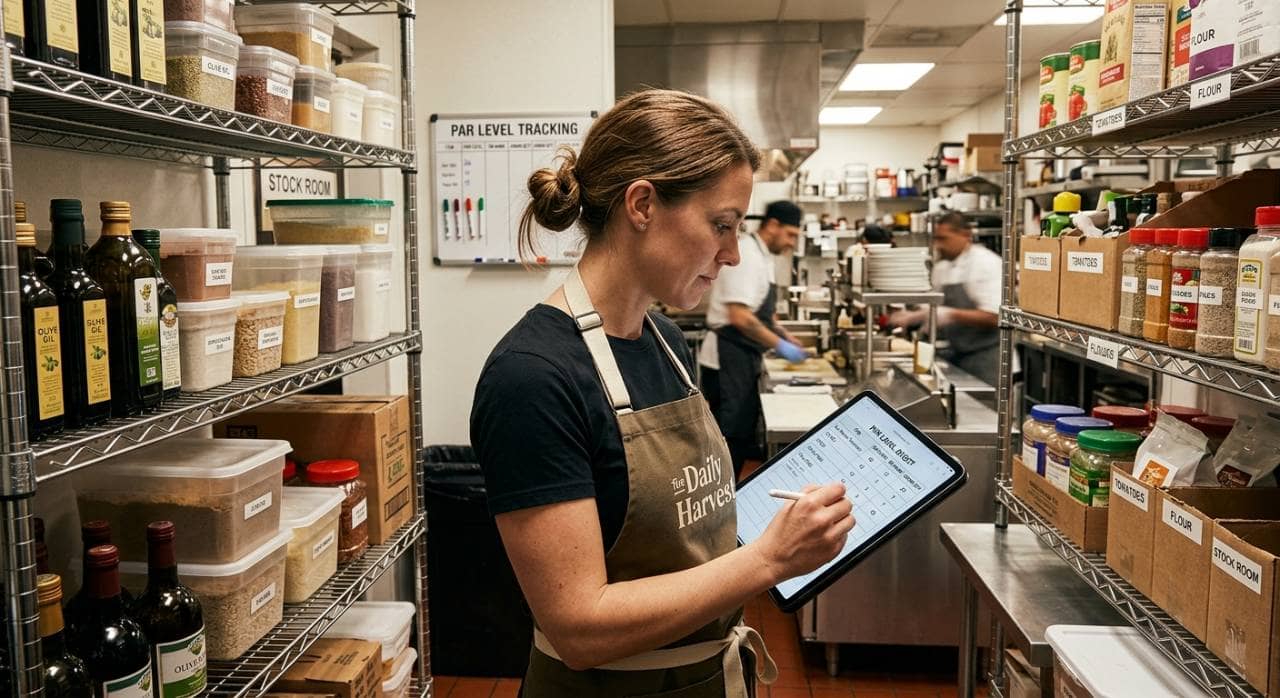
Learn to calculate par levels for restaurant food, beverages, and packaging inventory, preventing stockouts and waste through proper formulas.
Sep 4, 2026
Caribou Coffee appoints Zane Thomas-Rogers as Chief Operations Officer to strengthen execution across its expanding coffeehouse network.
Sep 4, 2026

Unlock Exclusive Access To Webinars, Events, And The Latest News For Free!
As Midwest cities shift populations, chefs return home, fueling a vibrant, multi-concept restaurant scene across Chicago, Columbus, Detroit, and beyond.

Photo by Sean Foster
Across 12 states, the Midwest is recalibrating its urban and culinary map. The region spans Illinois, Indiana, Iowa, Kansas, Michigan, Minnesota, Missouri, Nebraska, North Dakota, Ohio, South Dakota, and Wisconsin. In 2023, the Midwest accounted for 20.6% of the nation’s population, a touch lower than 20.8% in 2020. Nineteen Midwest cities exceed 500,000 residents, led by Chicago at roughly 9.3 million people by July 2023. Detroit stands at 4.3 million, while Minneapolis–St. Paul totals 3.7 million, and St. Louis about 2.8 million. Other major metros include Cincinnati, Kansas City, Columbus, and Cleveland, each edging toward about 2.2 million. Yet these metros face divergence: since April 2020, Chicago has declined by about 2%, Cleveland by 1.2%, and Detroit by 1.1%. Amid this downward tide, Des Moines, Iowa, stands out with a 3.9% increase, marking it as the fastest-growing city in the region. As population patterns shift, these metrics frame opportunities and challenges for the Midwest’s urban cores, and for the restaurants that depend on them.
What this means for dining, A set of urban centers with rising demand meets an established base of culinary talent. The shift signals a moment for sourcing, ingredients, and mindful dining to connect local farms, regional producers, and emerging multi-concept ventures. The landscape invites a thoughtful, nourishing approach to building menus that honor place, season, and community health, while remaining adaptable to changing foot traffic and labor realities. The conversation begins with who is cooking and where they source their greens, grains, and grains of care.
The result is a region weaving balanced, nourishing plates through collaboration and local pride, with Chicago as a catalyst and the Midwest as an ecosystem.

Chicago remains a magnet for culinary experimentation, with Alinea at the forefront of avant-garde dining and serving as a training ground for chefs who later shape their own ventures. In recent years, a notable trend has brought Midwest-born chefs back to their roots, drawn by lower rents, a more sophisticated local dining audience, and robust community support for homegrown talent. This return migration has fortified the Midwest’s culinary infrastructure and catalyzed a wave of multi-concept operations across Columbus, Cincinnati, Cleveland, Detroit, Indianapolis, Milwaukee, Omaha, St. Louis, and the Twin Cities. This reinvestment, paired with an energetic urban culture, underpins a broader Midwest culinary renaissance and signals a region rapidly evolving toward a modular ecosystem of concepts and collaborations. The pattern is reinforced by industry observers who point to a growing density of multi-concept operators headquartered in Chicago and beyond, fueling innovation and resilience across the region.
What this return means for operators, Lower rents and a more sophisticated dining audience reduce barriers for new concepts while empowering veterans who want to stay close to family, suppliers, and community. The trend supports a wave of multi-concept operations across the Midwest and helps sustain a network of chefs who can launch independent ventures while sharing resources, training, and mentorship. This is not a retreat but a reinvestment in a regional culinary infrastructure, where collaboration becomes the operating system for growth.

The mechanics of revival in the Midwest hinge on a mix of real estate dynamics, evolving consumer tastes, and a frontier-agnostic approach to hospitality. A data-driven landscape shows lower real estate costs in many growing markets, allowing ambitious chefs to experiment with pricing, formats, and locations. Local dining preferences have matured, enabling more sophisticated menus and higher service expectations from a broader customer base. Regional pride in homegrown talent further lowers barriers to entry for new concepts, while supporting existing operators as they scale and diversify. Across the region, these factors converge to empower chefs who once relocated to coastal markets to return home and reboot their careers closer to family, suppliers, and community. This structural shift is evident in the rise of sophisticated dining ecosystems in Columbus, Cincinnati, Cleveland, Detroit, and the Twin Cities, alongside Chicago’s long-standing leadership in culinary innovation.
Why it matters, A data-informed Midwest mobilizes talent, keeps real estate viable for new concepts, and aligns menus with local producers. The synthesis of affordable spaces, evolving palates, and regional pride creates a healthier pipeline for restaurants that want to experiment without sacrificing sustainability or quality. The goal is a sustainable, nourishing dining economy that can weather changing markets while celebrating place and craft.
The Midwest’s dining narrative is increasingly shaped by leaders who speak to the region’s unique advantages. Grant Achatz, the chef behind Alinea and other concepts, has described a trajectory of growth and reinvention that mirrors the region’s broader story. The Alinea Group, which also operates Next, the Aviary, and Roister, embodies how a single portfolio can drive culinary experimentation while supporting a wide circle of chefs who launch independent ventures. Achatz has emphasized that 'Innovation, Artistry, Resilience: Looking Back at Two Decades of Alinea' and reflecting on how the industry's dynamics have shifted since 2005. In related developments, the rise of multi-concept groups across the Midwest, from Chicago to Columbus, illustrates a regional ecosystem where diverse offerings and shared operational platforms can weather market fluctuations and labor challenges. These movements underscore a broader industry shift toward collaborative growth and local entrepreneurship.
What this leadership means for operators, The region’s leaders model how collaborative growth and local entrepreneurship can accelerate experimentation while delivering consistent experience. Alinea’s example shows how a single portfolio can support chefs launching independent concepts, sharing resources and mentorship to strengthen the broader ecosystem. The result is a culture that values resilience, ongoing reinvention, and the courage to infuse local identity into every concept.

Beyond Chicago, a cluster of markets across the region, is anchoring a broader culinary expansion. Industry observers point to Columbus, Cincinnati, Cleveland, Detroit, Indianapolis, Milwaukee, Omaha, St. Louis, and the Twin Cities as centers of multi-concept operations and reinvestment in culinary infrastructure. For example, Columbus has emerged as a Midwest growth leader, with the metro area adding thousands of residents and reporting growth rates that outpace the national average in recent years. Such momentum reinforces the idea that the Midwest is developing a more diverse and resilient dining economy, capable of supporting a range of concepts from fine dining to high-volume casual and pop-up formats.
What it means for tomorrow, A more dynamic dining economy invites neighborhood concepts, cross-market collaborations, and training-oriented growth. Even as some cities face population pressures, the Midwest’s momentum suggests a durable foundation for a broader, more creative landscape where sustainability, sourcing, and community support stay centered in every plate.
