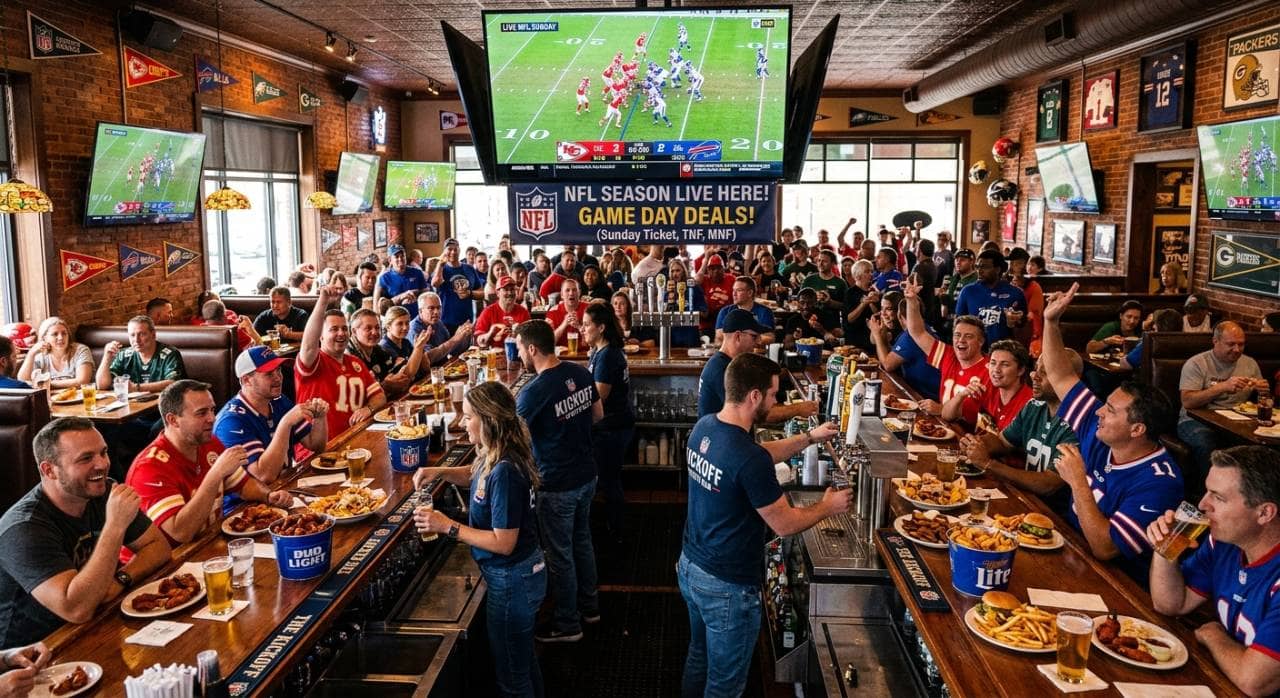
How to Prepare Your Restaurant for the NFL Season
Prepare your restaurant for NFL season with smart menu planning, staffing, marketing, technology, and atmosphere strategies that boost season-long revenue.
Marketing
Sep 9, 2026
Prepare your restaurant for NFL season with smart menu planning, staffing, marketing, technology, and atmosphere strategies that boost season-long revenue.
Sep 9, 2026
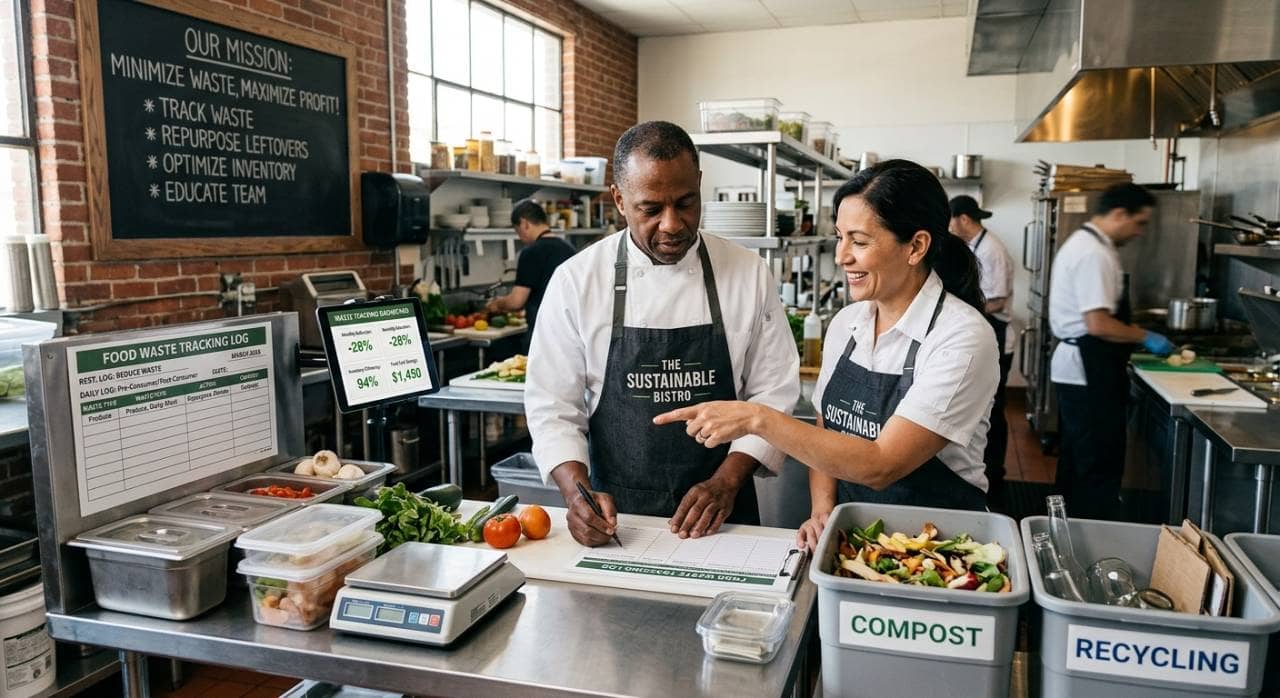
Learn how to reduce food waste in restaurants through smarter purchasing, storage, preparation, and service strategies that cut costs.
Sep 9, 2026
Swig signs franchise agreement for 11 South Denver locations, marking Colorado entry and validating its national expansion strategy.
Sep 8, 2026
Complete guide helping restaurant owners choose essential kitchen equipment - covering cooking, refrigeration, prep, sanitation, ventilation, safety, and long-term maintenance planning.
Sep 7, 2026
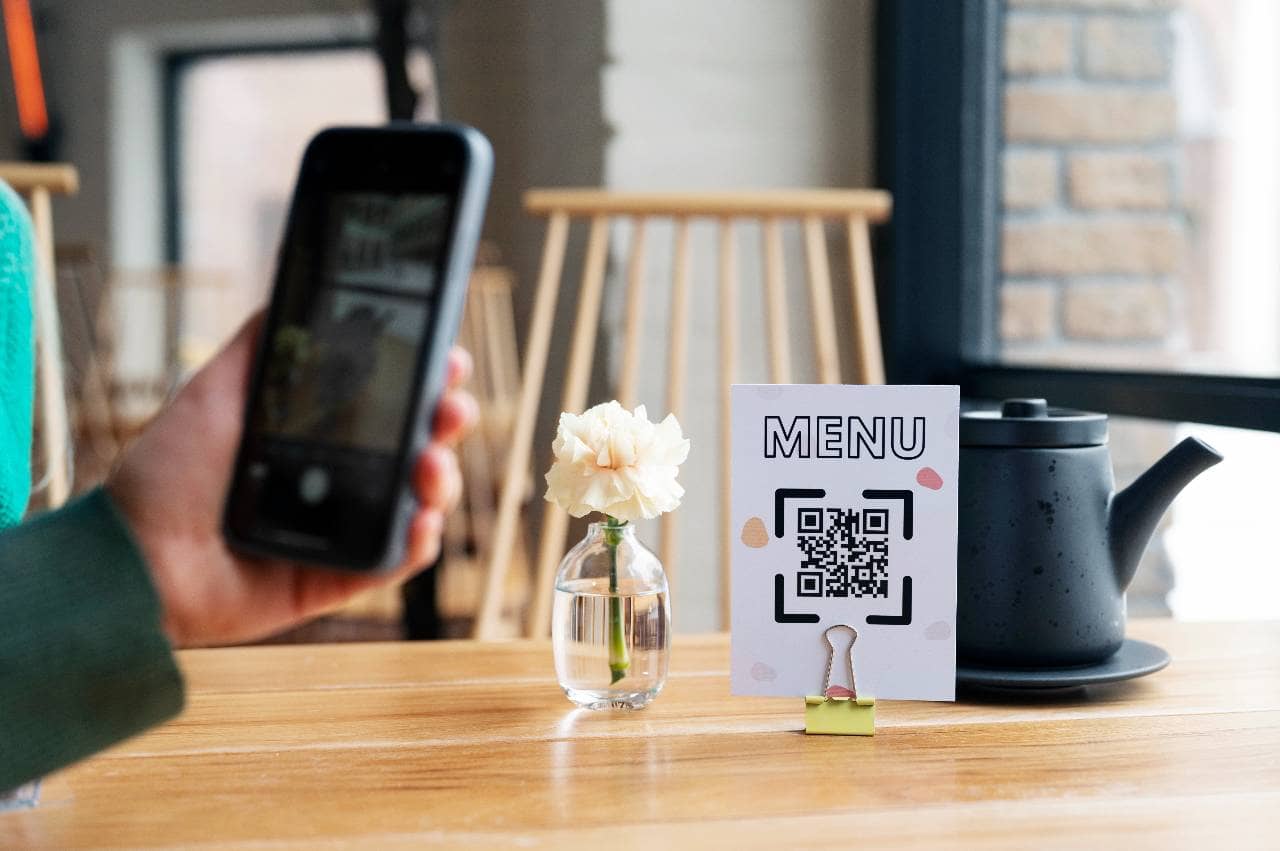
QR code menus let restaurants replace paper menus digitally, enabling instant updates, contactless browsing, ordering, and payment through simple smartphone scanning.
Sep 7, 2026

Avoiding common restaurant payroll mistakes - misclassification, tip credit errors, overtime miscalculations - protects businesses from costly penalties, back pay, and compliance risks.
Sep 4, 2026
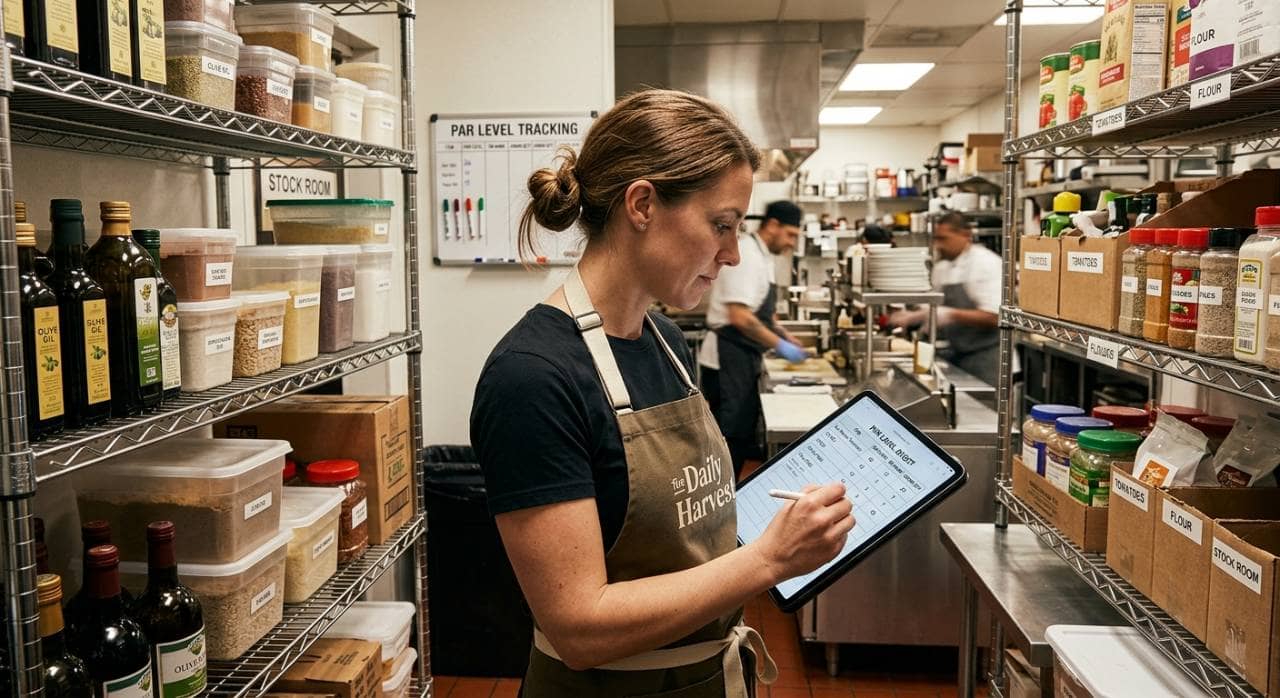
Learn to calculate par levels for restaurant food, beverages, and packaging inventory, preventing stockouts and waste through proper formulas.
Sep 4, 2026
Caribou Coffee appoints Zane Thomas-Rogers as Chief Operations Officer to strengthen execution across its expanding coffeehouse network.
Sep 4, 2026

Compare the top 10 restaurant POS systems in the USA for 2026. Explore features, pricing, pros, cons, and the best POS options for every restaurant type.
Jul 1, 2026

Learn how to handle restaurant payroll yourself, from calculating hours and wages to managing tips, taxes, and final paychecks.
Sep 2, 2026

Unlock Exclusive Access To Webinars, Events, And The Latest News For Free!
A wave of KFC closures under EYM Group tests communities and signals broader restructuring across franchise holdings, with layoffs and asset sales on the horizon.

Photo by Kevin kevin
On a late summer afternoon, a window sign glowed with the familiar red and white of a KFC that once fed families, favorites, and quick, comforting meals. In those small moments, when the drive-thru speaker hums softly, when the corner chair wears the weight of a neighbor's easy chatter, news travels differently in a town where a single restaurant can feel like a shared habit. The shuttering of a string of Midwest locations isn't just a business story; it's a quiet shift in daily life, a pause in a routine that many of us lean on during busy days. The mood is gentle, yet the impact is loud: people must adapt to absence, and memories stay. What happened, and why, is unfolding across three states:
Public records show about 25 KFC restaurants shuttered across Illinois, Indiana, and Wisconsin this week, all operating under EYM Chicken Operations, the KFC franchise arm of EYM Group. Yum Brands publicly acknowledged the closures as a difficult decision, offering limited detail. The swift wave of shutdowns punctuated a larger pattern of strain within the multi-brand portfolio, underscoring how a single franchise family can ripple through communities that rely on its jobs and quick-service steadiness. For residents who swing by for a cup of coffee and a familiar fried-chicken scent, the changes hit like a soft, unwelcome gust in a familiar cafe. The news invites questions about what comes next for the stores, workers, and the towns that depend on them.
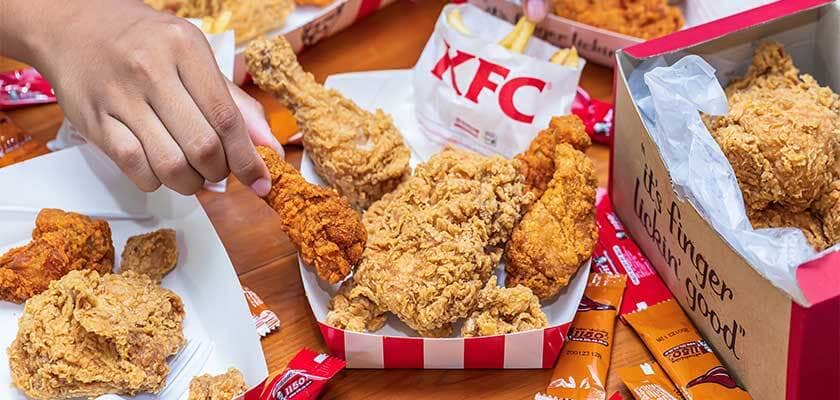
Beyond the Midwest shutterings, the story traces a broader footprint. EYM Chicken Operations, the KFC arm of the Irving, Texas–based EYM Group, once operated a substantial network across Illinois, Indiana, and Wisconsin as part of a larger multi-brand portfolio. The episode sits within a pattern of distress that has touched other brands in the group, including Pizza Hut holdings, and it signals a broader restructuring that has included bankruptcy activity and asset sales. In Indiana, the WARN notices reveal a human toll: 193 laid-off workers as part of the wind-down. The numbers sketch a map of upheaval that goes beyond a single brand.
The broader picture includes references to bankruptcy activity and asset sales across EYM’s restaurant brands, with a notable move to sell Panera Bread units woven into the reorganizational actions tied to the conglomerate’s restructuring. Alongside these corporate tides, Fortress Investment Group signaled leadership changes at Red Lobster: Damola Adamolekun would become Red Lobster’s chief executive upon court approval of the company’s Chapter 11 plan. Separately, Bloomin’ Brands named Michael L. Spanos as its next CEO, succeeding David Deno. The frame is one of financial recalibration crossing multiple brands.

The shutdowns rolled out in August 2024, with public notices and local reporting detailing the scale of impact. In Indiana, the WARN notice outlined a timeline through the end of August, and Wisconsin and Illinois locations were included in the mass wind-down as well. Coverage noted that the closures began with a wave of store shutoffs and accompanied layoffs for affected employees, underscoring the operational shock to the franchised system. The practical rhythm of a town changing its routine becomes harder to overlook when the storefronts blink out in a hurry.
For the people who counted on those sites, workers rushing to cover shifts, families balancing budgets, neighbors stopping for a quick bite, the wind-down felt personal. Public notices framed the event in legal terms, while the street spoke in softer tones: a doorway left ajar, a schedule changed, a corner menu no longer present. The moment invites a broader question about how communities anchor themselves when a familiar stop disappears from the daily map.
Local reporting captured a tangible sense of loss at the shuttered sites, including signs in Wisconsin that read, 'It is with mixed emotions that we announce the closure of our store,' a gentle reminder of the personal stakes behind the headlines. Yum Brands publicly framed the Midwest closures as a difficult decision, while offering little more detail. Community outlets described the ensuing impact on workers and customers who relied on these outlets for jobs and convenience, highlighting how a single chain can shape a town's rhythm and a family’s routine.
As employees faced uncertainty and storefronts closed their doors, residents looked for signs of rebuilding: new opportunities, different concepts, and the quiet hope that a corner that once fed a neighborhood could find a different kind of warmth. The corporate notes about difficult decisions coexist with a public conversation about how to balance franchisee autonomy with the oversight that sustains brands across the country. In those conversations, the heart of hospitality, the idea that a space can comfort, welcome, and sustain, remains a yardstick for what comes next.
Despite extensive coverage, several specifics remain unclear. The exact mechanics and underlying reasons for each KFC closure have not been publicly confirmed in detail, and local reports describe an unforeseen business circumstance without a fuller accounting of the factors at play. Public documents suggest ongoing restructurings within EYM’s broader restaurant holdings, signaling that further portfolio changes and potential asset sales could follow. As the sector watches leadership transitions at other major brands, observers expect continued focus on financial viability, labor implications, and the balancing act between franchisee autonomy and corporate oversight.
For operators and investors, the episode reinforces the need to monitor capital allocation, franchisor–franchisee dynamics, and the pace of innovations, from value-led menus to drive-thru redesigns and nostalgia-driven offerings, that shape consumer choice and long-term profitability. As brands navigate inflation, labor pressures, and shifting dining habits, the coming quarters will test which strategies deliver sustainable growth amid ongoing disruption. The soft glow of resilience, after all, is most clearly felt in the rooms that welcome us home, even when a storefront has closed its doors.
