California Penalizes Dickey's for Franchise Disclosure Violations
California shifts to public enforcement strategy against Dickey's for deceptive franchise disclosures, signaling stricter state-level franchise oversight.
Franchising
Sep 10, 2026
California shifts to public enforcement strategy against Dickey's for deceptive franchise disclosures, signaling stricter state-level franchise oversight.
Sep 10, 2026
Paul Brown temporarily steps away from Inspire Brands as Scott Murphy assumes interim CEO role during confidential IPO filing process targeting late 2026.
Sep 10, 2026

Learn how to reduce food waste in restaurants through smarter purchasing, storage, preparation, and service strategies that cut costs.
Sep 9, 2026
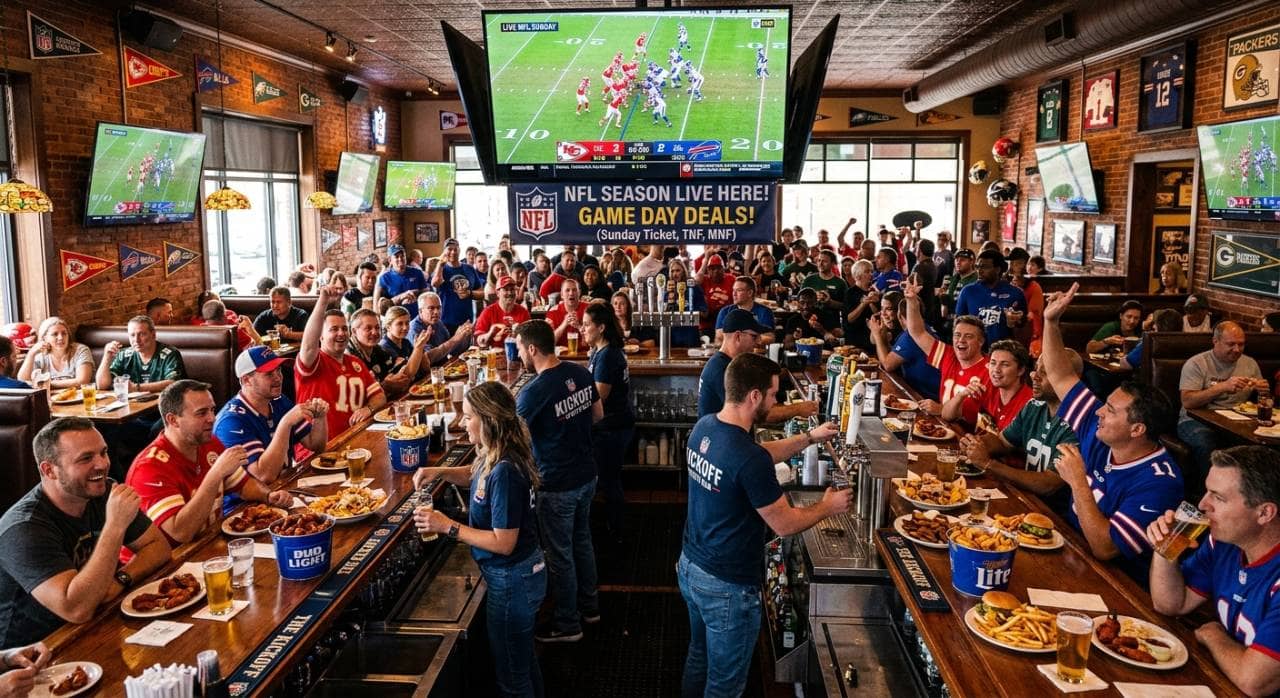
Prepare your restaurant for NFL season with smart menu planning, staffing, marketing, technology, and atmosphere strategies that boost season-long revenue.
Sep 9, 2026
Swig signs franchise agreement for 11 South Denver locations, marking Colorado entry and validating its national expansion strategy.
Sep 8, 2026

Complete guide helping restaurant owners choose essential kitchen equipment - covering cooking, refrigeration, prep, sanitation, ventilation, safety, and long-term maintenance planning.
Sep 7, 2026

QR code menus let restaurants replace paper menus digitally, enabling instant updates, contactless browsing, ordering, and payment through simple smartphone scanning.
Sep 7, 2026

Avoiding common restaurant payroll mistakes - misclassification, tip credit errors, overtime miscalculations - protects businesses from costly penalties, back pay, and compliance risks.
Sep 4, 2026
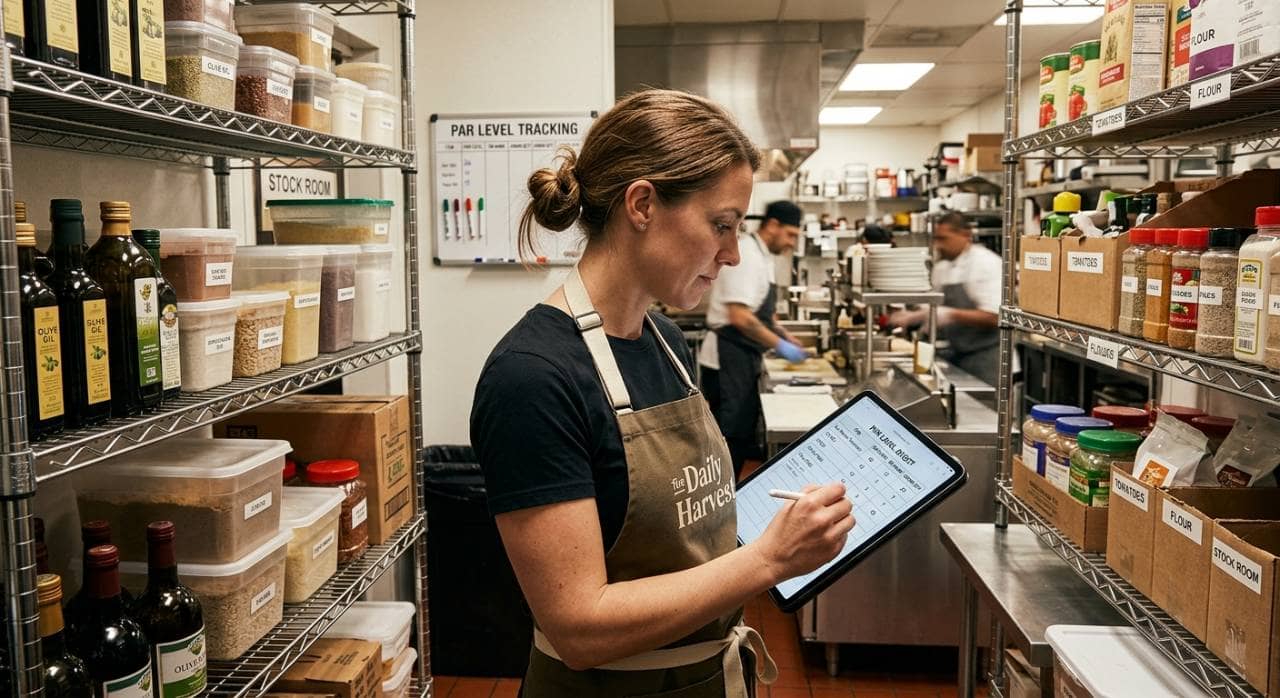
Learn to calculate par levels for restaurant food, beverages, and packaging inventory, preventing stockouts and waste through proper formulas.
Sep 4, 2026
Caribou Coffee appoints Zane Thomas-Rogers as Chief Operations Officer to strengthen execution across its expanding coffeehouse network.
Sep 4, 2026

Unlock Exclusive Access To Webinars, Events, And The Latest News For Free!
A temporary tip deduction lowers federal income tax for tipped workers from 2025 through 2028, while payroll taxes on tip income remain unchanged.

Photo by Dan Gold
From the dining room to the ledger, a policy arrives with the finesse of a tasting menu: meticulous, purposeful, and quietly transformative. No Tax on Tips reshapes how generosity is priced in the ledger, a temporary deduction embedded in the One Big Beautiful Bill Act that promises relief for those who rely on gratuities. Through 2028, tipped workers may shave federal income tax by as much as $25,000, a generous gesture that sits on top of the familiar payroll duties that fund Social Security and Medicare. It is a measured instrument, inviting discussion about balance, not a revolution, and the dining room becomes a stage for this nuanced drama.
The deduction travels a defined path. It is capped at $25,000 per return and applies to qualified tips reported for tax years 2025 through 2028. Importantly, the policy does not rewrite payroll duties: tip income remains subject to employer and employee Social Security and Medicare taxes. The relief is also limited by income: the deduction phases out as modified adjusted gross income rises, beginning at MAGI thresholds of 150,000 for individuals and 300,000 for joint filers, fading away as income climbs. In a measured assessment, Congress designs a temporary mercy within a broader, still steady tax framework.
In the service arena, tips are compensation, not gifts. They enter the tax code as earnings to be reported and taxed. Customers may hand cash tips, add tips to a card, or send them via digital wallets. The rules distinguish three forms: cash tips, non-cash tips, and service charges. Cash tips and linked gratuities are the core focus for income reporting, while non-cash tips are taxable for income but do not trigger payroll tax reporting. Service charges, by contrast, are automatic restaurant fees treated as regular wages, with separate reporting rules. The enduring rule remains: cash tips totaling 20 or more per month from a single employer must be reported to the employer.
These distinctions are not mere bookkeeping bells and whistles; they channel how tip and wage income flows into payroll and filings. They establish the footing for how staff report, how managers withhold, and how the tax system interprets the generosity that diners extend to service teams.

On the floor, tip reporting demands discipline as part of daily life. Employees must keep a daily tip record and report monthly by the 10th of the following month so that withholding reflects actual tip income. If monthly tips total at least 20, Form 4070 is used to report to the employer, while Form 4137 is used on the individual return to compute any additional Social Security and Medicare tax on unreported tips. Employers shoulder the duty of collecting tip reports, withholding and remitting payroll taxes on tip income, and filing Form 8027 annually for large establishments. Allocated tips appear on W‑2 forms but are not taxed at the time of allocation.
Allocation adds another layer. Allocated tips, which occur when reported tips fall short of 8 percent of gross receipts, appear on employees’ W-2 forms but are not subject to income or payroll taxes at the moment of allocation. For large establishments, Form 8027 remains a central instrument, with possible allocations based on hours worked, gross receipts, or another IRS-approved method. The mechanics are intricate, yet they are designed to keep payroll honest and tax filings transparent across a crowded floor, from the busser to the maître d’.
Voices and official rulings anchor the policy. The Internal Revenue Service emphasizes that qualified tips are voluntary cash or charged tips received from customers, including shared tips. The agency notes that the no tax on tips deduction can be claimed even if the taxpayer does not itemize, and that the deduction is available for tax years 2025 through 2028 with a cap of 25,000 per return and a MAGI-based phase-out. Early 2026 materials and related notices lay out how tip income is taxed, including how allocated tips appear on W‑2 forms and how service charges differ from tips.
Taken together, the guidance frames a practical equation: claim the deduction only when tips are properly reported, while payroll taxes continue to apply to tip income. The deduction stands regardless of itemizing, and it interacts with credits and other payroll considerations within a broader tax plan. The IRS materials released in the period also clarify that service charges are distinct from tips and that allocated tips receive special treatment on annual forms. These clarifications help restaurants and staff navigate the temporary landscape with greater assurance.
Industry context places the policy within a vast workforce. Yale Budget Lab’s 2023 estimate pegs workers in tipped roles at roughly 4 million, a figure that anchors the policy in everyday kitchen life. The administration and the IRS have issued guidance to align tip reporting with the new deduction and related credits, including potential credits against employer payroll taxes paid on tips. Large establishments may qualify for the FICA tip credit when tips exceed the baseline wage, and Form 8027 remains a fixture for annual reporting.
Gaps persist and risk remains tangible. Publication guidance notes that Form 4070A, the traditional daily diary, has given way to newer records, and robust tip-recording practices are essential to withstand scrutiny. Employers should maintain rigorous tip records and be prepared for IRS examinations; noncompliance can trigger penalties, back taxes, and, in cases of deliberate misreporting, criminal penalties. The IRS underscores a stark consequence: penalties up to 50 percent of the unreported Social Security and Medicare taxes loom over those who misstep, reminding readers that accuracy is not merely administrative but protective.