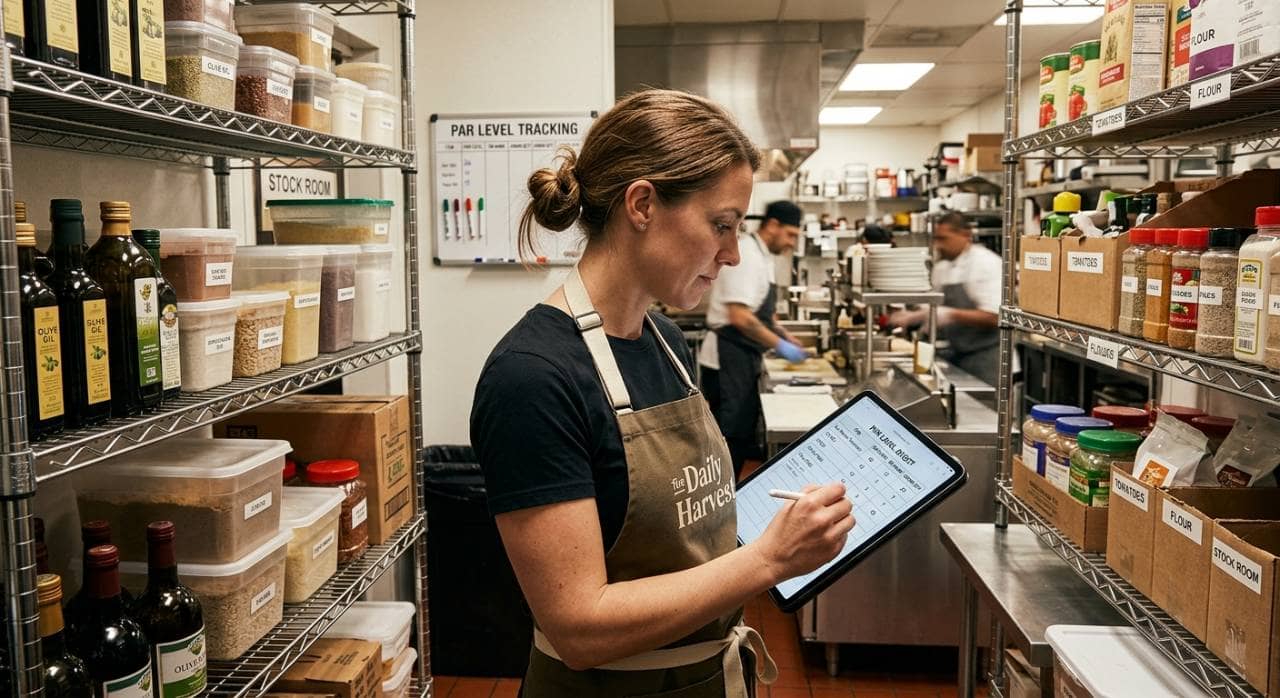
How to Set Par Levels for Restaurant Inventory
Learn to calculate par levels for restaurant food, beverages, and packaging inventory, preventing stockouts and waste through proper formulas.
Back Office
Sep 4, 2026
Learn to calculate par levels for restaurant food, beverages, and packaging inventory, preventing stockouts and waste through proper formulas.
Sep 4, 2026
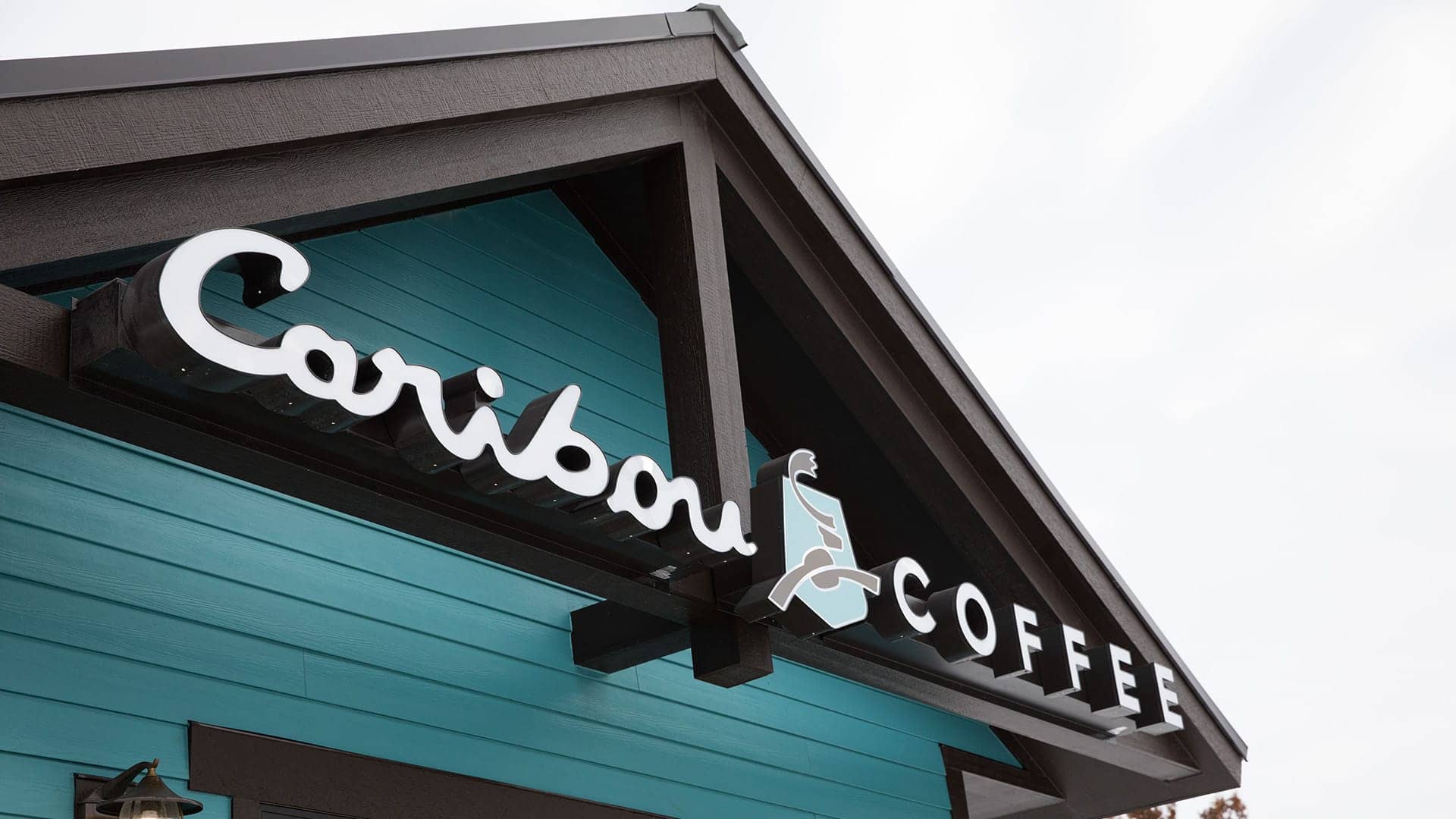
Caribou Coffee appoints Zane Thomas-Rogers as Chief Operations Officer to strengthen execution across its expanding coffeehouse network.
Sep 4, 2026

Compare the top 10 restaurant POS systems in the USA for 2026. Explore features, pricing, pros, cons, and the best POS options for every restaurant type.
Jul 1, 2026

Learn how to handle restaurant payroll yourself, from calculating hours and wages to managing tips, taxes, and final paychecks.
Sep 2, 2026
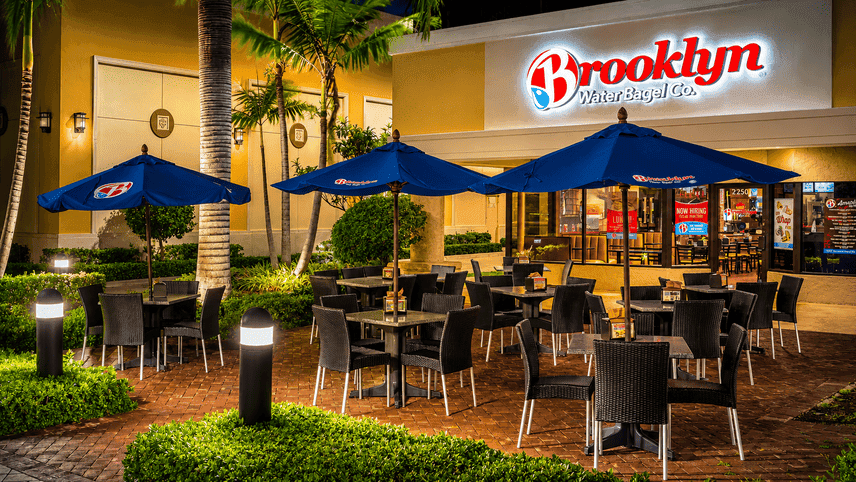
Brooklyn Water Bagel launches its first campus eatery at Nova Southeastern, signaling strategic growth and fresh potential for multi-unit operators seeking new market wins.
Sep 2, 2026
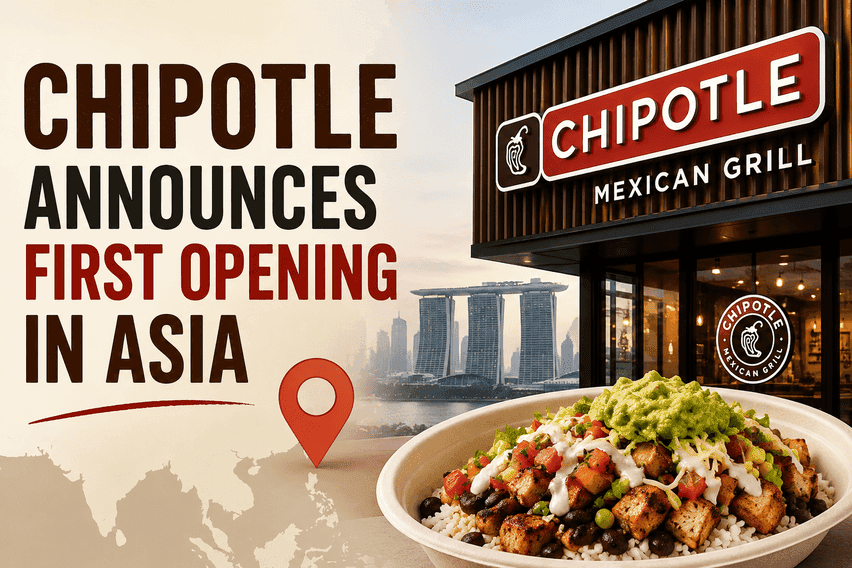
Chipotle makes its highly anticipated entry into Asia with a Seoul opening, partnering with Sangmidang Holdings and setting a template for future international growth.
Sep 2, 2026
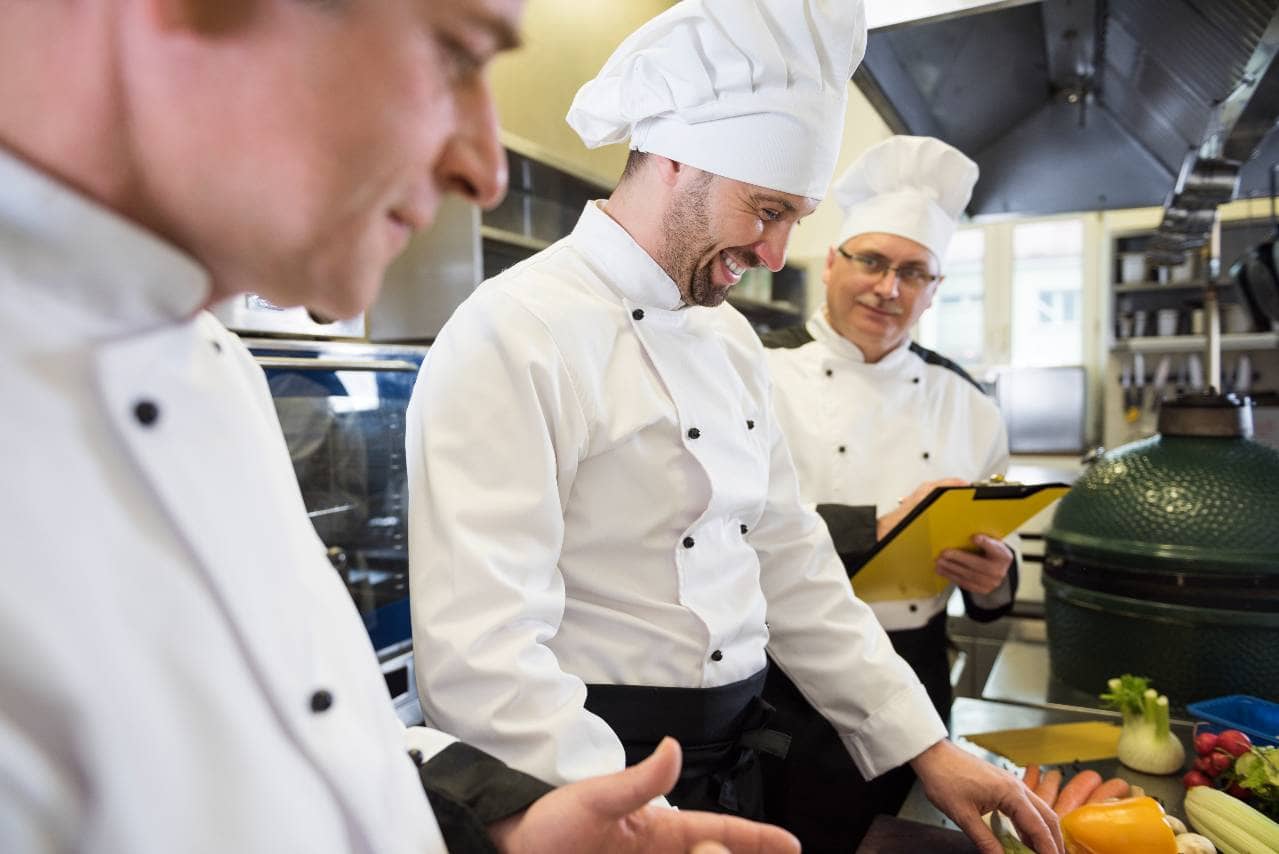
Restaurant labor management helps owners optimize staffing, control labor costs, improve productivity, monitor overtime, and maintain efficient restaurant operations.
Sep 2, 2026
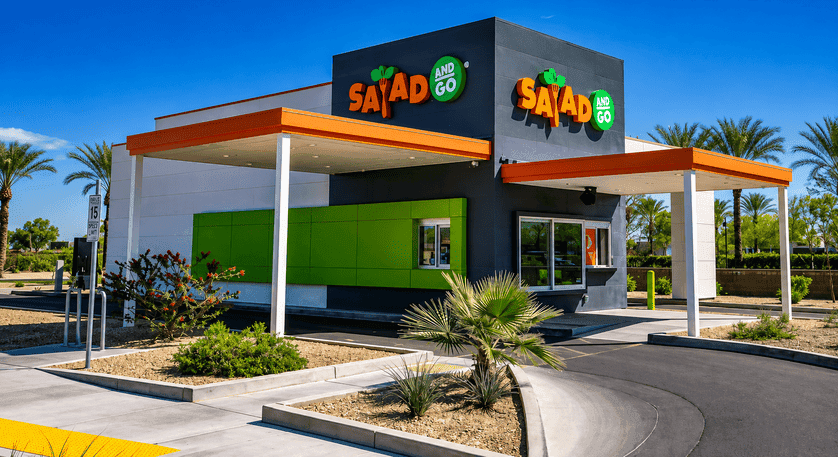
7 Brew has acquired 73 former Salad and Go locations, surpassing Dutch Bros with a $143M bid, signaling a major shift in the competitive landscape for drive-thru brands.
Sep 2, 2026
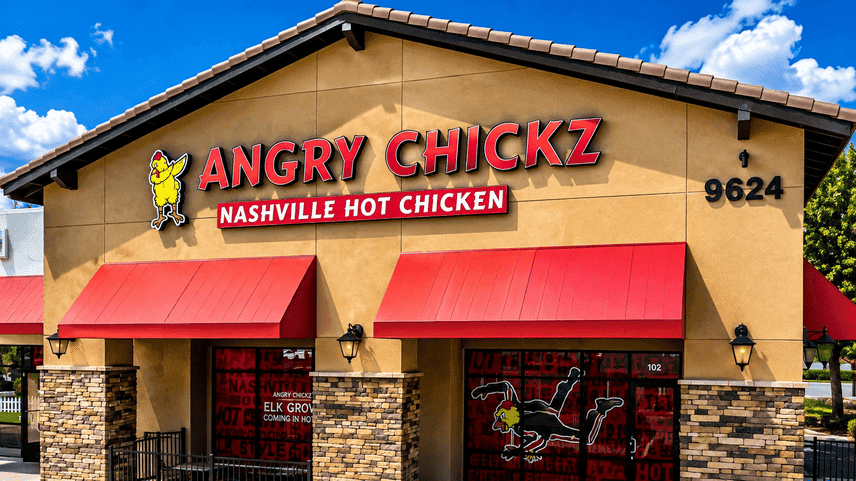
Angry Chickz enters Illinois with its signature hot chicken concept and ambitious plans for Midwest expansion, setting the stage for new franchise opportunities and community engagement.
Sep 2, 2026

Explore restaurant technology trends in 2026, including AI, automation, digital ordering, workforce tools, connected kitchens, personalization, and profitability strategies today.
Aug 28, 2026

Unlock Exclusive Access To Webinars, Events, And The Latest News For Free!
Explore how restaurant chains navigate challenges through refranchising, balance sheet strengthening, and operational reevaluations.

Photo by LaRon Rosser
In response to a projected drop in same-store sales, Red Robin has embarked on a strategic refranchising initiative to bolster its balance sheet and alleviate financial burdens. By transferring ownership of certain locations to franchisees, the company aims to reduce its long-term debt and lease liabilities. This approach allows Red Robin to optimize its capital structure, potentially paving the way for future refinancing opportunities.
With the refranchising plan, Red Robin anticipates transitioning to a model where approximately 65% to 75% of its stores are company-operated. This shift signifies a strategic balance between company-owned and franchised locations, aiming to capitalize on the strengths of both models. By divesting underperforming units and optimizing the portfolio mix, the chain seeks to enhance operational efficiency and overall performance.
In line with its operational restructuring, Red Robin is evaluating closure options for underperforming units, potentially leading to the shuttering of up to 70 locations over the next five years. This strategic move underscores the brand's commitment to optimizing its store portfolio and focusing resources on high-performing establishments. By streamlining its footprint, Red Robin aims to enhance profitability and streamline operations.
Through collaborative efforts with Brookwood Associates, Red Robin is launching targeted marketing campaigns to attract experienced operators into its franchise network. By leveraging the expertise of proven operators, the brand aims to enhance operational excellence and drive growth across its franchise system. This emphasis on strategic partnerships and marketing initiatives underscores Red Robin's commitment to revitalizing its brand presence and expanding its reach.
In a bid to streamline operations and improve cost efficiency, Red Robin is actively working towards reducing corporate expenses by $10 million annually. While specific details of these cost-saving measures remain limited, the overarching goal is to optimize operational processes and drive profitability. By identifying areas for improvement and implementing streamlined practices, the company seeks to fortify its financial position and enhance overall performance.
Apart from operational restructuring, Red Robin is focusing on enhancing customer experience through innovative promotions and updated design features. The introduction of the 'First Choice' program, alongside offerings like the 'Big Yum Deal,' underscores the brand's commitment to providing value-driven menu options to consumers. By aligning with competitive pricing strategies and customer preferences, Red Robin aims to differentiate itself in a crowded market and drive customer loyalty.