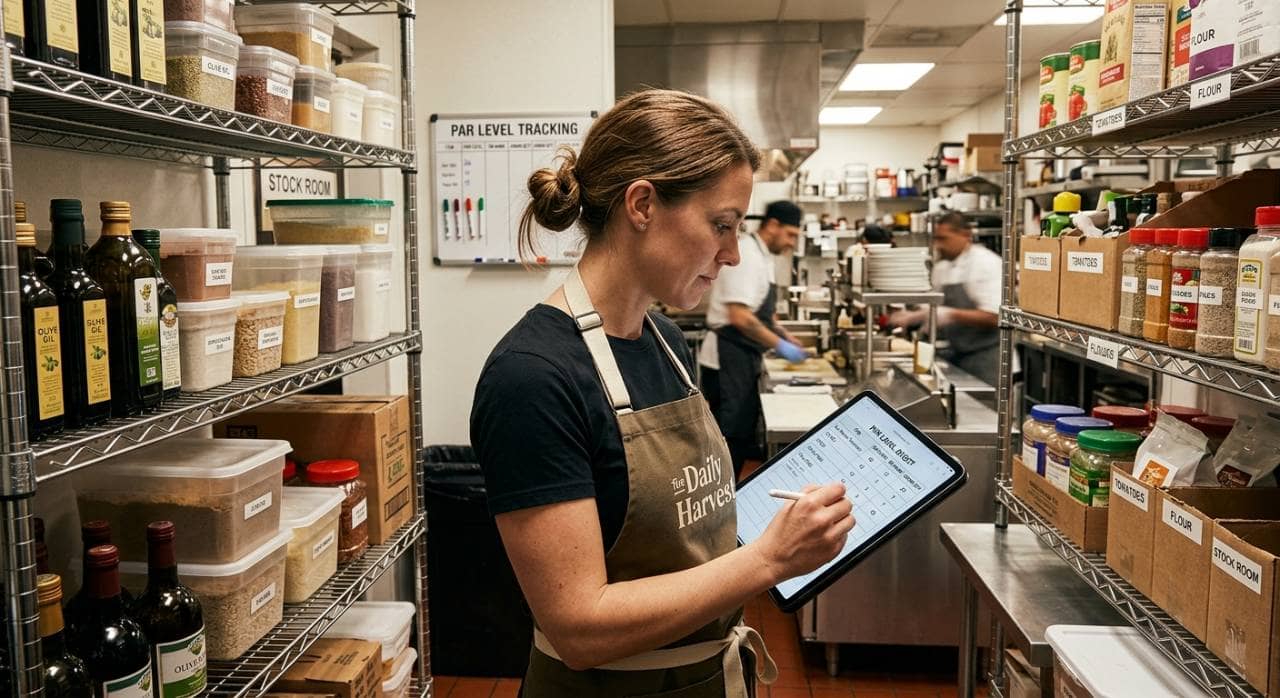
How to Set Par Levels for Restaurant Inventory
Learn to calculate par levels for restaurant food, beverages, and packaging inventory, preventing stockouts and waste through proper formulas.
Back Office
Sep 4, 2026
Learn to calculate par levels for restaurant food, beverages, and packaging inventory, preventing stockouts and waste through proper formulas.
Sep 4, 2026
Caribou Coffee appoints Zane Thomas-Rogers as Chief Operations Officer to strengthen execution across its expanding coffeehouse network.
Sep 4, 2026
Compare the top 10 restaurant POS systems in the USA for 2026. Explore features, pricing, pros, cons, and the best POS options for every restaurant type.
Jul 1, 2026

Learn how to handle restaurant payroll yourself, from calculating hours and wages to managing tips, taxes, and final paychecks.
Sep 2, 2026
Brooklyn Water Bagel launches its first campus eatery at Nova Southeastern, signaling strategic growth and fresh potential for multi-unit operators seeking new market wins.
Sep 2, 2026
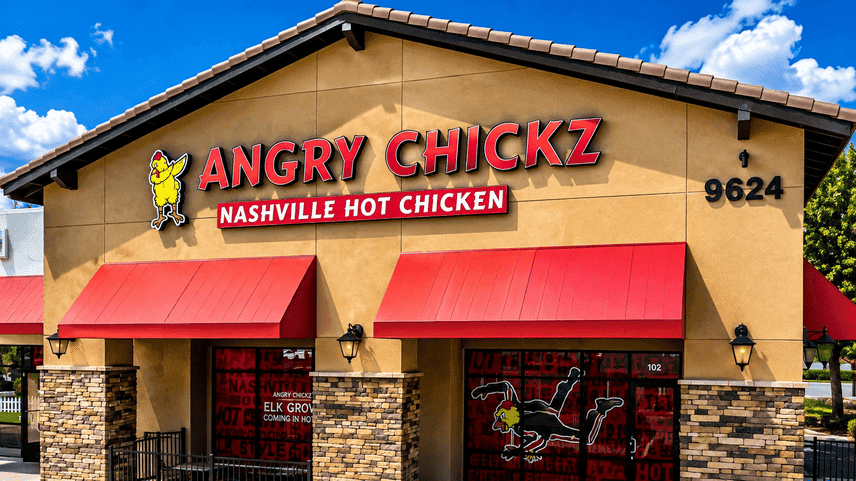
Angry Chickz enters Illinois with its signature hot chicken concept and ambitious plans for Midwest expansion, setting the stage for new franchise opportunities and community engagement.
Sep 2, 2026
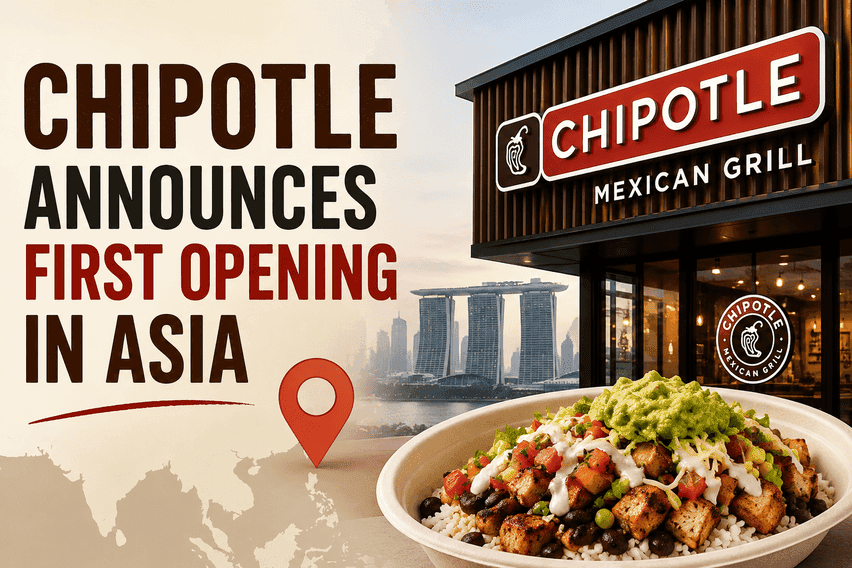
Chipotle makes its highly anticipated entry into Asia with a Seoul opening, partnering with Sangmidang Holdings and setting a template for future international growth.
Sep 2, 2026

Restaurant labor management helps owners optimize staffing, control labor costs, improve productivity, monitor overtime, and maintain efficient restaurant operations.
Sep 2, 2026
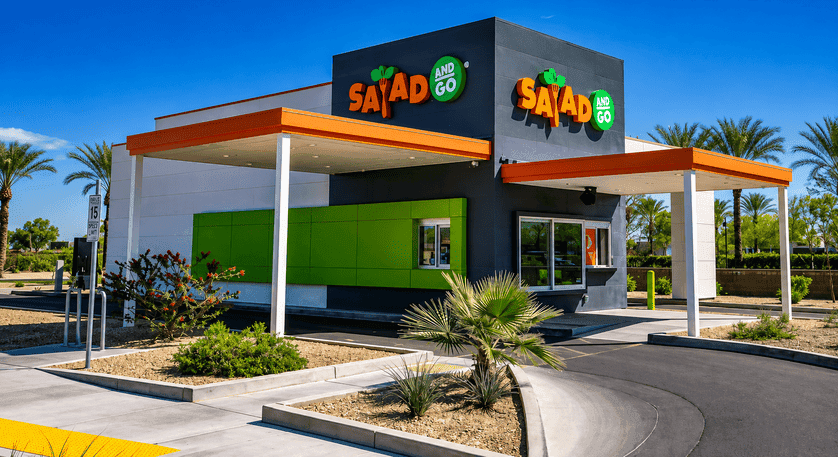
7 Brew has acquired 73 former Salad and Go locations, surpassing Dutch Bros with a $143M bid, signaling a major shift in the competitive landscape for drive-thru brands.
Sep 2, 2026

Explore restaurant technology trends in 2026, including AI, automation, digital ordering, workforce tools, connected kitchens, personalization, and profitability strategies today.
Aug 28, 2026

Unlock Exclusive Access To Webinars, Events, And The Latest News For Free!
An expert look at Cracker Barrel's governance clash as activist investor Sardar Biglari nominates five candidates for the board amid a strategic pivot.

Photo by micheile henderson
Cracker Barrel’s ongoing governance conversation sits at the table like a carefully plated starter. Sardar Biglari and his vehicles, including The Lion Fund II and related entities, have again placed five nominees before Cracker Barrel’s 10-member board ahead of the 2024 annual meeting. This marks the sixth time in roughly 13 years that Biglari seeks board seats, with a notable trend of dissident campaigns that have repeatedly punctuated the company’s governance arc. The investor is publicly described as owning more than 9% of Cracker Barrel’s outstanding shares, a stake that intensifies the sense of accountability around the board’s choices. The moment invites a thoughtful examination of how governance, strategy, and leadership are balanced when stakeholding voices push for change, even as independent directors anchor a turnaround-oriented plan.
What’s on the menu today is not just a slate of names but a test of how the board marries ownership insight with operating experience and a disciplined strategic path.
The numbers matter in this room: Biglari’s five nominees are being weighed against Cracker Barrel’s governance framework, the company’s turnaround plan, and the board’s ability to oversee strategy with independence. This is not a one-off vote; it is part of a broader cadence where ownership signals intersect with governance execution. Cracker Barrel has signaled that it will complete its formal recommendation process and engage with shareholders at the appropriate time, underscoring that the process remains rooted in established governance channels while the strategic calendar continues to advance. The scene is set for a disciplined review that respects both shareholder input and management’s roadmap.
In this context, the board’s response will influence the pace and tone of the company’s strategic execution as it navigates the ongoing transformation and the scrutiny that comes with activist involvement.

Background and motivations anchor the latest nominations in a history of engagement and a recent strategic pivot. Cracker Barrel and Biglari entered into a Nomination and Cooperation Agreement that, among other terms, included the appointment of a Biglari-nominated director, Jody Bilney, to Cracker Barrel’s board and participation in the company’s slate for the 2022 and 2023 annual meetings. The agreement outlined reimbursement of certain expenses related to pursuing director nominations and set a framework for governance collaboration, with standstill provisions governing conduct during the term. Bilney’s appointment was part of a settlement that shaped the 2022–2023 slate and the governance dynamic thereafter. In parallel, Cracker Barrel’s leadership pursued a strategic transformation plan unveiled in May, under the direction of newly appointed CEO Julie Masino, with independent directors signaling support for the plan and governance processes. These elements frame the current contest as a clash over strategy, leadership, and governance priorities.
What matters here is not a single vote but a governance arc shaped by an enduring collaboration and occasional confrontation. Bilney’s involvement traces back to the 2022 settlement, while Masino’s tenure anchors the board’s strategic direction. The current moment sits atop a larger narrative about how Cracker Barrel navigates strategy, leadership, and governance priorities when activist campaigns rise.
The restatement of bylaws in 2025 and ongoing governance discussions underscore that the board’s work is about more than a snapshot vote, it’s about the ongoing discipline of leadership, oversight, and value creation for shareholders.
Governance mechanics rest on a traditional pathway: Biglari’s nominees are evaluated by the company’s nomination and corporate governance committee in line with standard practice, with formal recommendations to shareholders at an appropriate time. The 2022 agreement anticipated a slate that included Bilney and outlined governance parameters, including reimbursement of certain costs incurred by Biglari in pursuing board representation, subject to monetary caps. Cracker Barrel’s governance team emphasizes a rigorous review of each nominee’s background, committee qualifications, and fit with the board’s mandate. While Biglari’s latest slate seeks to redefine governance dynamics, the company maintains that it will evaluate the nominations through its established processes and engage with shareholders accordingly. The framework for these actions is documented in disclosure materials and filings from the period, which describe the procedural path from nomination to potential board inclusion.
What to watch is how the process unfolds rather than a single outcome. The review hinges on background, committee qualifications, and fit with governance priorities, and how the board communicates with shareholders as nominations proceed. The framework’s timing is anchored in the company’s disclosures and filings, which describe the path from nomination to potential board inclusion. In practice, Cracker Barrel will balance procedural rigor with the need to keep investors informed as public scrutiny intensifies, especially with the ongoing strategic transformation plan under Masino and the board’s governance trajectory.
Investor tension and management responses frame the immediate reactions. Sardar Biglari frames his campaign as an effort to recalibrate Cracker Barrel’s governance and strategic direction, arguing that the board should reflect ownership interests and operational experience. His public statements and interviews position long-standing governance and strategic decisions as underperforming for shareholders. Cracker Barrel and its independent directors have pushed back, emphasizing a governance approach that engages with shareholders while advancing the company’s turnaround plan. Proxy advisory firms have weighed in with recommendations to guide vote outcomes, and industry commentary notes the broader trend of activist involvement in restaurant chains. This is a moment where governance isn’t just about a slate, it’s about how strategy, oversight, and investor confidence intersect.
What this signals for the sector is a growing pattern where governance battles influence strategic choices and investor sentiment across branded restaurants. Independent directors are pressed to balance accountability with the need for disciplined execution of the Masino plan, and the industry is watching how these dynamics affect capital allocation and growth. The public dialogue, between dissident nominees, company leadership, and advisers, invites a broader conversation about how governance, strategy, and shareholder value can coexist in a high-visibility turnaround context.

Conclusion frames Cracker Barrel’s governance journey as a living practice, an ongoing dialogue between independence, strategy, and accountability. The current nominations emerge in the wake of a strategic transformation plan led by Julie Masino, and the board’s ability to manage dissent while pursuing growth will shape shareholder sentiment and competitive standing. The broader industry context underlines that governance choices are increasingly entwined with strategic execution in the restaurant sector, with activist campaigns urging governance improvements as a mechanism to unlock value. For Cracker Barrel, the path forward hinges on a thoughtful balance: honoring independent governance principles, preserving continuity with the Masino plan, and engaging constructively with dissident voices to build a governance framework that can withstand public scrutiny and deliver long-term value for shareholders.
Takeaway for readers who care about mindful dining and sustainable business: governance is a balancing act between stewardship and strategic ambition. In a branded portfolio, this balance shapes not just quarterly results but the rhythm of growth, the integrity of leadership, and the trust investors place in a company’s long-term vision. The Cracker Barrel story reminds us that disciplined governance, like a well-composed plate, can nourish the brand’s resilience, even amid disagreement and scrutiny.