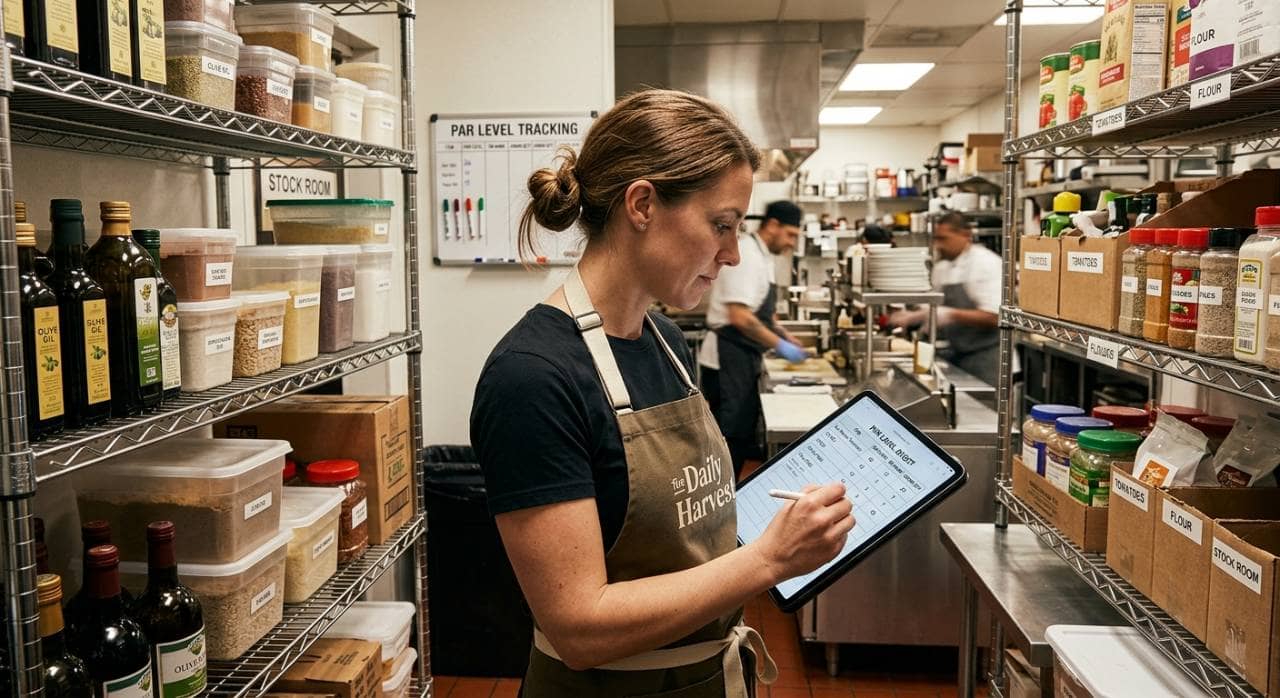
How to Set Par Levels for Restaurant Inventory
Learn to calculate par levels for restaurant food, beverages, and packaging inventory, preventing stockouts and waste through proper formulas.
Back Office
Sep 4, 2026
Learn to calculate par levels for restaurant food, beverages, and packaging inventory, preventing stockouts and waste through proper formulas.
Sep 4, 2026
Caribou Coffee appoints Zane Thomas-Rogers as Chief Operations Officer to strengthen execution across its expanding coffeehouse network.
Sep 4, 2026

Compare the top 10 restaurant POS systems in the USA for 2026. Explore features, pricing, pros, cons, and the best POS options for every restaurant type.
Jul 1, 2026

Learn how to handle restaurant payroll yourself, from calculating hours and wages to managing tips, taxes, and final paychecks.
Sep 2, 2026
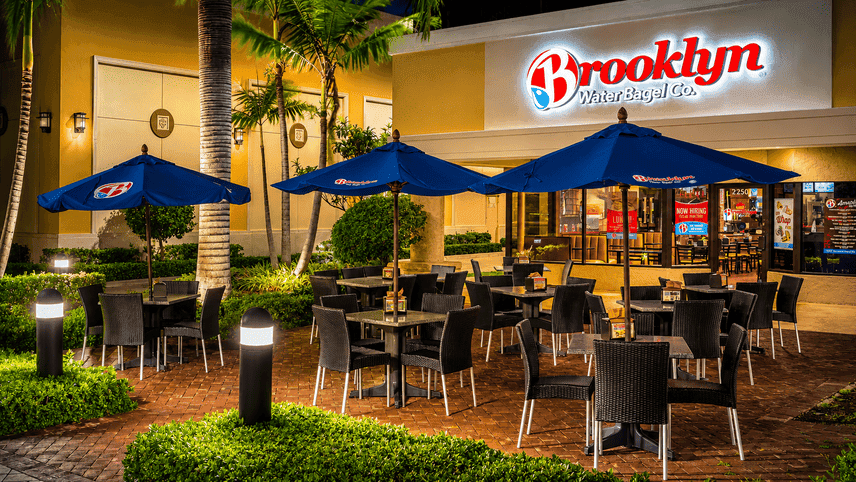
Brooklyn Water Bagel launches its first campus eatery at Nova Southeastern, signaling strategic growth and fresh potential for multi-unit operators seeking new market wins.
Sep 2, 2026
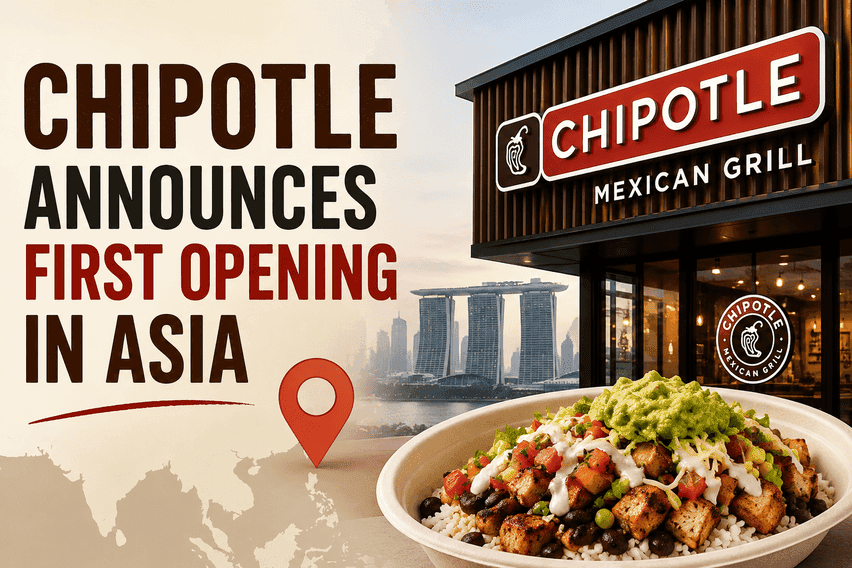
Chipotle makes its highly anticipated entry into Asia with a Seoul opening, partnering with Sangmidang Holdings and setting a template for future international growth.
Sep 2, 2026

Restaurant labor management helps owners optimize staffing, control labor costs, improve productivity, monitor overtime, and maintain efficient restaurant operations.
Sep 2, 2026
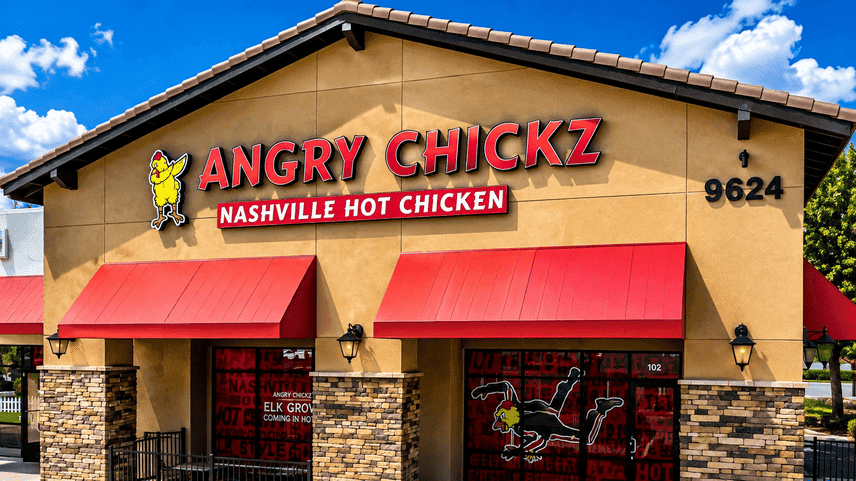
Angry Chickz enters Illinois with its signature hot chicken concept and ambitious plans for Midwest expansion, setting the stage for new franchise opportunities and community engagement.
Sep 2, 2026
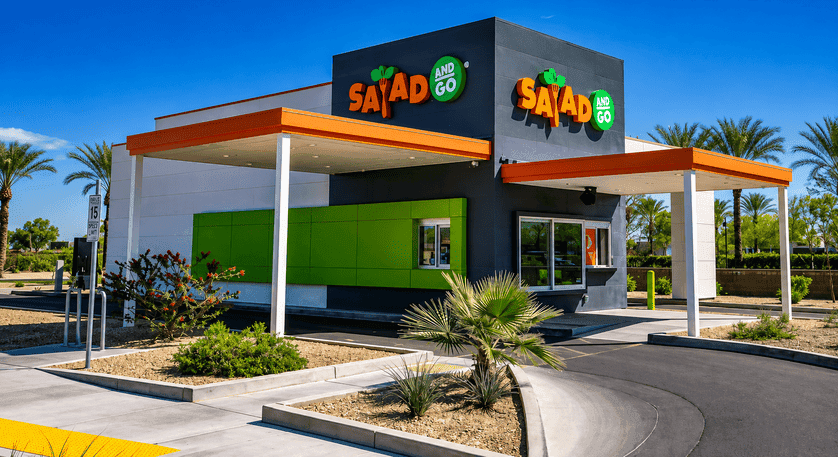
7 Brew has acquired 73 former Salad and Go locations, surpassing Dutch Bros with a $143M bid, signaling a major shift in the competitive landscape for drive-thru brands.
Sep 2, 2026

Explore restaurant technology trends in 2026, including AI, automation, digital ordering, workforce tools, connected kitchens, personalization, and profitability strategies today.
Aug 28, 2026

Unlock Exclusive Access To Webinars, Events, And The Latest News For Free!
The 2026 action reinstates the 2020 joint-employer standard, tightening direct-control tests for franchisors and multi-unit brands in restaurants.

Photo by Jnr Jose
After years of regulatory back-and-forth, the joint-employer story lands a decisive turn in 2026. The NLRB formally withdraws the 2023 standard and re-adopts the Board’s 2020 test, signaling a return to a direct-control frame. For operators in the restaurant world, this reset sharpens the lens on who actually runs the day-to-day employment terms across multi-unit brands and franchise networks. It’s not an instant overhaul, but it sets a clear baseline: substantial direct and immediate control now determines joint-employer liability. The practical question is how this lands in contracts, training programs, and staffing models across a sprawling brand portfolio.
This reset hinges on what changed: the 2023 standard aimed to share or codetermine control, broadening the net to include indirect or non-exercised influence over wages, hours, scheduling and supervision. The final rule in 2026 retreats from that approach and reverts to the pre-2020 posture. The result is a more employer-friendly framework that requires tangible exercise of control over essential terms of employment. In practice, restaurant franchisors and multi-unit operators will scrutinize who actually supervises shifts, approves hires, and sets day-to-day policy. The move matters because it clarifies risk and shifts bargaining obligations toward those with real day-to-day leverage.
Under this framework, operators should expect to tighten governance: revise franchise agreements, sharpen supervisory protocols, and align training with the 2020 model. The impact will show up in day-to-day practices, the clarity of who holds authority, and how quickly a brand can respond to staffing needs. In the near term, this is a return to steadier ground, less ambiguity, more accountability, and a clearer line between corporate policy and franchisee execution.
To understand the moment, you trace the arc from the Browning-Ferris decision through Hy-Brand and beyond. In 2015, the board broadened joint-employer liability; 2017 brought a temporary retreat with Hy-Brand; by 2020 the standard narrowed to substantial direct control; then 2023 stretched it again, fueling lawsuits and policy debates. The thread is clear: administrations and courts keep rebalancing risk for franchisors and their franchisees.
This is not abstract. The 2020 rule anchored liability to substantial direct and immediate control over one or more essential terms, wages, hours, scheduling, supervision, and hiring and firing, and offered a focused list to guide franchise relationships. The 2023 rule, described in CRS briefings, sought broader control through share or codetermine language, expanding the reach beyond direct influence. Critics argued that approach unsettled franchise models and raised costs, while supporters said it clarified accountability in sprawling networks. The 2026 withdrawal of the 2023 rule and return to the 2020 standard reframes risk for franchisors, staffing firms, and other multi-unit operators, recalibrating how much responsibility sits at the corporate level.
That pivot creates a practical path for operators: tighten contracts, governance, and day-to-day control measures so that the corporate posture translates cleanly to franchise execution.
Two tests defined the playing field at different moments. The 2020 final rule anchored joint employment in substantial direct and immediate control over one or more essential terms, with a focused list to guide operations. The 2023 rule tried to share or codetermine control across broader forms of influence, including indirect control and non-exercised rights. This broader gaze drew litigation and court scrutiny, fueling the franchise debate.
CRS analyses trace the evolution, explaining why courts viewed 2023 as problematic in some instances. The 2026 reinstatement shifts back to the 2020 posture, returning to a direct-control lens and tightening the boundaries around what counts as control. For operators, that means clearer guidance on who actually has day-to-day power over wages, scheduling, and supervision, and less risk from indirect influence claims. The practical effect is managerial clarity across franchise networks.
In short, the baseline is stability, and the industry can build governance and training around the 2020 vision.
Reactions from the industry mixed risk and reward. Pro-labor voices pressed for robust accountability, while franchise networks warned that expanded liability could erode model viability and push costs higher. In a high-profile case, a Texas federal judge described enforcement of the 2023 rule as “contrary to law” and “arbitrary and capricious”, halting its effect and prompting a pause in appeals.
May 2024 brought a Congressional Review Act resolution overturning the 2023 rule, and the White House veto that followed highlighted a political clash over how labor standards apply to franchised systems. The 2020 standard remained in effect pending new rulemaking, with evidence of continued debate among policymakers and practitioners. The 2026 reinstatement now anchors expectations for training commitments, safety programs, and uniform bargaining posture across franchise networks.
Industry watchers anticipate a hybrid landscape: compliance programs must reflect real day-to-day control, while contracts and governance arrangements stay nimble in case political winds shift again.

For restaurant operators, the 2026 reinstatement provides a clearer baseline: substantial direct and immediate control over essential terms, not merely reserved rights or indirect influence. That clarity matters for how franchisors structure training, scheduling, hiring, and the governance of franchise networks. Operators should align contract language, governance policies, and compliance programs with the 2020 framework to minimize exposure while keeping operations efficient.
Look ahead: monitor state efforts and regulatory guidance that could tilt the balance again. The federal baseline is steadier, but the terrain remains unsettled, and governance language in franchise agreements will come under closer scrutiny as policy winds shift. In short, the industry gains steadier rules of engagement in 2026, with the caveat that tomorrow’s changes can still arrive.
Bottom line: steadier rules, tighter control, and a landscape you can plan around, until the next regulatory gust comes.