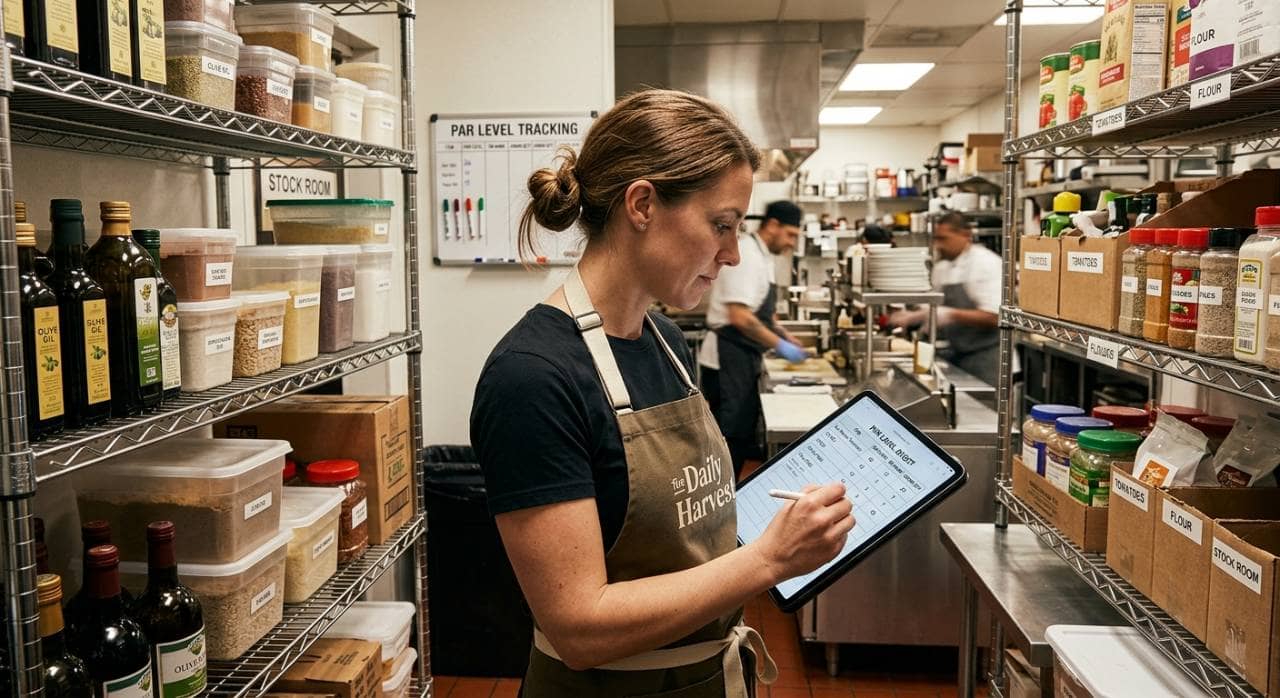
How to Set Par Levels for Restaurant Inventory
Learn to calculate par levels for restaurant food, beverages, and packaging inventory, preventing stockouts and waste through proper formulas.
Back Office
Sep 4, 2026
Learn to calculate par levels for restaurant food, beverages, and packaging inventory, preventing stockouts and waste through proper formulas.
Sep 4, 2026
Caribou Coffee appoints Zane Thomas-Rogers as Chief Operations Officer to strengthen execution across its expanding coffeehouse network.
Sep 4, 2026

Compare the top 10 restaurant POS systems in the USA for 2026. Explore features, pricing, pros, cons, and the best POS options for every restaurant type.
Jul 1, 2026

Learn how to handle restaurant payroll yourself, from calculating hours and wages to managing tips, taxes, and final paychecks.
Sep 2, 2026
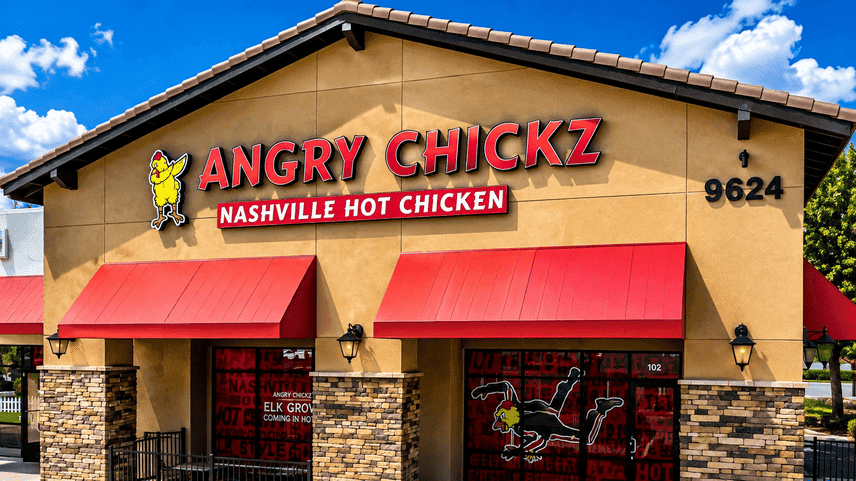
Angry Chickz enters Illinois with its signature hot chicken concept and ambitious plans for Midwest expansion, setting the stage for new franchise opportunities and community engagement.
Sep 2, 2026
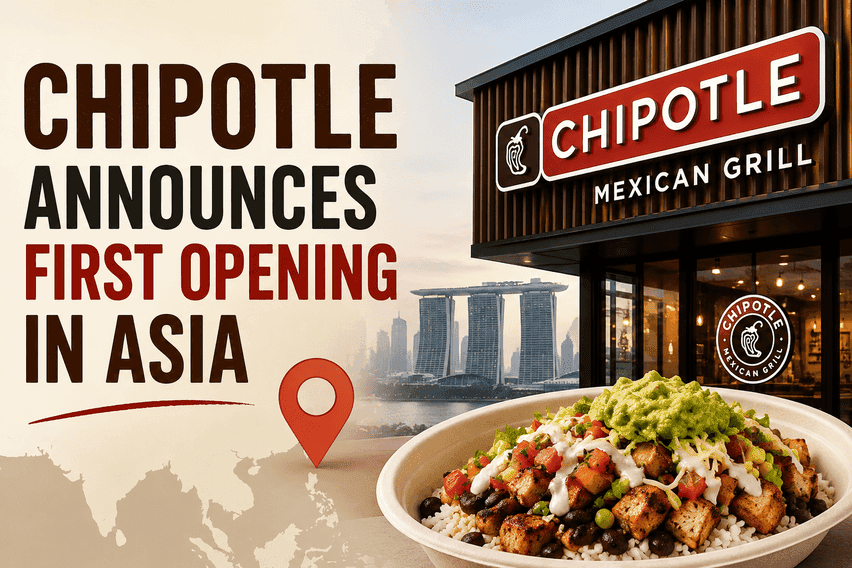
Chipotle makes its highly anticipated entry into Asia with a Seoul opening, partnering with Sangmidang Holdings and setting a template for future international growth.
Sep 2, 2026
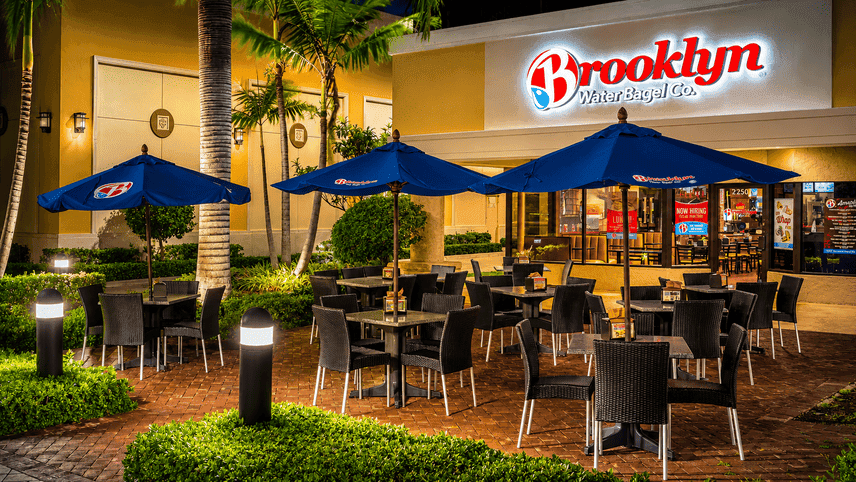
Brooklyn Water Bagel launches its first campus eatery at Nova Southeastern, signaling strategic growth and fresh potential for multi-unit operators seeking new market wins.
Sep 2, 2026
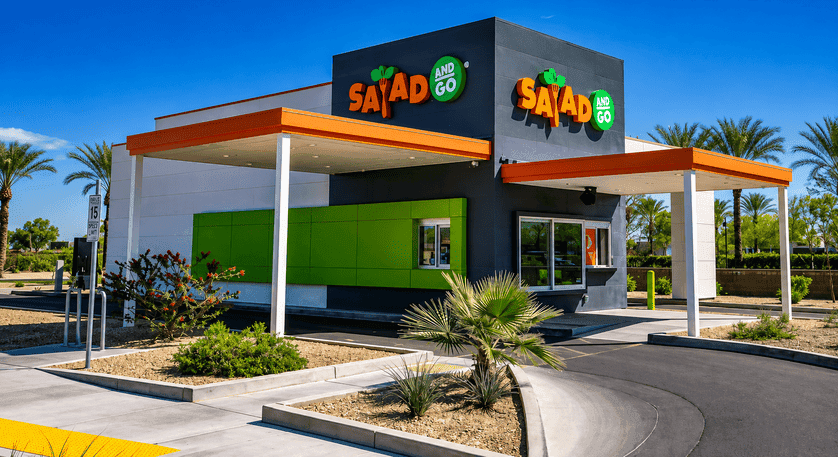
7 Brew has acquired 73 former Salad and Go locations, surpassing Dutch Bros with a $143M bid, signaling a major shift in the competitive landscape for drive-thru brands.
Sep 2, 2026

Restaurant labor management helps owners optimize staffing, control labor costs, improve productivity, monitor overtime, and maintain efficient restaurant operations.
Sep 2, 2026

Learn how to calculate restaurant cost of goods using inventory, purchases, COGS percentage, variance reviews, and regular tracking for profitability.
Aug 31, 2026

Unlock Exclusive Access To Webinars, Events, And The Latest News For Free!
CFA appoints Dave Glodowski to drive advocacy, education, and member engagement as it broadens its policy footprint for franchisees.

Photo by ASIA CULTURECENTER
CFA is the nation’s largest franchisee‑only trade association. It has named Dave Glodowski executive director, a move signaling a straight‑line push toward advocacy and education for independent operators. Glodowski began his tenure in December, returning to leadership after nearly four years without an executive director. That gap hampered CFA’s ability to reengage with former associations, slow to add new members, and muted its influence in government relations. The reboot is not cosmetic; it’s a deliberate shift to convert scale into tangible benefits for single‑ and small multi‑unit operators.
Glodowski’s leadership is anchored by CFA’s breadth: 15 franchisee associations across iconic brands, with a representation that includes McDonald’s, Planet Fitness, 7-Eleven, Domino’s Pizza, and Dunkin’. The network represents over 46,000 franchisees who operate more than 122,000 franchises, positioning CFA as a steady, unified voice for small operators. Glodowski previously led CFA as president in 2010, now stepping into a role designed to reenergize engagement and broaden CFA’s policy and education reach for single‑ and small multi‑unit operators.
In practical terms, this reboot translates into concrete value for operators: sharper resources, clearer pathways to advocacy, and a broader peer network that crosses brand lines. The move is meant to shorten the distance between CFA’s scale and the everyday realities operators face at the store level. The coming months will test how quickly the new leadership can turn promises into tangible benefits.
With Glodowski at the helm, CFA leadership emphasizes reconnecting lapsing member associations, inviting new groups to join, and reinforcing CFA’s guiding role in delivering educational and legislative resources critical to single‑ and small multi‑unit operators. The renewal centers on strengthening ties among CFA’s member associations and the broader franchisee ecosystem, ensuring operators have access to practical tools and a robust network of peers. This renewal is grounded in the reality that most CFA member operators are small‑business owners whose daily concerns extend beyond brand recognition. The aim is to translate CFA’s scale into targeted resources, clearer advocacy pathways, and stronger peer‑to‑peer support across brands.
Glodowski’s framing is practical: reconnect dormant associations, welcome new groups, and build cross‑brand learning that solves problems faster. The plan isn’t about grand statements; it’s about actionable resources, real conversations, and a network that members feel in their day‑to‑day operations. Expect more targeted materials and clearer avenues for member feedback to flow into policy and education efforts.
If the network tightens and resources materialize, operators will notice quicker access to practical tools and peer support that travels across brands. This is the core idea behind the renewal: stronger connections equal stronger, more actionable benefits at the store level.
A core pillar of CFA’s post‑renewal strategy is formalized advocacy and government relations. The association employs a registered lobbyist dedicated to informing members about legislative developments at federal and state levels. In February, CFA formally supported California Assembly Bill 2632, which would regulate how franchisors use fees collected from franchisees. The bill would require franchisors to use any collected fee for its specifically stated purpose, as outlined in franchise disclosure documents or agreements; admin or overhead fees could be limited to 10 percent unless transparent, separate disclosures are provided. The act would also compel franchisors to provide franchisees with annual accounting details on fees, enhancing transparency. The simple aim: ensure franchisees get what they paid for.
AB‑2632 was introduced on February 20, 2026, by Assemblymember Hoover. As of early 2026, it was described as being on hold with the franchise‑language removed, while the underlying issues remained unresolved. CFA‑affiliated sources emphasize that the policy conversation continues, even as the legislative rhythm proves fluid and unpredictable. The landscape remains a moving target for both franchisees and franchisors, and CFA is betting that formal advocacy will keep members informed and engaged.
This dynamic backdrop underscores CFA’s challenge: turn policy activity into practical guidance that operators can act on. The uncertainty around AB‑2632’s fate tests CFA’s ability to translate legislative chatter into store‑level resources, education, legal guidance, and reliable data on fee usage, at the moment federal and state policymakers weigh franchisee protections against franchisor interests.
Bill Mathis, CFA chairman and leader of the North American Association of Subway Franchisees, frames the renewal as a catalyst for growth. His central aim is to help leaders within member associations connect and learn from one another: "While some people think associations just want to fight with the franchisor, it's really standing up for franchisees and their rights and working collaboratively with the franchisor when they can. So when you get the executive directors together and they learn from each other, whether it's gaining new membership or how to communicate with the franchisor, we always can learn from other people." He also frames the private equity moment as a structural shift rather than a problem: "It doesn't mean that all private equity is bad, but private equity's customer is not the franchisee, it's their investors." These reflections anchor CFA’s approach to education, policy, and partnership as the industry navigates evolving ownership models.
Taken together, these perspectives shape CFA’s path forward: education that lands in the field, policies that protect operators, and partnerships that broaden access to practical resources. The goal is not antagnostic posturing but a balanced, rights‑conscious stance that helps franchisees thrive amid shifting ownership models.
In short, the leadership dynamics behind CFA’s renewal are aimed at measurable growth: stronger member engagement, smarter education, and a clearer voice in policy. It’s a practical reboot built to withstand the shifting sands of ownership, capital, and regulation.
Beyond legislative work, Glodowski aims to widen CFA’s access to practical resources through partnerships with vendors and service providers who support CFA members. The plan is to deepen the CFA community, enabling cross‑brand learning and cooperative problem solving. CFA has signaled plans for educational webinars and other programs designed to demystify private equity implications, contract leverage, and other forces reshaping the franchise landscape. This education‑and‑collaboration focus reflects CFA’s broader strategy to empower franchisees through knowledge, legal resources, and a more expansive network of peers and experts.
The objective is straightforward: translate CFA’s size into tangible at‑store benefits. Vendors and service providers become partners in education, helping operators navigate complex contracts and capital structures while weaving a broader ecosystem of support around each franchisee. The initiative signals that CFA won’t just advocate in halls of power, it will show up in webinars, clinics, and practical sessions that operators can count on.
If these avenues take hold, CFA’s renewal could become a template for how franchisee associations deliver value: education that sticks, policy that protects, and partnerships that deliver practical resources for the daily grind of the store.

Despite a clear agenda, CFA’s renewed push operates within a fluid legislative and market environment. AB‑2632’s status, introduced in 2026, then effectively put on hold with the franchise‑language pulled, illustrates the unpredictable cadence of policy initiatives even as underlying concerns about fee transparency persist. The American Association of Franchisees & Dealers (AAFD) notes the evolving landscape and remains focused on sustaining member engagement, tracking bills, and mobilizing franchisees to participate in policy discussions. In this context, CFA’s ability to translate its size into tangible benefits, educational programs, vetted vendor partnerships, and timely legal guidance, will be tested in the months ahead as state and federal policymakers weigh franchisee protections alongside franchisor interests.
The broader implication is clear: CFA’s renewal matters not just for its member associations, but for the restaurant and retail ecosystems built on franchise models. By centering education, transparency, and collaborative engagement with franchisors, CFA signals a more balanced, rights‑conscious approach that can reduce conflicts and litigation. The near‑term test is whether active member engagement, credible data on fee usage, and the translation of legislative activity into practical resources can coexist with evolving ownership structures.
As the policy weather shifts, CFA’s next moves will matter most when they translate into real benefits for operators: clear guidance, timely legal resources, and a network that helps owners navigate a changing landscape with confidence.