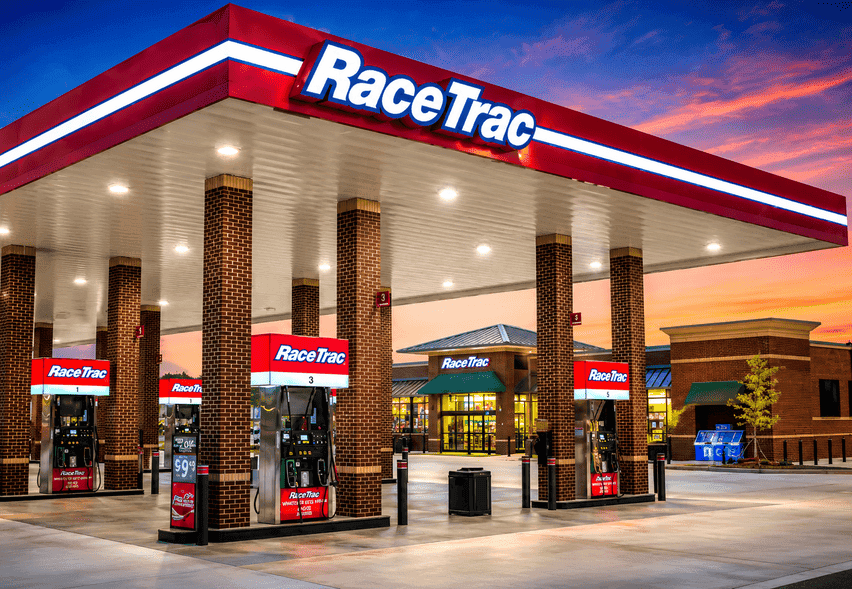
RaceTrac Names Jill Pemberton as New CFO
RaceTrac has appointed Jill Pemberton as chief financial officer, succeeding Karla Ahlert, who moves into the newly created role of chief administrative officer.
News
Aug 26, 2026
RaceTrac has appointed Jill Pemberton as chief financial officer, succeeding Karla Ahlert, who moves into the newly created role of chief administrative officer.
Aug 26, 2026
Learn practical ways to reduce labour costs through smarter scheduling, forecasting, productivity, cross-training, automation, overtime control, and performance monitoring strategies.
Aug 26, 2026

A restaurant P&L statement reveals sales, expenses, and profits, helping owners manage costs, improve margins, and plan finances more effectively.
Aug 26, 2026

A payroll advance policy helps restaurant owners define eligibility, limits, repayment, documentation, approval procedures, and compliance requirements for employee advances.
Aug 24, 2026
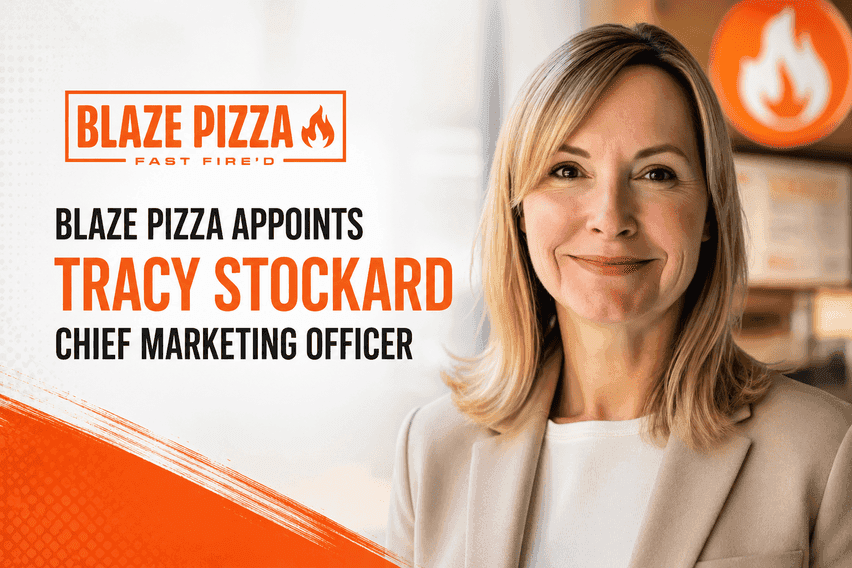
Blaze Pizza welcomes Tracy Stockard as Chief Marketing Officer, bringing decades of brand and franchise experience to drive strategic growth and guest engagement.
Aug 25, 2026
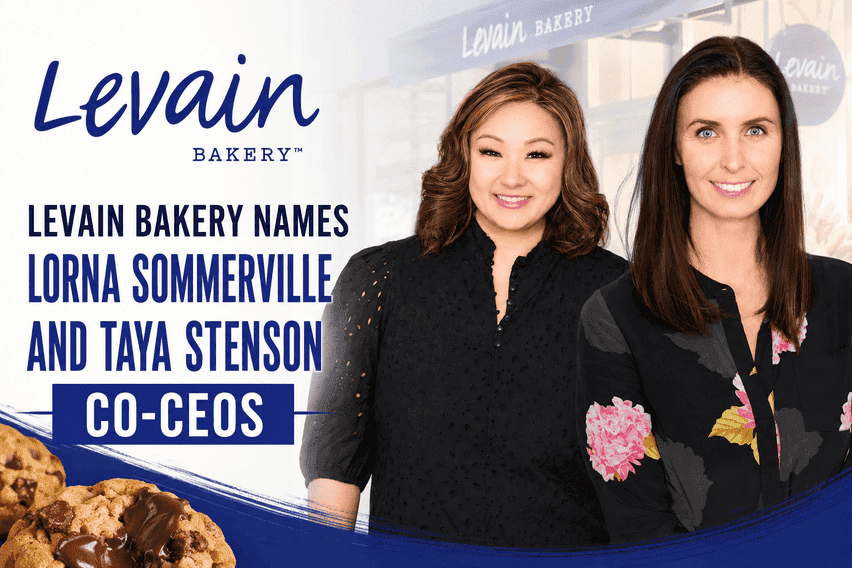
Levain Bakery appoints Lorna Sommerville and Taya Stenson as co-CEOs, blending operational and marketing expertise to power national expansion and innovation while staying rooted in its brand values.
Aug 25, 2026

Create a practical restaurant marketing plan by setting goals, targeting customers, choosing channels, budgeting wisely, scheduling campaigns, and measuring results.
Aug 24, 2026
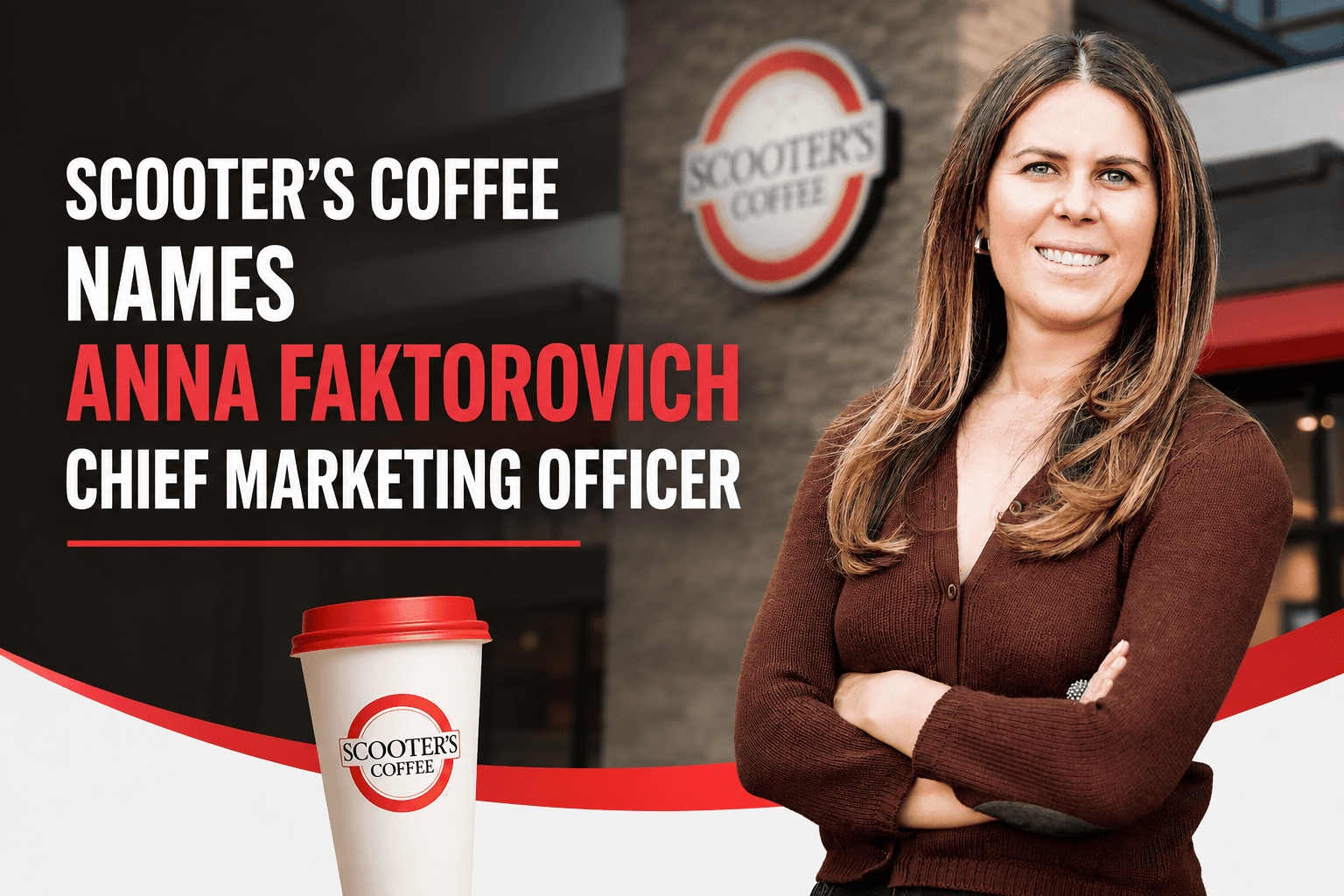
Anna Faktorovich, a seasoned marketing executive, has been named Chief Marketing Officer at Scooter’s Coffee, bringing decades of multi-brand experience to fuel the franchise’s next growth stage.
Aug 25, 2026
Dave & Buster's refreshes its executive lineup with seasoned leaders in operations, marketing, tech, and finance - signaling a growth-driven future for restaurant operators to watch.
Aug 24, 2026
Wendy’s announces Tariq Hassan as Chief Marketing and Customer Growth Officer, charting a new course for brand and digital innovation. What restaurant owners can learn.
Aug 24, 2026

Unlock Exclusive Access To Webinars, Events, And The Latest News For Free!
Explore how operational changes and financial restructuring can revitalize a struggling restaurant chain like Dine Brands. Learn about the role of brand management and franchise advisory councils in driving shareholder value.

Photo by Erik Mclean
Photo by Erik Mclean
Dine Brands, the parent company of well-known restaurant chains like Applebee’s and IHOP, has been facing significant operational and financial hurdles. With same-store traffic falling behind competitors and high-cost debt draining cash flow, the company found itself in a precarious position, prompting the need for urgent structural changes.

Photo by Erik Mclean
One of the key recommendations put forth by stakeholders, including activist investor Edge, is the refinancing of $500 million in debt. By freeing up cash through this process, Dine Brands can reallocate resources towards modernization and operational enhancements. Suspending or redirecting the annual dividend of $30 million aims to support these modernization efforts, ensuring that the company can invest in its future growth.
In light of the challenges faced by Dine Brands, the importance of brand management cannot be overstated. The proposal to consider divesting non-core assets, such as Fuzzy’s Taco Shop, underscores the need to sharpen the company's brand focus. By streamlining operations and focusing on core competencies, Dine can enhance brand relevance and restore credibility in the market.
As part of the proposed initiatives, establishing a franchisee advisory council with incentives linked to performance metrics can provide crucial insights for Dine Brands. By incorporating the expertise of directors with deep restaurant operations and franchise finance knowledge, the company can benefit from strategic guidance tailored to the specific needs of franchisees. This collaborative approach can foster stronger relationships with franchise partners and drive operational excellence.

Photo by Erik Mclean
While Dine Brands faces challenges, the success stories of Applebee’s and IHOP offer a glimpse of hope. Innovations such as developing new restaurant prototypes, expanding co-branded locations, and focusing on value plays and menu enhancements have propelled these brands forward. By leveraging these strategies and implementing proactive changes, Dine Brands can emulate this success and chart a path to recovery.

Photo by Erik Mclean
As Dine Brands navigates the recommendations for financial repair, brand revitalization, and operational improvements, the road ahead is filled with opportunities for transformation. By embracing change in leadership, execution, and capital allocation, the company can position itself for long-term success. The proposed actions outlined by stakeholders present a clear, actionable path towards restoring credibility, brand relevance, and shareholder value.