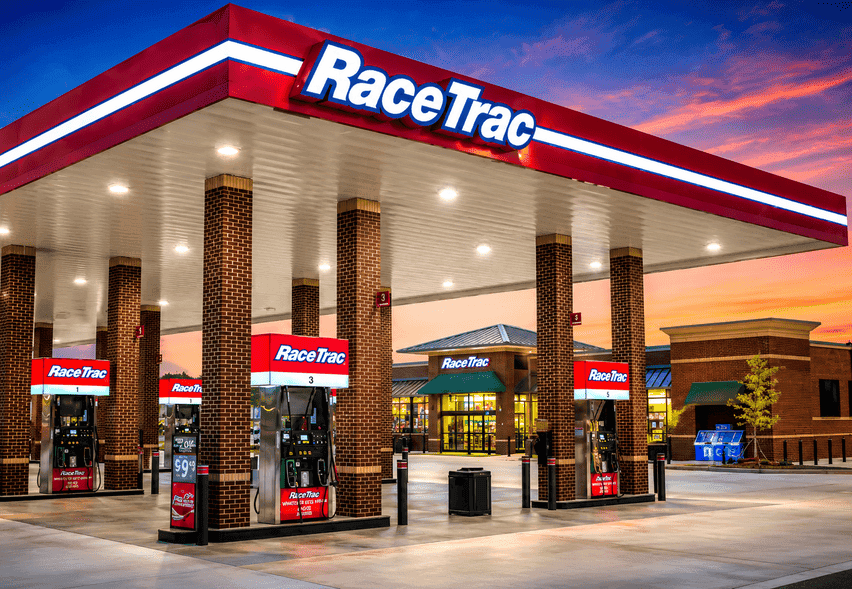
RaceTrac Names Jill Pemberton as New CFO
RaceTrac has appointed Jill Pemberton as chief financial officer, succeeding Karla Ahlert, who moves into the newly created role of chief administrative officer.
News
Aug 26, 2026
RaceTrac has appointed Jill Pemberton as chief financial officer, succeeding Karla Ahlert, who moves into the newly created role of chief administrative officer.
Aug 26, 2026
Learn practical ways to reduce labour costs through smarter scheduling, forecasting, productivity, cross-training, automation, overtime control, and performance monitoring strategies.
Aug 26, 2026

A restaurant P&L statement reveals sales, expenses, and profits, helping owners manage costs, improve margins, and plan finances more effectively.
Aug 26, 2026

A payroll advance policy helps restaurant owners define eligibility, limits, repayment, documentation, approval procedures, and compliance requirements for employee advances.
Aug 24, 2026
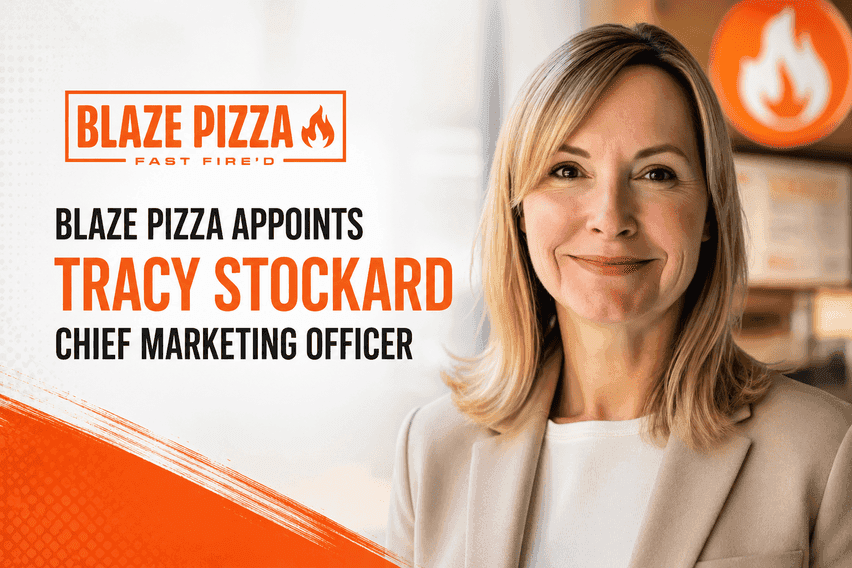
Blaze Pizza welcomes Tracy Stockard as Chief Marketing Officer, bringing decades of brand and franchise experience to drive strategic growth and guest engagement.
Aug 25, 2026

Levain Bakery appoints Lorna Sommerville and Taya Stenson as co-CEOs, blending operational and marketing expertise to power national expansion and innovation while staying rooted in its brand values.
Aug 25, 2026

Create a practical restaurant marketing plan by setting goals, targeting customers, choosing channels, budgeting wisely, scheduling campaigns, and measuring results.
Aug 24, 2026
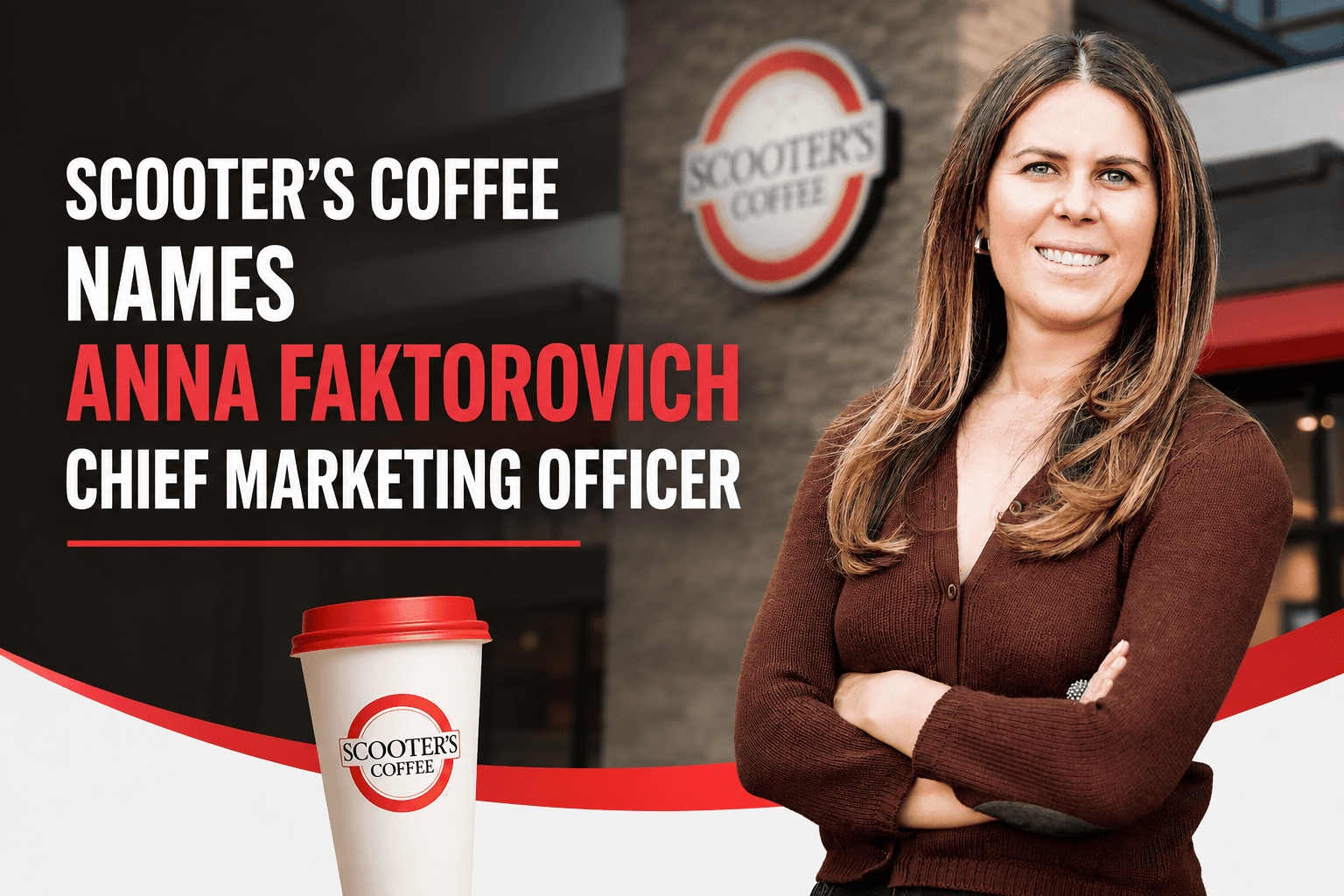
Anna Faktorovich, a seasoned marketing executive, has been named Chief Marketing Officer at Scooter’s Coffee, bringing decades of multi-brand experience to fuel the franchise’s next growth stage.
Aug 25, 2026
Dave & Buster's refreshes its executive lineup with seasoned leaders in operations, marketing, tech, and finance - signaling a growth-driven future for restaurant operators to watch.
Aug 24, 2026
Wendy’s announces Tariq Hassan as Chief Marketing and Customer Growth Officer, charting a new course for brand and digital innovation. What restaurant owners can learn.
Aug 24, 2026

Unlock Exclusive Access To Webinars, Events, And The Latest News For Free!
In 2022, the food industry has changed tremendously. A major issue for restaurant owners in this changing market is the lack of an ordering management system. This article will highlight these issues.
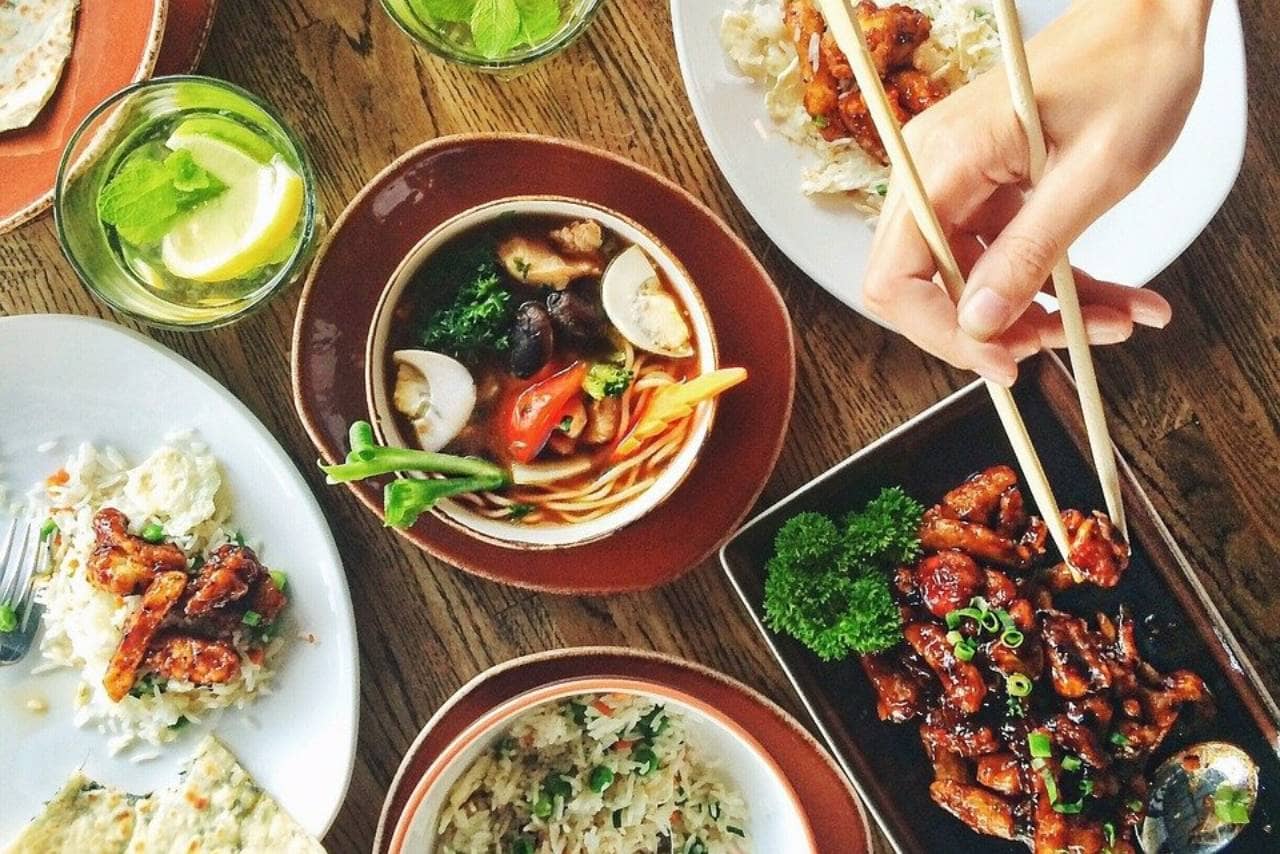
A customer order management system is a software program designed to manage the orders and other tasks related to customer orders. These systems have become increasingly popular because of their ease of use, flexibility, integrated features, and scalability. Ordering management systems are usually web-based and offer a range of options for price negotiations and customer preferences. They also offer real time status updates on the progress of order fulfillment.
Order management software (OMS) is an automated inventory system and database that businesses use to keep track of items in stock, automatically order them from suppliers, manage orders and sales, and more. These systems are also used by manufacturers to facilitate production processes, such as planning new products or determining the best times for manufacturing. OMS can be implemented with features like barcode scanning, point-of-sale systems, and mobile apps.

Order management systems are important for businesses because it helps them manage their inventory and customer orders. Inventory management is taken care of under OMS so that a company has the right amount of inventory on hand at all times, meaning that they always have enough products to sell. OMS can also help streamline the process of getting an order to customers from the warehouses with warehouse management, which can save time and money for companies. Ordering management system provides an accurate and efficient way of keeping track of stock levels without having to manually input data from invoices or sales receipts into a spreadsheet. When using an automated program, employees don't have to worry about accounting errors or missing information that can slow down the processing time of orders and affect productivity. By automating these tasks, these systems free up employees to focus on other aspects of their job that require human interaction.
When you're running a restaurant, it's important to have an effective order management system. This will help you keep up with your customers' orders and prepare food efficiently while also helping you track which dishes are selling well. To make sure that your ordering management system is working well and is running smoothly, here are some features that you should look for in your system-

Foodservice is likely to evolve in the next decade. Order-taking, for instance, will be more digital as retailers and restaurants adapt to an increasingly mobile world. Other key challenges for retailers and restaurants include managing restaurant losses with Order Management software, using technology such as artificial intelligence to improve customer experience, and ultimately making it easier for consumers to find quality food options. Here are the key issues that multi-chain restaurants are facing in 2022.
Prior to the pandemic, restaurants faced challenges with labor. The number of employees they needed was increasing and many were going on leave or quitting their jobs, which created a scarcity. The labor challenges faced by restaurants have grown since the pandemic began. Labor recruitment and employee turnover, increasing wages, management concerns are only some of the difficulties that restaurant brands face today.
Like restaurants, banks have had to reckon with the pandemic. Most have optimized their national footprint and closed many rural and suburban branches. In response, restaurant managers must drive farther or reduce the number of deposits per week in order to save time or change banking partners.
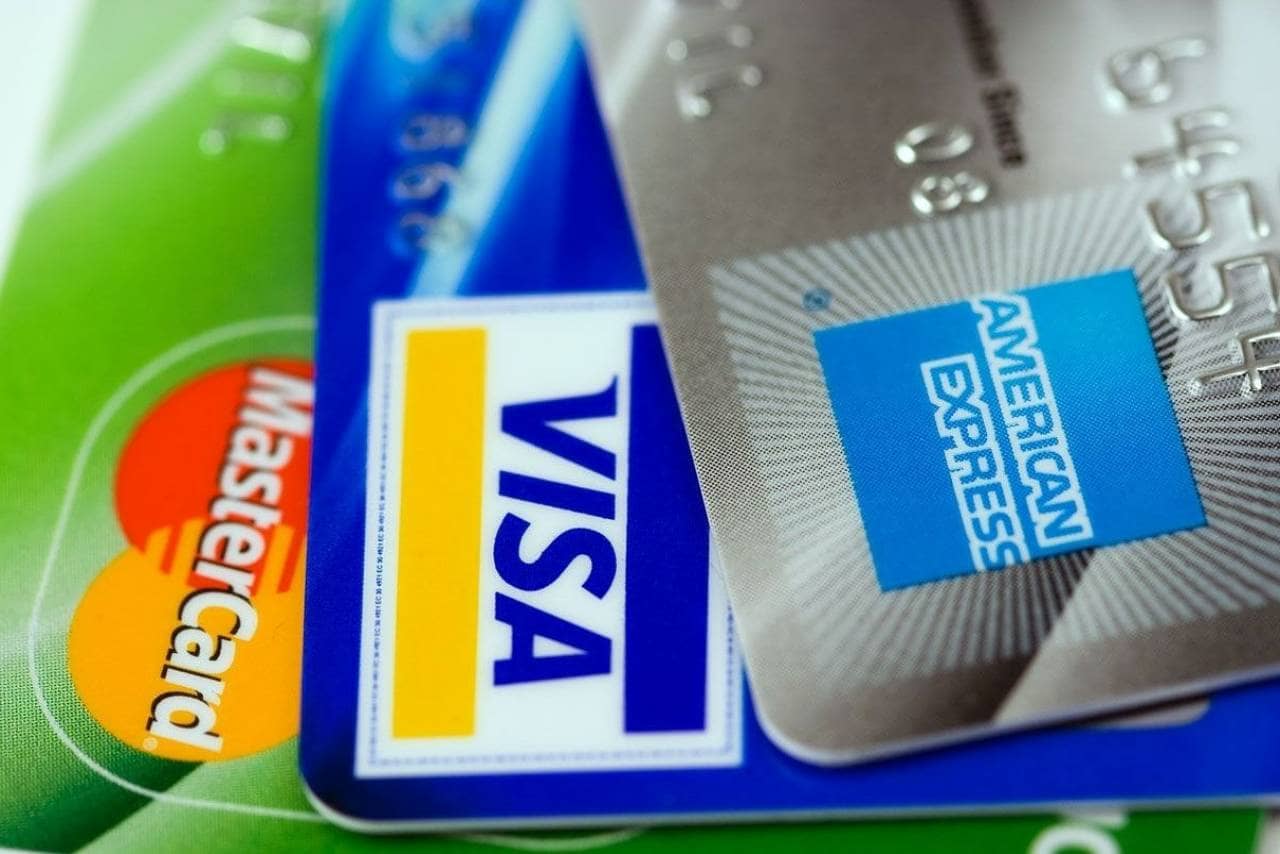
Banks that give credit cards to customers, also give machines to the businesses like restaurants to read those cards. The customers pay fees to own a card, while the companies pay fees for the machine. These fees are high, making the usage of the credit cards and machines a costly affair.
Technology has been a major part of the restaurant industry at different levels, from Order Management and inventory management to warehouse management, employee scheduling to payroll management. The pandemic pushed the digitization process further as online ordering, ePayments, and such digital processes got more popular as they became the need of the hour. Digital ordering solutions are here to stay. Just tapping or clicking to order or pay makes it easier for the consumers and the restaurants. It betters the sale, drives higher ticket prices and saves on labor costs.
In the last few years, there has been an increase in under reporting of food and beverage revenue in restaurants. Most restaurants are not accurately reporting their food and beverages sales to the IRS, due to either a lack of knowledge about how to report such information, or to show business earnings differently. The results from this underreporting normally goes unreported, but it does have certain effects on the restaurant industry as a whole. The effects for small businesses include a decrease in pricing power and price setting, which leads to higher prices for customers overall. For consumers, it means that they're getting less value for their money when they purchase food or drinks at restaurants. The cost of food is also more expensive because it's inflated with the unseen cost of underreporting.
With many grappling in the post-pandemic new normal, there could be problems of underreporting, as mentioned above or giving misleading information. The franchisees and the brand owners might not be on the same page in such situations and wrong decisions are made based on incorrect information. Trust is essential for any partnership to work, and truthfulness and clarity will always help ensure the business stays on track and is a success.
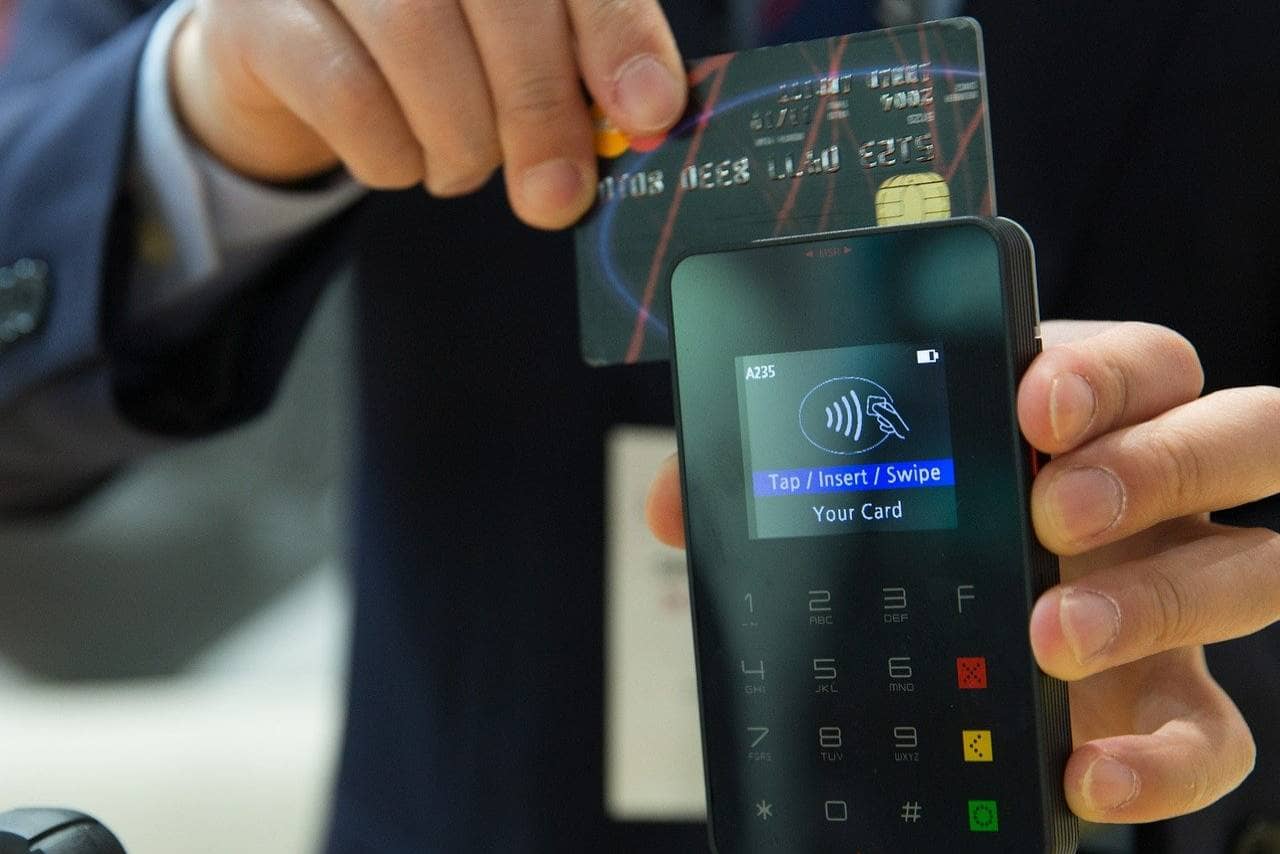
Disparate point of sale systems is a problem, especially for small businesses as they try to make their way through the myriad of options that are available. With the explosion of technology in recent years, retailers now have many points of sale (POS) systems to choose from. This has led to confusion and frustration for small businesses trying to navigate the world of POS. In addition, the different types of POS systems are often not compatible with one another, or other related systems like a Table Management system, and create a need for time-consuming handoffs from one system to another. A holistic solution needs to be found that helps the business stay on top of the game.
This is the main driver in any industry. The consumers' needs and demands have to be met, and whatever their preferences are, the industry trends follow. These preferences are changing quickly in the past few years, especially post-pandemic, so, the industry needs to keep abreast of the changes and act accordingly. Amongst the major preference in these two years has been health and wellness, for obvious reasons. This has translated into the restaurant industry with high demand for healthier food options, plant-based food, allergen-proof food, immunity-boosting food items, etc. Another consumer preference is the need for sustainability. As the consumers are getting more conscious about the environment, they are looking at options that are sustainable in all aspects - from the food they eat to the cutlery they use, etc. Restaurants need to understand these and work accordingly. Their Management System needs to keep up with the changes as they happen.