
California Penalizes Dickey's for Franchise Disclosure Violations
California shifts to public enforcement strategy against Dickey's for deceptive franchise disclosures, signaling stricter state-level franchise oversight.
Franchising
Sep 10, 2026
California shifts to public enforcement strategy against Dickey's for deceptive franchise disclosures, signaling stricter state-level franchise oversight.
Sep 10, 2026
Paul Brown temporarily steps away from Inspire Brands as Scott Murphy assumes interim CEO role during confidential IPO filing process targeting late 2026.
Sep 10, 2026
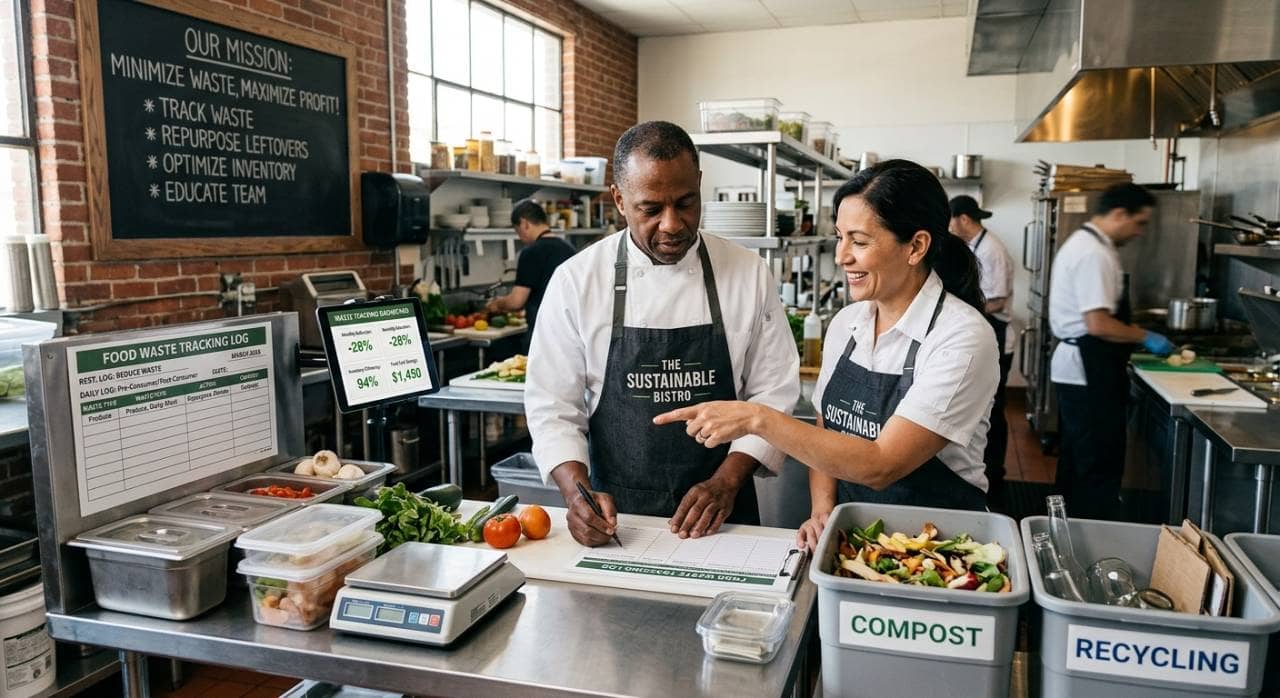
Learn how to reduce food waste in restaurants through smarter purchasing, storage, preparation, and service strategies that cut costs.
Sep 9, 2026
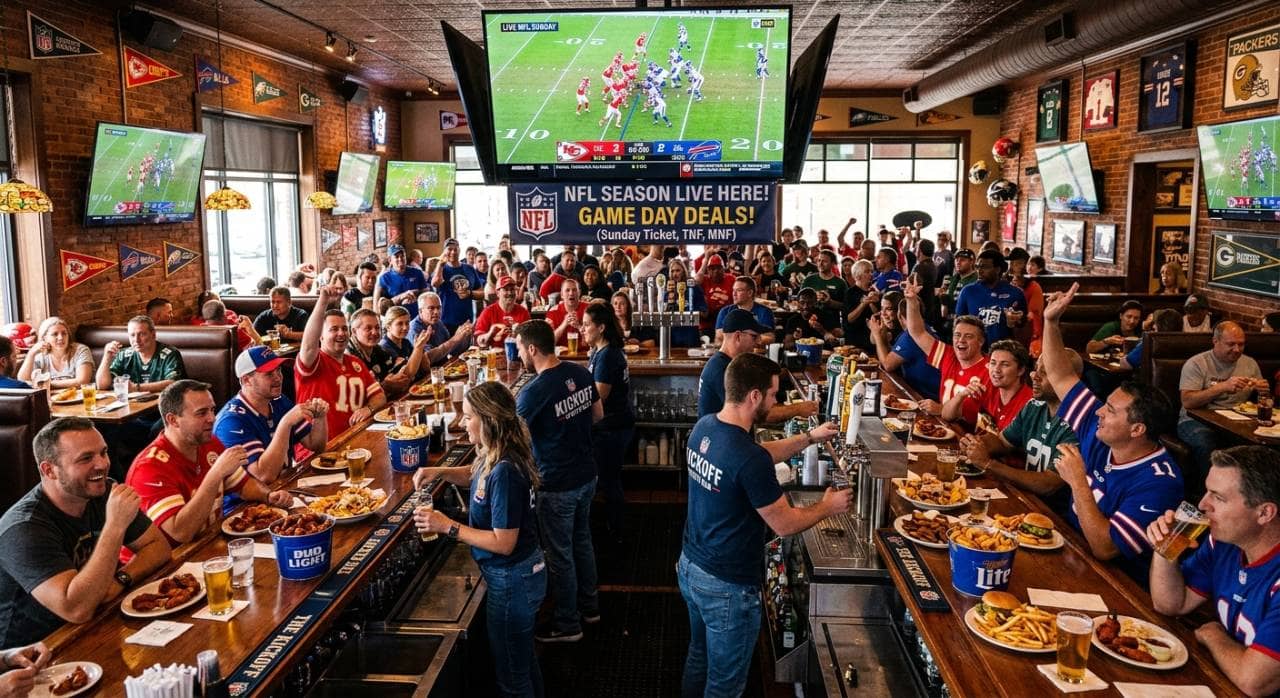
Prepare your restaurant for NFL season with smart menu planning, staffing, marketing, technology, and atmosphere strategies that boost season-long revenue.
Sep 9, 2026
Swig signs franchise agreement for 11 South Denver locations, marking Colorado entry and validating its national expansion strategy.
Sep 8, 2026
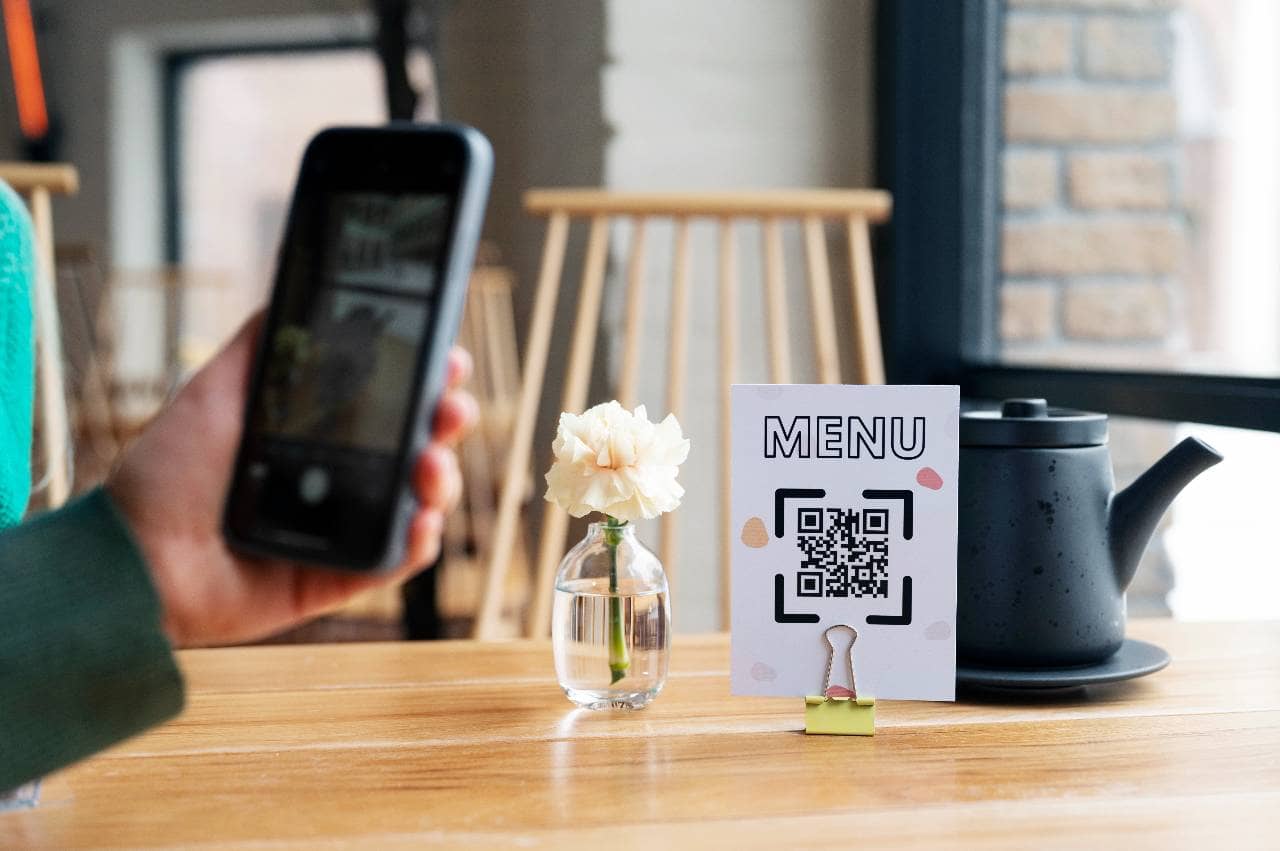
QR code menus let restaurants replace paper menus digitally, enabling instant updates, contactless browsing, ordering, and payment through simple smartphone scanning.
Sep 7, 2026
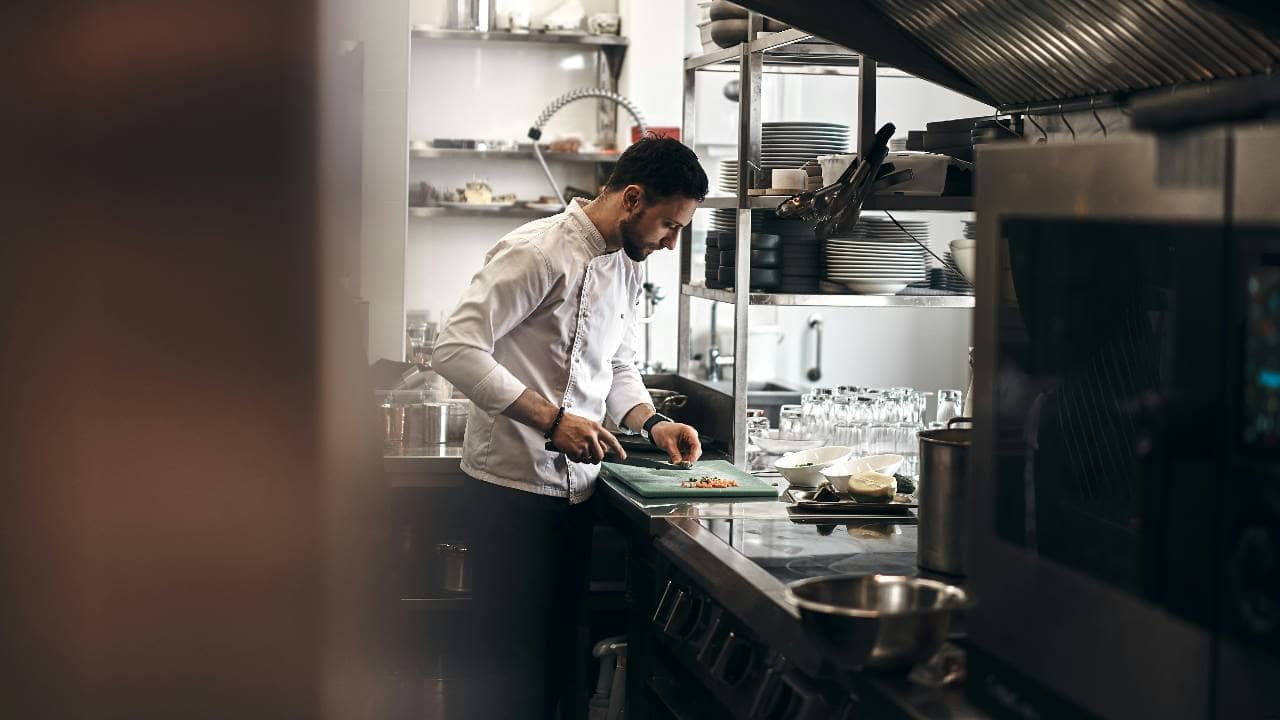
Complete guide helping restaurant owners choose essential kitchen equipment - covering cooking, refrigeration, prep, sanitation, ventilation, safety, and long-term maintenance planning.
Sep 7, 2026
Avoiding common restaurant payroll mistakes - misclassification, tip credit errors, overtime miscalculations - protects businesses from costly penalties, back pay, and compliance risks.
Sep 4, 2026
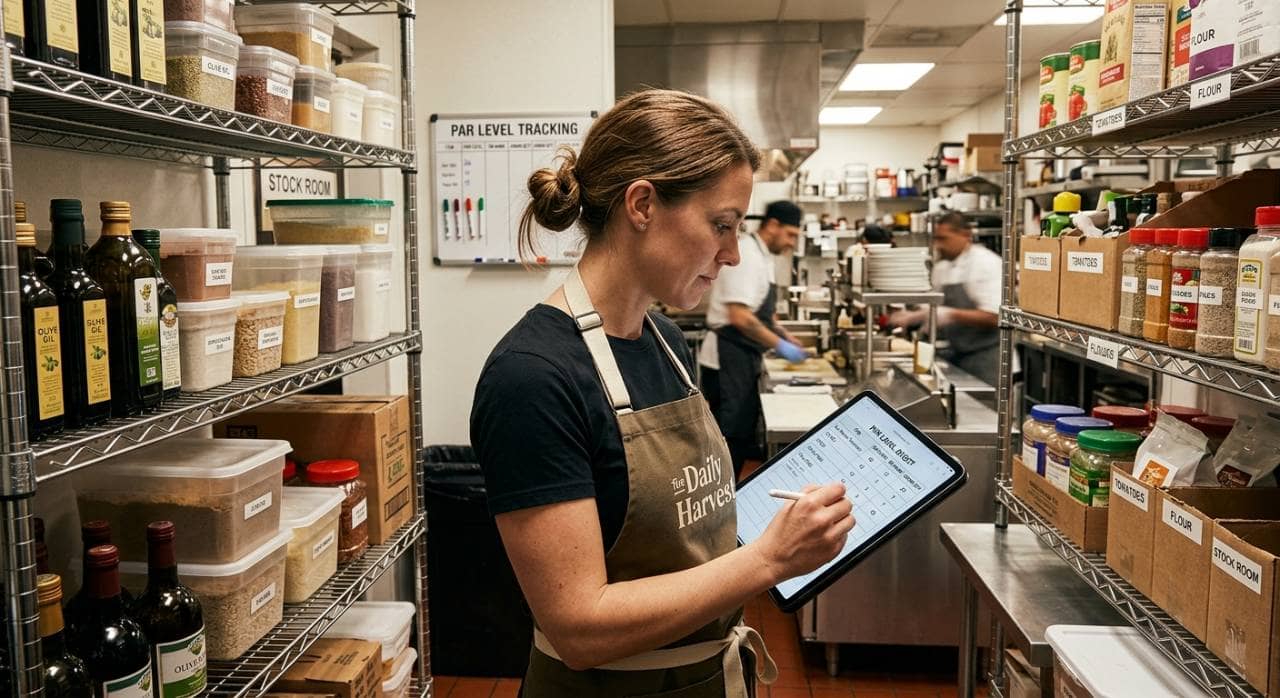
Learn to calculate par levels for restaurant food, beverages, and packaging inventory, preventing stockouts and waste through proper formulas.
Sep 4, 2026
Caribou Coffee appoints Zane Thomas-Rogers as Chief Operations Officer to strengthen execution across its expanding coffeehouse network.
Sep 4, 2026

Unlock Exclusive Access To Webinars, Events, And The Latest News For Free!
Portillo's rolls out in-store kiosks to boost throughput and defend margins amid drive-thru pressure, using imagery-led upsell and a four-pillar plan.
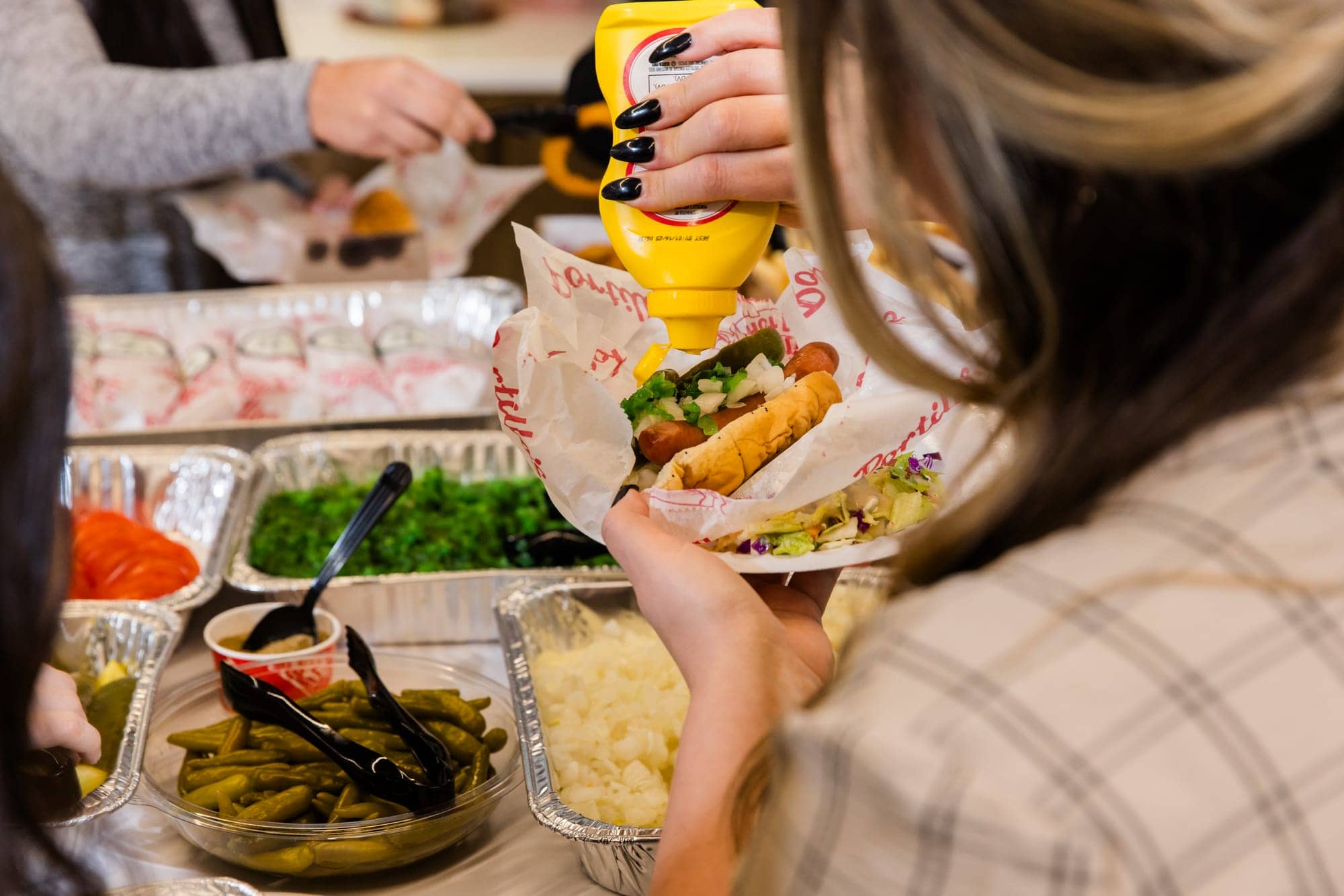
Portillo’s is placing a bold bet on self-serve tech as the antidote to slowing in-store momentum. The chain has been navigating a pullback in same-store sales and a drive-thru landscape pressed by aggressive promotions elsewhere. The move to in-store kiosks is framed as a complement, not a replacement, designed to keep guests moving and to re-energize the dining room with a blend of hospitality and digital prompts. The quarter that ends in June shows a 0.6% decline in same-store sales, a reality Portillo’s leadership is keenly aware of: the pressure is real, and the clock is ticking.
Portillo’s describes kiosks as part of a four‑pronged plan to boost throughput and labor productivity, while keeping the in-store experience intact. The goal is to shift a portion of ordering flow into a controlled, comfortable space where crews can focus on hospitality rather than crowd management. Imagery and guided prompts are meant to appeal to different guest types, a point echoed by CEO Michael Osanloo: “We love the idea of using images to suggest entrées and add-ons that appeal to various consumer types.” The plan is clear: kiosks add a new ordering channel that supports, not replaces, the team, and they scale with the guest’s pace and preferences.
So this is not just a gimmick. It’s a strategic lever to bend the curve on traffic declines, while preserving the warmth and service that guests expect when they walk in the door.

Behind the kiosk push sits the broader pressure of rising costs, wage dynamics, and a bruising value war in quick service. Portillo’s wants self‑ordering to defend margins and brand integrity without slashing prices. Industry coverage around late 2024 noted rampant discounting from peers, with Portillo’s defending quality while staying disciplined on pricing. The kiosks are pitched as a way to preserve momentum and guest experience in a shifting marketplace, a stance meant to balance guest expectations with the realities of labor and costs.
Industry benchmarks exist: Bite’s Brandon Barton has argued that kiosks can lift in-store average checks by as much as 15% when deployed thoughtfully. Portillo’s points to competitors’ pilots, including California-based Dave’s Hot Chicken and Shake Shack, where kiosk work has tied to higher average tickets and expanded channel mix. The takeaway is that self‑ordering can be a meaningful lever when paired with thoughtful merchandising, visual prompts, and staffing alignment, precisely the mindset Portillo’s is testing.
So the big question becomes not if, but how well these digital nudges translate into real, durable gains.
Across the industry, kiosks are gaining momentum as operators chase labor relief and faster service. Dave’s Hot Chicken expanded its GRUBBR kiosks in California to manage wage dynamics and push bigger in-store checks, with kiosks delivering higher ticket sizes even without immediate labor savings. Shake Shack has described kiosk channels as a leading ordering path, with digital engagement growing into a major driver of orders in its domestic footprint. Taken together, these signals show a broader shift toward self-service as a core operating model.
For Portillo’s, the implication is simple: digital channels are not a sideline but a strategic backbone. The trend aligns with earnings commentary and industry voices that see online ordering, kiosks, and visual merchandising as ways to maintain margins, balance wage costs, and sustain momentum even in a discount-heavy climate. The critical test will be whether the guest experience feels seamless and hospitable when screens guide interactions.
Portillo’s is watching this wave closely, hoping the kiosks become a normal tool in fast casual's kit.

Financial numbers ground the narrative. In the second quarter of 2024, Portillo’s reported total revenue of $181.9 million, with same‑restaurant sales down 0.6% for the quarter ended June 30, 2024. Transactions declined 2.3%, offset by a 1.7% lift in average check, underscoring the jacket between volume and ticket size. Leadership framed this as a transitional moment, part of a four‑pillar plan designed to position the brand for a stronger recovery through menu positioning, market expansion, and unit‑level efficiency.
Across the broader space, Shake Shack’s Q1 2025 results highlighted kiosk‑driven growth as a top channel, reinforcing the idea that self‑ordering can shift where and how guests decide to spend. Portillo’s sees the kiosk program as part of a measured test, not a quick fix, as it navigates drive‑thru pressure and discount cycles while pursuing top‑line gains.
The path forward remains a careful blend of price discipline, merchandising, and technology‑enabled throughput.
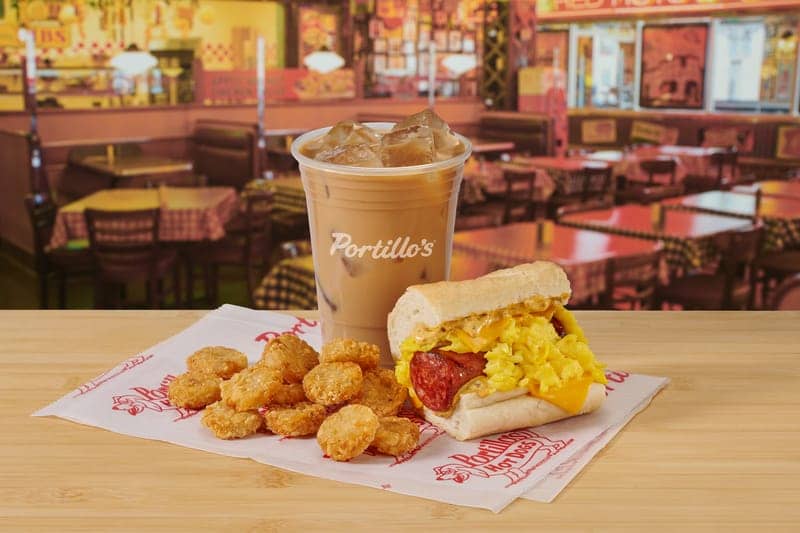
If Portillo’s can translate kiosk‑driven upsell and throughput into durable same‑store resilience, the brand could set a precedent for self‑service as a hospitality‑friendly tool in a crowded market. The broader trend toward kiosks, see Shake Shack and Dave’s, points to a future where digital engagement, cross‑channel consistency, and labor optimization shape restaurant economics for years to come.
The challenge is to balance helpful prompts with a sense of welcome. If prompts feel intrusive, guests may push back. Portillo’s must maintain brand integrity, train staff to pair human hospitality with technology, and monitor uplift versus cost, wage policy, and discount cycles. If all goes well, kiosks could become a normalization factor in fast casual competition, and a reminder that smart tech, when paired with good service, can lift both margins and mood.
That’s the big payoff: a future where guests enjoy speed, choice, and warmth, without paying the price in labor headaches.
