QSRs Rewrite Labor Playbooks as Wage Floors Rise
As more states raise minimum wages, QSRs pivot to real-time scheduling, cross-training, and AI tools to protect speed, value, and margins.
May 24, 2026
As more states raise minimum wages, QSRs pivot to real-time scheduling, cross-training, and AI tools to protect speed, value, and margins.
May 24, 2026
Hopdoddy gives free cheeseburger meals May 28 in Austin during Obsession, showcasing kitchen transparency amid competitive National Burger Day offers.
May 24, 2026
Portillo’s appoints Pamela Smith interim CFO and principal accounting officer, outlining contract terms, search timeline, and growth plans amid a tight CFO talent market.
May 24, 2026
Foodtastic will relaunch Dunkin’ in Canada with up to 30 openings in year one, amid Inspire Brands’ IPO plans and a market hungry for youth-driven coffee.
May 24, 2026
Whataburger revives its iconic A-frame with new prototypes, blending heritage with modular construction to speed builds and expand beyond Texas.
May 24, 2026
Amid record turnover and policy headwinds, Audrey Benet’s Miss Pat Mindset reframes culture as the industry’s most reliable lever for retention.
May 24, 2026
Swig turns viral dirty soda buzz into franchising momentum, with soaring traffic, rising sales, and a disciplined drive-thru playbook.
May 24, 2026
Sweetgreen links the UN’s 2026 focus to supplier stories, using transparency to fuel growth—while the industry wrestles with how to measure true impact.
May 24, 2026
Bojangles is stepping beyond traditional quick-service dining by launching its first EV charging station in Savannah, Georgia the beginning of a planned national rollout that pairs Southern food with on-the-road convenience for electric vehicle drivers.
May 22, 2026
When your restaurant's POS system and inventory records don't connect, food cost reporting becomes unreliable. Here's how to close the data gap and regain control of your margins.
May 22, 2026
Unlock Exclusive Access To Webinars, Events, And The Latest News For Free!
As more states raise minimum wages, QSRs pivot to real-time scheduling, cross-training, and AI tools to protect speed, value, and margins.
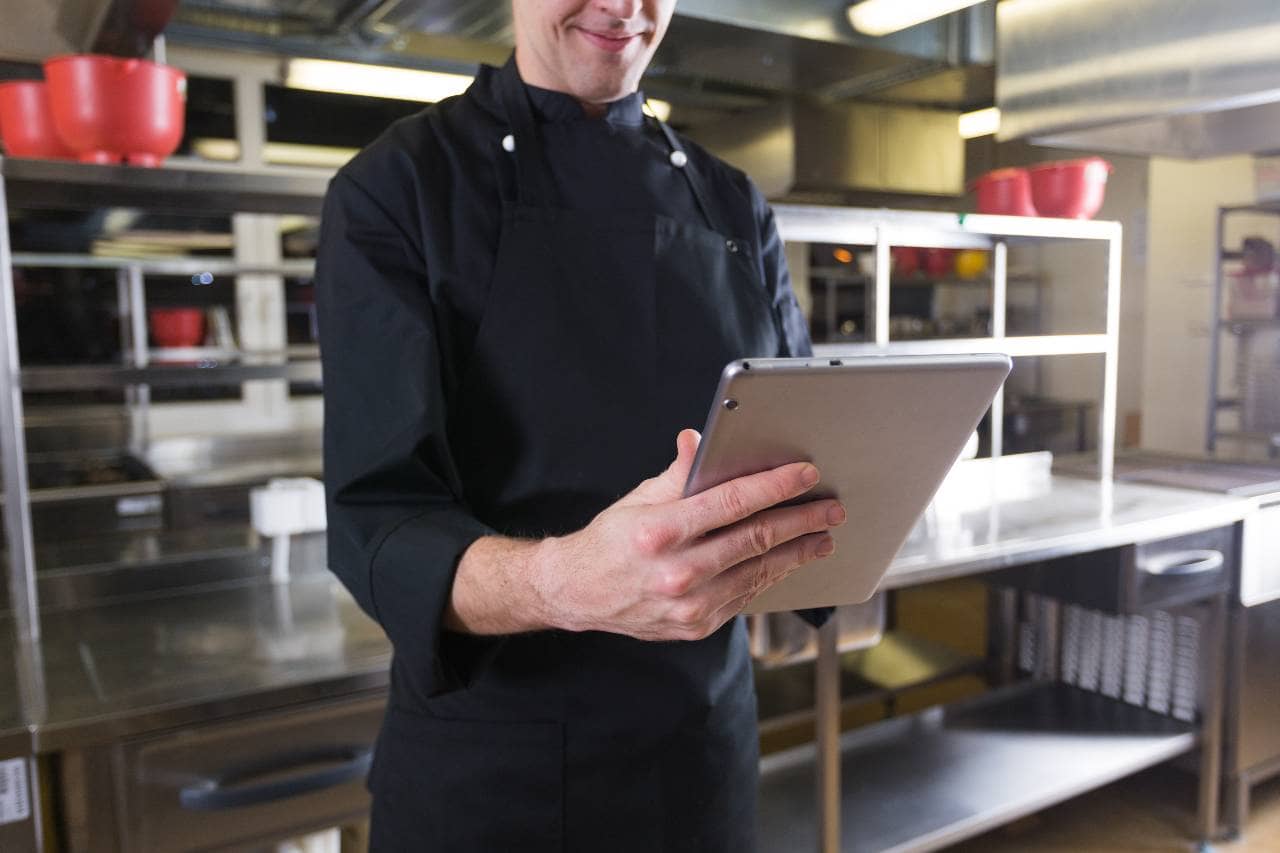
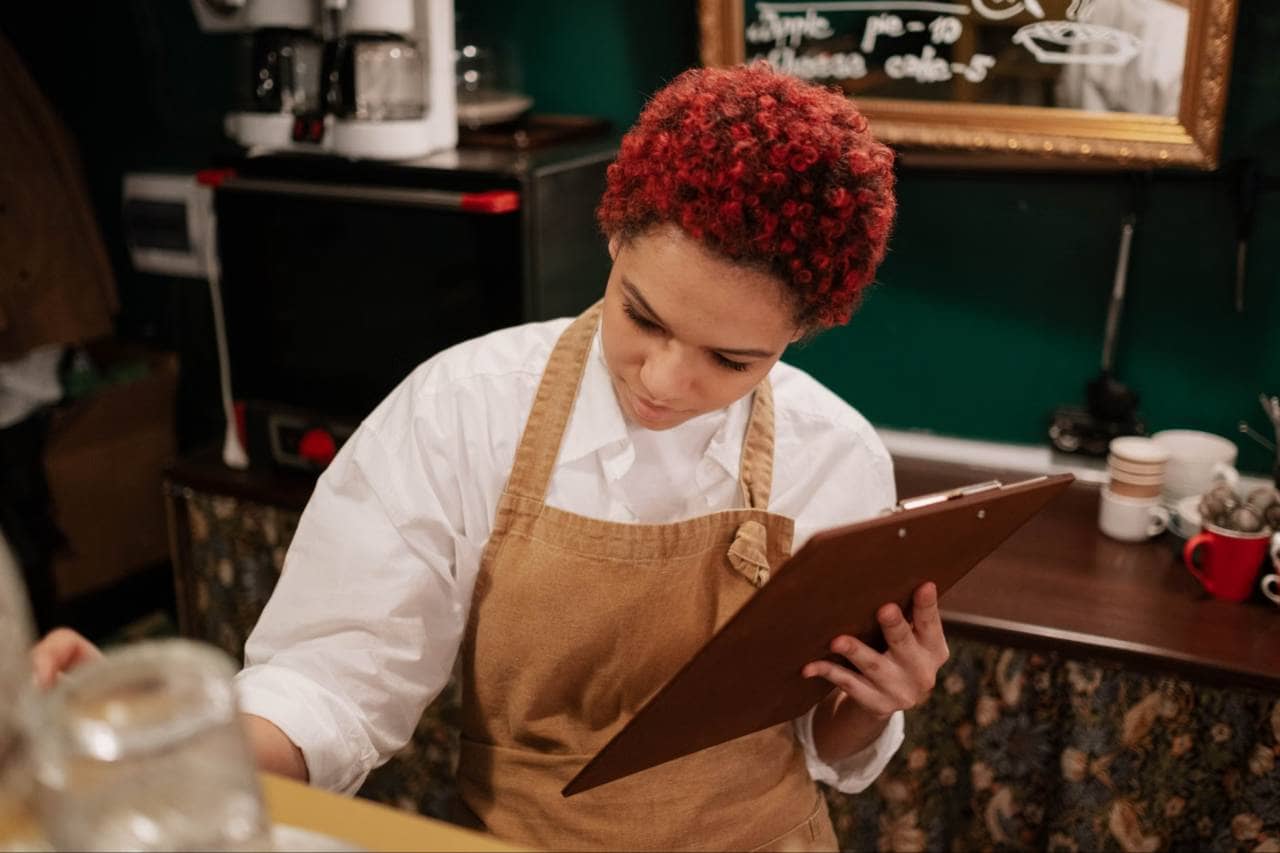
Photo by Lee Milo
Nineteen states lifted their minimum wages on January 1, 2026, and quick-service restaurants are feeling the strain where it hurts most, in the minutes between orders. Value and speed remain nonnegotiable for guests, yet base pay now tops $15 in many markets.
The old habit of staffing to a static percent of sales no longer holds when even small missteps, like overcovering a slow midafternoon or missing transactions at peak, can gut margins. By the end of 2026, 22 states will have increased wage floors, according to the National Employment Law Project, while the federal minimum remains $7.25, unchanged for 17 years.
The wage story is layered. Economic Policy Institute data show that 30 states and the District of Columbia now set minimums above the federal floor, with 19 at $15 or higher.
Labor runs 30 to 35 percent of operating expenses for QSRs, so every uptick ripples fast through the P&L. Some relief is specific to federal contractors, where Executive Order 13658 raised the floor to $13.65 per hour on May 11, 2026, effectively creating a dual wage regime.
Yet no national indexing mechanism has passed. The Raise the Wage Act of 2025 remains stalled in the 119th Congress, and the Fair Minimum Wage Act has not been updated since 2009.
Operators are left to map a patchwork in which cities like Chicago and San Diego adjust rates by inflation triggers, stepped increases continue in jurisdictions such as Alaska and Washington, D.C., and eight states keep floors above the federal rate without changes in 2026. Voters in Oklahoma will decide State Question 832 on June 16, 2026, a proposal to bring the state to $15 by 2029.
Operators are not waiting for clarity. Monthly dashboards are giving way to weekly, even daily calls on how many people to schedule and where to place them.
According to Datassential, 62 percent of operators rank labor among their top challenges, and nearly half report difficulty aligning schedules with real-time demand. Case studies from the National Restaurant Association Solutions group show that operators using advanced workforce management platforms are trimming labor costs by 1 to 3 percentage points of revenue versus manual scheduling.
The practical toolkit includes demand forecasts, sales velocity alerts, and compliance rules that let managers shave overlaps during lulls and bulk up when the line hits the door.
Rigid roles slow that response. A team player who can float between the front counter, drive-thru headset, spill cleanup, or a food-prep station is now a strategic asset, and cross-training turns that flexibility into a plan rather than a hope.
Technology is moving into that space. In a Toast survey of more than 700 decision-makers, 81 percent said they plan to increase their use of 人工 intelligence to forecast staffing and streamline operations.
Harri CEO Luke Fryer puts the moment in context: “The restaurant industry is experiencing its most dramatic shift in labor economics since Ray Kroc standardized the QSR model in the 1950s.” The software market is keeping pace.
Real-time alerts and AI-powered forecasting are fueling a $5.79 billion global restaurant management software market that is growing 17.4 percent annually through 2030.
Self-service kiosks now appear in more than 80 percent of McDonald’s U.S. locations, and Yum Brands reports meaningful reductions in drive-thru order times with voice AI. Operators that treat workforce platforms as revenue-management tools, not just compliance checkboxes, are finding measurable wins.
Retention remains the quiet lever. The Bureau of Labor Statistics reports a total separations rate of 5.4 percent for leisure and hospitality in January 2026, which implies an annualized turnover near 65 percent.
Replacing a single worker can cost more than $4,000 before a new hire hits stride, and service quality often dips during the transition.
Predictable schedules and stable crews pay back, because experienced teams move faster, make fewer errors, and build loyalty with guests who feel seen and served.
Menu strategy can help absorb wage pressure without eroding trust. Identifying higher-margin items, calibrating promotions, and avoiding the shrinkflation trap protect perceived value without trimming portions.
The legislative horizon remains unsettled. Three more states plan to lift their wage floors later this year, according to reporting, and employers in places like Alaska and Washington, D.C., can expect further scheduled increases through mid-2026.
Local ordinances that index to inflation will keep shifting targets for multi-unit groups. Without a federal indexing system, brands are building dedicated labor-planning resources to track dozens of jurisdictions and bake those curves into forecasts before the costs hit.
What distinguishes the leaders is rhythm. Weekly, real-time labor decisions replace set-it-and-forget-it scheduling.
Cross-training turns every shift into a flexible team. AI-driven forecasting tightens the link between demand and deployment so operators capture every possible transaction.
Early adopters have moved from reactive cost cutting to proactive revenue management. With more state hikes on deck, the next lunch rush can feel less like a scramble and more like the product of a well-calibrated schedule, preserving service and margins as wages climb.